Smart Gardener
Wild Gardening
Back to Nature
Here’s how you can rewild your patch of paradise.
Start Small
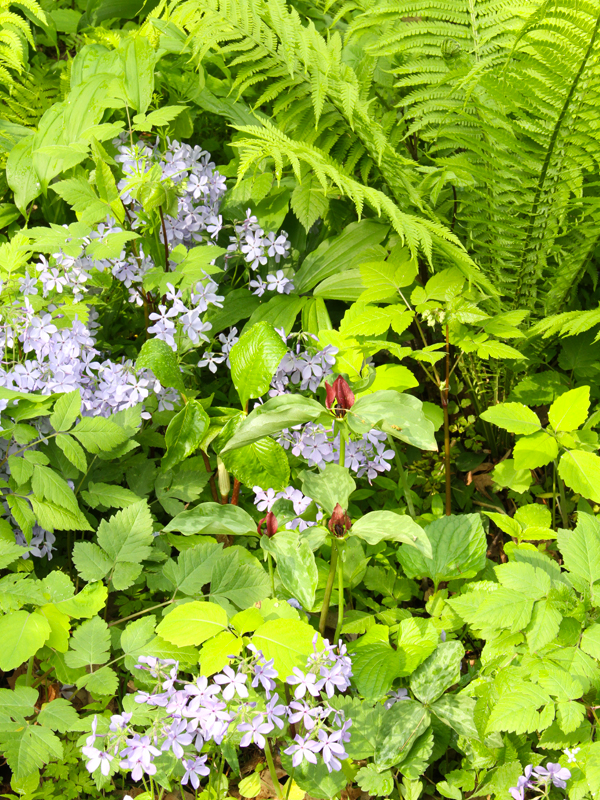
Pick a spot in the garden where you’d like to grow wild. Starting small gives you a feel for the site—and you’re less likely to feel overwhelmed if you can’t keep up with the initial weeding or watering. (And you won’t shock neighbors that prefer a manicured look.) Consider the soil, light and moisture in that spot. If the soil tends to collect standing water after a storm, a rain garden may be a good choice. If you have a hosta-filled shade garden, adding ferns, spring wildflowers, and late-blooming woodland asters can create a more wild and natural woodland.
Add Native Plants
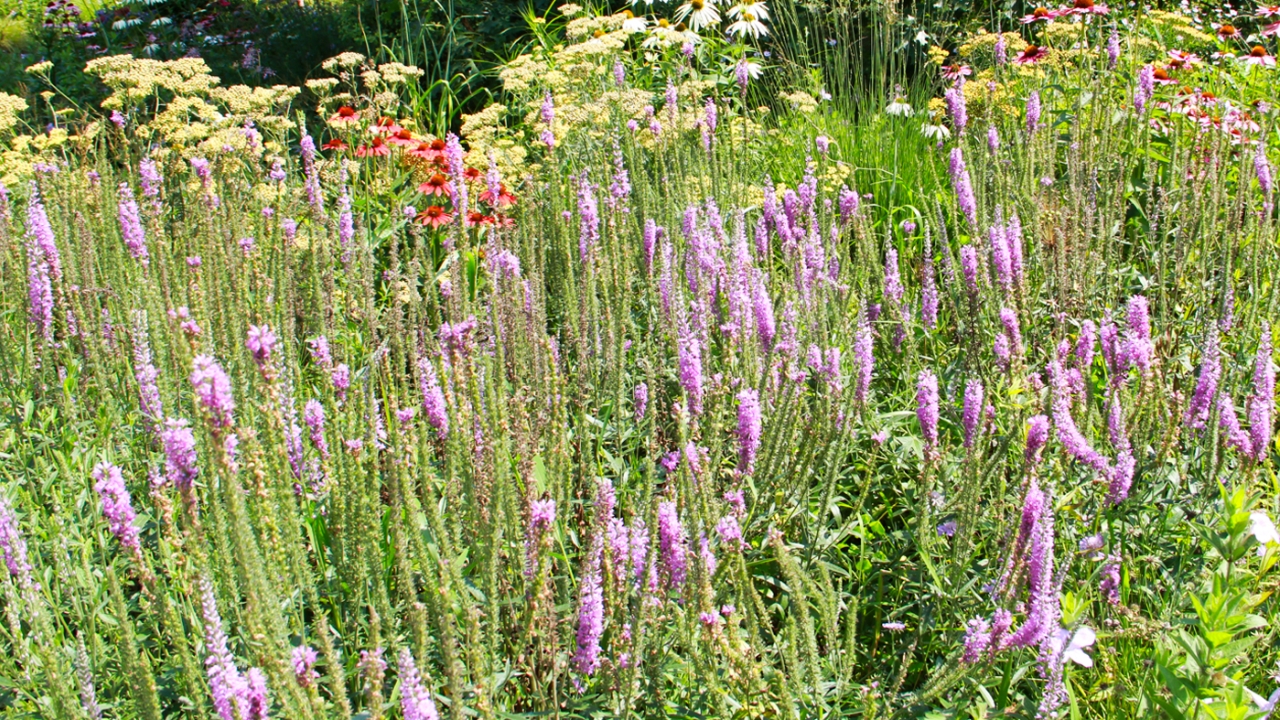
Why choose native plants? They co-evolved with native insects and wildlife over thousands of years and provide mutual benefits. There are many native sun- and shade-loving plants that offer food for wildlife and eye candy for the gardener. A mass of coneflowers or black-eyed Susans for a sunny spot will attract countless butterfly species. In shade, wild ginger, woodland phlox, Virginia bluebells, columbine, wild geranium, and many others provide flowers with nectar and pollen.
Grasses and Sedges
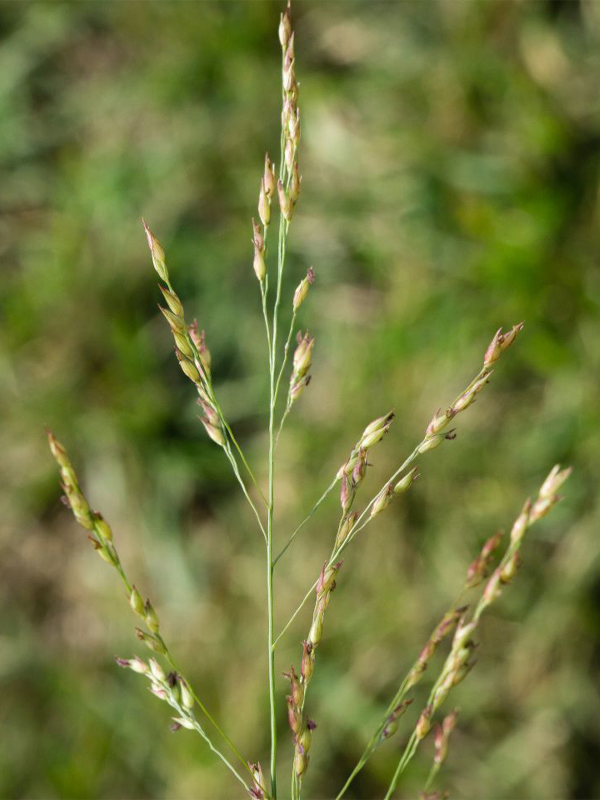
Native grasses and sedges are a large part of the wild garden look. Prairie dropseed, big bluestem, switchgrass, Pennsylvania sedge and others offer dancing leaves and delicate flowers when the wind blows.
Make a Plan
Once you determine what plants you’ll use, outline the perimeter of the garden on paper. Draw circles to indicate where plants will go. By grouping plants—creating drifts of the same plant—the garden design will look more intentional and less “weedy”. Over time, some plants will reseed or spread. Maintaining a wild garden can be less maintenance if you remove weeds as they appear and before they flower. The wild garden can be left to stand over winter, providing seeds for birds. In the spring, cut the plants back and let the debris remain on site to provide a natural mulch.
Create a Defined Border
A crisp delineation between the lawn and the planting area goes a long way. One summer when I didn’t have enough time to weed an 80-foot-long pollinator border, my English mother stood with her arms crossed and advised, “Well, if you can’t get in to weed, at least edge the bed.” It was great advice for me because that trench stopped turf grass from moving into the plantings. And, the crisp edge creates the illusion that the planting bed is well maintained.
Ditch the Chemicals
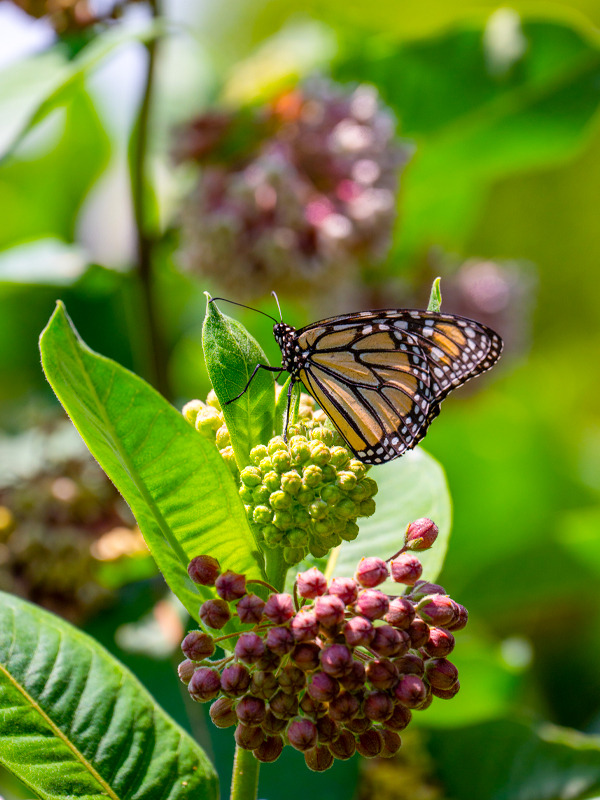
Many birds rely on insects as food. Pesticides can wipe out caterpillars and other creatures that birds need, especially during nesting season. Tolerance is a plus. Pesticides kill the “good” bugs, too. For example, milkweed plants often have aphids on the leaves and stems. Take a close look at the foliage and you may find a slender dangling thread with an egg—the sign of a lacewing. Once hatched, lacewings will eat the aphids. So don’t be in a hurry to wash off aphids or the beneficial insects will miss a meal.
Enjoy
Take the time to enjoy your creation. Pull up a chair, grab an iced tea, and watch as the birds, butterflies, bees and other creatures visit your new, wild space.
Nina Koziol is a garden writer and horticulturist who lives and gardens in Palos Park, Illinois.