


Reimagining Restoration
Plant Conservation
Science and Action
Reimagining Restoration
Reimagining Restoration
It’s time to change our relationship with the planet and prepare our landscapes for the future.
We must restore prairies, woodlands, and wetlands so they’re resilient in the face of invasive species and climate change. We must support healthy habitats in both small urban spaces and vast natural areas.
Chicago Botanic Garden scientists are reimagining our landscapes for the future—lawns that absorb stormwater, gardens that feed pollinators, and natural areas that nurture native plants, animals, and people.
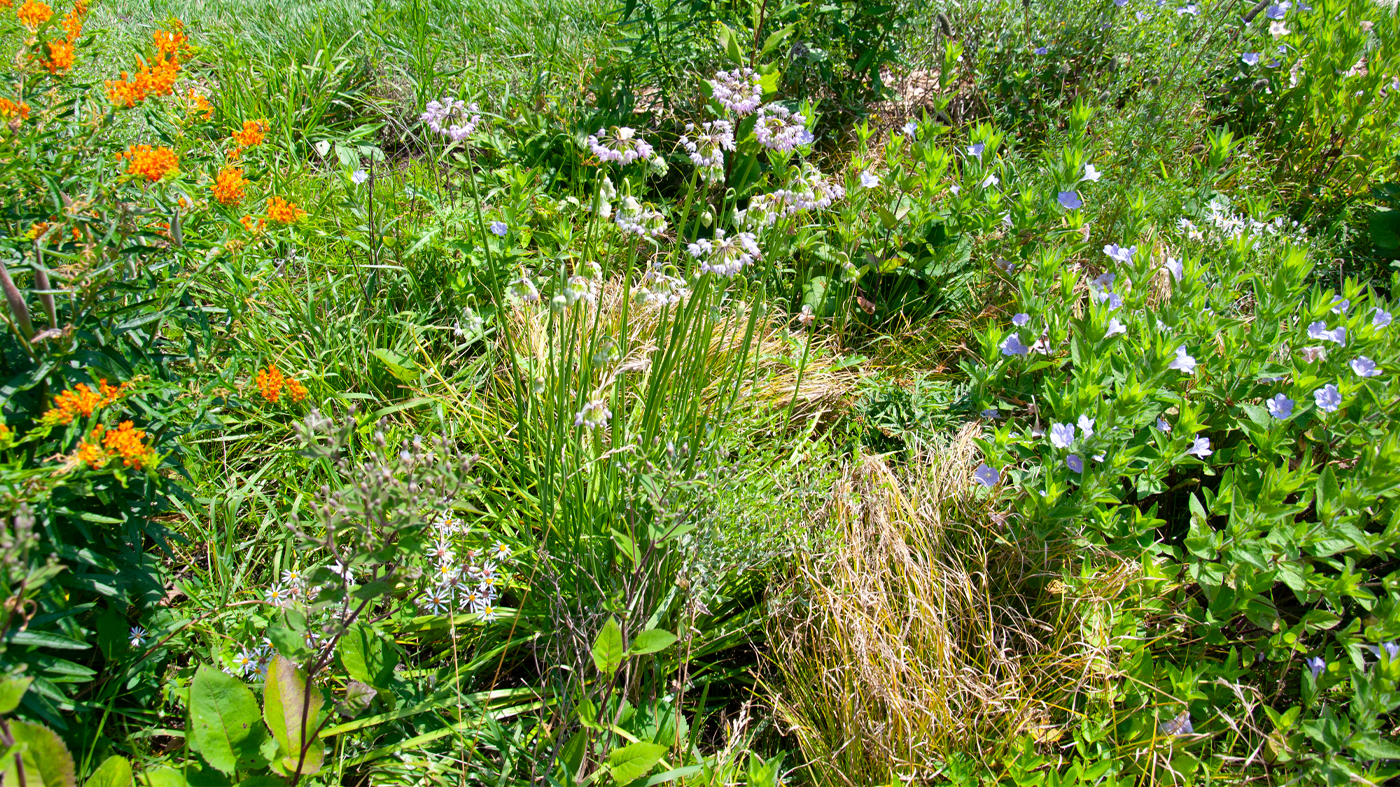
Photo by Liz Anna Kozik.
Rethinking Lawns
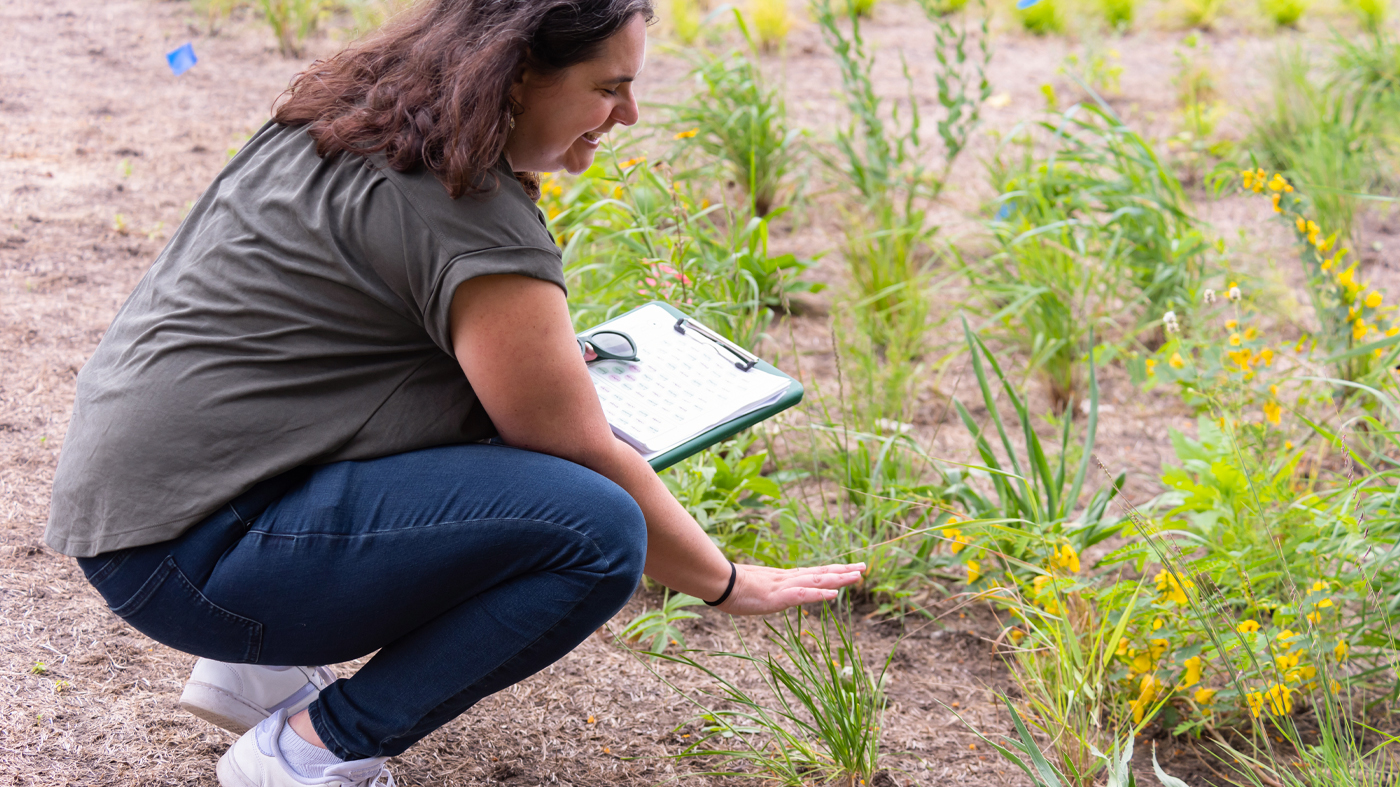
Lawns are America’s largest irrigated crop at 50+ million acres—more than three times the space dedicated to corn production. But what if lawns supported pollinators? Or reduced local flooding? Or simply didn’t require all that mowing, watering, and herbicide? The Garden’s Rethinking Lawns program is testing lawn alternatives that work for people and nature. Garden scientists are collecting data to demonstrate that changing our lawns can support pollinators, increase habitat for plants and wildlife, and reduce urban flooding and heat island effects.
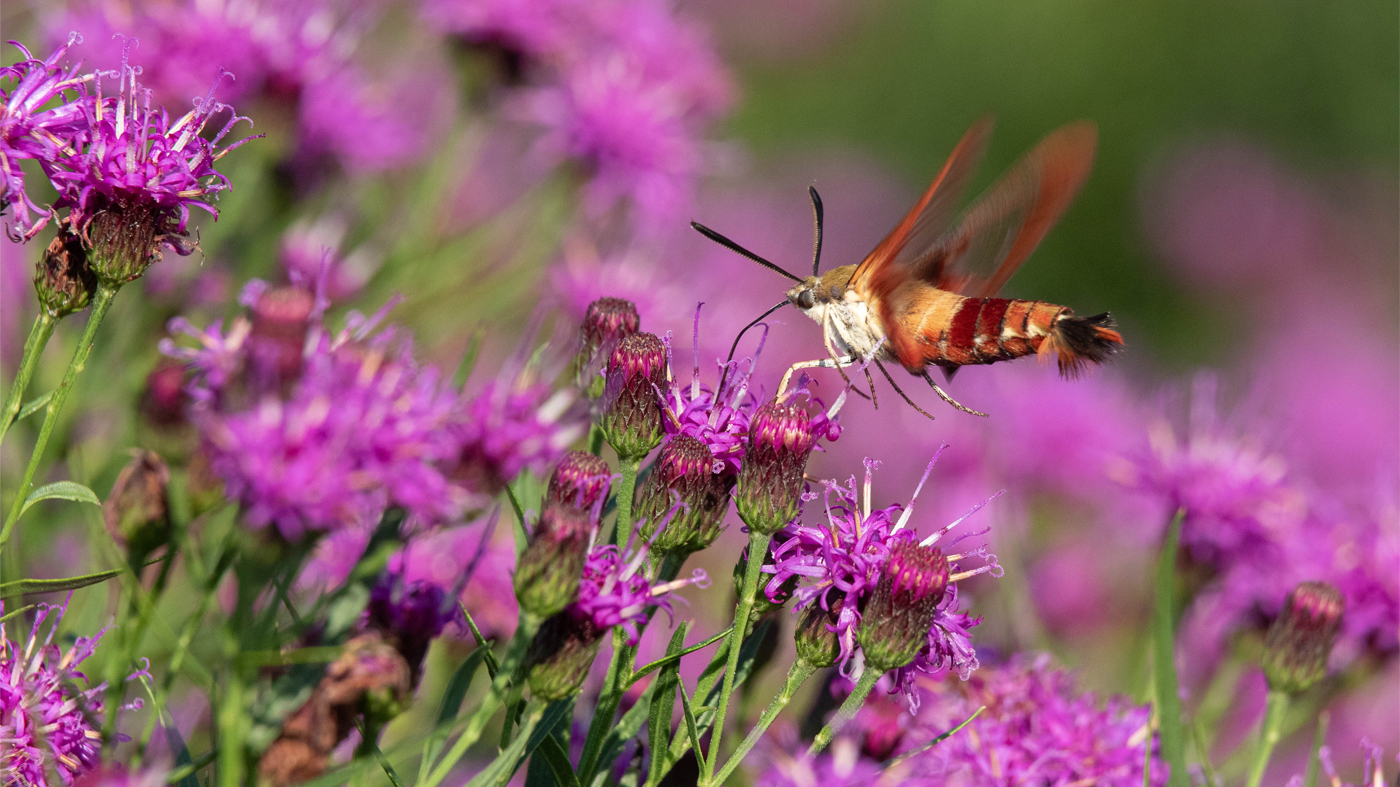
Photo by Nick Dorian.
Pollinators Living in Urban Gardens (PLUG) Program
Declines in pollinators like bumblebees and butterflies have inspired efforts to help pollinators in urban and suburban spaces. While there is no shortage of advice on “what to plant for pollinators,” this information can be inaccurate, incomplete, or confusing. By combining the expertise of the Garden’s pollinator ecologists and Plant Evaluation Program researchers, the Pollinators Living in Urban Gardens (PLUG) program is studying how well common garden plants support pollinators and developing clear, science-backed guidance for pollinator gardening.
Synthesis Center for Conservation and Restoration (sCORE)
The Garden’s Synthesis Center for Conservation and Restoration (sCORE) brings together plant scientists from different backgrounds to address critical challenges in plant conservation and restoration. By analyzing and synthesizing existing research, sCORE projects develop new strategies to help land managers and policymakers make informed decisions. sCORE is built on collaboration—because when plant scientists and land managers work together, they can increase the success of conservation and restoration efforts.
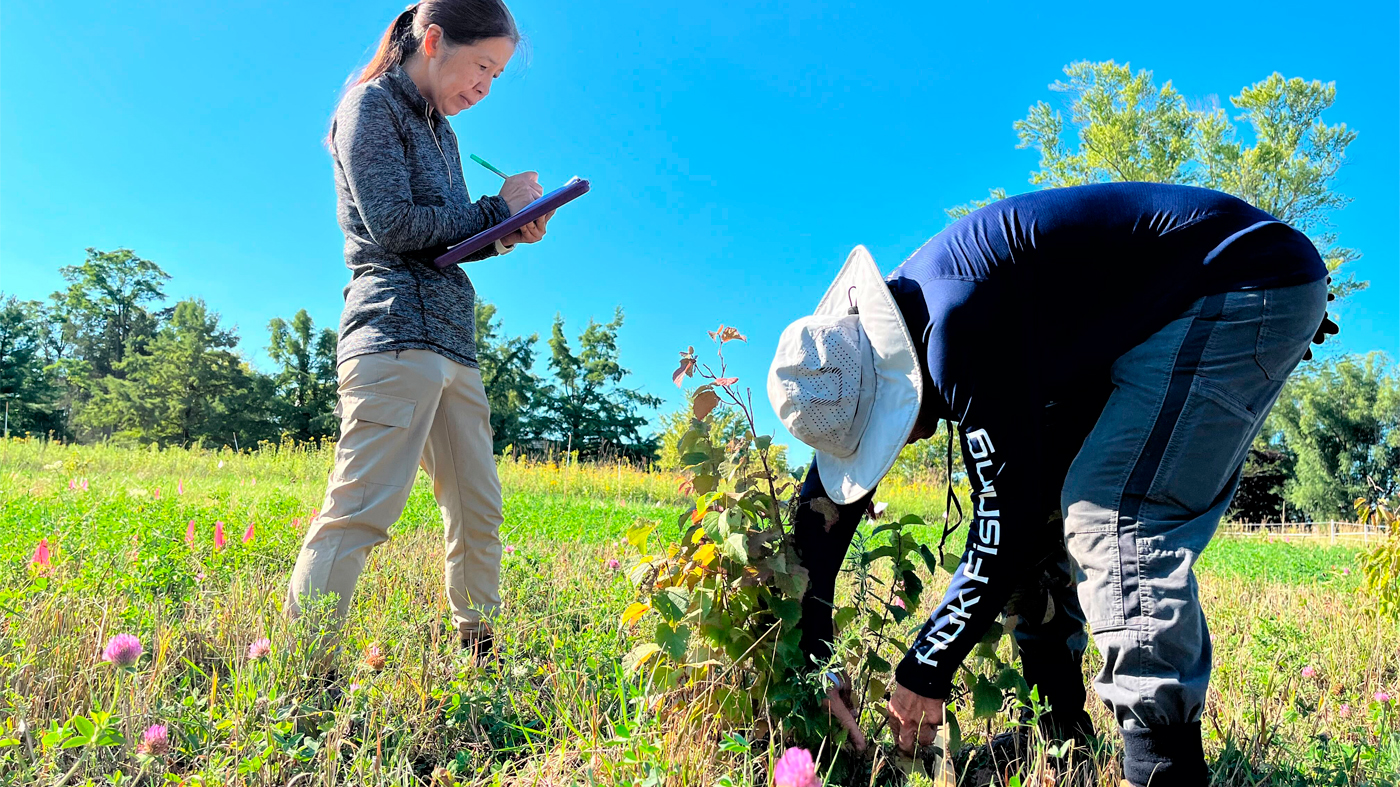
Photo by Liz Vogel.
New Roots for Restoration
New Roots for Restoration is a collaboration of more than 100 scientists from nine academic institutions, focused on improving the restoration of natural and agricultural lands. Researchers study how perennial plants interact with life in the soil and surrounding plants to understand which plants can best restore a natural area or support sustainable farming. At the Garden, our scientists are working with native prairie plants and a commercially available perennial grain to help develop new strategies for restoration.
Restoration at the Garden
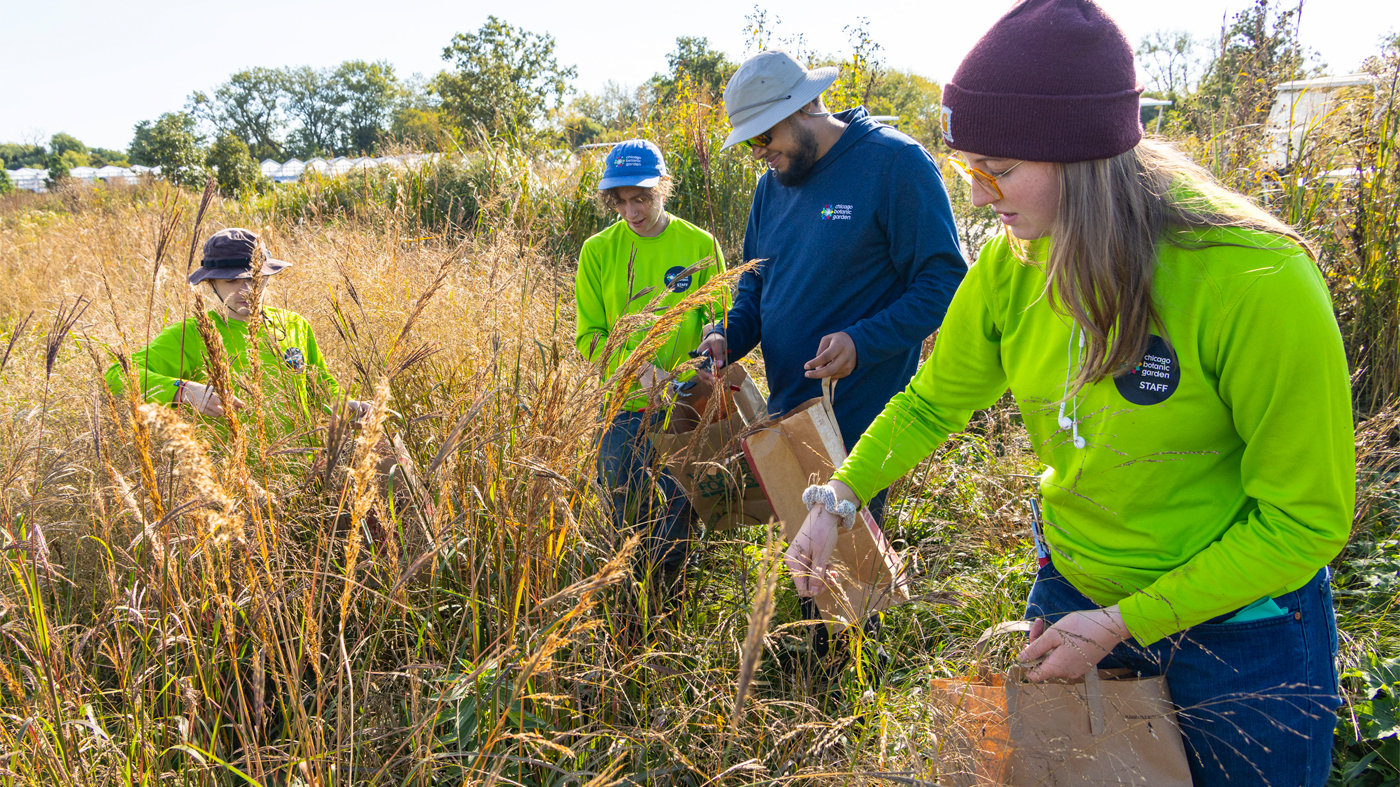
Natural areas make up more than half of the Garden’s 385 acres—from the remnant McDonald Woods with roots in the last ice age, to the Dixon Prairie built in the 1980s. Our ecologists and Stewardship and Ecology of Natural Areas (SENA) technicians remove invasive species, collect and sow seed, and conduct prescribed burns to restore these areas to health. This hard work translates into vibrant ecosystems that provide habitat for thousands of plant and animal species. Our natural areas serve as outdoor classrooms for all ages, laboratories for researchers, and beautiful spaces for visitors to reconnect with nature.