Rhododendron
Rhododendron (azalea)
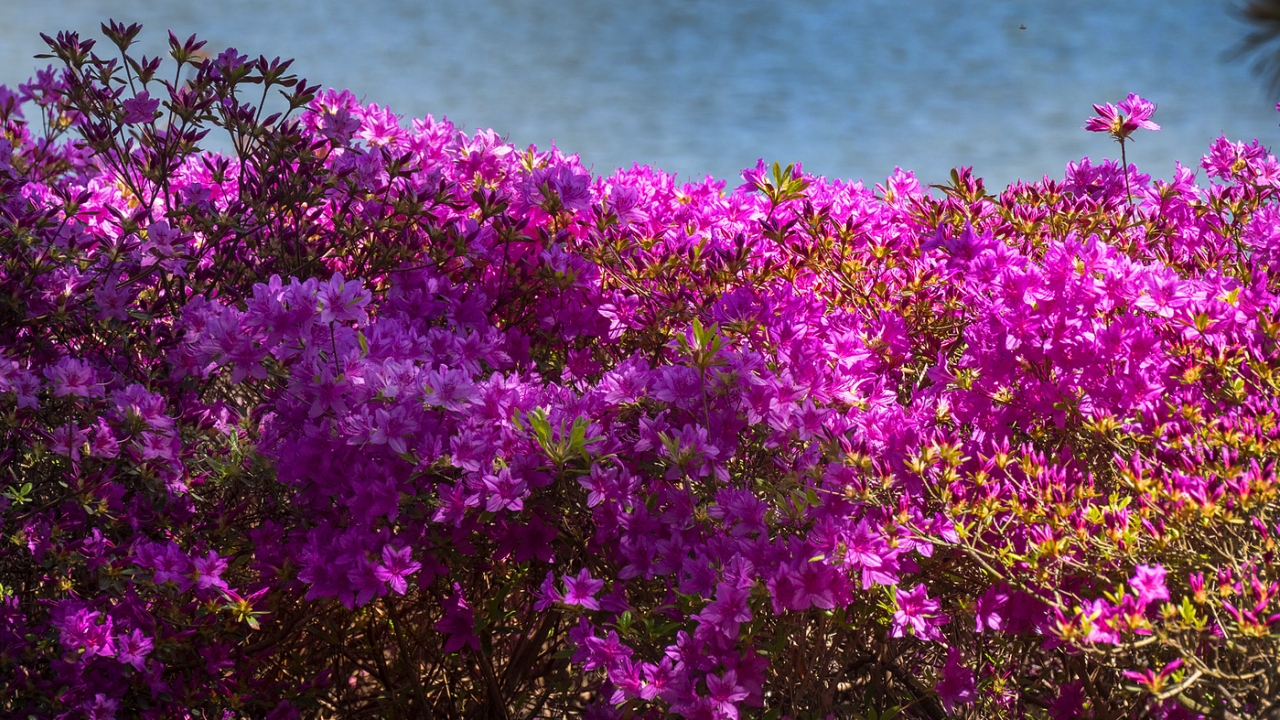
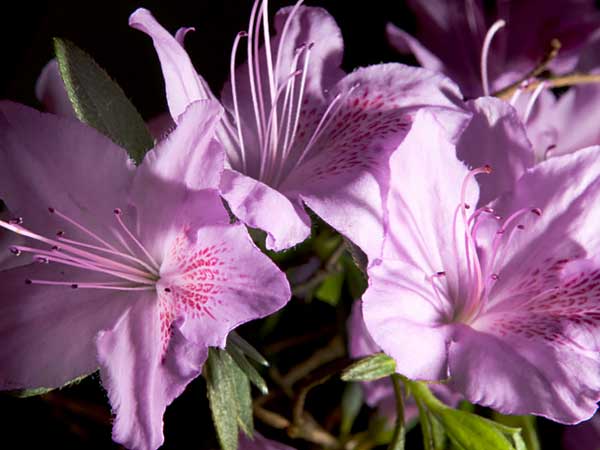
Rhododendrons are popular woody shrubs grown for their spectacular spring flowers. Within this genus, taxonomists estimate that there are between 800 and 1,000 species. They are native to North America, Europe, Australasia, Asia, southwest China, Tibet, Myanmar, northern India, and New Guinea. In their natural habitats, the plants vary in size from creeping at ground level to 80 feet tall.
Meet the Family
The genus comprises
five main groups:
- Large-leaf (elepidote) evergreen rhododendrons
- Small-leaf (epidote) evergreen rhododendrons
- Vireya rhododendrons
- Evergreen azaleas
- Deciduous azaleas
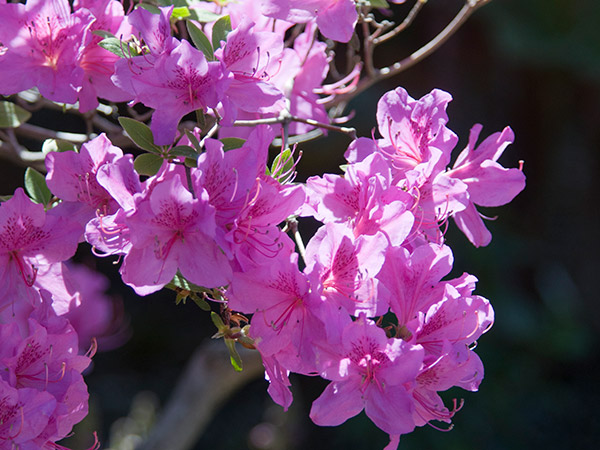
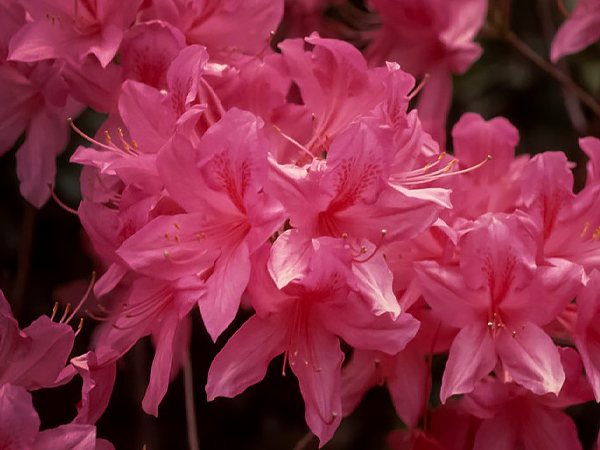
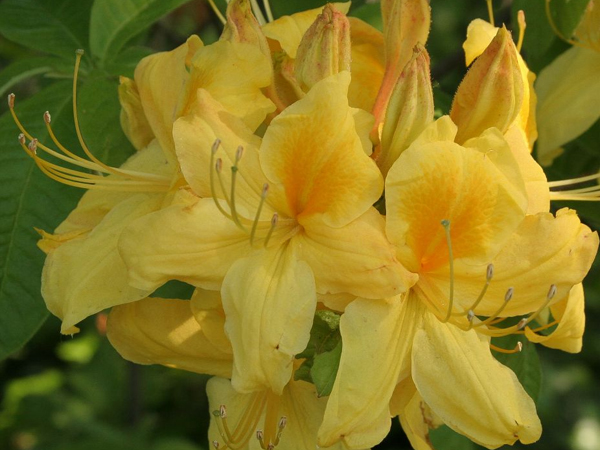
Large-leaf (elepidote) evergreen rhododendrons are typically low, mound-forming shrubs. This group includes the so-called “ironclad” plants bred from R. catawbiense, R. ponticum and R. caucasicum, as well as Fortunei and Yakushimanum hybrids. Small-leaf (lepidote) rhododendrons include some of the hardiest of all evergreen plants in the genus. Vireya rhododendrons are evergreen but frost tender, generally grown in a greenhouse. Deciduous and evergreen azaleas are small to medium-leaved shrubs that bear a profusion of flower trusses. They are commonly known to gardeners as azaleas. Deciduous azalea examples are Ghent hybrids, Knap Hill-Exbury hybrids, Mollis hybrids, and Occidental hybrids. Evergreen azaleas include Glenn Dale hybrids, Indica hybrids, Kaempferi hybrids, Robin Hill hybrids, and several others.
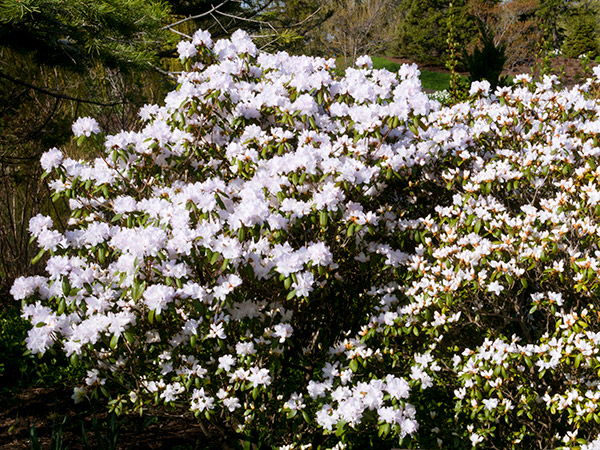
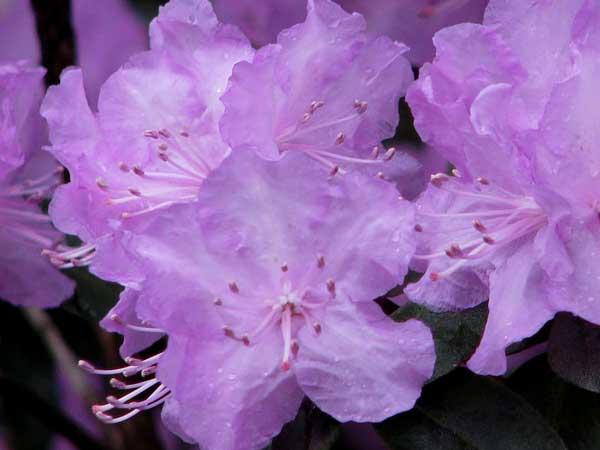
There are thousands of hybrids! Compact Korean azalea (Rhododendron yedoense var. poukhanense 'Compacta') is hardy to Zone 4, as is Orchid Lights rhododendron. Molly Fordham blooms in early April. P.J.M. rhododendrons are among the most reliable and commonly sold rhododendrons in the Chicago area. Northern lights azalea produces bright, fragrant flowers in shades of orchid, orange, white, yellow, or rose on plants that have a nice compact shape, reliable winter hardiness, and bronze-orange fall color. They brighten a woodland garden often before the trees fully leaf out.
Growing Rhododendrons
Outdoors
From their ecological benefits to their impressive ornamental features, there are several reasons to plant these early blooming shrubs that carry across all four seasons. In spring they offer an assortment of cheery flowers that attract butterflies and bees. Stunning colors on deciduous plants brighten landscapes in fall, and evergreen types continue to impress through cold months providing winter interest.
Where — When planting rhododendrons, it is important to select a variety that is winter hardy for your plant hardiness zone, based on the USDA plant hardiness zone map. The Chicago region is zoned 5a and 5b. Select a spot that offers dappled shade. Avoid full sun and south- or west-facing sites, where winter winds can dry evergreen leaves.
Soil — The site should have well-drained, acidic soil amended with large amounts of leafy, humus-rich organic matter. The roots require an exceptional amount of air in the soil, so planting matter should be loose, porous, and organically rich, with a pH range of about 4.5 to 6.0. A standard planting mix consists of equal parts of good top soil, peat moss, sand, and shredded bark. A soil test can help determine the pH of your soil before you plant. If the soil acidity is not in the preferred range, add elemental sulfur and/or an iron chelate to lower the pH.
Drainage — Rhododendrons need to be planted high in a hole approximately one half the depth of the rootball because they are shallow-rooted plants and very susceptible to root rot. Excellent drainage is crucial for rhododendrons, especially in areas with heavy clay soils, such as northeastern Illinois.
Water — Water the plant thoroughly before and after planting.
Mulch — The top portion of the rootball should be covered with an acidic mulch such as pine bark to help lower the pH of the soil. Mulch can be replenished yearly, if necessary.
Tips — When the plants are finished flowering, gently pull off the spent blossoms. New shoots form at the base of the flower trusses. To increase flower production for the following year, pinch off one-half of this new green growth when it is at least 1-inch long. If plants require shaping, prune right after flowering.
Companions — Rhododendrons make great companions! Plant partners include mountain laurel (Kalmia latifolia), Japanese andromeda (Pieris japonica), summersweet (Clethra alnifolia), hydrangea macrophylla, Fothergilla, hostas, ferns, and spring-blooming bulbs.
Indoors
A fully budded azalea plant is a promise of six to eight weeks of continuous flowering in the middle of winter!
Azaleas are popular holiday plants for this very reason; they provide nonstop color throughout the darkest winter months and, with proper attention, will bloom again and again for you for many years.
When the danger of frost has passed, an azalea plant can be taken out to the garden or patio and kept in a shaded spot for the summer months. Bring the plant back indoors before autumn frost and place in a very bright but cool location.
Temperature —Azaleas prefer cool indoor temperatures, especially at night.
Light — Place the plant in a bright window, out of direct sun, for winter. Outdoors in summer, a shaded spot is best.
Water — Constantly moist soil is extremely important.
Humidity — Mist foliage during winter when plant is blooming.
Fertilizer — Fertilize regularly with dilute solution during growing season.
Tips — Regular deadheading (removing the spent blossoms) in winter keeps the plant attractive and prolongs the bloom period.
Want to learn more about the rhododendrons growing at the Garden?