Plant Evaluation: Hardy Garden Chrysanthemums
Hardy Garden Chrysanthemums | Issue 54 2026
Richard G. Hawke, Gaylord and Dorothy Donnelley Director of Ornamental Plant Research
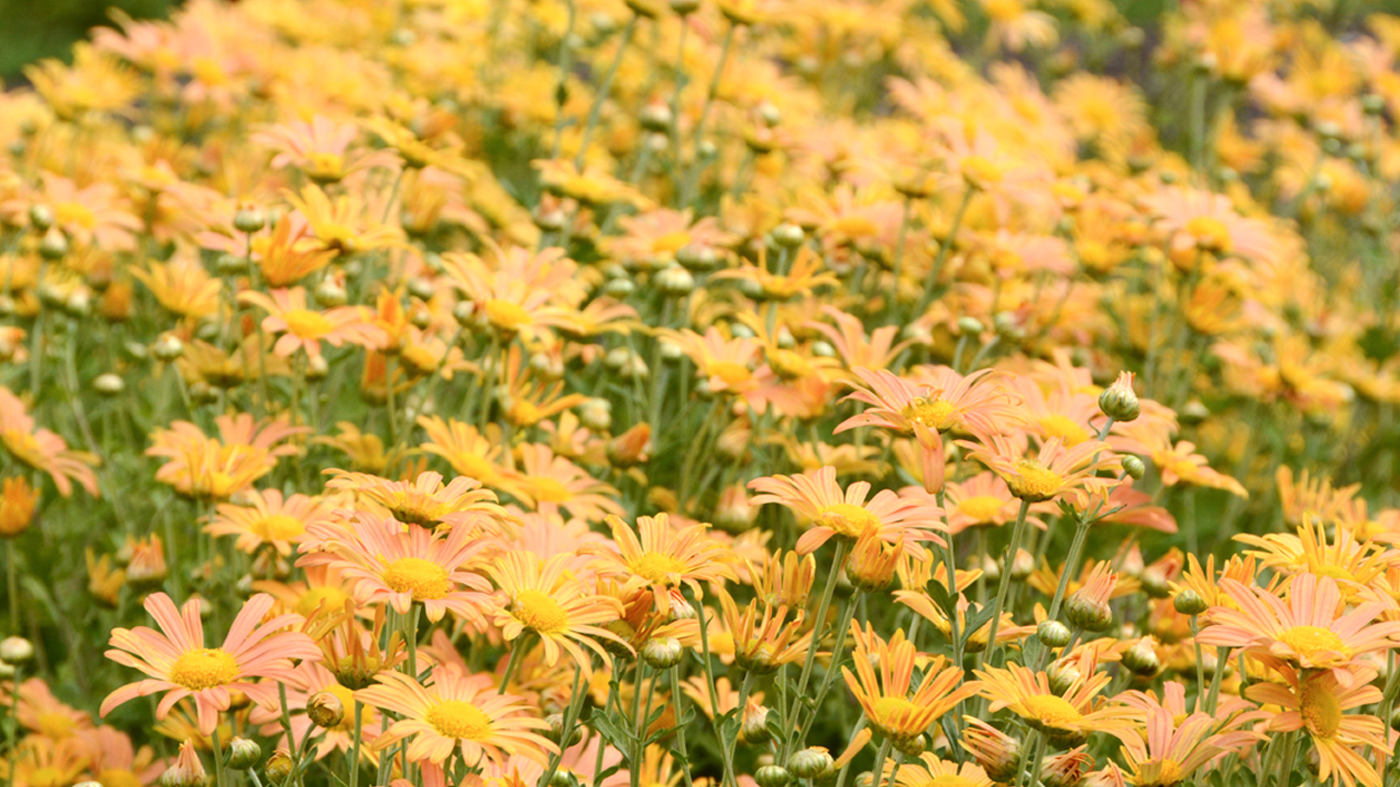
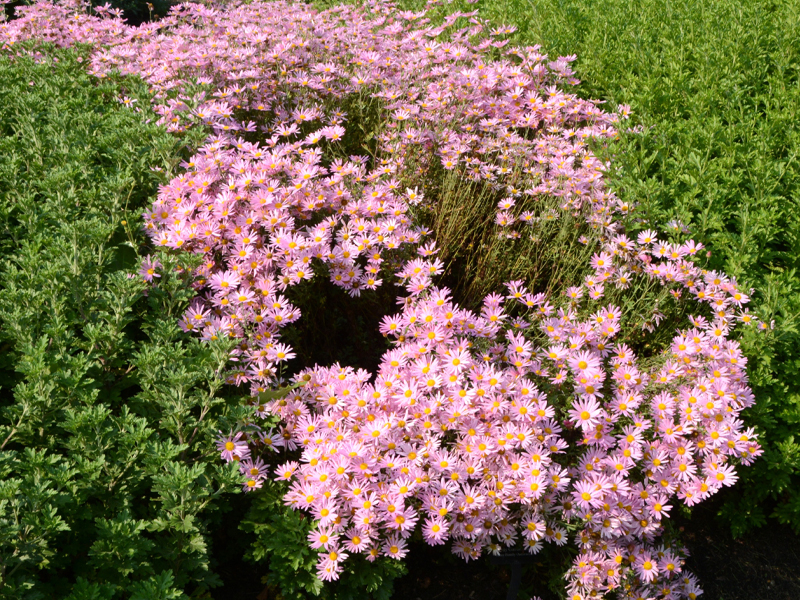
Chrysanthemum ‘Mary Stoker’
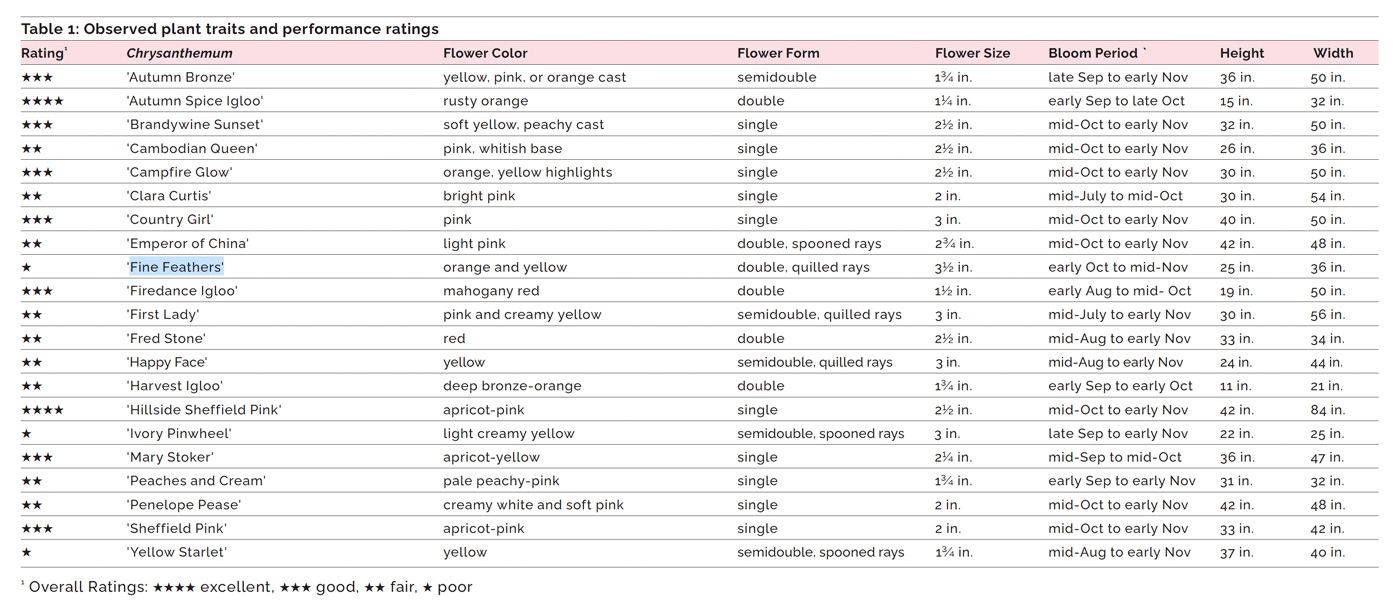
Chrysanthemums or mums are much more than the disposable potted plants that show up in garden centers and grocery stores in late summer and early autumn. These pot mums are bred and marketed as seasonal or ephemeral rather than perennial plants, whereas the less commonly grown garden mums are true perennials. Garden mums are sometimes called old-fashioned mums to distinguish them from the seasonal ones. Chrysanthemums have been cultivated and revered in China and Japan for centuries, first as medicinal herbs and later for their showy flowers. On their journey westward, floral mums were popular in Europe before arriving in America in the eighteenth century with many forms bred and developed along the way. The origin of the “modern” old-fashioned types dates to the early 1900s—some of the earliest cultivars such as ‘Clara Curtis’ and ‘Mary Stoker’ are still grown today. Beyond breeding, new cultivars have arisen over the years as mums have been passed along from gardener to gardener. Today, garden mums are less commonly represented in contemporary landscapes compared to seasonal pot mums.
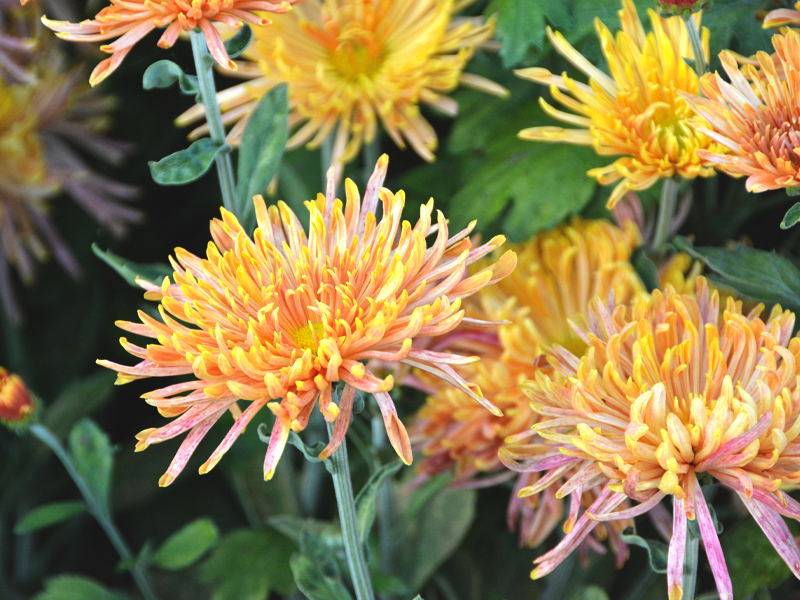
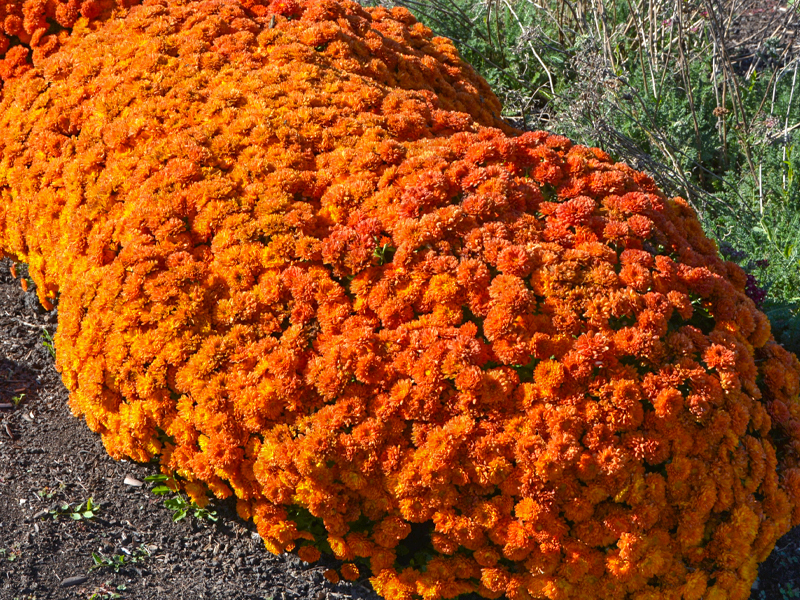
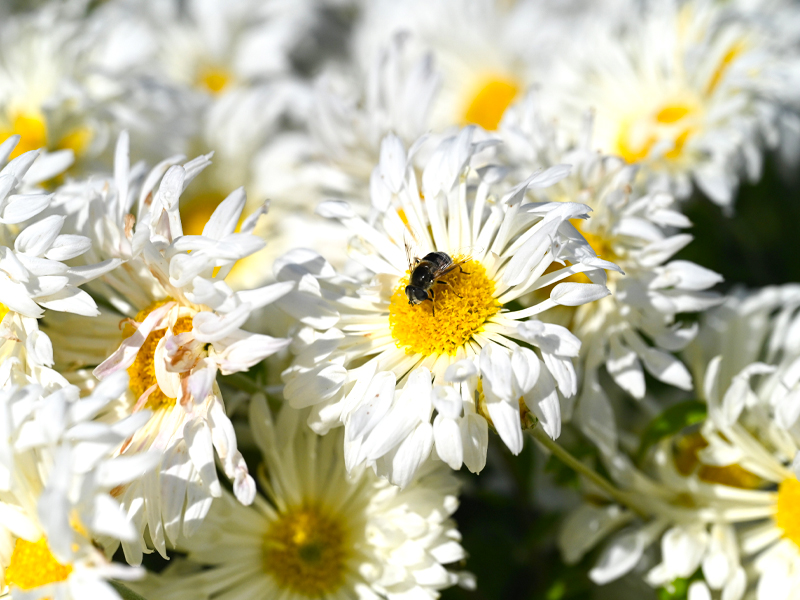
Chrysanthemum ‘Fine Feathers’
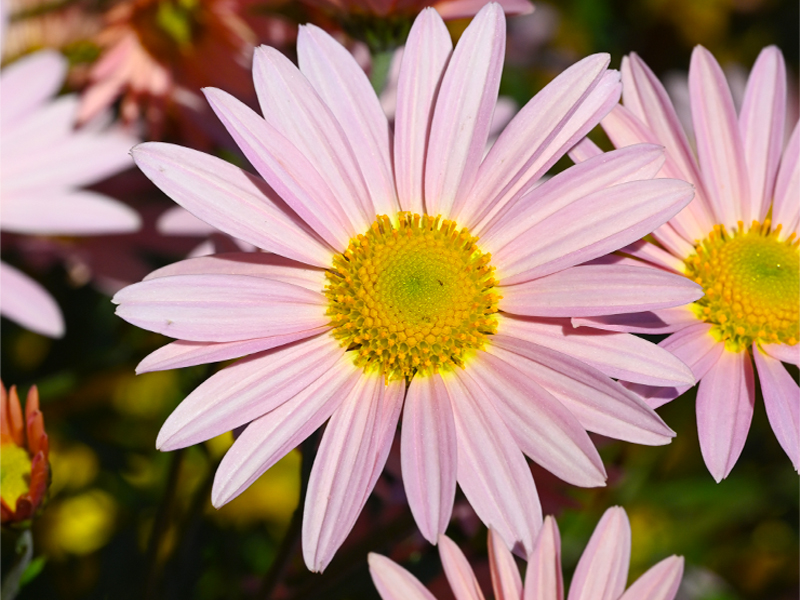
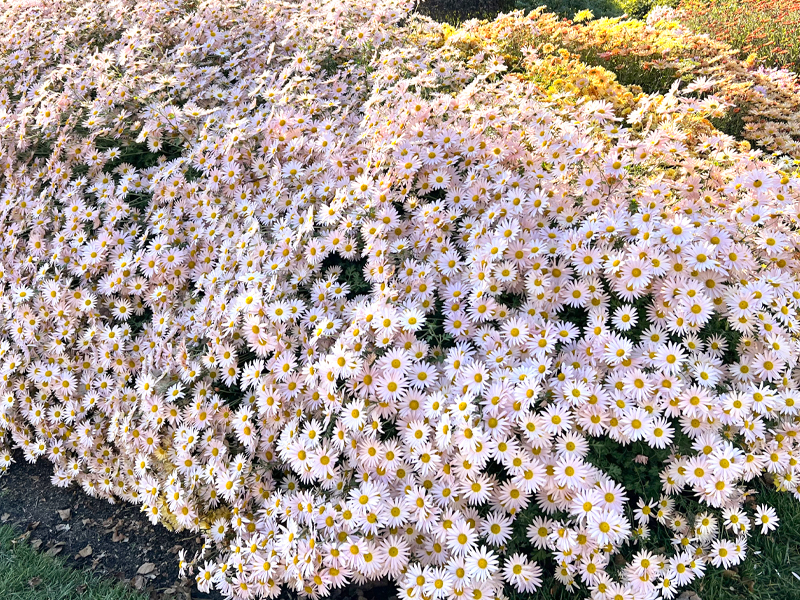
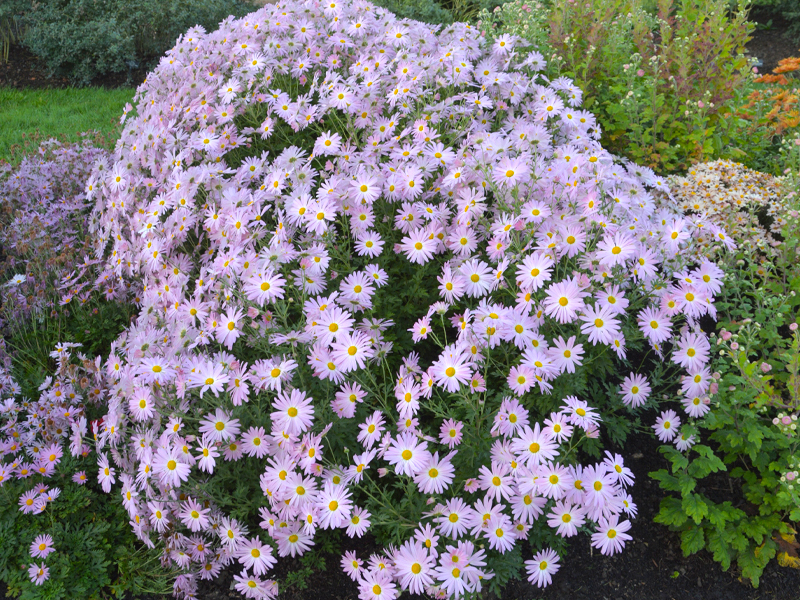
Chrysanthemum ‘Hillside Sheffield Pink’
Historically, Chrysanthemum—a member of the aster family (Asteraceae)— was a genus of approximately 200 species before being split up in the late 1990s; species were taxonomically reclassified under Ajania, Dendranthema, Leucanthemum, Leucanthemella, Nipponanthemum, Rhodanthemum, and Tanacetum. Later, the nomenclatural rule of conservation was applied over the rule of priority, resulting in Dendranthema reverting to Chrysanthemum.
Plants of the World Online cites 39 accepted species of Chrysanthemum native to Europe, Asia, and North America. Most of the garden mums in cultivation are hybrids, often of unknown or uncertain parentage, and sometimes with muddled or conflicting nomenclature. For example, ‘Hillside Sheffield Pink’ has been or is currently represented horticulturally as ‘Sheffield Pink' and ‘Hillside Pink Sheffield’ and is often confused with and/or misnamed ‘Apricot’ and ‘Single Apricot Korean’.
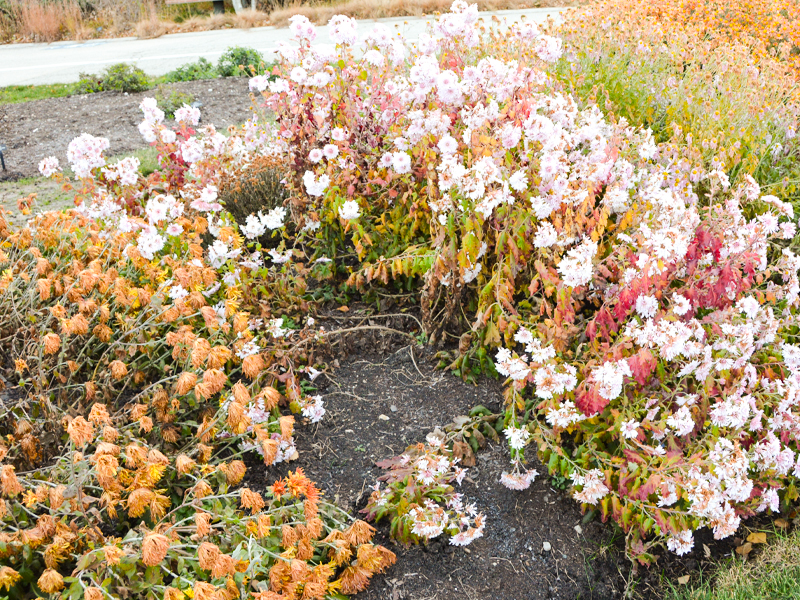
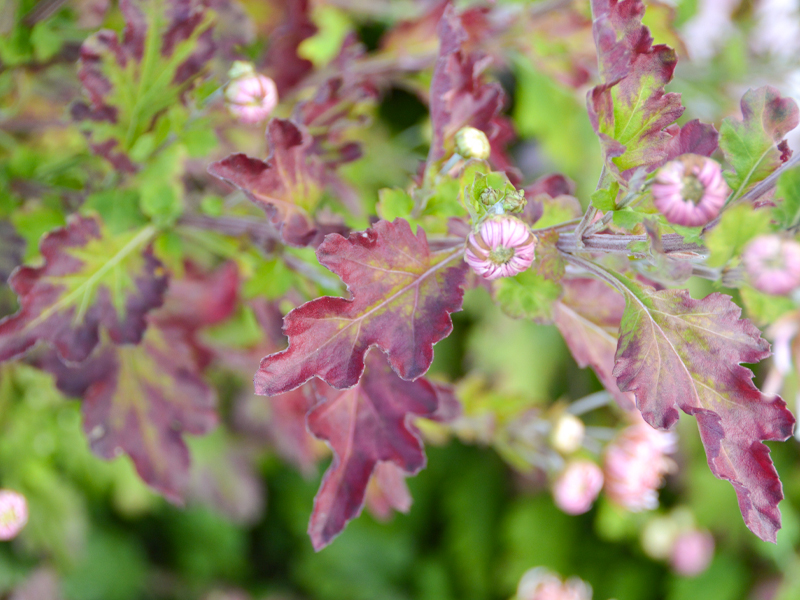
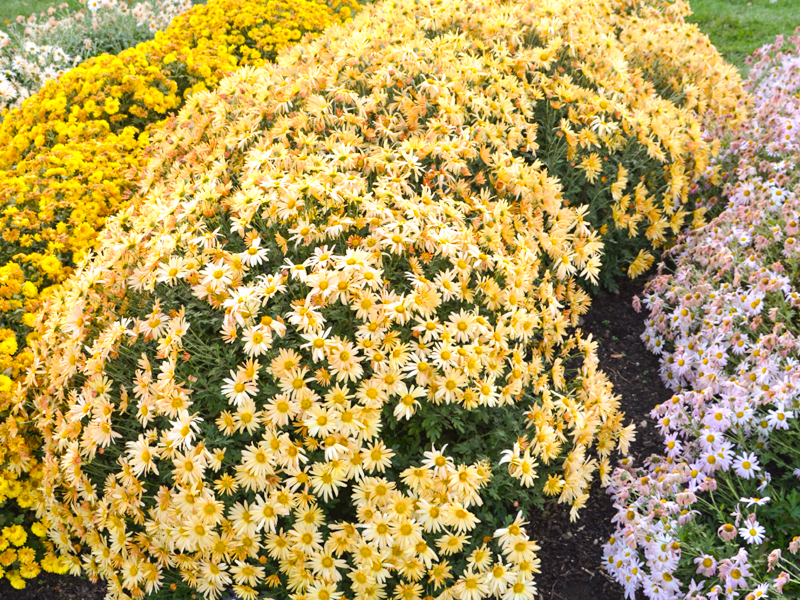
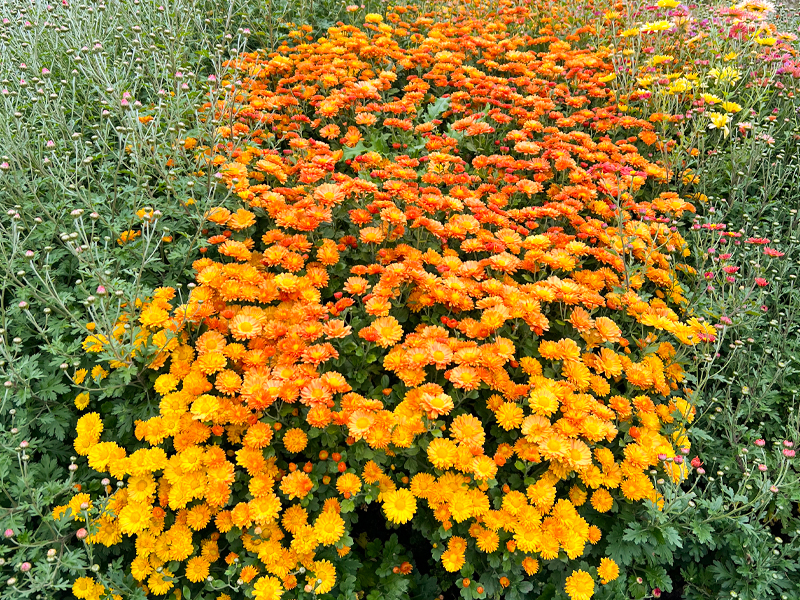
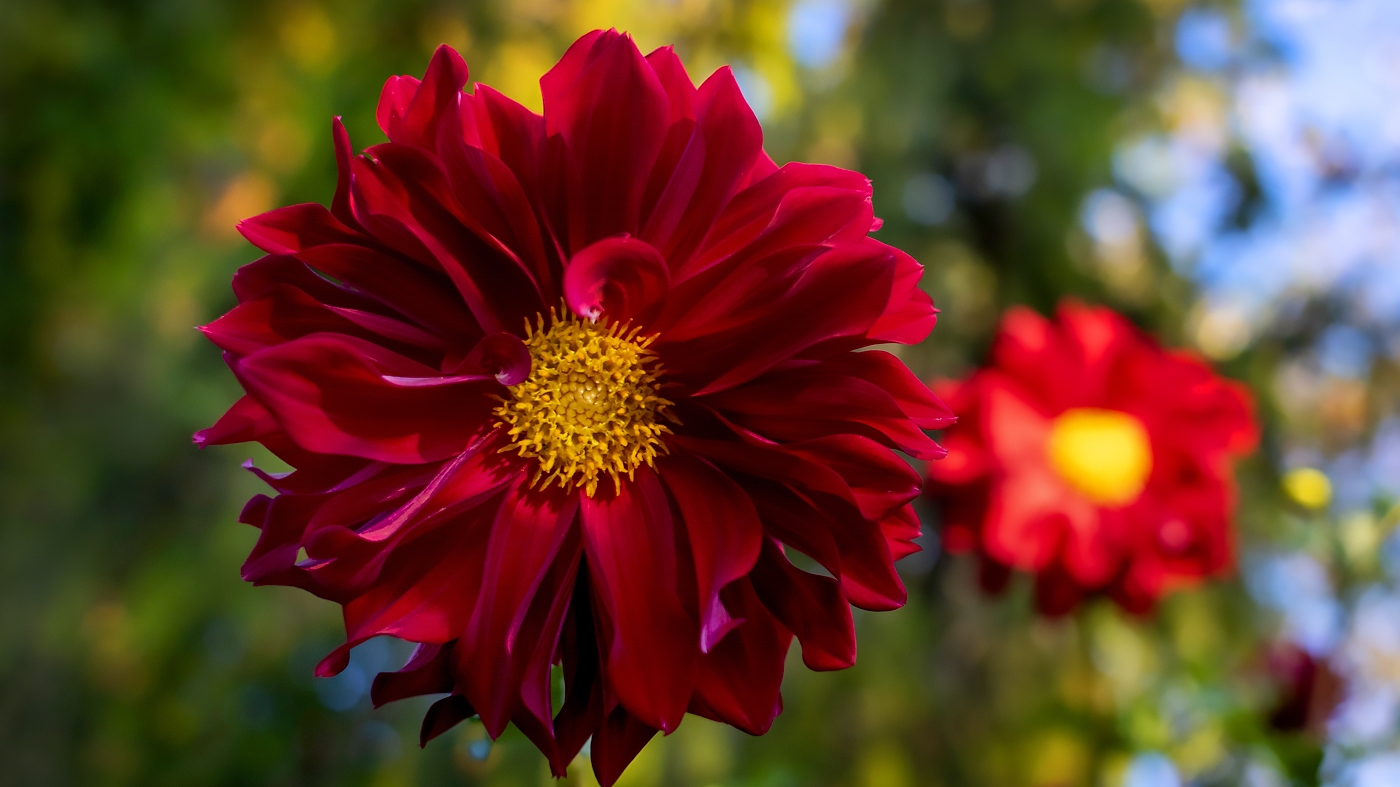
Chrysanthemum flowers come in a range of colors and shapes, from simple daisy-like to fanciful double quilled types. As with relatives such as coneflowers [Echinacea spp.] and sunflowers [Helianthus spp.], mum flowers have showy petal-like ray florets that surround a central boss of fertile disk florets. The colorful rays come in white, pink, red, purple, bronze, yellow, orange, and bicolors; disk florets are usually sunny yellow. Flower forms may be single, semidouble, or fully double with flat, spoon-shaped, or tubular (quilled) ray florets. The flowers may be solitary or held in loose clusters. Bloom periods vary by cultivar but in northern regions flowering commonly begins in late summer to early autumn and lasts to hard frost. The green leaves are lobed to pinnatifid, hairy, and strongly aromatic. Plant habits are bushy with branched stems and are typically rhizomatous. The fast growth rate commonly results in patchy crowns after a couple of years—crown division rejuvenates health and habit.
Garden mums are easy to grow in full sun, average to fertile, moist but well-drained soils, and neutral to alkaline edaphic factors. Wet or waterlogged soil, especially in winter, is detrimental to survival. Garden mums are hardy in USDA Zones 5-9, although winter injury can occur in colder regions, and autumnal frosts can end flowering prematurely. Pests and diseases such as aphids, thrips, spider mites, botrytis, leaf spots, stem and root rot, wilt, and aster yellows can be problems. Suggested maintenance includes pinching once or twice a season before flowering to control stem height and/or to delay bloom, dividing plants every two to three years as needed to promote vigor and fullness, providing discreet support to lessen floppiness—especially for tall cultivars—and culling seedlings to preserve floral purity. A loose mulch applied after the ground freezes is sometimes recommended for winter crown protection in colder areas but should be removed before growth begins in spring.
In gardens and landscapes, garden mums can be massed or placed as accents in borders and beds. Late-blooming perennials such as asters, goldenrods, Russian sages, and ornamental grasses make good companions. Chrysanthemums produce pyrethrum, which is a natural insect repellant, so mums are beneficial growing near vegetables. Mums are smothered in flowers at peak bloom and attract bees, flies, and butterflies—the late flowers extend the bloom season for gardeners and pollinators alike.
Five plants of each taxon were grown in side-by-side rows for easy comparison of ornamental traits and landscape performance. The evaluation garden was openly exposed to wind in all directions and potentially received up to 10 hours of full sun daily during the growing season.
Maintenance practices were kept to a minimum, thereby allowing the plants to thrive or fail under natural conditions. Trial beds were irrigated via overhead sprinklers as needed, mulched with composted leaves once each summer, and regularly weeded. Moreover, plants were not pinched, deadheaded, fertilized, winter mulched, or chemically treated for insects or diseases. Seedlings, once identified as such, were removed from the evaluation plot.
Sections
Trial Parameters
The Evaluation Report
Top-rated Chrysanthemums
Trial Details
Summary
Acknowledgments
Special thanks to our plant evaluators and photographers: Janice Becker, Patrick Dahl, and Gavin Young.
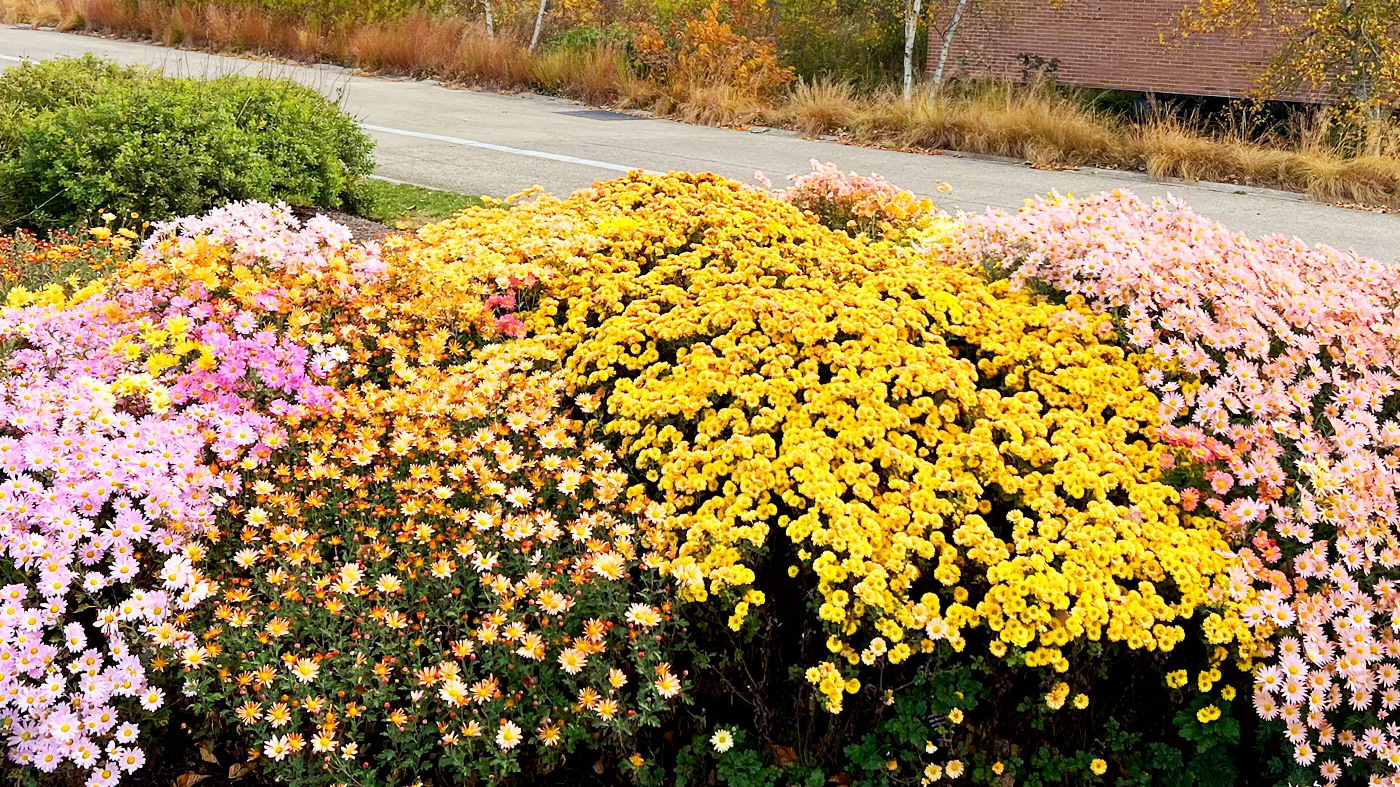
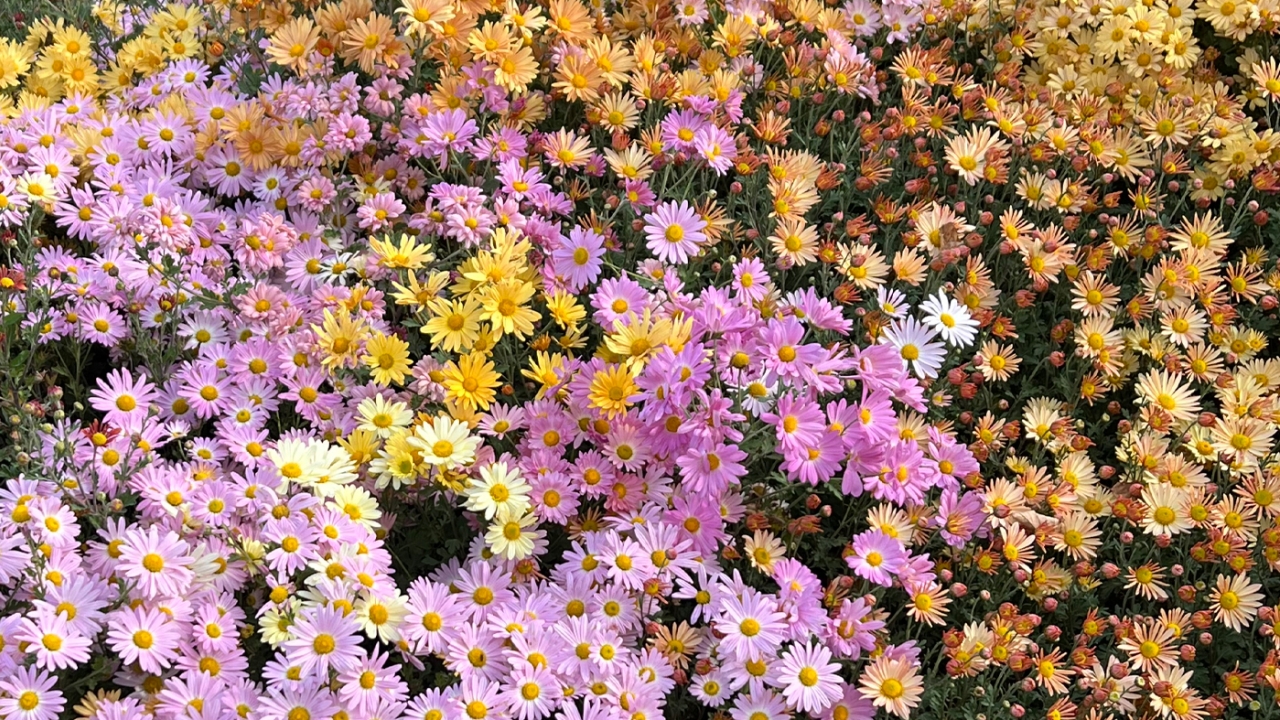
Cover photo: Chicago Botanic Garden mum trials, 2024 [photo by Richard Hawke]
References
Rice, G., editor-in-chief. 2006. American Horticultural Society Encyclopedia of Perennials. New York, NY: DK Publishing, Inc.
Royal Botanic Gardens Kew, Plants of the World Online. powo.science. kew.org/