Plants & Gardening
Garden Stories
Ready to rethink your lawn? Start now.
Interested in replacing your traditional turf with something beautiful, native, and eco-friendly? Garden scientists have ideas to help you make it happen. Start planning now for winter seeding and spring planting.
Several years ago, we introduced readers to Rethinking Lawns, a project by Garden scientists and collaborators that’s digging deep into turfgrass alternatives. Since then their research has bloomed and they’ve published their Rethinking Lawns guide to help you embark on your own project—and believe it or not, the off-season is a great time to get started with some simple first steps.
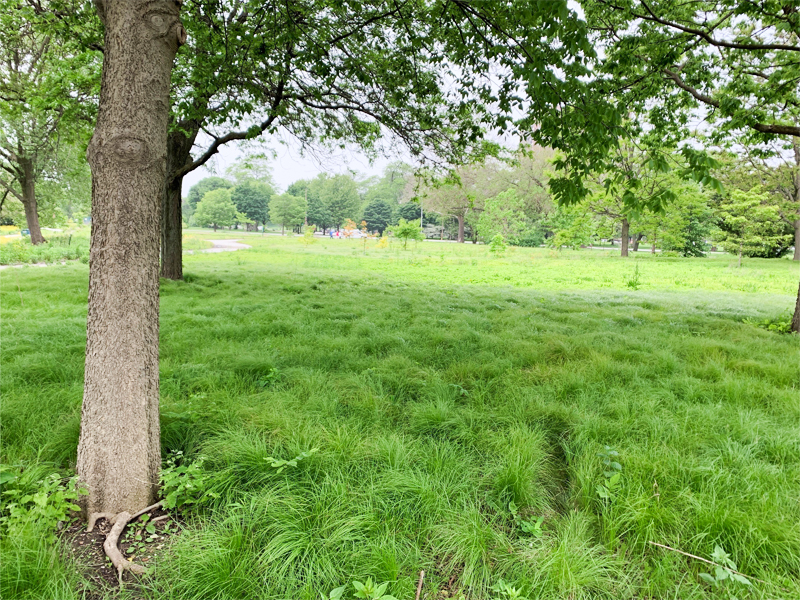
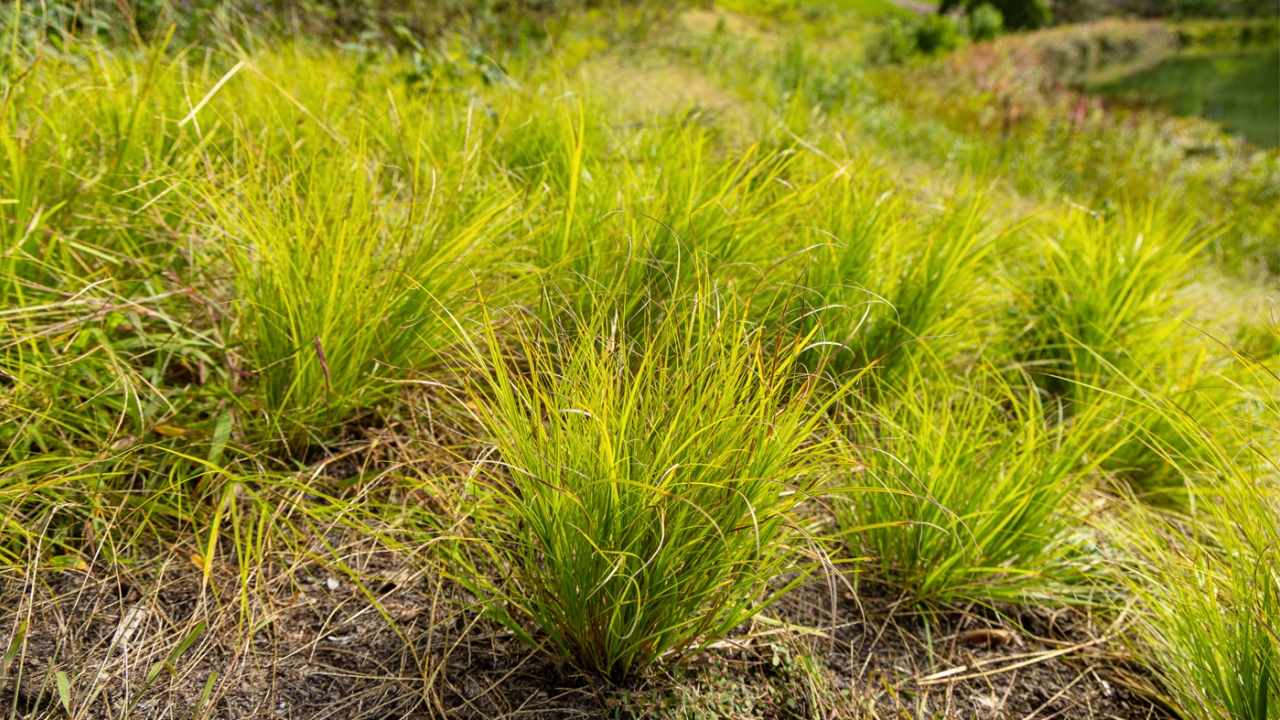
A sedge lawn example, planted by the Rethinking Lawns team at Chicago’s Jackson Park
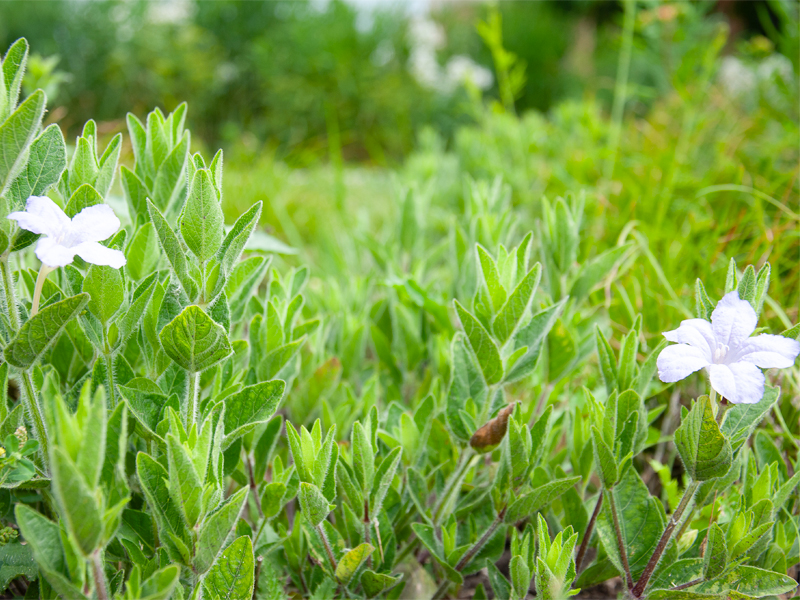
Wild petunias, a low-growing native species that can be planted into lawns
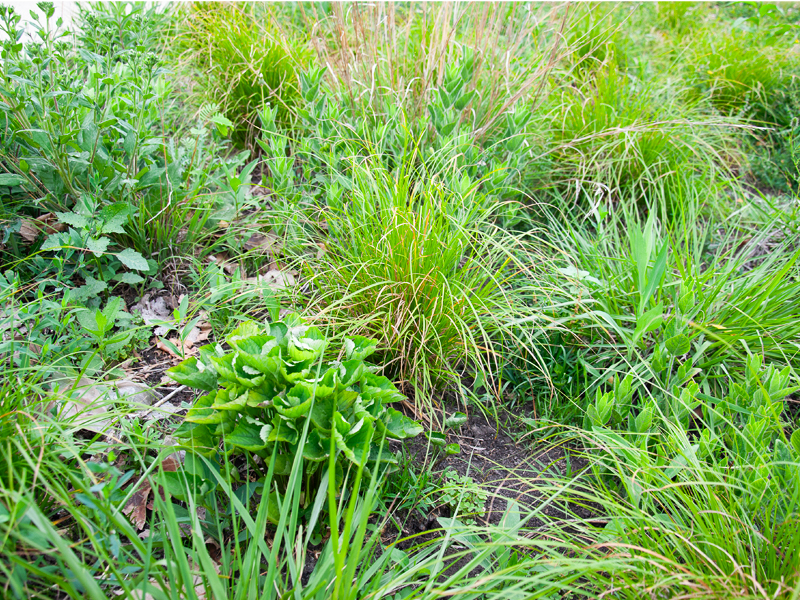
A native meadow mix as a beautiful and sustainable lawn alternative
Your fall & winter to-do list
Tackle these items to get a head start on reimagining your lawn; it doesn’t have to wait until spring!
- As you do your fall cleanup, look around for spaces you’d love to transform. “What would expanding your flower beds look like, or, is there a section in one little corner [of your lawn] that would look really nice?” said Liz Anna Kozik, Ph.D., research scientist with the Rethinking Lawns project. You don’t have to overhaul your entire space at once; start small, see what you like, learn how to take care of it, and you can always expand in subsequent years.
- Once you settle on a location, use the Rethinking Lawns guide to figure out which species you want to use. From sedges to low-growing prairie plants, it’s the ultimate beginner’s guide if you’re interested but not quite sure where to start.
- Looking at plugs to plant in spring? Many native species, like sedges, are easiest and cheapest to plant as plugs—and you’ll need to preorder early from many nurseries, often in December through January or February. Online nurseries will be your best bet; the Rethinking Lawns guide lists some options.
- Looking to start from seed? As native plant nurseries collect seeds by fall, they’ll often put those seeds up for sale in October through January. “That’s when all the cool species are going to be up to purchase,” said Kozik. Some natives need a cold season before they’ll germinate, and most will do better if they experience winter before spring sprouting. You won’t want to spread seeds too early since, given our shifting climate, you might risk early germination in fall; wait until it snows to guarantee a winter season for your seeds.
In addition to our team’s guide, check out the Illinois Native Plant Society for info on nurseries and native plant sales. As interest grows, options grow, too.
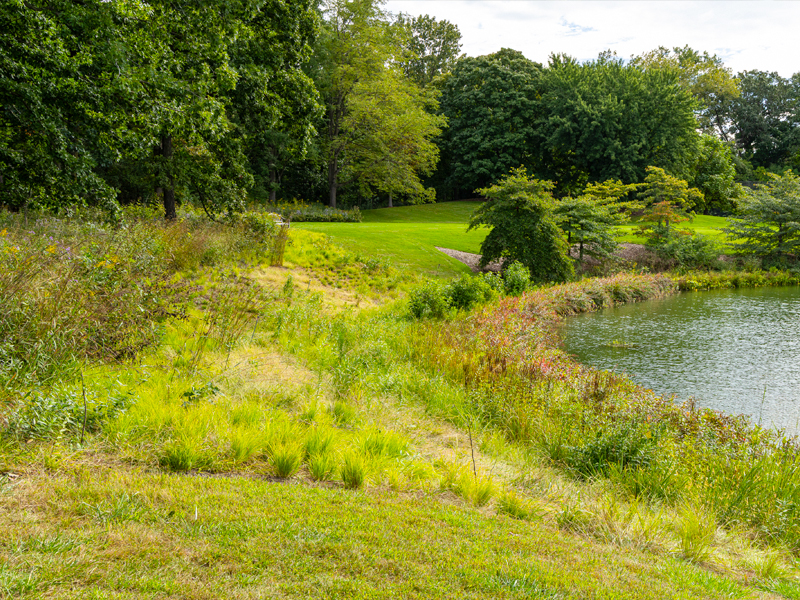
A patch of shoreline converted from lawn to sedges and other native plants this year at the Garden
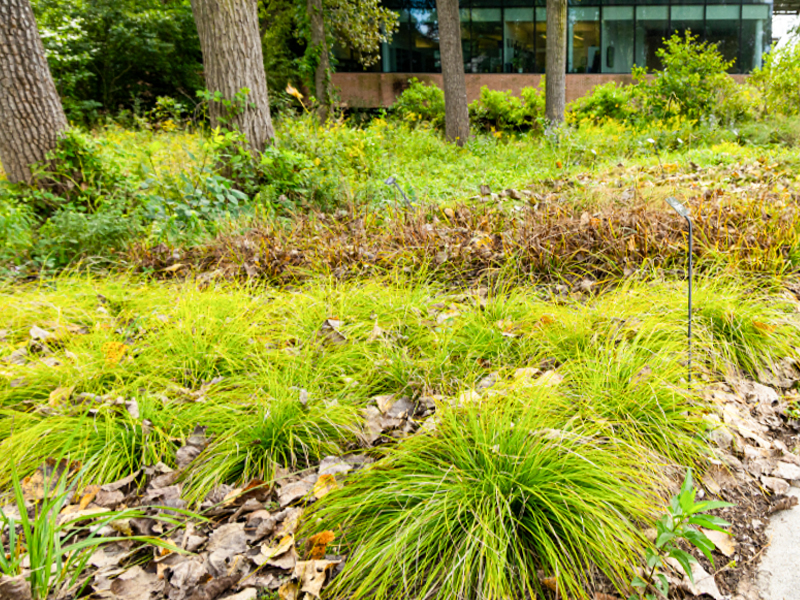
Sedge Way in fall, outside the Plant Science Center
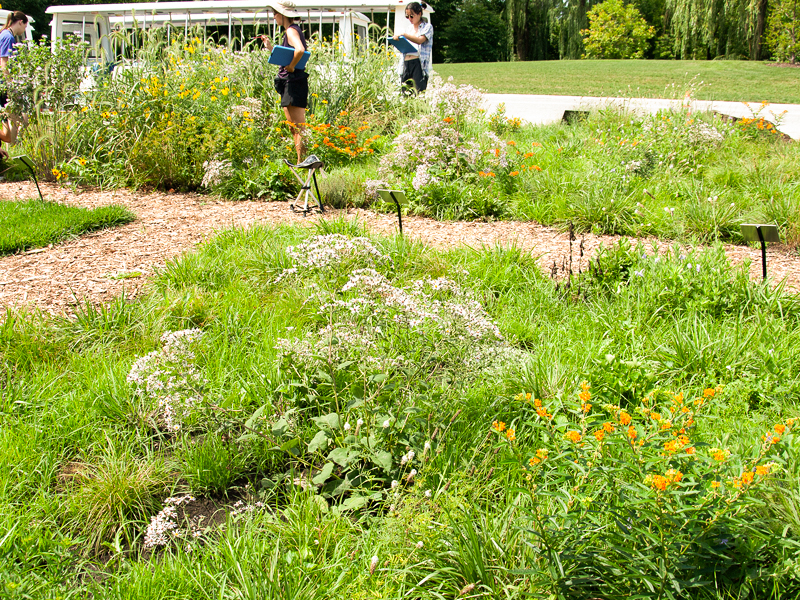
The Rethinking Lawns research site at Garden’s Glencoe campus
See it in action at the Garden
It’s not just Garden scientists who want to reimagine lawns; our Natural Areas and Horticulture teams are working to develop new areas of converted lawn across the Garden.
“It’s definitely a reflection of the fact that there’s a lot of interest, and among Garden visitors, there’s some broadening of perspective in terms of people’s comfort with having a lawn be something else,” said Becky Barak, Ph.D., conservation scientist with the Rethinking Lawns project. In addition to homeowners, the lessons learned here can act as templates for park and forest preserve districts and other institutions that oversee a lot of land, making for potentially widespread impact.
This year at the Garden, the Natural Areas team planted native perennial sedges in a turf conversion project where McDonald Woods meets the shoreline; what used to be turf is now an expanse of thriving sedges and other native plants.
And over near the Plant Science Center, what Becky and her team are fondly calling “Sedge Way” features 16 sedge species that were planted last year using seed from the Dixon National Tallgrass Prairie Seed Bank, grown out by the Garden’s Plant Production team. “One year later, many of the species are thriving,” Barak said. “This year, we were able to collect seed from these sedge plots as well.”
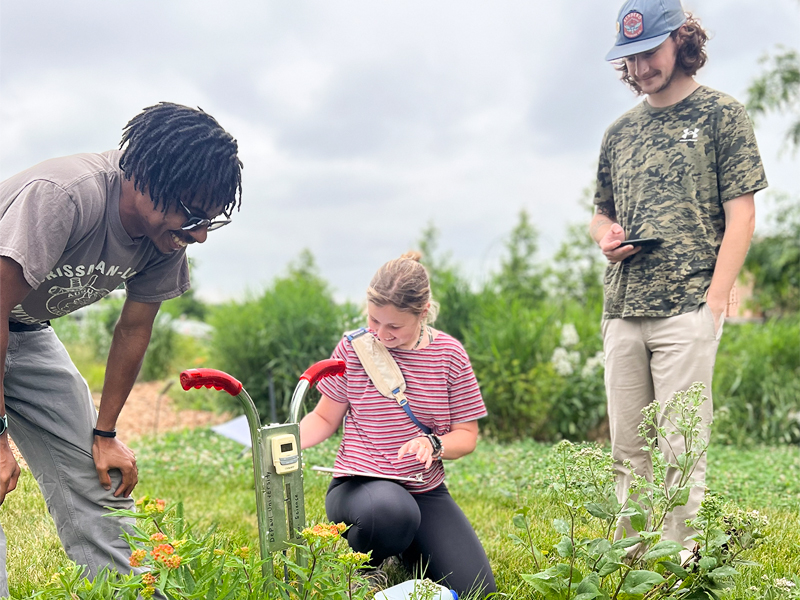
The Rethinking Lawns scientists also maintain experimental plots at the Garden, where they collect data on the ecological benefits and climate resilience of all the species they’re studying in their research. And it doesn’t end there; additional turf conversion projects are in conversation at the Garden for other areas, too—not to mention in Chicago Park District locations all over the city, including Museum Campus. It’s a movement we only expect to spread.
Why rethink your lawn?
So many reasons!
Native plants are better adapted to Chicago’s climate, both the flooding and the droughts, with deeper root systems that require less watering and less mowing—which means less maintenance, plus less water and gas use for a more sustainable option. Students in the joint graduate program in plant biology and conservation through Northwestern University and the Chicago Botanic Garden are conducting research as part of the Rethinking Lawns team, and Ph.D. student Brian Lovejoy has been researching water infiltration. Taken together with the Rethinking Lawns field plot data, his research shows that lawn alternatives are better at moving water into the soil, which can help prevent flooding.
If you love butterflies and bees, native plants are ideal for pollinators; the Bees on the Block project by Ph.D. student Libby Shafer, a collective planting project by a group of neighbors in Evanston, is continuing to gather data on how pollinators thrive when lawns are overseeded with native plants.
Not to mention aesthetics. Lots of native plants like sedges change with Chicago’s seasons, from fresh plugs in spring and lush looks in summer to subtle color changes in fall and textural interest throughout winter. If you’re looking for something with character, this is for you.
Follow along for more!
Come back for Part 2 of this blog in spring 2027, when we’ll talk about additional steps you can take to reimagine your lawn when the growing season kicks in. And in the meantime, start planning, start ordering if you want to give it a try, and start dreaming of a healthier, happier lawn.
The Rethinking Lawns team has been researching lawn alternatives since 2021, with additional studies and findings blooming every year.