

News
Garden Stories
Concerned About a Lettuce Recall?
Grow Your Own Starting Now
A microscopic parasite called cyclospora put lettuce in the headlines for all the wrong reasons this summer. A multistate outbreak raised new concerns about the safety of fresh produce.
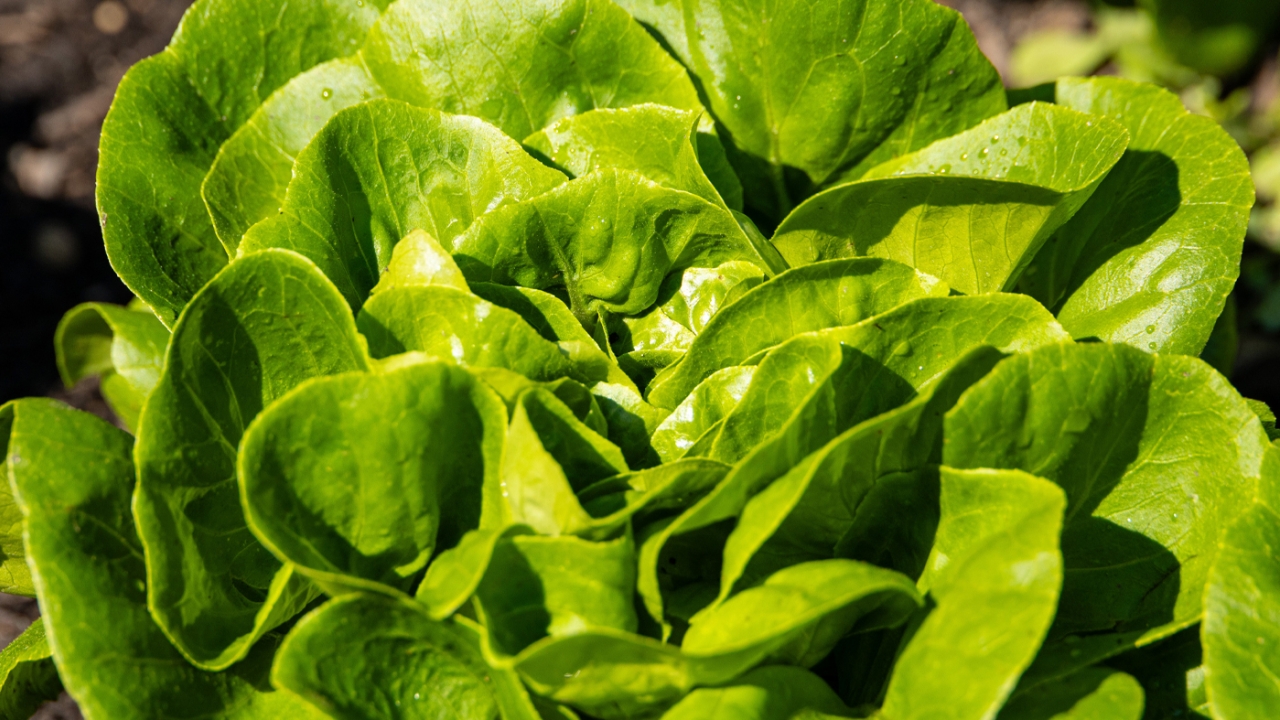
Fortunately, late summer into fall happens to be an ideal time in the Chicago area to grow your own lettuce. With a few seeds and a little know-how, you can harvest fresh greens well into fall.
“Lettuce likes cooler weather because it tends to ‘bolt’ in the heat, meaning it grows tall and flowers,” said Iris Michael, the Chicago Botanic Garden’s senior manager of Garden partnerships. Although bolted lettuce is still edible, its flavor becomes more bitter.
When to plant
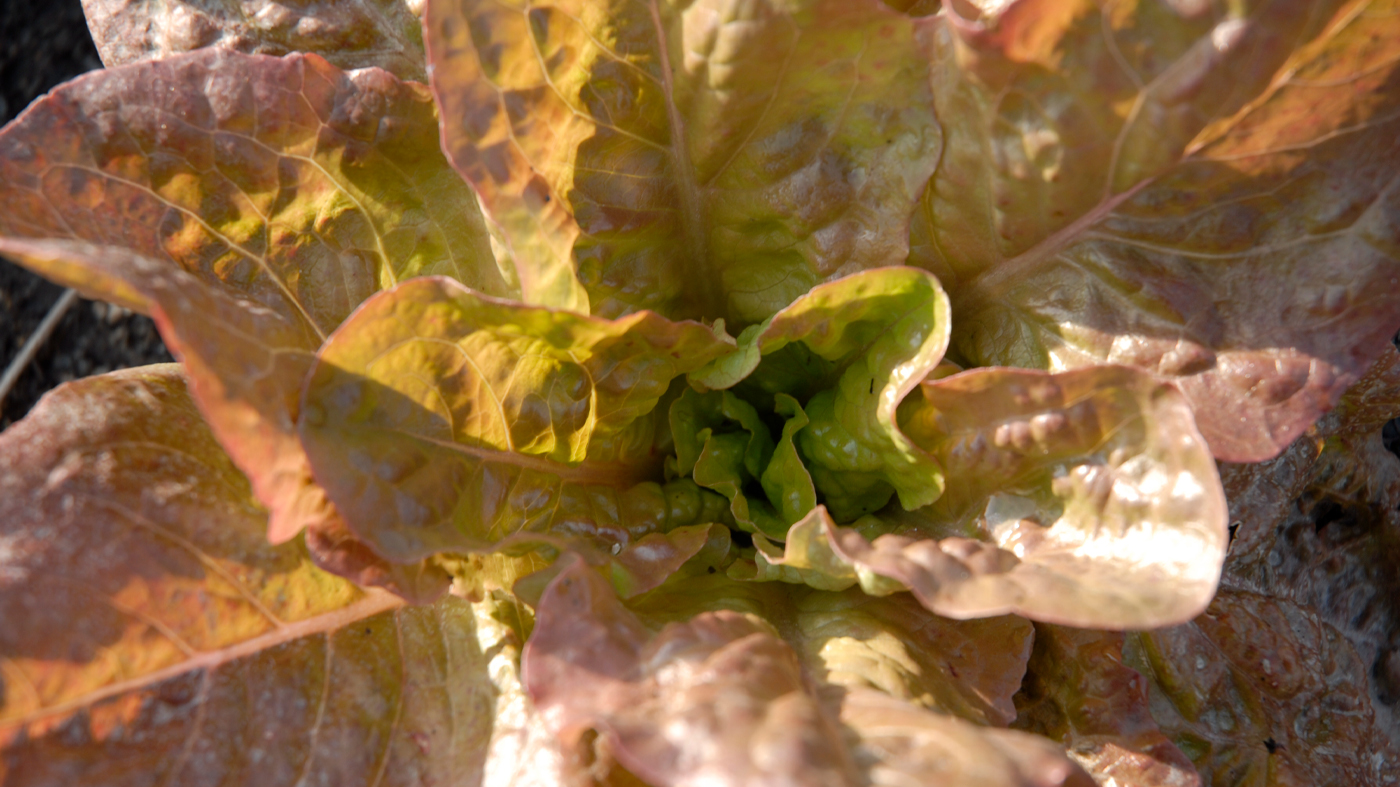
As a general rule, plant lettuce at least eight weeks before the expected first frost. Check the instructions for your particular variety since growing times can vary. Even Chicago and its suburbs fall into slightly different USDA growing zones.
If you’re new to lettuce, romaine is a reliable choice. Many cold-tolerant varieties are especially well suited to fall, including Winter Density.
- Full-head lettuce: mid-August through early September
- Small-head varieties such as Little Gem romaine: through late September
- Looseleaf, or cutting greens, such as Black Seeded Simpson and Salad Bowl: through early October
Michael and her team, which oversees the Eleanor Roosevelt Fruit and Vegetable Garden at the Obama Presidential Center, are growing the varieties Landis Winter, Rouge d'Hiver, and Merlox this year.
Start with seeds
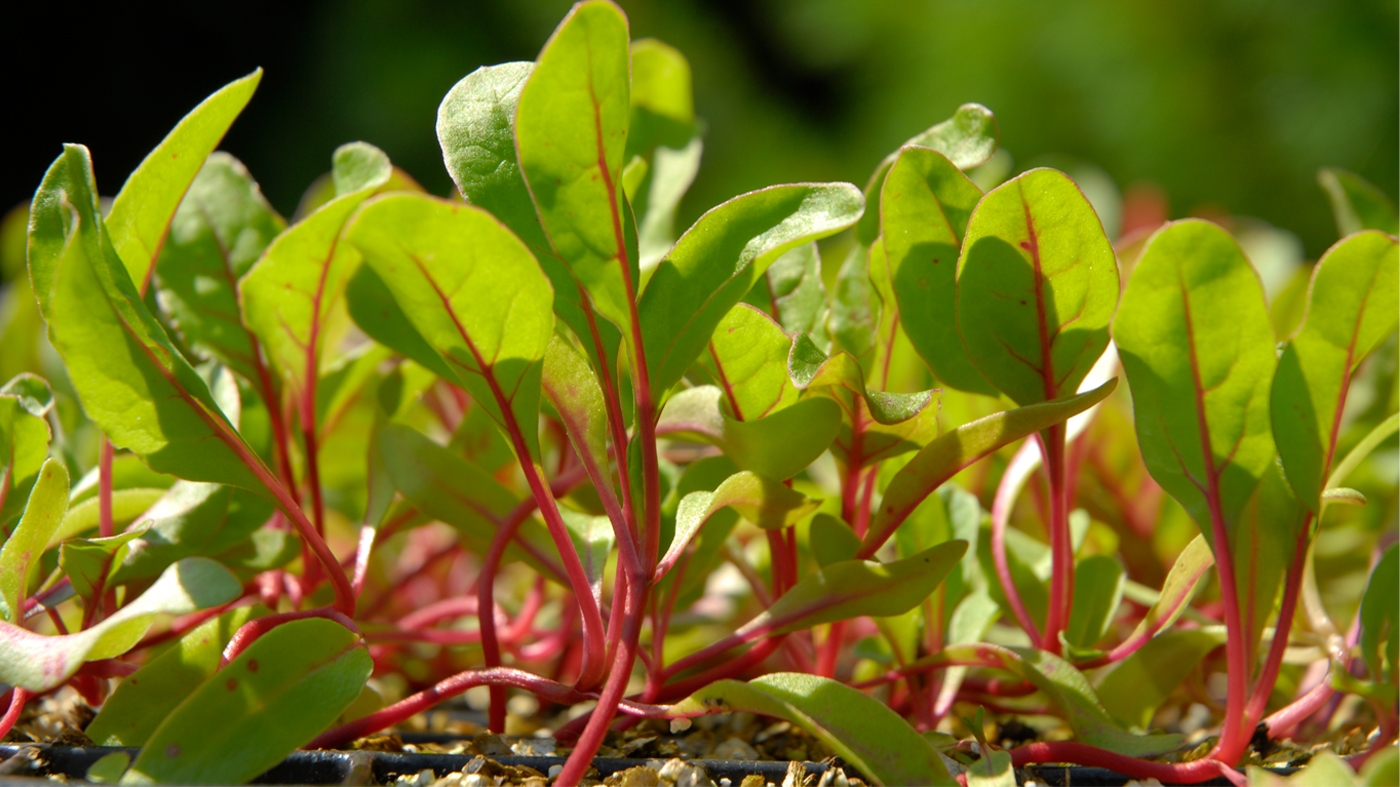
Most lettuce varieties can be seed-sown directly in the garden or started indoors and transplanted outside after a few weeks.
- Full heads: Space plants 8 to 12 inches apart. Michael recommends planting two seeds together in case both don’t germinate, then thinning to the stronger plant later.
- Baby greens (lettuce that is picked early when leaves are small and young): Plant about two seeds per inch and harvest young
- Cutting greens (individual leaves): Plant about two seeds per inch and harvest young
Keep the soil consistently moist while seeds are germinating and young plants are getting established. Daily watering may be necessary at first. Once established, water deeply every two to three days, adjusting for rainfall and weather conditions.
And check the date on that half-used seed packet before planting. Lettuce seeds have a relatively short shelf life of just one to two years. To test older seeds, place about 10 in a damp paper towel for a few days to see how many germinate.
Find a sunny spot
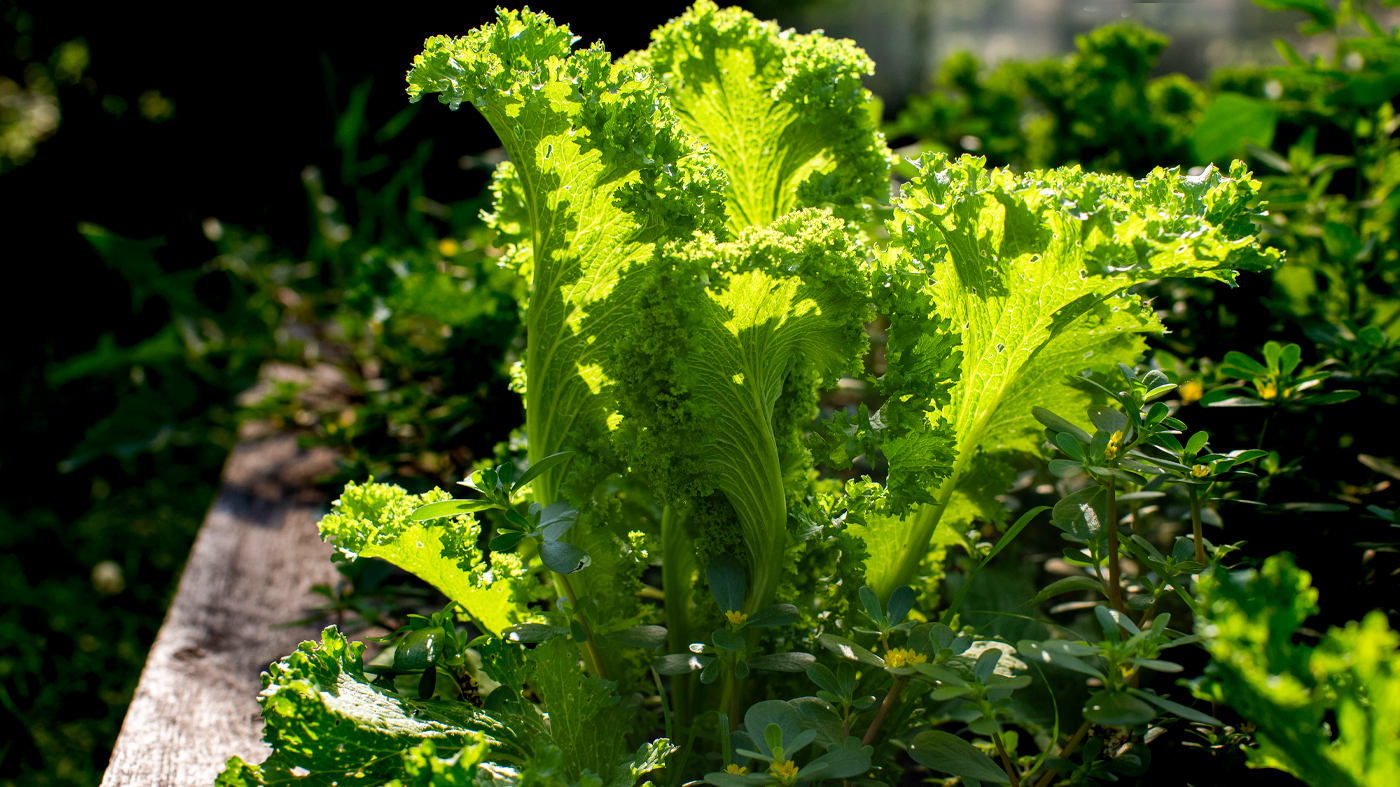
Full sun is ideal for fall lettuce, although some varieties can grow in partial sun—they’ll simply take longer to mature. As autumn progresses, the sun sits lower in the southern sky, making south-facing gardens a good choice.
No vegetable garden? No problem. Lettuce grows well in raised beds and containers and can even be grown in a window box, making it a good choice for gardeners with limited space.
For containers, provide at least 6 inches of good-quality soil or compost and pay particular attention to drainage. Make sure pots have holes in the bottom so excess water can escape.
Harvesting your lettuce
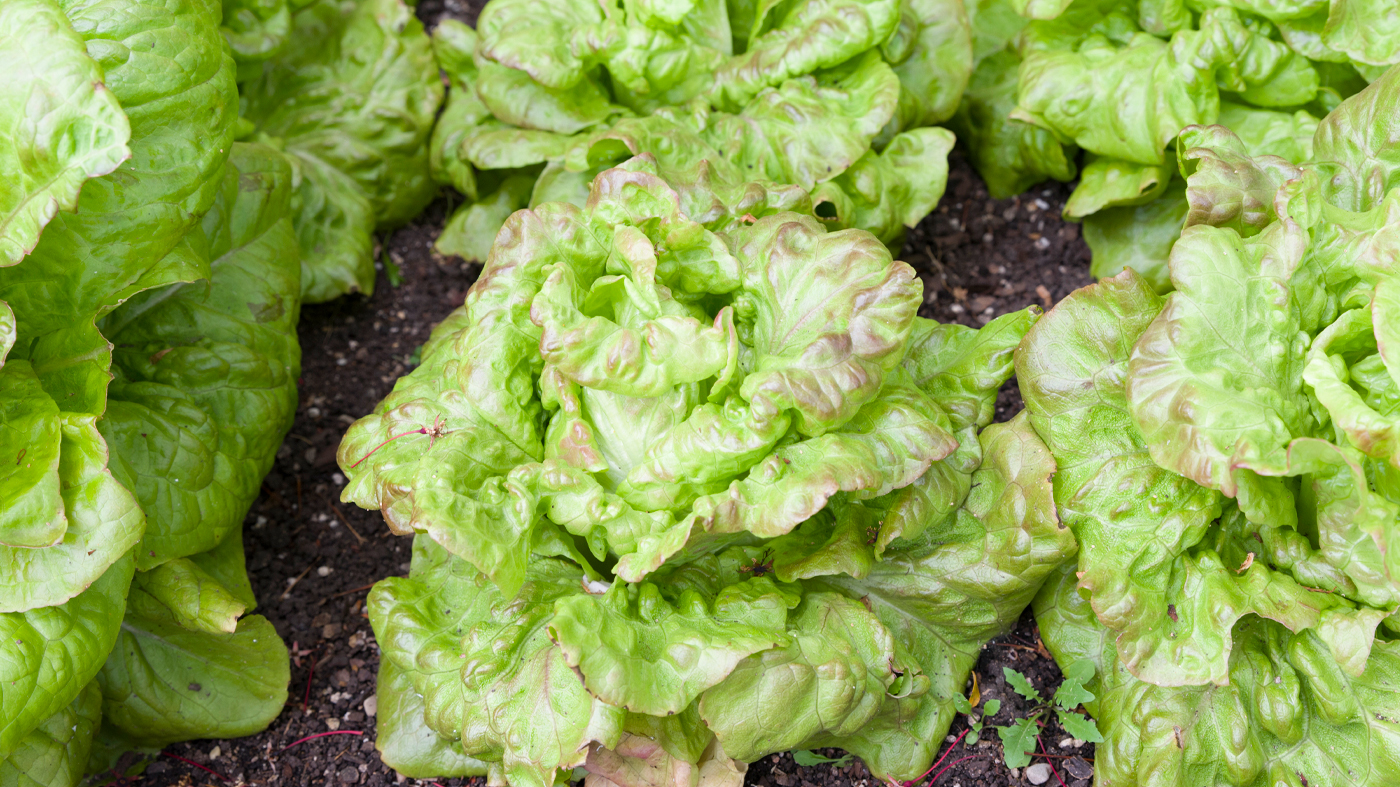
Plant early enough and you can still harvest full heads this fall. Lettuce planted by mid-September can potentially reach full size, although weather conditions can always affect the timing.
For late-September planting, Michael recommends baby greens. Because they’re harvested while the leaves are still small and tender, they need less time to mature before cold weather arrives.
And don’t assume the first chilly night means the end of your lettuce crop. Cold-hardy varieties can survive a light frost. Michael recommends adding protection when temperatures are expected to remain below about 30 to 32 degrees Fahrenheit for a sustained period.
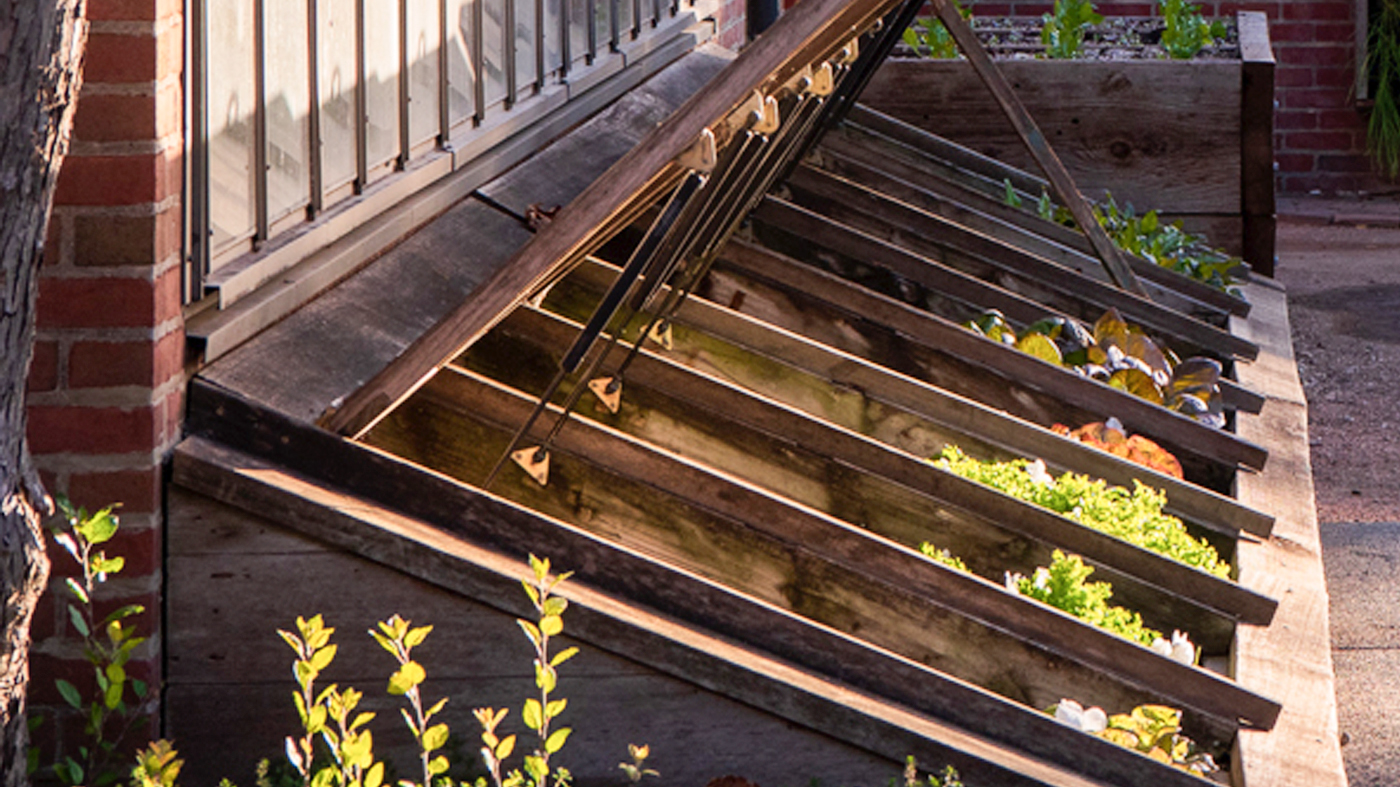
Extend the growing season
Gardeners often use cold frames or row covers to help protect lettuce as temperatures fall, but extending the harvest doesn’t require specialized equipment.
Lightweight woven fabric can be draped over plants and supported with stakes, leaving some space for airflow. Mulch around the plants can provide additional protection.
You can even turn an empty milk jug or similar container into a miniature greenhouse known as a cloche (French for "bell"). Place it over the plant and remove the cap during warmer daytime hours to provide ventilation.
One more trick may seem counterintuitive: Water your lettuce thoroughly before a freeze. “The more water, the longer it takes to freeze,” Michael says. Moist soil can help protect your plants as temperatures dip.
By the time tomatoes, peppers, and other summer favorites begin winding down, your lettuce can just be hitting its stride. With the right varieties, good timing, and a little protection from the cold, you can enjoy cool, crisp greens at your table well into fall.