Plant Science &
Conservation
Garden Stories
Reverse the Red Day 2026
Chicago Botanic Garden, The Morton Arboretum pledge to safeguard threatened species for Reverse the Red Day
What does an orchid in Malaysia have in common with an oak in Mexico? Both have found their way onto the International Union for Conservation of Nature (IUCN) Red List of threatened species.
They have also found their way into plant conservation research at institutions thousands of miles away. The Chicago Botanic Garden and The Morton Arboretum are pledging to safeguard these species as part of Reverse the Red Day, a worldwide celebration of conservation success held annually on February 7th.
Reverse the Red is a global movement that brings together a diverse coalition of leading scientists, advocates, and partners committed to using a data-driven and science-based approach to assess, plan, and act for species conservation. In declaring this year’s Reverse the Red Species Pledges, the Garden and the Arboretum are deepening their commitment to advancing collaborative plant conservation strategies locally and globally.
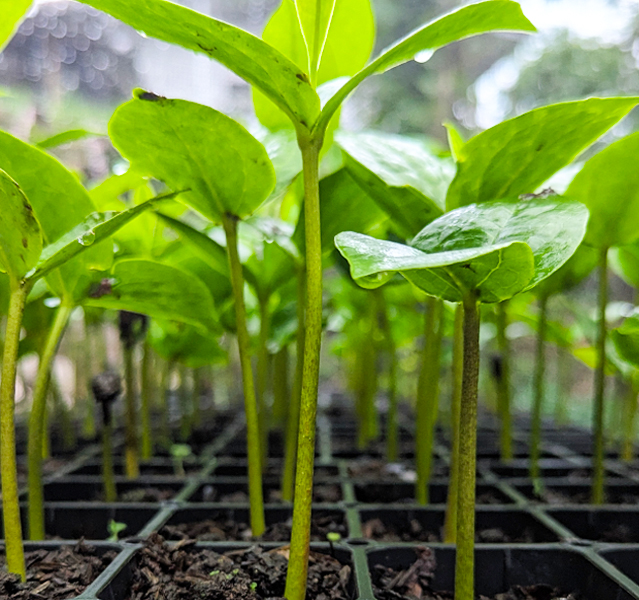
Magnolia dixonii
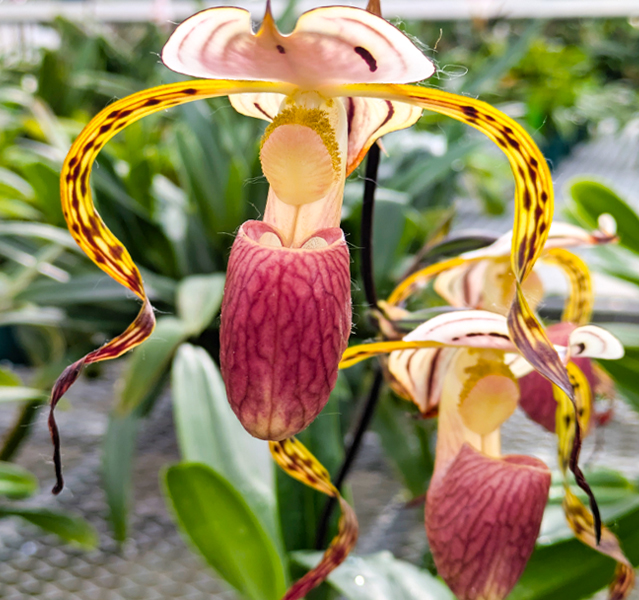
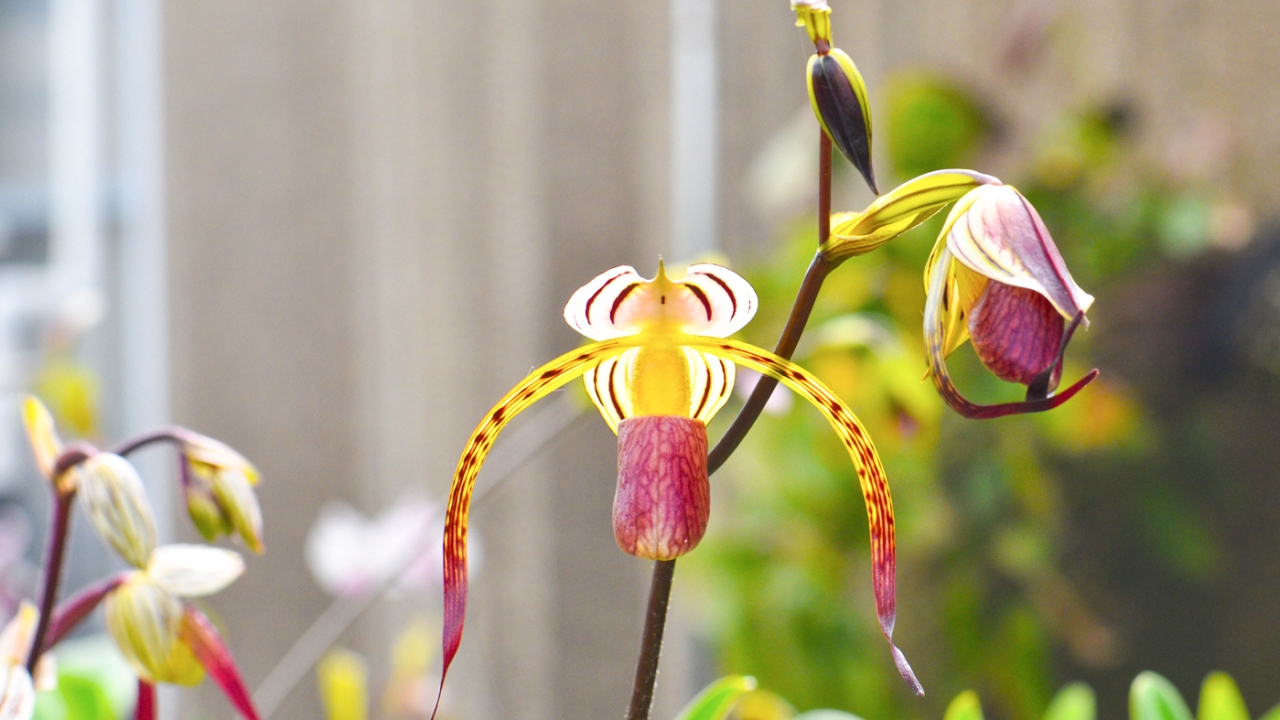
Paphiopedilum stonei
Chicago Botanic Garden’s Reverse the Red Species Pledges
The Garden pledged to protect Cucharillo (Magnolia dixonii), an endangered canopy tree of northwestern Ecuador’s Tumbes-Chocó-Magdalena hotspot, and Stone’s Paphiopedilum (Paphiopedilum stonei), a critically endangered orchid of inland cliffs and mountain peaks in Malaysia.
Conservation of Cucharillo is done in partnership with Fundación Jocotoco and Atlanta Botanical Garden. Seed of this species is very difficult to collect due to rugged terrain, so collections, and the resulting restorations, often come from just a few maternal trees. The Garden is assessing genetic diversity in collections to design restored populations that capture sufficient genetic diversity for the species' long-term resilience.
Conservation of Stone’s Paphiopedilum is done in partnership with San Diego Zoo Wildlife Alliance. The Garden’s orchid collection includes several red-listed Paphiopedilum species. As part of the Botanic Gardens Conservation International (BGCI) Paphiopedilum working group, the Garden is one of the largest Paphiopedilum collection holders in the United States. Because Paphiopedilums produce flowers sporadically and small collections rarely contain another synchronous bloom, the Garden is exploring strategies to prevent inbreeding and preserve genetic diversity. Through the creation of plant pedigrees and the Garden’s pollen bank, we are helping to extend the lifespan of pollen so it can be used when other plants bloom and share pollen with other institutions to make more genetically informed crosses. The Garden recently shared pollen with the San Diego Zoo and if seeds develop, they will be shared to enhance the genetic diversity of collections across institutions.
“Strong partnerships are essential to preventing plant extinctions,” said Jeremie Fant, director of conservation at the Chicago Botanic Garden. “Well-managed collections in botanic gardens serve as active conservation tools that support research, restoration, and long-term recovery. None of this work happens in isolation—collaboration among gardens, researchers, and local partners is what allows us to produce meaningful conservation outcomes.”
More information regarding can be found at The Morton Arboretum's Reverse the Red species pledges.
What’s Next for Worldwide Conservation: The 9th Global Botanic Gardens Congress
Looking ahead to 2027, the Garden and the Arboretum will cultivate connections to accelerate crucial conservation work by co-hosting the botanical garden community in Chicago, in partnership with BGCI, at the 9th Global Botanic Gardens Congress. This will be the first time the Congress, scheduled for Aug. 2-6, 2027, will be held in North America in 27 years.
The institutions will welcome delegates from among the world’s 3,000 botanical gardens to Chicago for a week of themed discussions around the role botanical gardens play in habitat restoration in both wild and urban built environments. For details about the event, visit botaniccongress.org.