Backyard Farm to Table: Garden Fresh
Kitchen Gardens
It's possible to fit a “kitchen” garden into an already busy lifestyle, making gardening an easy and enjoyable part of your routine. The goal is to keep things small and manageable. If you’re just starting out, you may only want one or two tomato plants and some pots of herbs. You can add more as your space and time permit. Grow what you enjoy eating.
Our bounty at home starts in early May with leafy greens, followed by radishes, beets, carrots, and peas. In turn, they are followed by peppers, eggplant, cucumbers, tomatoes, squash, potatoes, onions and garlic. It ends in late October with the last round of winter squash, as well as delicate Thumbelina carrots, more peas, lettuce, spinach and chard. Haven’t started your veggies yet? Buy a few tomato plants or seed packets of cucumbers, squash and beans and plant or sow them this month for a harvest later this summer.
Thinking Outside the (Flower) Box
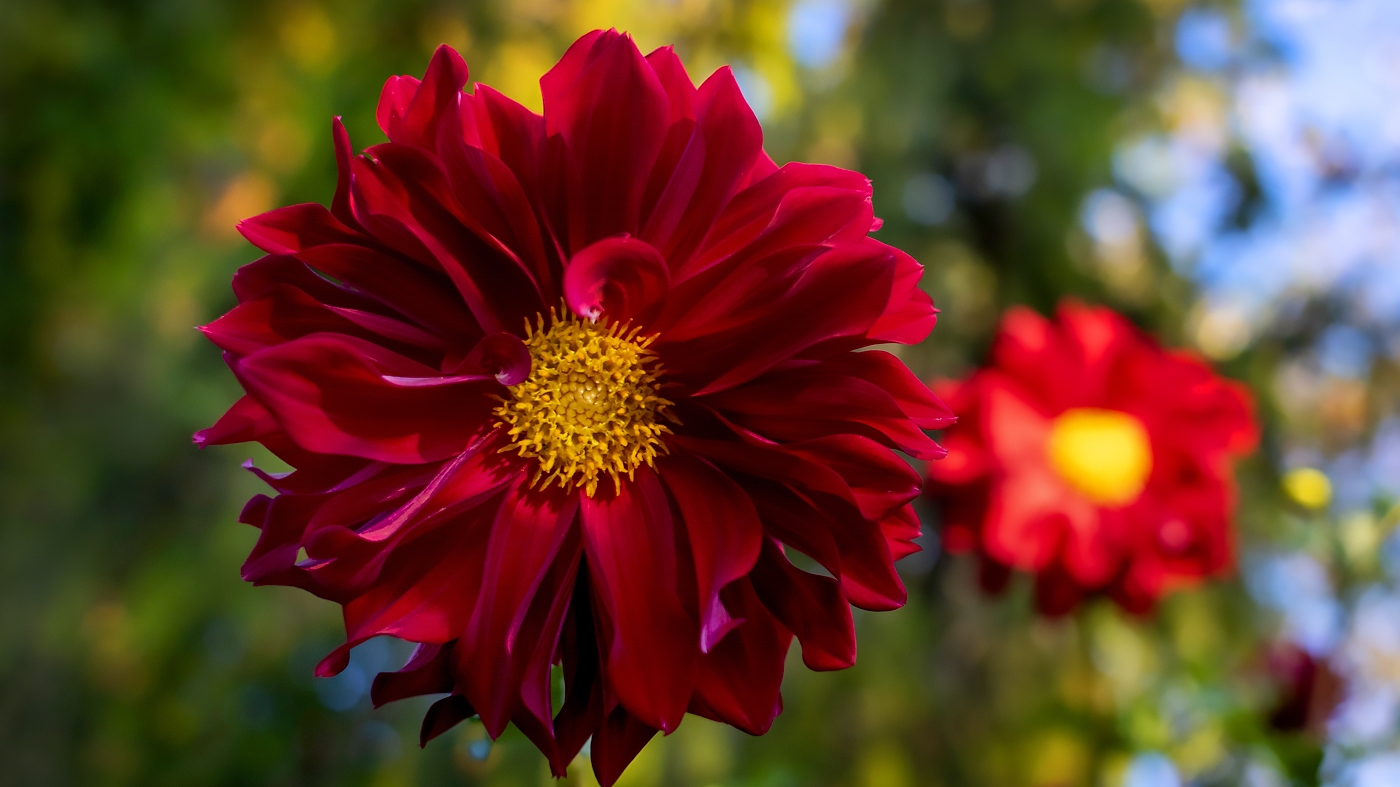
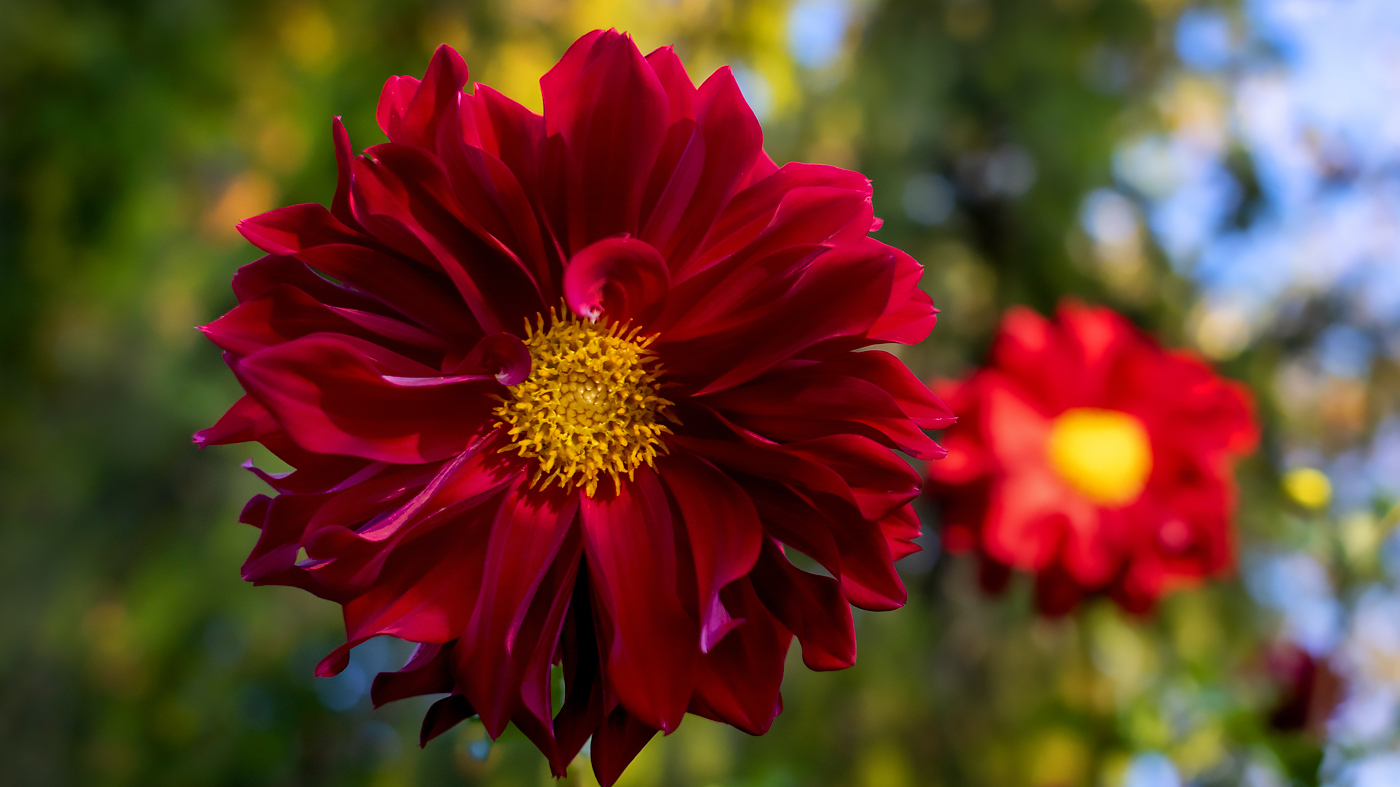
You don’t need a dedicated space just for growing vegetables. Some edibles are so attractive that we plant them among our perennials and annuals. The term “edimental” describes planting ornamental vegetables alongside other plants. Swiss chard, with it’s beautiful colored stems, is one example. Whether you are short on garden space or not, many vegetables and herbs can be combined with coneflowers, black-eyed Susans, dahlias and other plants. We often weave chard, dill and eggplant throughout our flower borders where they catch full sun for a few hours during the day. Pots of peppers also get plopped into the borders. The surrounding flowers help attract pollinators and the edibles simply look great.
Herbs
One of the most enjoyable moments in the summer garden is in the early morning, enjoying a cup of coffee or tea, sauntering past pots of herbs. Brush a hand over the leaves and you release their delightful scent. But don’t stop there. With pruners or scissors, snip some leafy stems for salads, herbal teas, cakes, grilled meats or baked fish. Sow seeds (or buy transplants and pot them up) of basil, parsley, cilantro and dill now or a summer-long harvest. The more you harvest the leaves, the bushier the plants become.
Estimating the Harvest
Here are some estimates of how much you could harvest from healthy plants.
Enjoy the Harvest
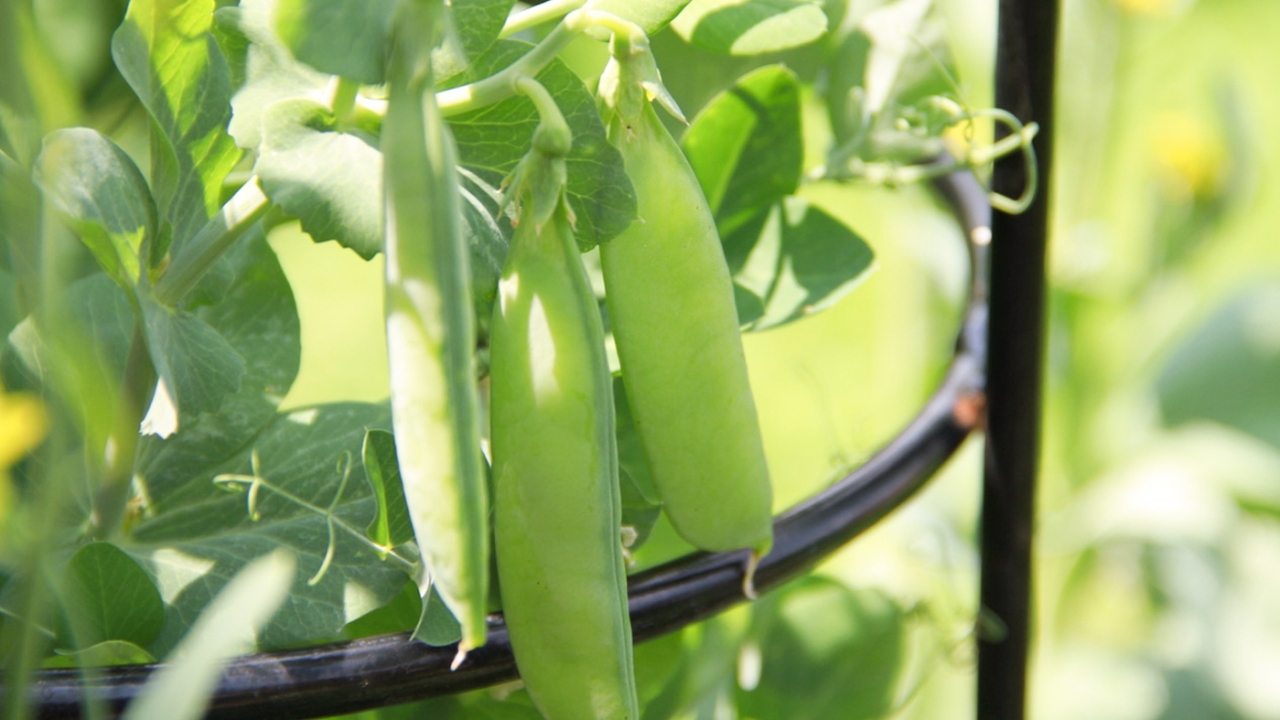
By June, our spring-planted peas are ready to harvest. They taste great fresh from the vine, but when there’s a bumper crop, we make fresh pea pesto with pine nuts, garlic, Parmesan cheese, olive oil and basil.
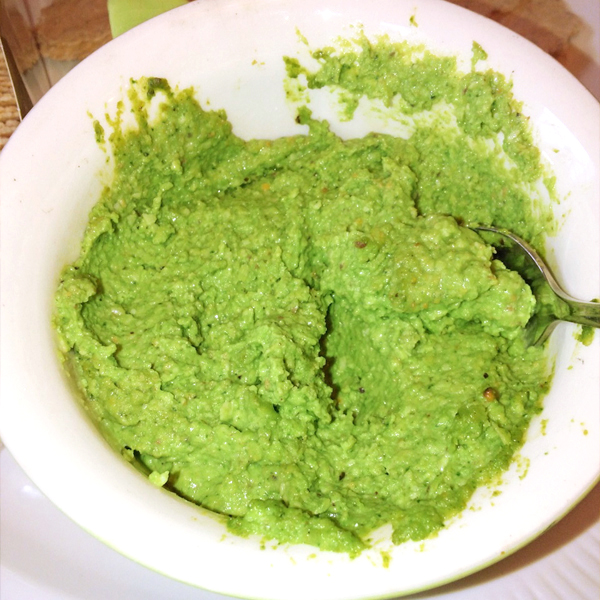
Fresh Pea Pesto
Ingredients
2 cups fresh peas
1/2 cup loosely packed basil leaves
3/4 cup grated Parmesan cheese
1/2 cup toasted pine nuts or walnuts
1/2 tsp. salt
2-3 cloves of garlic
1/2 cup extra virgin olive oil, or to taste
Fresh lemon juice, to taste
Directions
- In a food processor, combine the peas, basil, cheese, nuts, salt and garlic. Pulse the mixture until all the ingredients are finely chopped.
- With the food processor running, slowly drizzle in the olive oil until the pest is smooth and creamy.
- Season with additional salt if needed and add a squeeze or two of fresh lemon juice to taste.
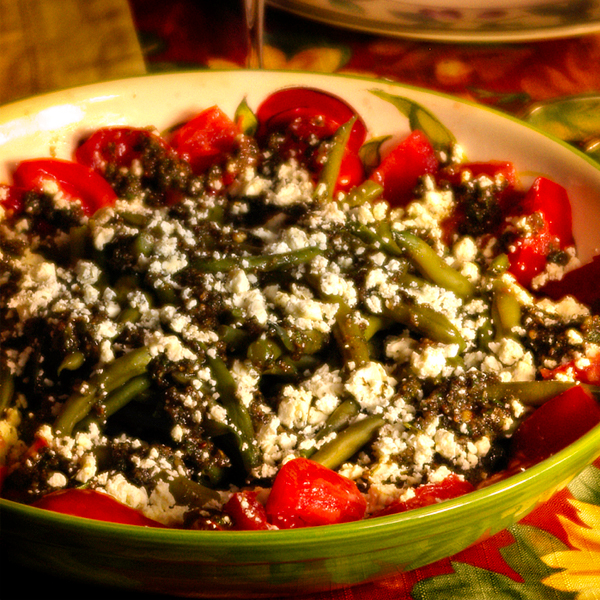
Tomato-Bean Salad
Ingredients
You can tweak this recipe by adding parsley, oregano, or cilantro, and a can of drained and rinsed garbanzo beans.
1 T. red wine vinegar
2 T. olive oil
1 tsp. minced shallot
1/2 tsp. ground black pepper
2 cups quartered tomatoes
2 cups steamed green beans
4 oz. crumbled feta cheese
1 tsp. fresh parsley
Salt
Directions
- Whisk the vinegar, oil, shallot, a pinch of salt, and black pepper together in a large bowl.
- Add the tomatoes, beans, feta, and parsley then gently toss to combine. Taste and add more seasonings as desired.
Nina Koziol is a garden writer and horticulturist who lives and gardens in Palos Park, Illinois