Grandmacore
Gardening to the Max
If you grew up during the 1980s, you may recall seeing concrete geese perched on porches and sporting outfits for the holidays. Well, they’re back, and you can find them at garden centers and home furnishing stores. That’s because grandmacore decorating, granny chic, and cottagecore are all hot. They’re a reaction to modern minimalism, and they’re all about curating collections and displays—indoors and out. It’s about comfort, coziness, and nostalgia. In this case, more is more.
The term “grandmacore” first popped up in 2014 in a news article that discussed various hobbies and items attributed to a stereotypical image of a grandmother; think rocking chairs, knitting, and baking. Grandmacore is all about maximalism. Vintage items, quirky collections, and thrift store finds are popular. Aficionados are collecting and displaying quilts, pottery, antique furniture, oversized cushions—and lots of them. You get the picture.
And it’s not just indoors.
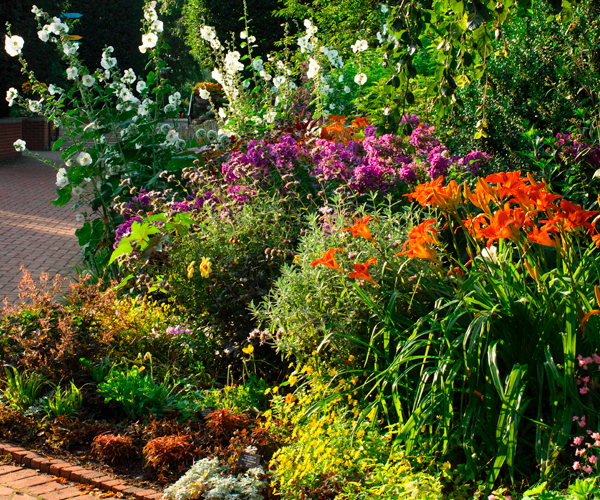
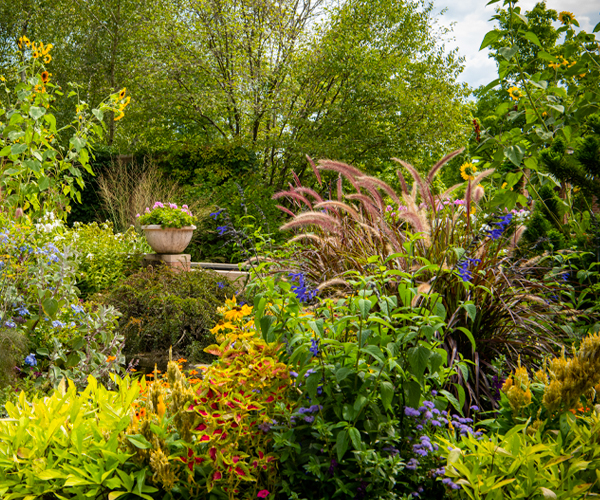
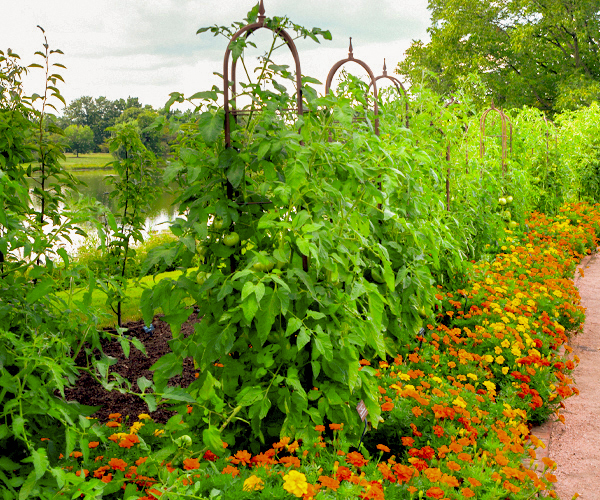
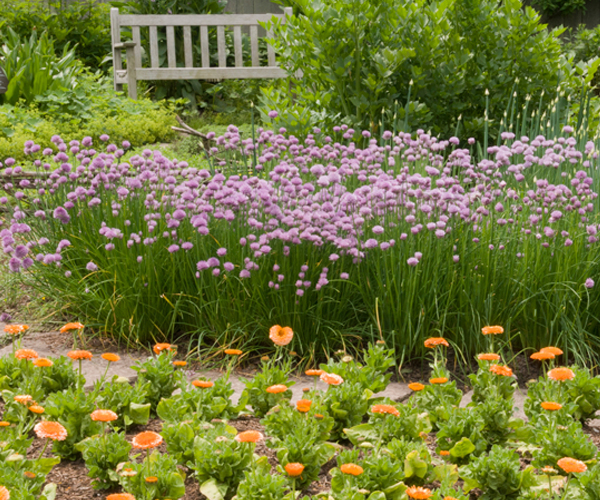
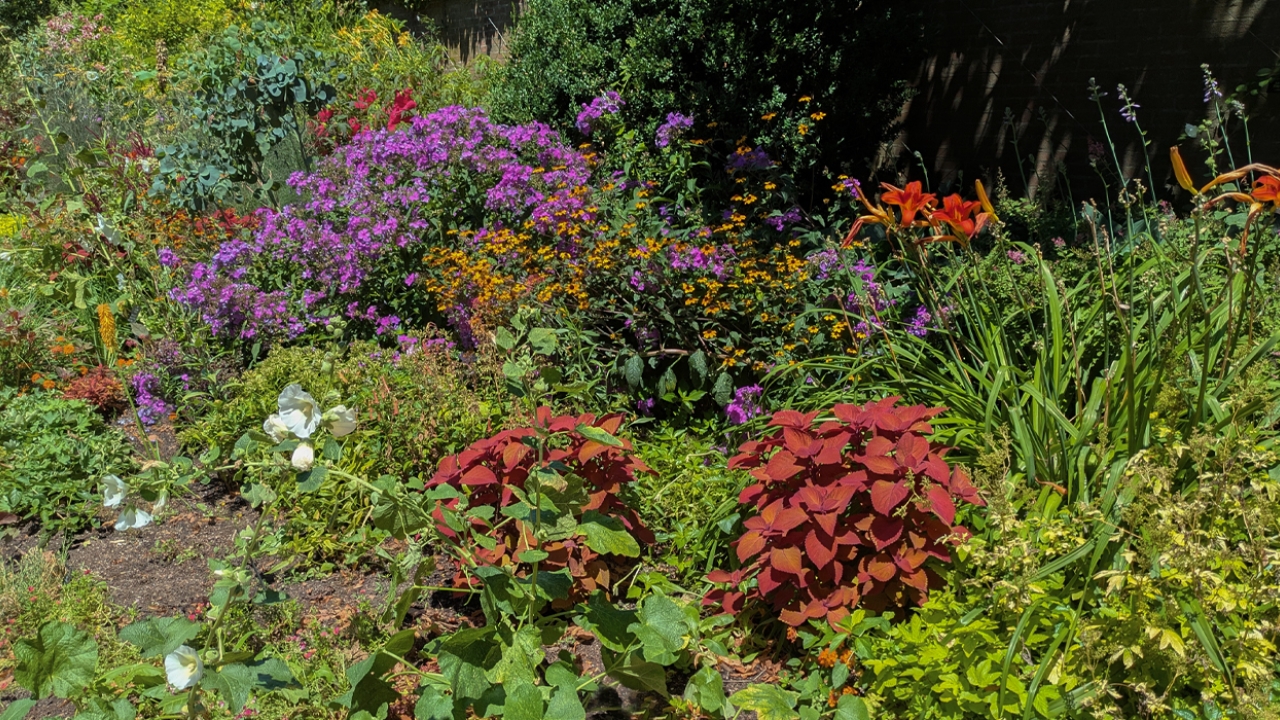
Grandmacore has spurred “maximalist gardens.” Like porch geese, maximalism (think cottage garden vibe) is trending. These new maximized gardens are a form of organized chaos, and they make a wonderful excuse to combine everything from peonies and chives to apple trees and roses.
The maximalist garden can be romantic; think of it as a colorful jumble with a medley of flowers, herbs, and vegetables, unquestionably informal. It’s a pleasant illusion that the garden just happened on its own. A maximalist garden might be enclosed, surrounded by a picket fence, or it can be a border filled with a spontaneous mix of old-fashioned perennials or self-sowing annuals. Picture sprawling mounds of catmint and coneflowers—exuberant, free-flowering, and unrestrained.
The new maximalism is less about excess and more about celebrating the joy of gardening. All gardeners are artists, and this style of garden-making focuses on your creativity and an appreciation for nature’s beauty. Maximalism in the garden embraces “anything goes.” Bright colors and lush layers are used to create a rich, brilliant, interesting space.
Nina Koziol is a garden writer and horticulturist who lives and gardens in Palos Park, Illinois.