From Garden to Vase
As we cruise into these last weeks of summer, I find it’s a joy to “shop” in my garden for flowers and foliage. Indoor flower arrangements decorate our kitchen countertop, the dining table, the entryway and nightstands. And, the best part? It’s all free!
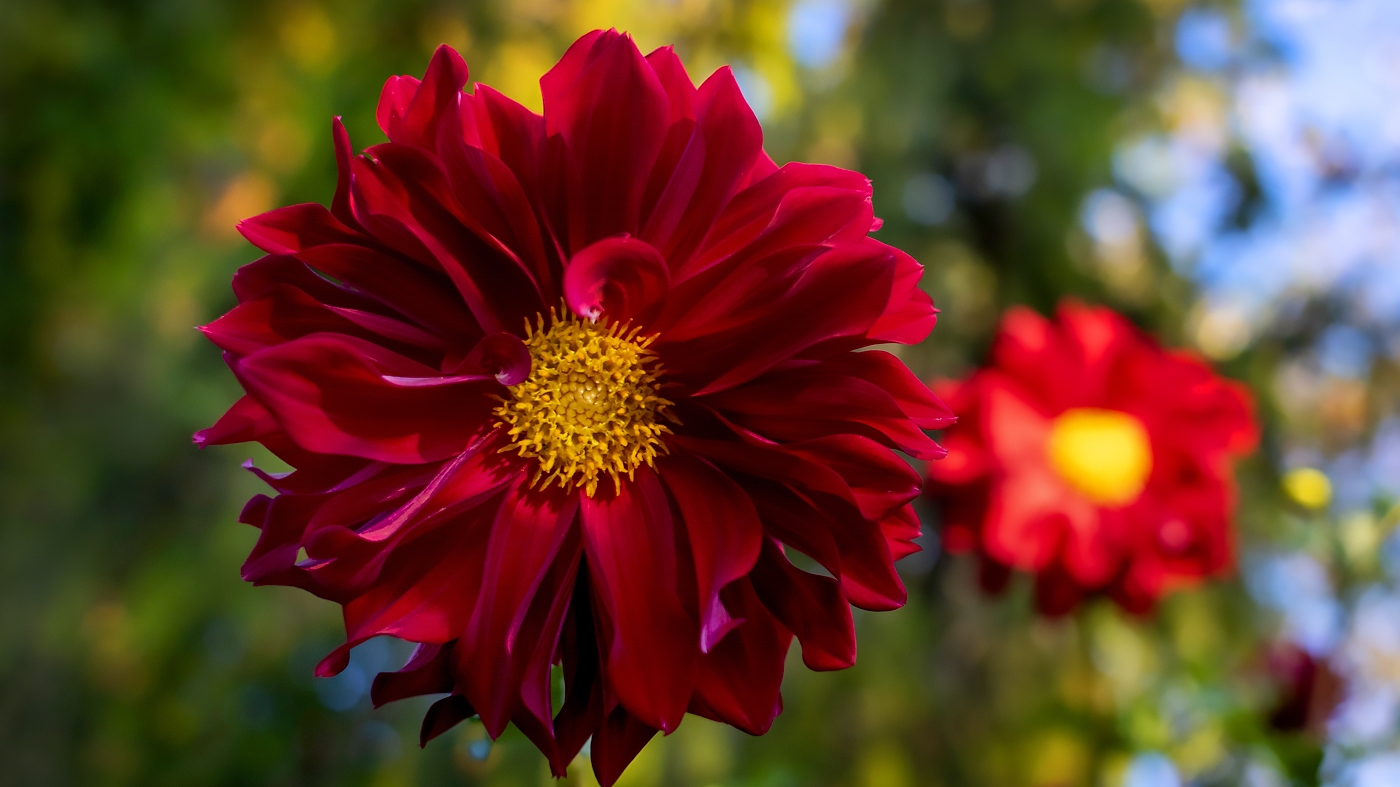
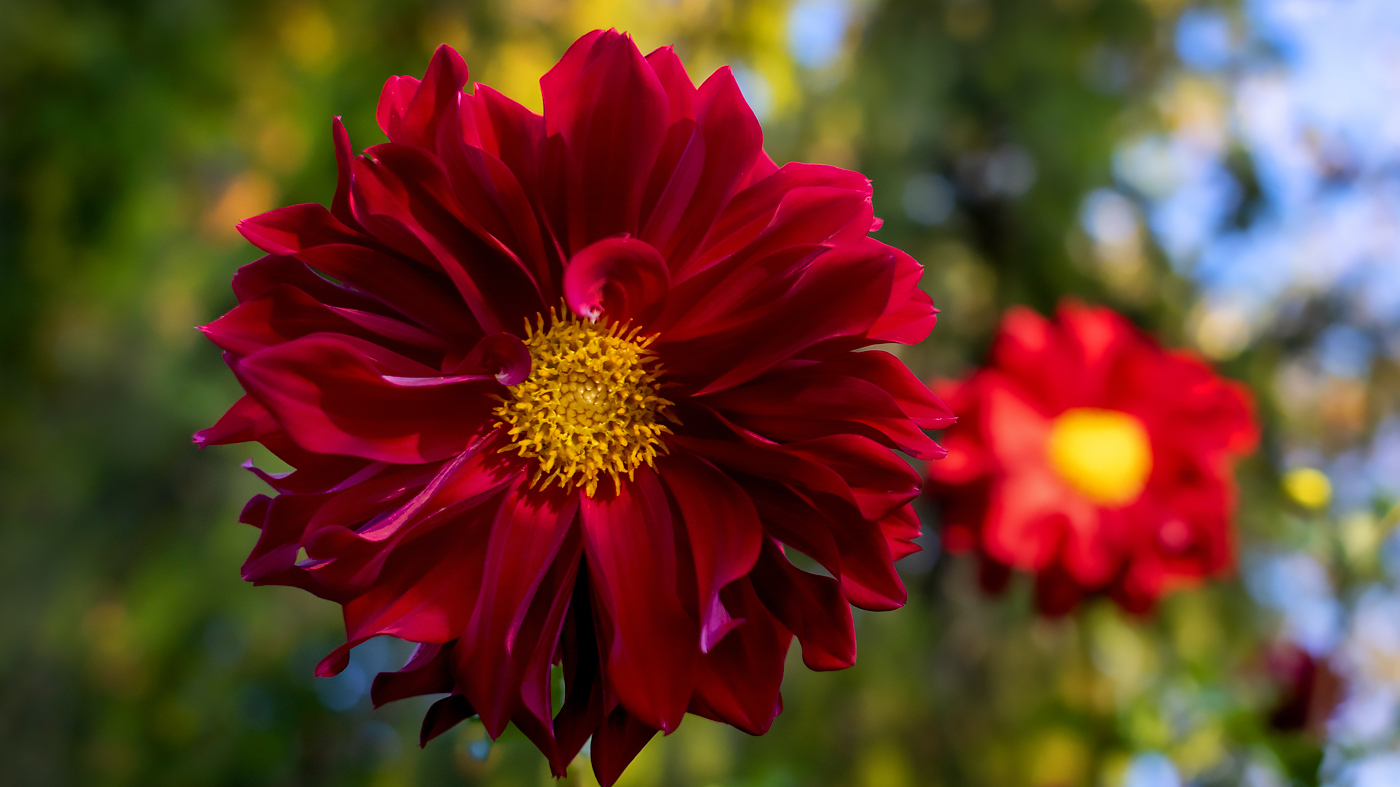
Zinnias, marigolds, dahlias, cosmos and sunflowers are just a few of the annuals that continue blooming well into September. The buds on asters and chrysanthemums will soon unfurl in shades of violet, purple, red and golden-yellow. Some of the panicle hydrangea flowers are turning from a creamy ivory to pale strawberry and pink. No matter what size they are, any of these blooms bring color indoors.
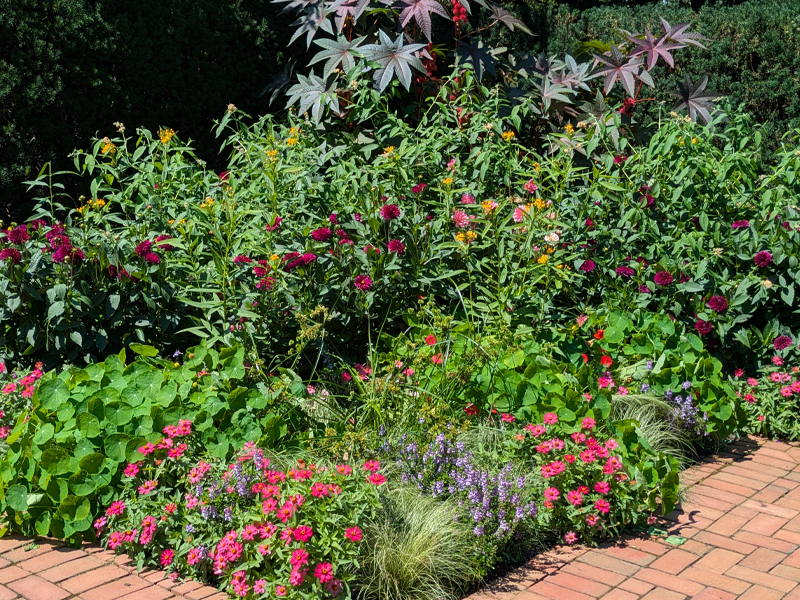
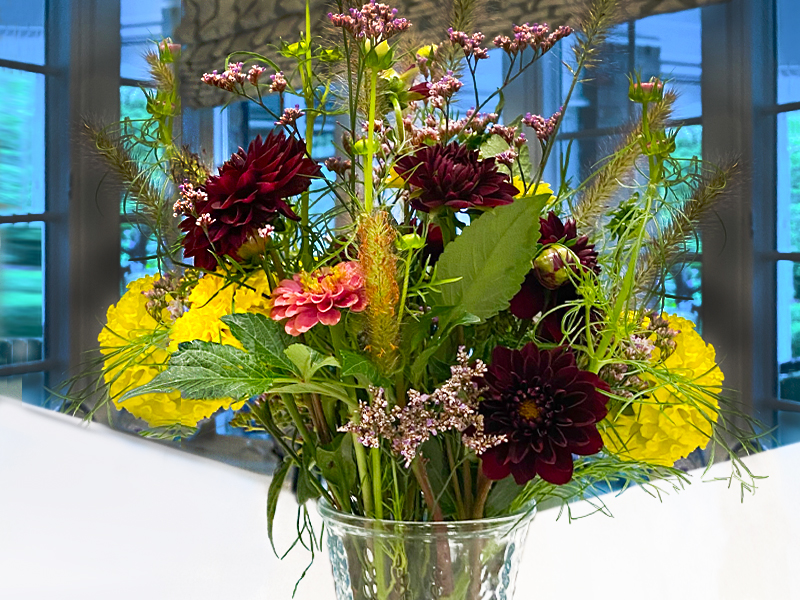
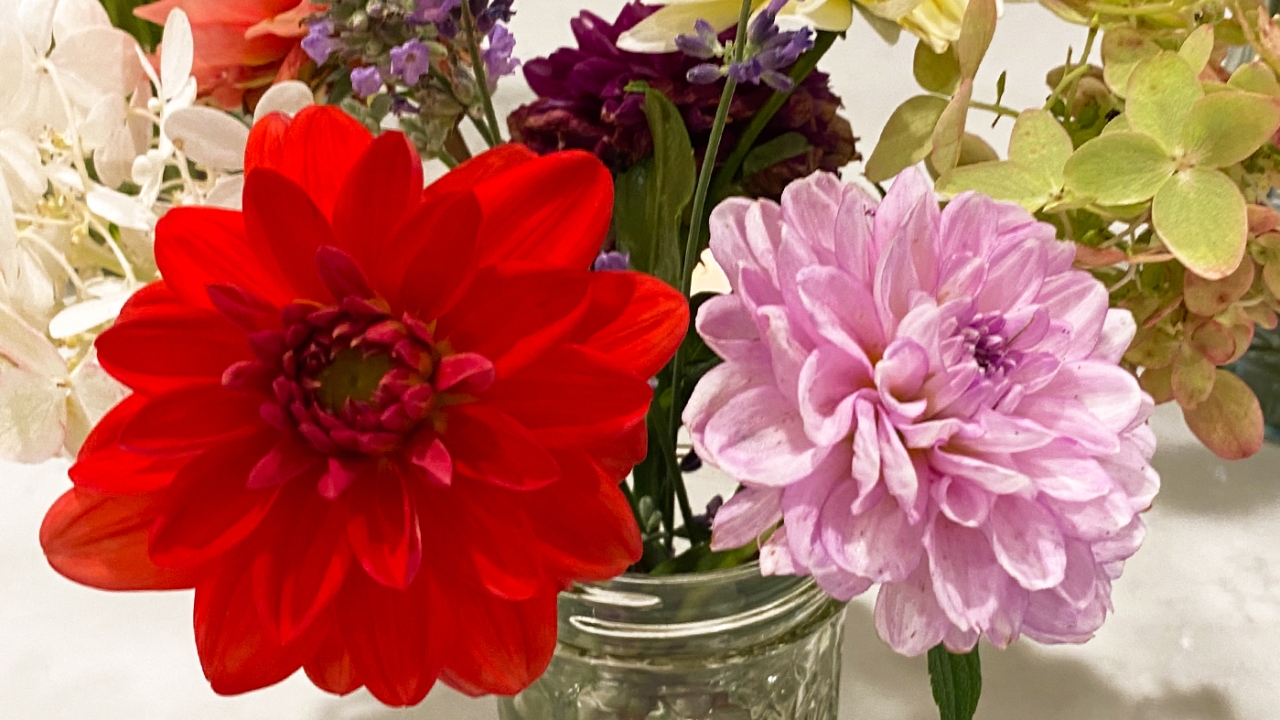
If you have enough late-blooming annuals and perennials in your garden, snipping a few stems from each one every week should give you a nice display in a vase or a glass jar. (I keep small empty jam jars on hand, just as my grandmother did in England, in which to place a few posies. And some of these little arrangements go to family, friends, and neighbors.)
Coneflowers (Echinacea) and black-eyed Susans (Rudbeckia) with their late blossoms or dark seed heads, chokeberry stems with dark fruits, canna lily leaves, late-blooming roses, and plump red rose hips are all fair game for an arrangement. But, there’s more to late-summer arrangements than just flowers.
Think about the foliage in your garden. It’s fun to cut a few chocolate-colored elephant ear leaves as well as Hosta leaves and ferns to use as fillers. Ornamental grasses are flowering now and the feathery seed heads of switch grass, prairie dropseed, and red fountain grass make a nice vertical accent in a slender vase. Other interesting upright “thrillers” are the dark brown seed heads of millet, much like a cattail.
Vegetables and Herbs
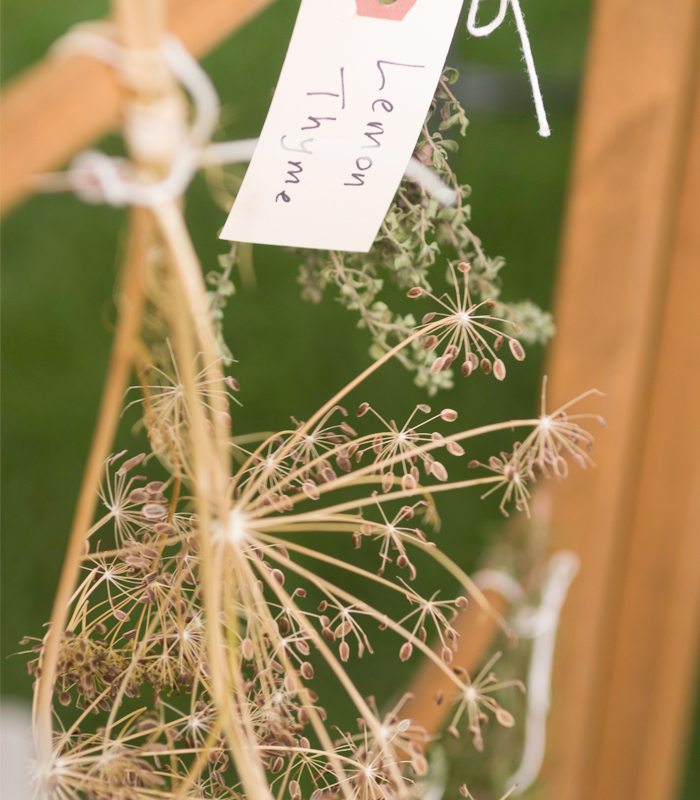
Commercial florists may not be using flowering stems from tomato plants in their arrangements, but this is truly a fun way to celebrate the harvest season. I add a few stems from a cherry tomato plant with the flowers and small immature fruits. They trail out of the vase to act as a spiller. Colorful Swiss chard leaves, along with sage, basil, lemon thyme, dill flowers, or parsley make a fun and functional arrangement for a cook. I set them in a vintage blue glass Ball jar on the counter, ready to use.
Garden Party
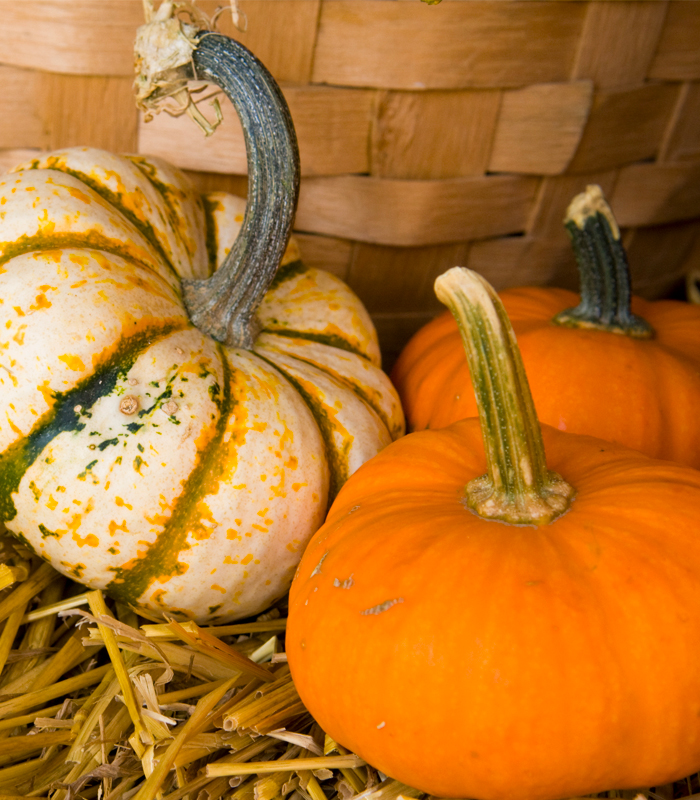
We celebrate the changing of the seasons with flower arrangements on the patio table when we entertain. It’s not all flowers, however. Bowls of tomatoes, peppers or groupings of miniature pumpkins around the arrangements are placed along the center of the table—a great conversation piece.
DIY
When I head into the garden, I bring a bucket or a pitcher filled with a few inches of warm water. I use sharp scissors or pruners to make an angled cut, removing one inch from the bottom of each stem. Place the stems into the water immediately so they don’t form a callus.
Once indoors, gently remove all lower leaves that would be submerged in the vase’s water. (Otherwise that water will become stinky in no time.) I place the stems in the kitchen sink, which is filled with warm water. Next, I re-cut each stem at an angle under water. Doing this reduces the chances of air bubbles forming inside, which may interfere with the uptake of water. (If you find some of your stems wilting, place them underwater again and trim the bottoms.) Arrange the bouquet in a clean vase filled with warm water and change the water every day.
Kept out of direct sunlight, arrangements should last for a few days up to a week. If you’re using your vase in the kitchen, keep it away from apples since the ethylene gas emitted by ripening fruit can cause flowers to decline faster.
Resources
Nina Koziol is a garden writer and horticulturist who lives and gardens in Palos Park, Illinois.