Fall-scaping with Containers
The Switcheroo
So, it’s out with the summer arrangements and in with some cool-weather plants and accessories to celebrate autumn. Chrysanthemums are always a colorful go-to addition for fall containers, but let’s think outside the pot. Ornamental cabbages, flowering kale, brilliantly colored ornamental peppers, Swiss chard, curly willow branches, and pansies are just a few of the outstanding actors that set the stage for a container.
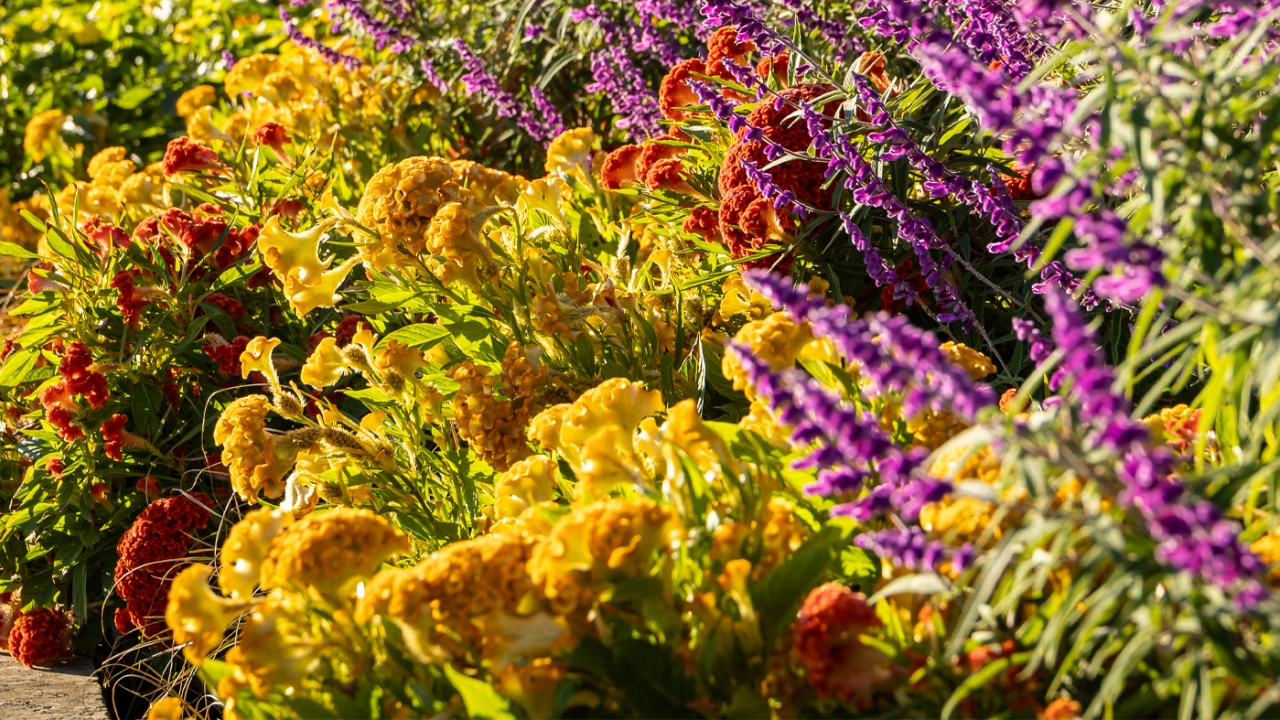
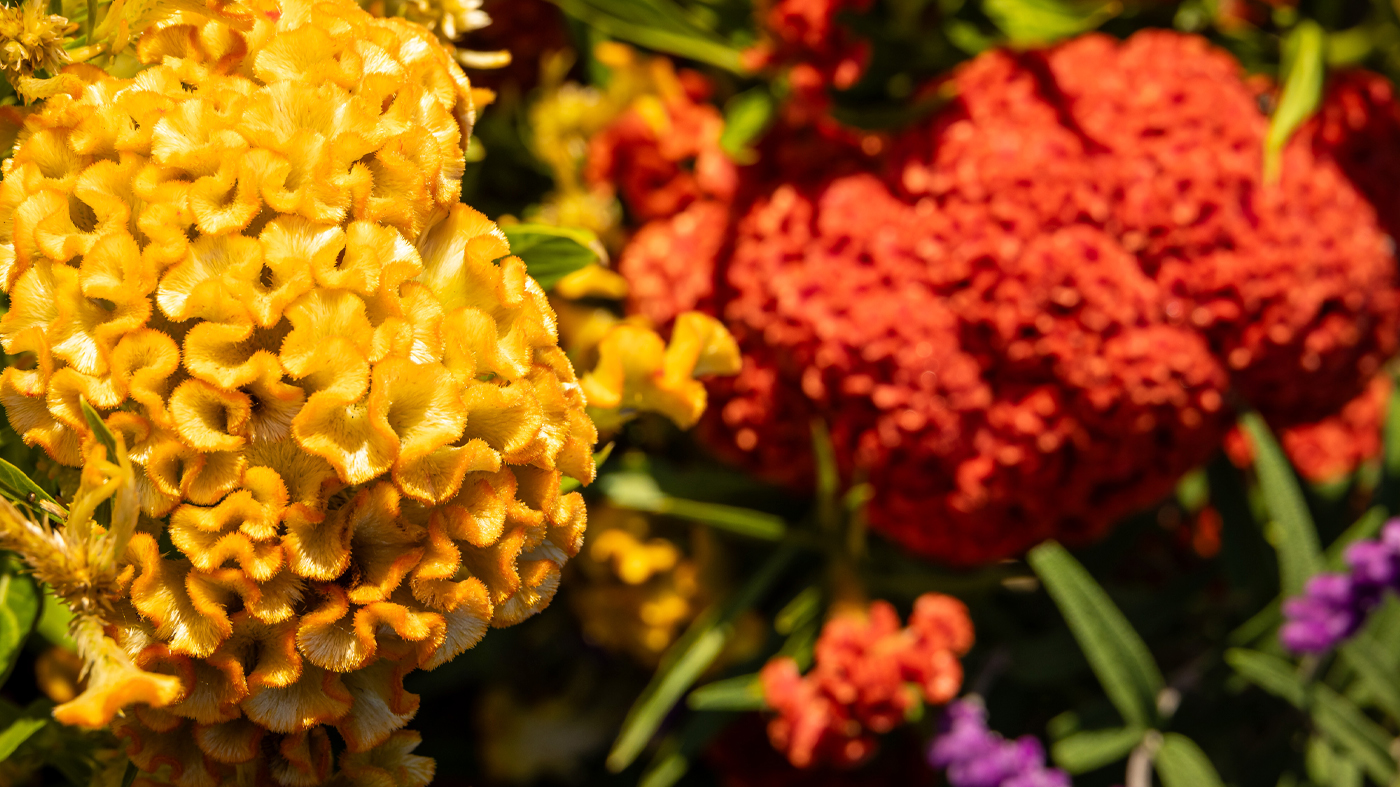
Among cold-tolerant annuals, Celosia gets the nod for its vivid shades of burgundy, cerise, gold, yellow and more. Fragrant sweet alyssum and silver-leaved dusty miller are two more annuals that brighten a fall outdoor arrangement.
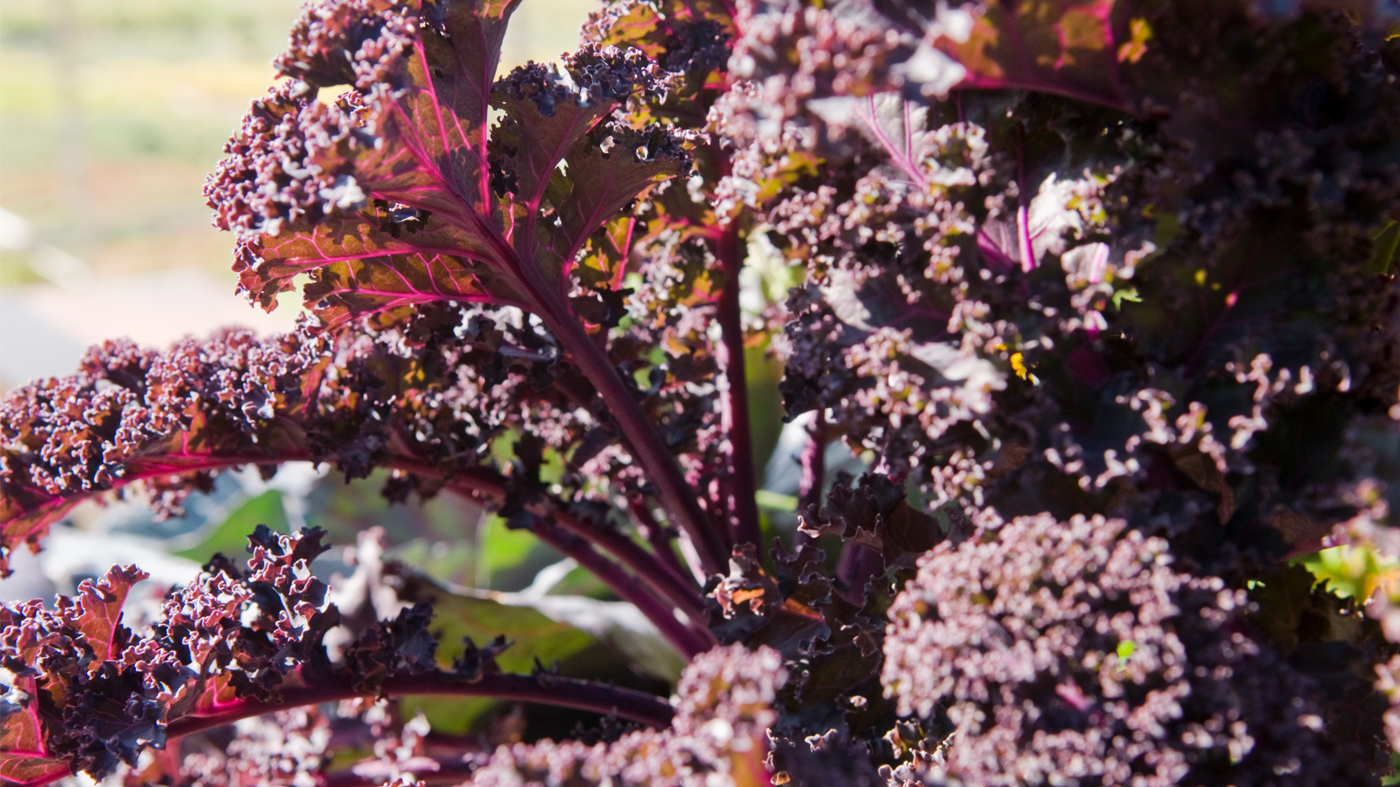
Brassica oleracea ‘Redbor’
It’s not always flowers, however, that make a splash in pots—it’s foliage. Redbor kale (Brassica oleracea ‘Redbor’), has textured leaves that turn darker purple with cool night temps. Herbs like rosemary and parsley can also tolerate cooler fall weather and you can usually find them in small pots in the grocery store’s produce section. There’s lemon cypress (Cupressus macrocarpa ‘Goldcrest’) that gives height and great color with its chartreuse needles. Bring it indoors before the freezing fall weather arrives, and it can spend the winter in a sunny window.
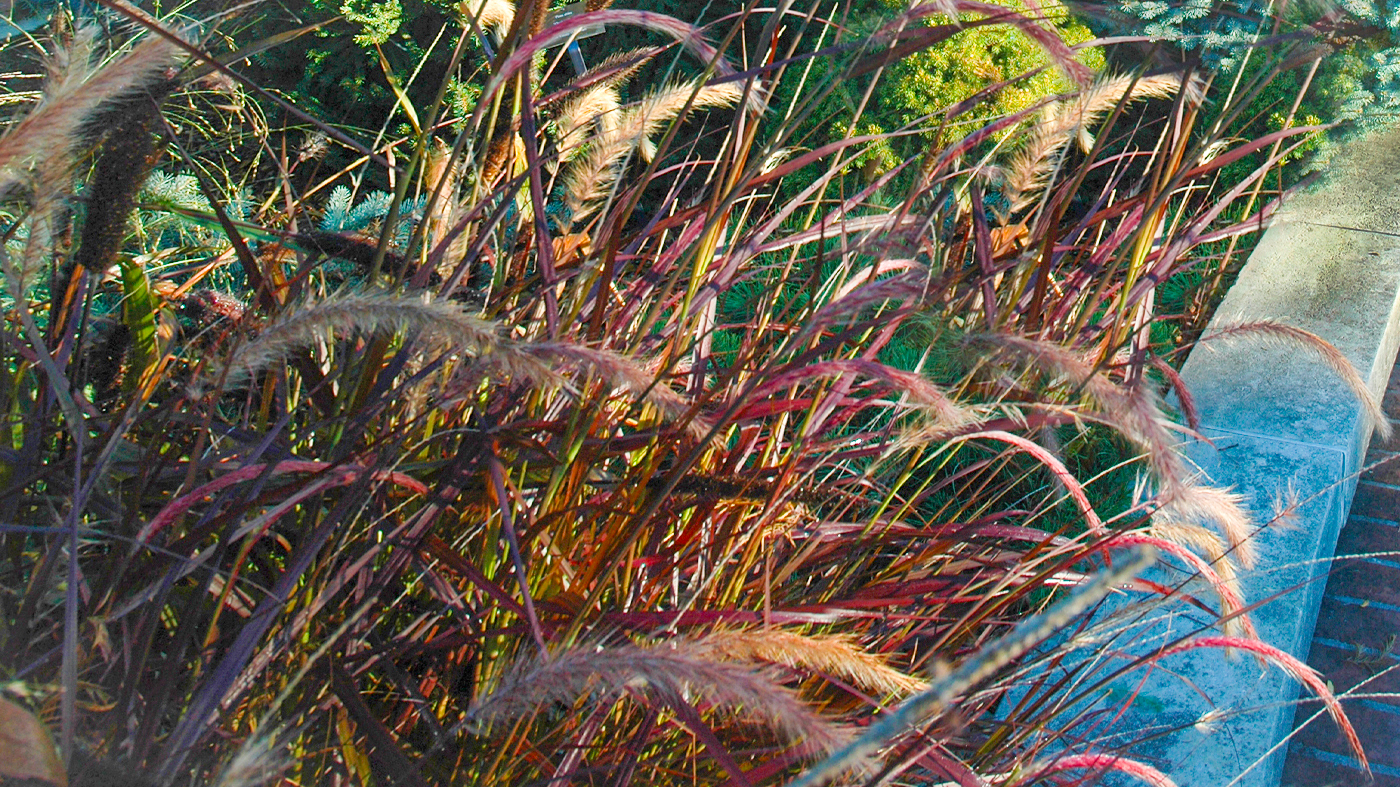
Red fountain grass (Pennisetum rubrum)
Ornamental millet (Pennisetum glaucum) and annual red fountain grass (Pennisetum rubrum) have beautiful seed heads and leaves that create interesting textures and colors. Coral bells (Heuchera) are cold-tolerant perennials that will wow you with their interesting leaves in shades of lime, burgundy and green.
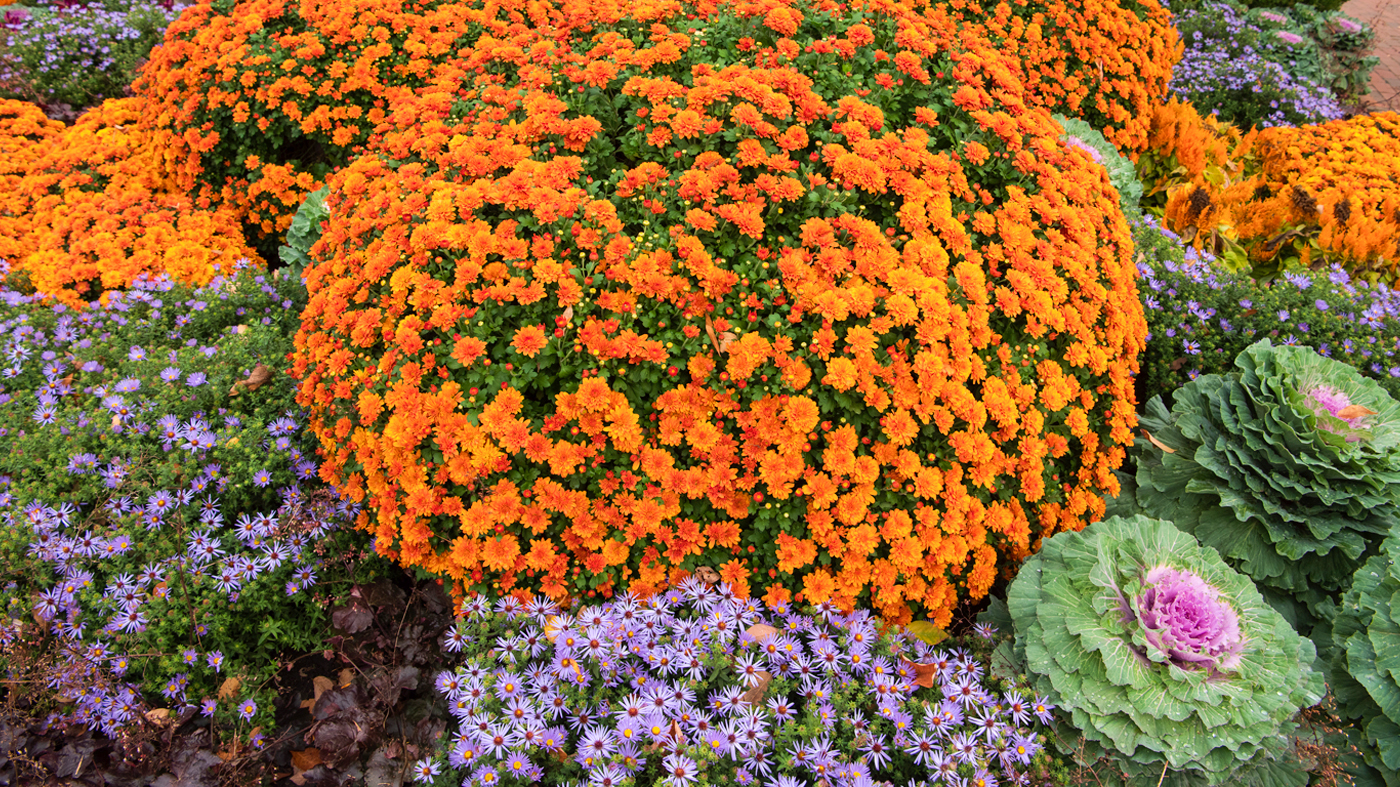
Chrysanthemums, cabbage, aster, and other fillers
While some gardeners like to use one big beefy plant in a pot (think one giant chrysanthemum plant), others use the thriller, spiller and filler effect. For example, they place a tall, upright plant in the center (like an ornamental grass or colorful twigs) and surround it with fillers—ornamental peppers or small heads of cabbage or kale. A spiller could be variegated ivy cascading over the edge of the pot.
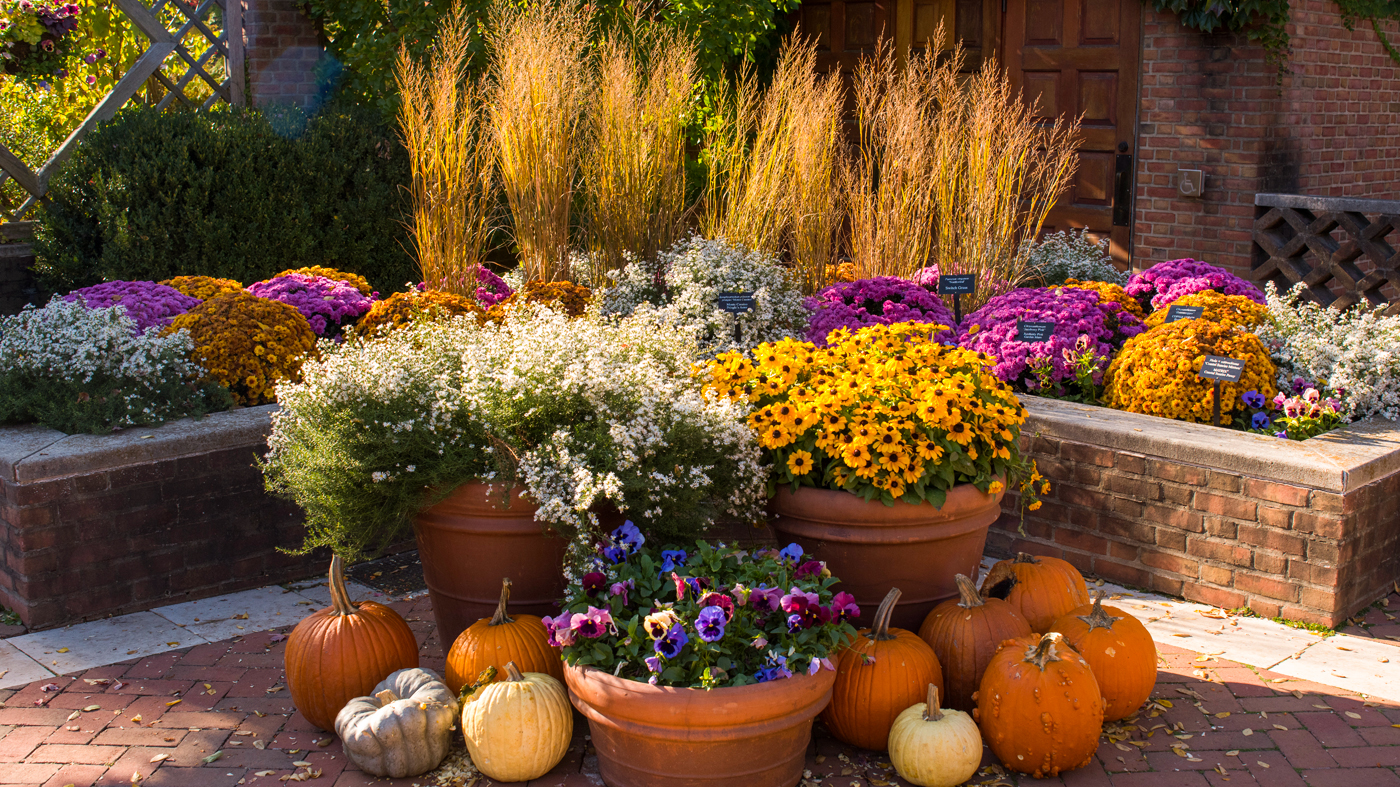
Some garden designers visit craft shops in search of dried flowers, seed heads, twigs with artificial berries, and magnolia leaves to pop in the pot. Others place small pumpkins or gourds in the arrangement or on the ground surrounding the pot. And, since Halloween is this month, think about adding some fun elements, like spiders or ghosts on sticks, or small orange or purple solar-powered lights.
Pick a Pot
Just getting started with container gardening? Pick a pot that can withstand our cold Midwestern winters. If buying ceramic pots, look for those that are labeled weather resistant. Next, create a theme using similarly shaped pots or pots in the same color. Fill them with soil-less potting mix available at garden centers. Then pop in the transplants and water.
Create an Encore
- When you pull the summer plants from the pots, you may need to add more potting mix so pick up a small bag or two, if you need it.
- Buy pots of chrysanthemums just as the flower buds begin to show some color. They should last about six to eight weeks with watering unless the temps climb into the 80’s. They’ll also survive a frosty morning.
- Water the new transplants so that it reaches the bottom of the roots in the pot. Check the soil once a week or more so it doesn’t dry out.
- Remove spent flowers on pansies so they continue to flower.
- When night temperatures drop into the low 40’s, protect the plants by covering them with a sheet, a large trash bag, a box or frost cloth, or move the pot into the garage if possible.
- Think about how you can change out your containers again after mid-November for a winter display. Reuse any twigs or artificial branches, and add evergreen boughs and white birch stems.
Nina Koziol is a garden writer and horticulturist who lives and gardens in Palos Park, Illinois.