

Minnesota Hardy Plant Breeding Program
Founded:
1878
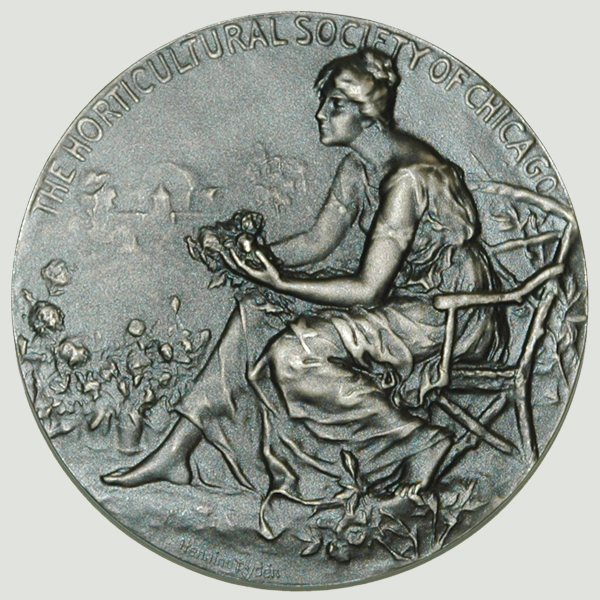
Year Hutchinson Medal awarded:
2016
The Minnesota Hardy Plant Breeding Program, rooted at the University of Minnesota, is one of the oldest and most renowned cold-hardy plant breeding programs in the United States. The program’s long-standing dedication, systematic breeding efforts, and use of cold-hardy germplasm have made it a leader in developing cold-resistant fruit and ornamental plant varieties for the Upper Midwest and similar climates. Its origins date back to the late 1800s with a primary mission of developing fruit varieties that can thrive in Minnesota's harsh, cold climate.
Key Contributions:
- Over its history, the program has bred over 400 varieties of cold-adapted plants, including apples, grapes, cherries, raspberries, blueberries, strawberries, and even kiwi berries. The program also has a prestigious chrysanthemum breeding sector, the oldest public one in the world.
- A notable success of the program is the creation of the Honeycrisp apple, released in 1991, which became Minnesota's official state fruit in 2006.
- The program played a major role in demonstrating that viable commercial fruit growing is possible in harsh northern climates, overturning early doubts about agriculture in the region and supporting Minnesota’s identity as a leader in cold-hardy plant breeding.