Herbert C. Swim
Years:
1906 – 89
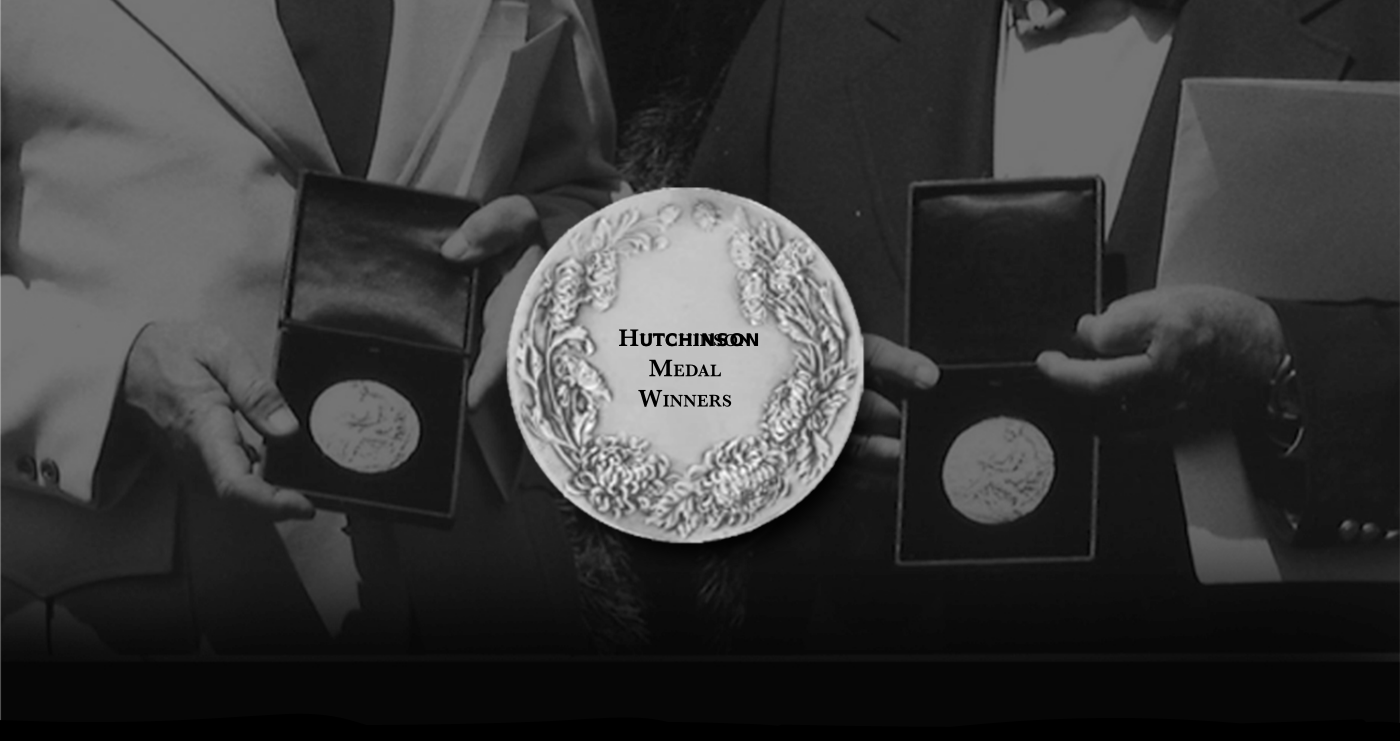
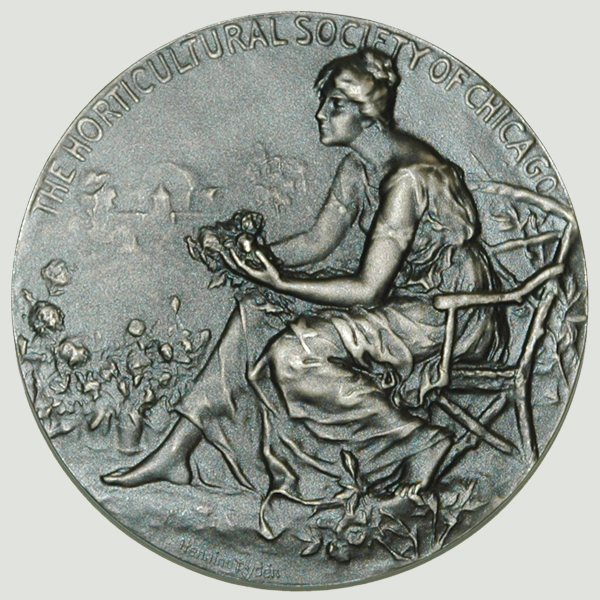
Year Hutchinson Medal awarded:
1983
Prominent American horticulturist and rose breeder Herbert C. Swim was renowned in the fields of fruit and ornamental plant breeding, with lasting influence through hundreds of cultivars, groundbreaking hybrid roses, and a nuanced approach to genetics and plant vigor. He grew up on a small fruit farm in Oklahoma and studied agriculture at Oklahoma State University.
Career:
Swim worked at Coolidge Rare Plant Gardens in southern California and focused on roses after he finished his undergraduate degree. He joined Armstrong Nurseries in Ontario, California, where he worked under Dr. Walter Lammerts. Swim succeeded Lammerts in 1940 as the nursery’s leading rose breeder.
Breeding Achievements:
Swim was credited with 115 rose cultivars, some of which include:
- ‘Pinkie’ (Floribunda, 1947)
- ‘Sutter’s Gold’ (1950)
- ‘First Love’ (Hybrid tea, 1951)
- ‘Montezuma’, ‘Circus’, ‘Moonsprite’ (mid – 1950s)
- ‘Heat Wave’, ‘Ruby Lips’ (1958)
- ‘Garden Party’ (1959)
- ‘Duet’ (1960), awarded by AARS
- ‘John S. Armstrong’ (1961)
- ‘Joseph’s Coat’ (1964)
- ‘Mister Lincoln’ (1964), developed with O.L. Weeks and introduced by Star® Roses.
- ‘Double Delight’ (1977), developed with Arnold Ellis, voted "world’s favorite rose" in 1985.
Philosophy & Legacy:
He advocated for understanding genetic vigor and limitations in hybridization, emphasizing factors like parent compatibility and petal traits. His legacy includes globally beloved varieties such as ‘Mister Lincoln’ and ‘Double Delight’, and strong contributions to Armstrong Nurseries’ breeding excellence.
These publications contributed significantly to plant industry knowledge and naming conventions.
Patents & Plant Breeding:
Swim filed many U.S. plant patents, including fruit trees and roses. Among these patents was a plum tree patent (PP1482, 1956), a Prunus salicina hybrid. He also held rose plant patents 1280 (1954), and 1796 (1959).