Plants & Gardening
Garden Stories
Gardens Make Time Visible
In much of modern life, time is abstract. We measure it through calendars, meetings, project deadlines, and fiscal years. But in a garden, time is embodied. We see it in dormancy and bud swell, in growth and senescence, in leaf drop and return. The passing of the year unfolds in living form around us.
For those of us who work in gardens, these rhythms shape nearly everything we do. Gardeners do not control the seasons; we respond to them. Our work is an act of stewardship more than ownership. We care for plants and spaces, guiding them gently while allowing them to unfold.
It’s humbling to witness. The garden moves through cycles that are much larger than any one season. We pay attention so that we understand where we are in the year and what the world is revealing to us.
For horticulturists, observation is one of the most important skills we develop. A walk through the garden at a particular moment in the season can reveal an enormous amount: how plants respond to weather, how light moves across the landscape, how one species begins to emerge as another fades.
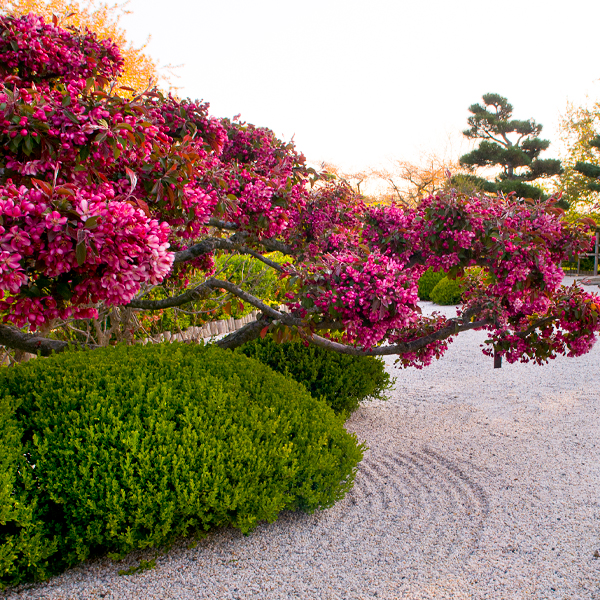
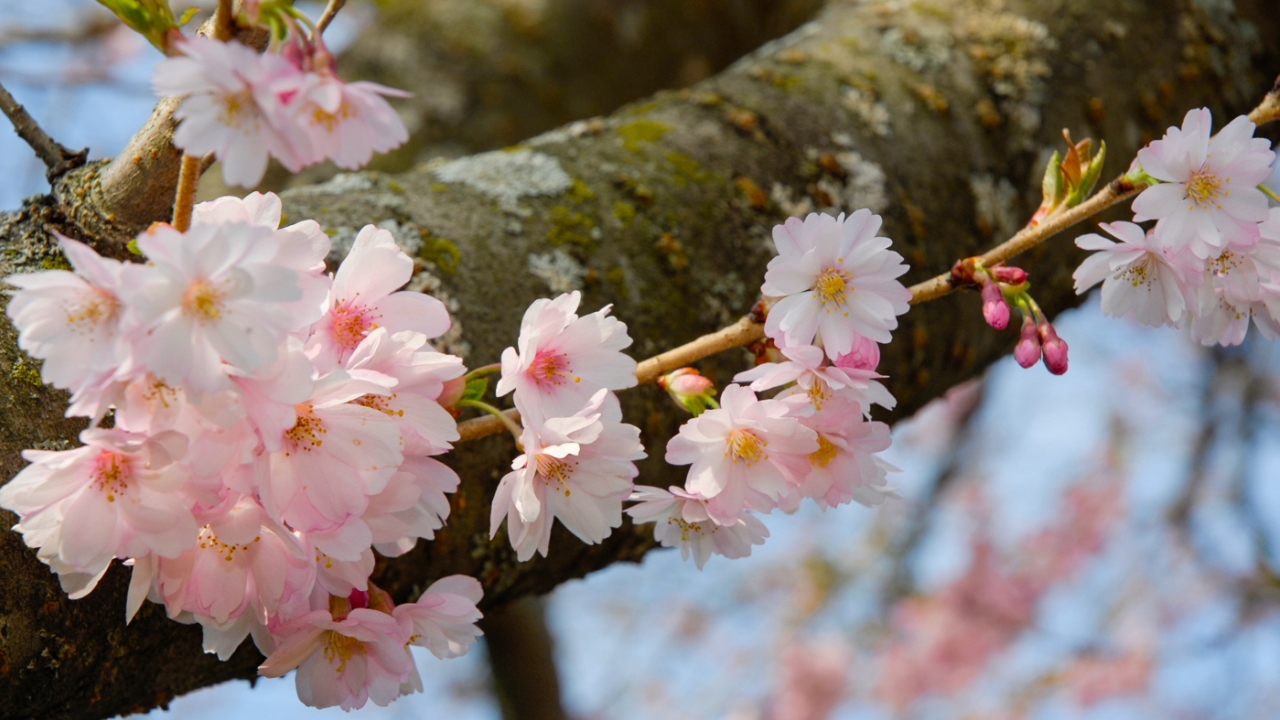
Japanese garden philosophy speaks of a concept called shun, the brief moment when something reaches its seasonal peak. A cherry tree in full bloom, the precise week when serviceberries flower, the moment a flower opens to release its scent, or the day in August when the cicadas return to sing their song for us. These moments arrive and pass quickly. Part of the practice of gardening is learning to notice them.
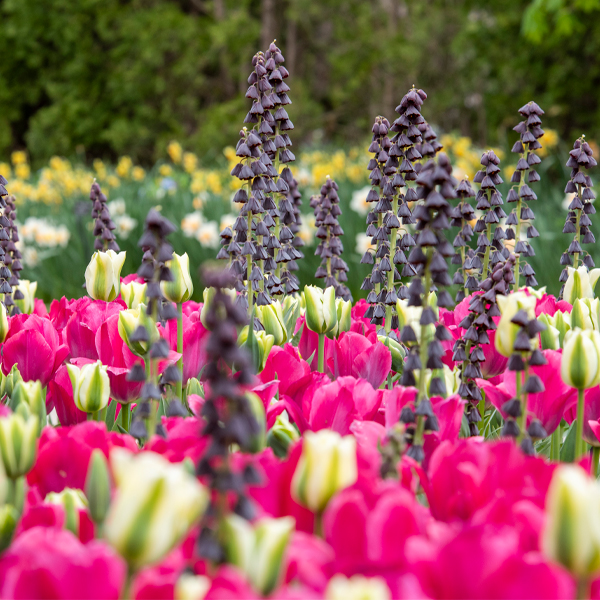
Just as gardens need periodic care and attention, the people caring for them do too. Sometimes that care shows up in very simple ways: a pause to notice something unusual or a short conversation about a plant that decided to do something unexpected that week.
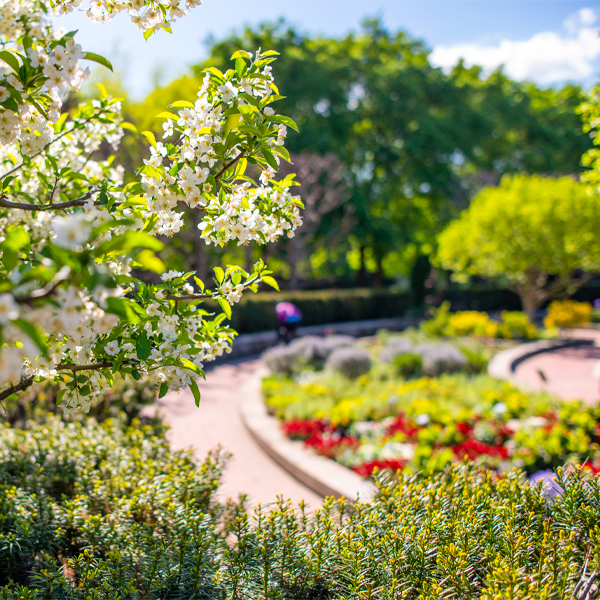
Over the years, these unremarkable observations accumulate into a quiet awareness that we’re all moving through the same landscape together, watching the same seasons come and go, never trying to control the seasons, but rather, respond to them.
Gardens make time visible.
And when we begin to see time this way, through plants, light, and seasonal change, we are reminded that every moment in the garden, however brief, belongs to a much larger unfolding, one in which we are intertwined. All we need to do is stop and notice what is speaking to us.

Chris Henning is the manager of display gardens at the Chicago Botanic Garden.