Plant Science & Conservation
Garden Stories
The Vanishing Winter: Why It Matters
Winter once brought a dependable rhythm: cold settled in, snow piled up, and plants took a seasonal rest. But in northern Illinois, that rhythm is shifting. Winters are warming, shrinking, and becoming less predictable. We still get bitter cold snaps and heavy snowfalls, but those moments no longer define the season.
“Warmer temperatures result in fewer days with snowfall and fewer days where temperatures dip below freezing,” said Amy Iler, Ph.D., a Chicago Botanic Garden conservation scientist. “Temperatures are staying warmer later into the fall and getting warmer earlier in the spring.”
We might notice it in lower heating bills or in spring bulbs popping early. The changes go much deeper, affecting the ecology of our gardens and wild spaces alike.
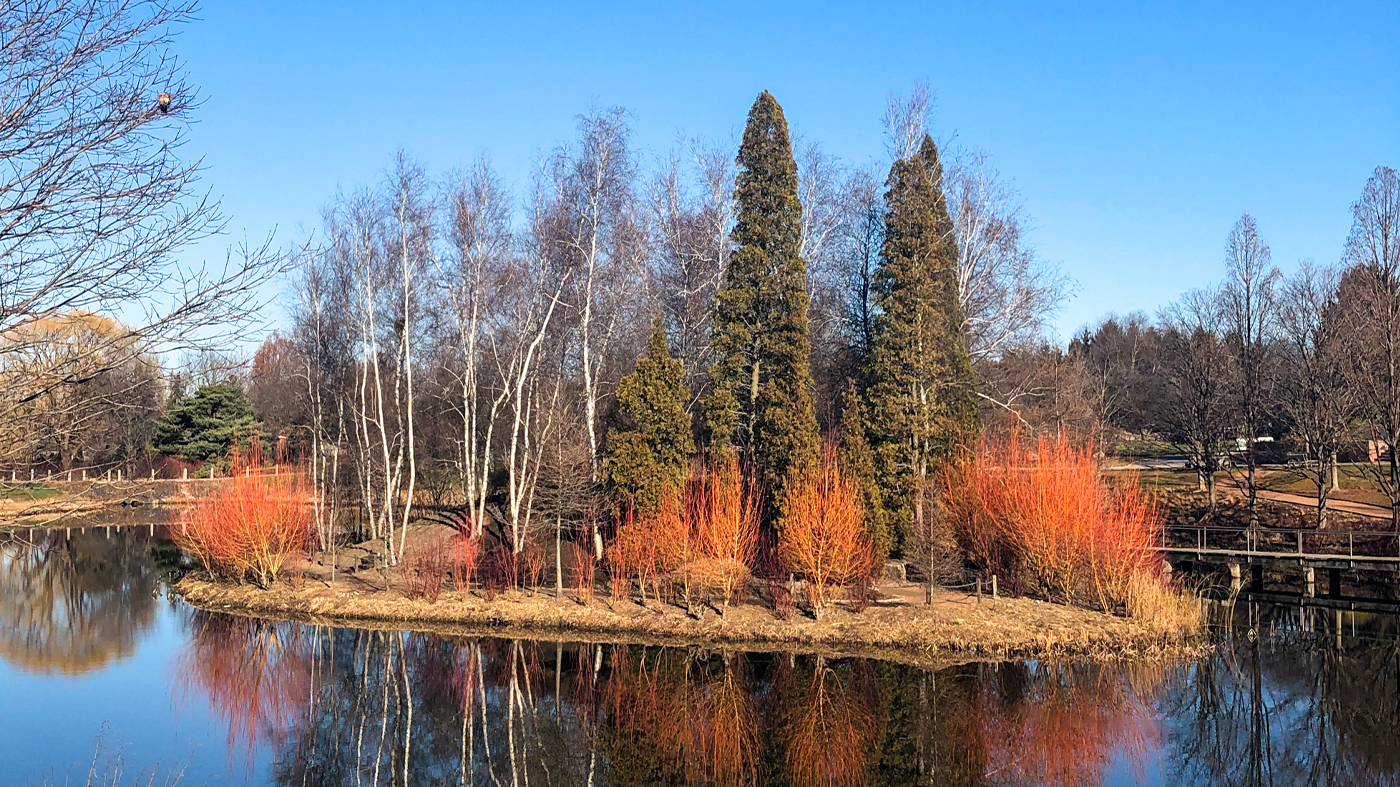
What does a vanishing winter look like?
Winter is more than a chill in the air. It’s a reliable environmental reset. Dormancy, flowering, migration, hibernation—much of life here is timed around a solid stretch of cold.
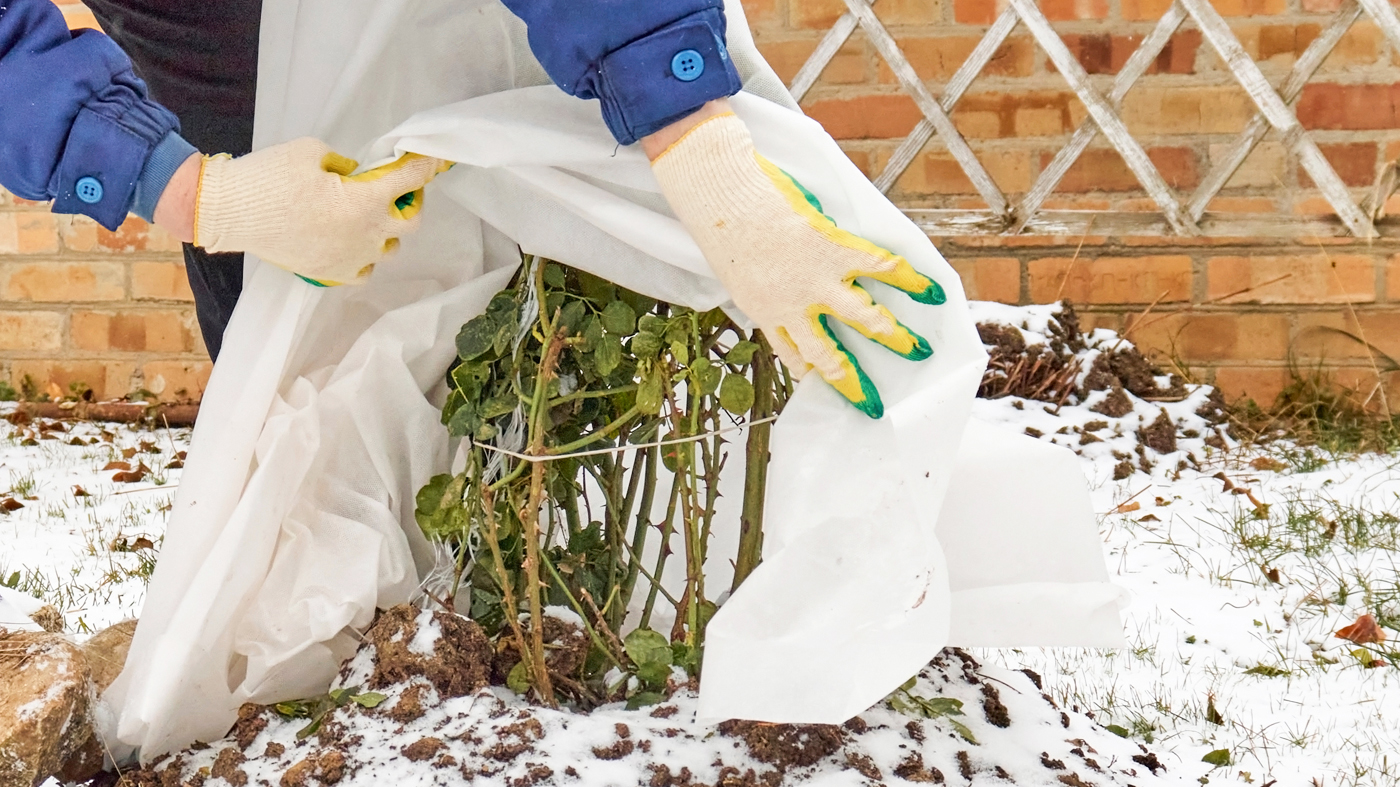
When that cold period shortens, a warmer fall and spring means plants may begin to develop buds earlier in the year, even while the risk of frost remains high. When those buds are damaged by a late freeze, flowers—and eventually fruits—can be lost.
The shift doesn’t unfold overnight. It shows itself in long-term trends; small changes adding up over decades that make the winter season less predictable.
Weather vs. climate? Both shape our gardens
Cold snaps and blizzards can make the idea of a warming world feel contradictory. But Iler offers a clear way to think about it:
“Weather is a short-term condition—days to minutes,” she said. “Climate refers to a period of at least 30 years. You can still have cold snaps and big snowstorms, with climate change still happening slowly in the background.”
A single icy week doesn’t negate decades of data showing increasingly warmer years on average. In fact, climate change is driving more extreme weather events and an overall shift toward milder winters. Both are happening at once.
In other words: it’s the long-term pattern that matters.
Plants are showing signs of the shift
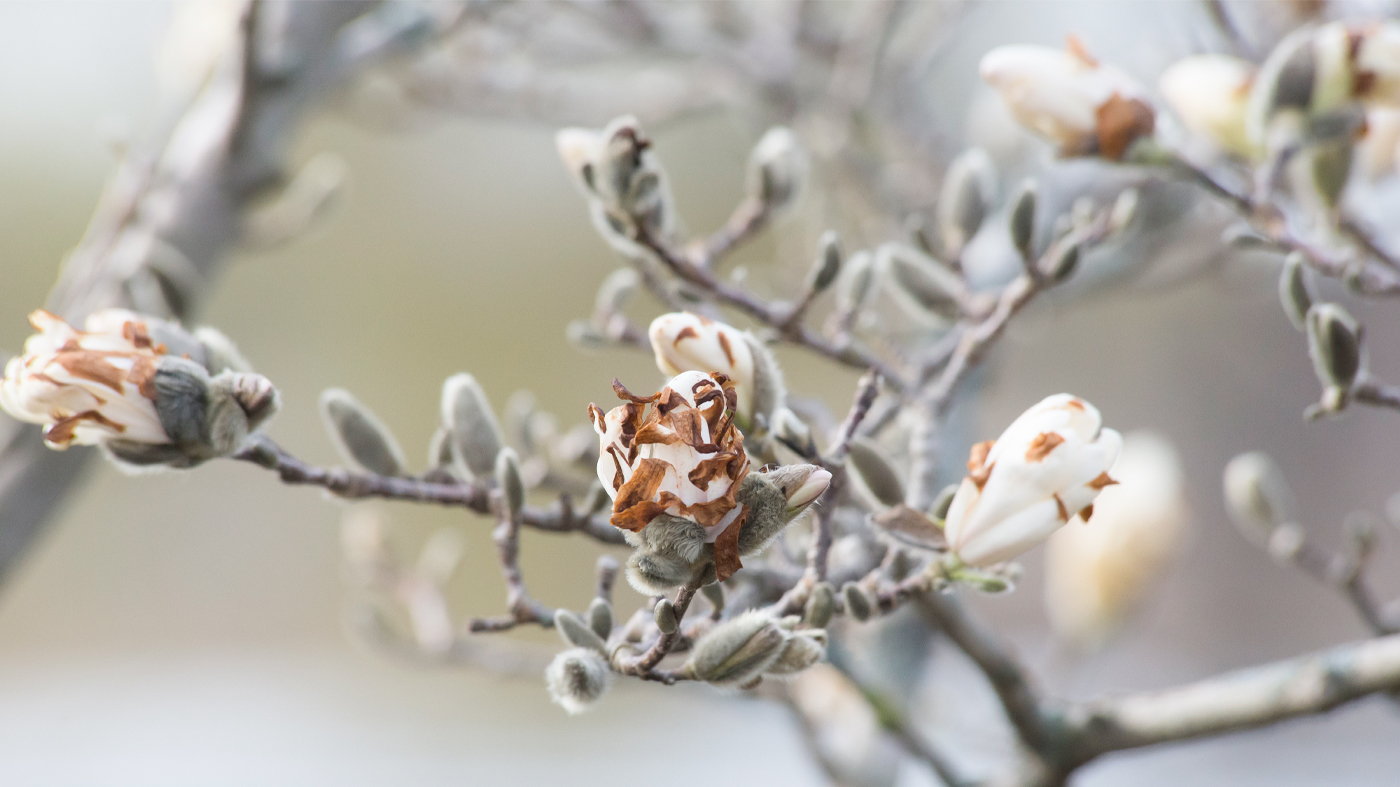
Some of the clearest signs of a shifting winter show up in familiar plants, especially spring-flowering trees like ornamental cherries, magnolias, and serviceberries.
Warmer days in late winter and early spring cue them to open their buds earlier. That might sound pleasant but it’s risky.
“The flowers are now open when frost risk is higher,” Iler said. “They can get frosted and damaged beyond repair.”
No blooms mean no fruit, which reduces seasonal food for birds and other wildlife. Home gardeners may notice years when a favorite tree simply doesn’t produce.
Other plants see opportunity. Poison ivy, for example, is emerging earlier and growing longer each year, gaining a competitive edge compared to species with stricter seasonal cues.
New challenges from pests and pathogens
Historically, long stretches of deep cold helped limit many insects and diseases. But as winters warm, more species may survive into spring or even expand their range north. Scientists are still monitoring how this will play out, but reduced winter die-off could intensify pressures on both cultivated and native plants.
Even small advantages for aggressive species can profoundly reshape ecosystems.
Wildlife moves to a different beat
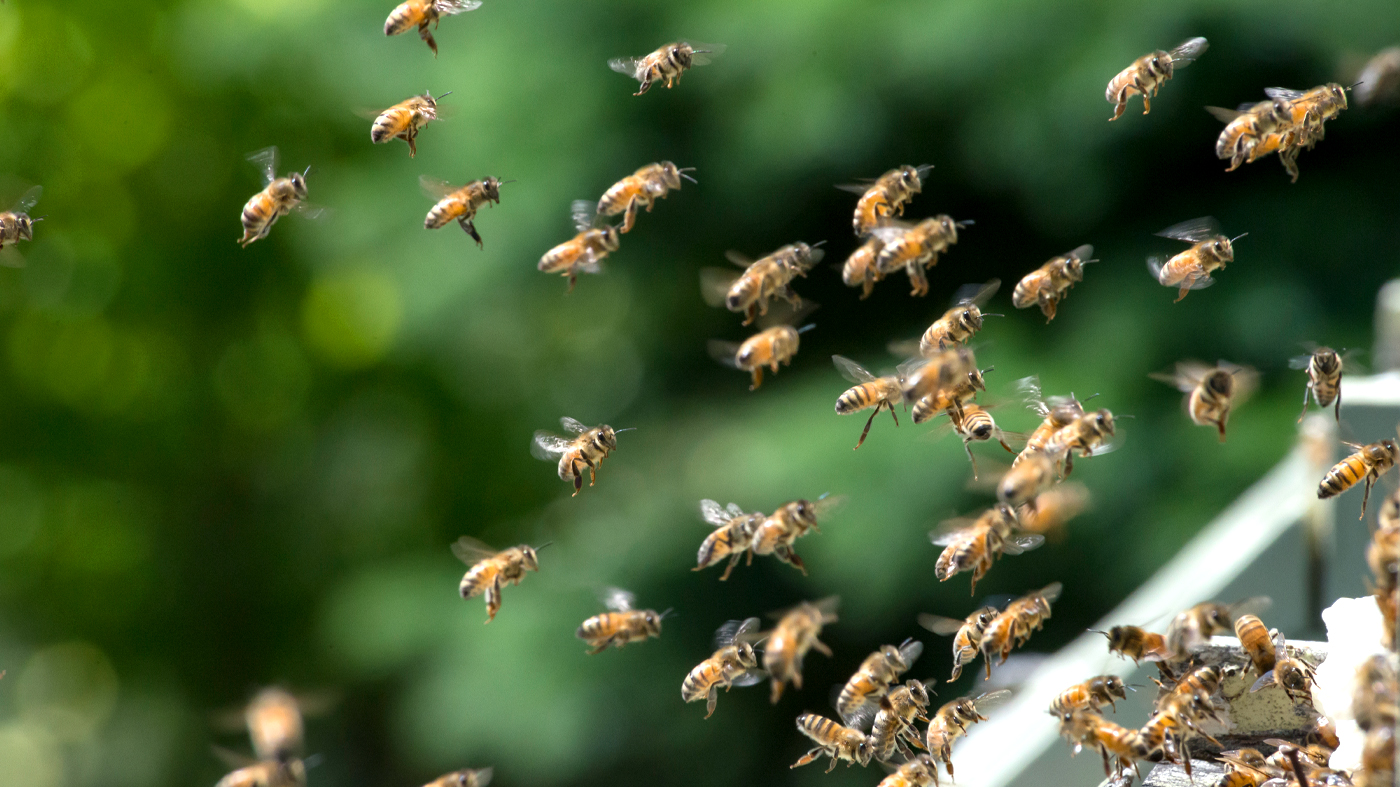
Many animals, especially pollinators, time their activities with the seasonal availability of flowers, fruits, and insects. When plants bloom too early, or lose their blooms to frost, these connections can break down.
Imagine a bumble bee queen emerging from winter shelter during a warm spell only to find a freeze has wiped out the blossoms she needs to feed. Missed timing can ripple outward, affecting nesting success, migration, and entire food webs.
Nature’s choreography depends on everyone keeping the same beat. Climate change forces a frantic scramble to keep in step.
What should a gardener do?
Winter isn’t disappearing; it’s changing. Quietly. Steadily. And that transformation asks us to pay attention.
Here are a few meaningful actions you can take: