News
Garden Stories
Plants that made headlines in 2025
From runways to rainforests, plants stole the spotlight in 2025. Here are the stories that made us fall for them all over again.
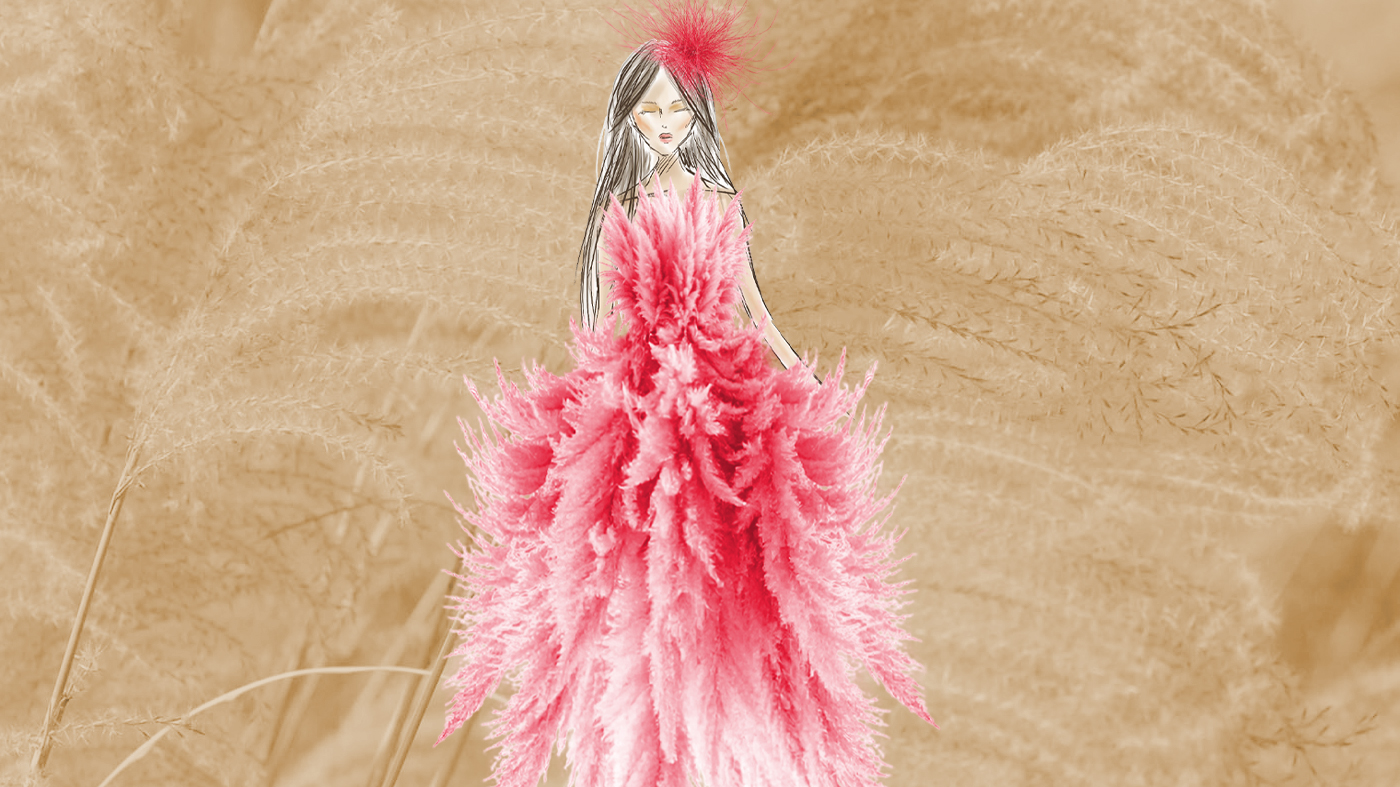
Grassy plumage is the new black.
Made from hand-dyed plant material, these Stella McCartney gowns have all the fluff and float of real feathers, without the birds.
The exact plant species is under wraps, but we have our own ideas!
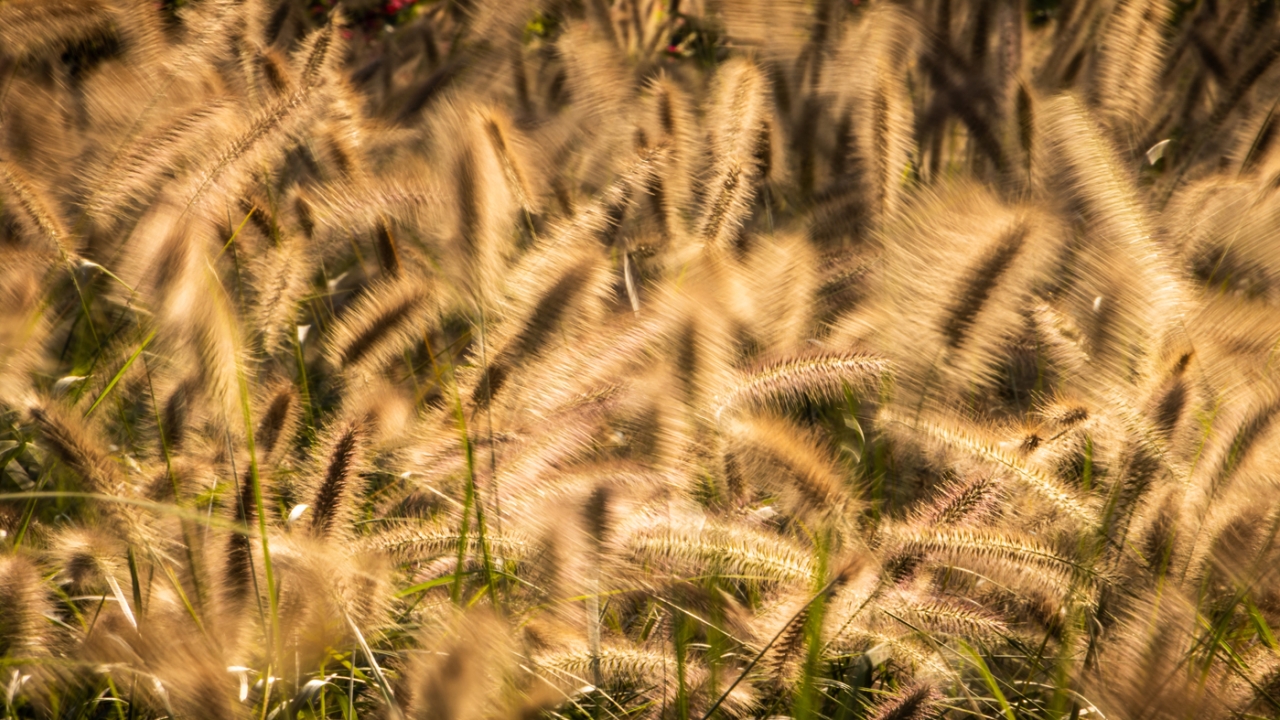
In addition to ornamental grasses like this, we think sedges could make fabulous plumage. An added bonus? Many are native to Illinois and make a great lawn alternative.
This desert cutie is… a sunflower?
Meet the woolly devil (Ovicula biradiata), the first new plant species and genus to be discovered in a U.S. national park in 50 years. “My first reaction is disbelief that it’s in the sunflower family,” said Senior Horticulturist Sarah Nolimal. “Then I think, why am I surprised? Asteraceae is a huge group. My final reaction: It's so cute!”
The woolly devil reminds us of some beauties in the Arid Greenhouse, like Mammallaria gemnispina. “The fuzz on a cactus is actually modified leaves that protect the plant from the sun and keep water in,” said Sarah. “Ovicula’s white fuzz isn’t the same thing, since it’s not a cactus, but it likely evolved for a similar purpose: surviving life in the desert.”
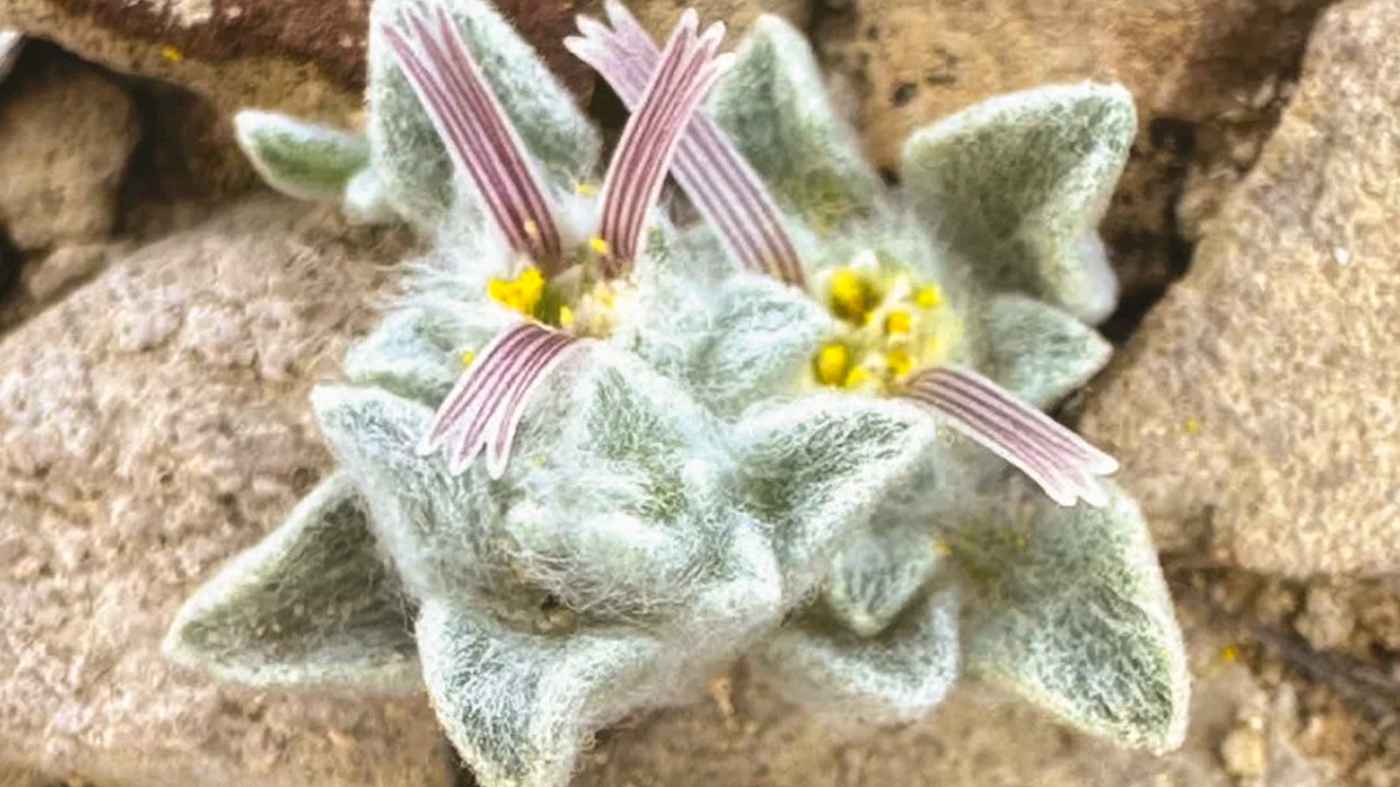
Wooly devil, by Debra L. Manley, Public Domain
A name fit for a princess.
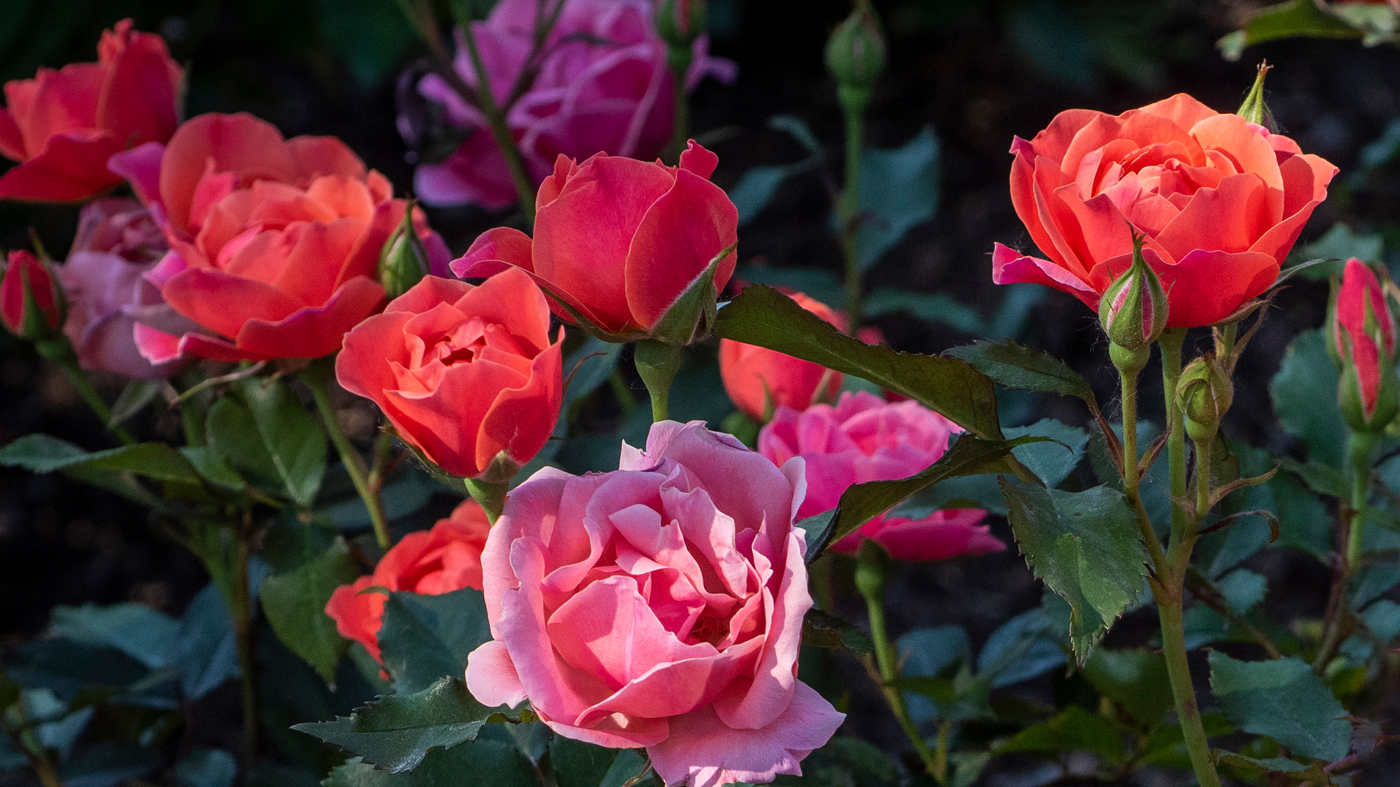
Rosa ‘Catherine’s Rose’
A floribunda rose was named after the Princess of Wales to celebrate the healing power of nature. We have a few princess ties of our own: “Back in 1991, Princess Margaret dedicated the English Walled Garden during a royal visit,” said Senior Horticulturist Heather Sherwood. “There’s another Princess here, too: a beautiful clematis named Diana, which grows near the ramp toward the Dwarf Conifer Garden, not far from the oak planted in Princess Margaret’s honor that still stands tall today.”
Think growing orchids is hard? Try starting from seed.
People can't get enough of these divas, even if they’re famously fussy. Case in point: Different wild orchids rely on different fungi to survive, and this recent discovery is helping scientists figure out which blooms need which mycorrhizal friends before they ever put on a show.
“Because orchid seeds are so tiny—the size of dust—they don’t have built-in food reserves like other seeds. Instead, they rely on specific mycorrhizal fungi for the energy they need to germinate and grow,” said Johanna Hutchins, orchid floriculturist at the Garden, who works with ecologists and other botanical gardens to reintroduce rare orchids into the wild. “Some species can only sprout with the right fungus around, and some orchids even require different fungi at different life stages.”
Apparently for these Calypsoinae orchids, that life-giving sustenance comes from wood-decaying fungi—proof that even deadwood can be full of life!
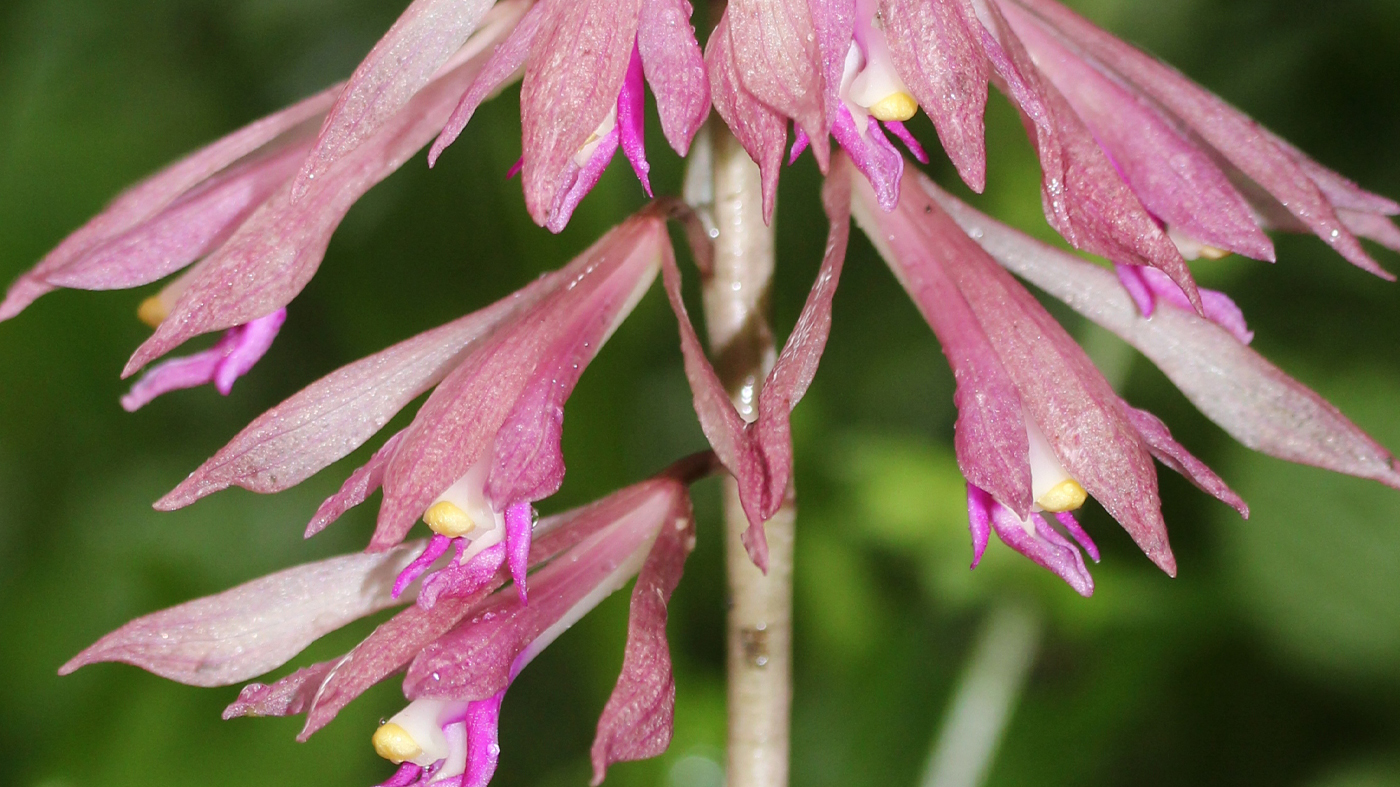
Cremastra appendiculata var. Variabilis, by Alpsdake, CC BY-SA 4.0
.jpg)
Abundance is having a moment.
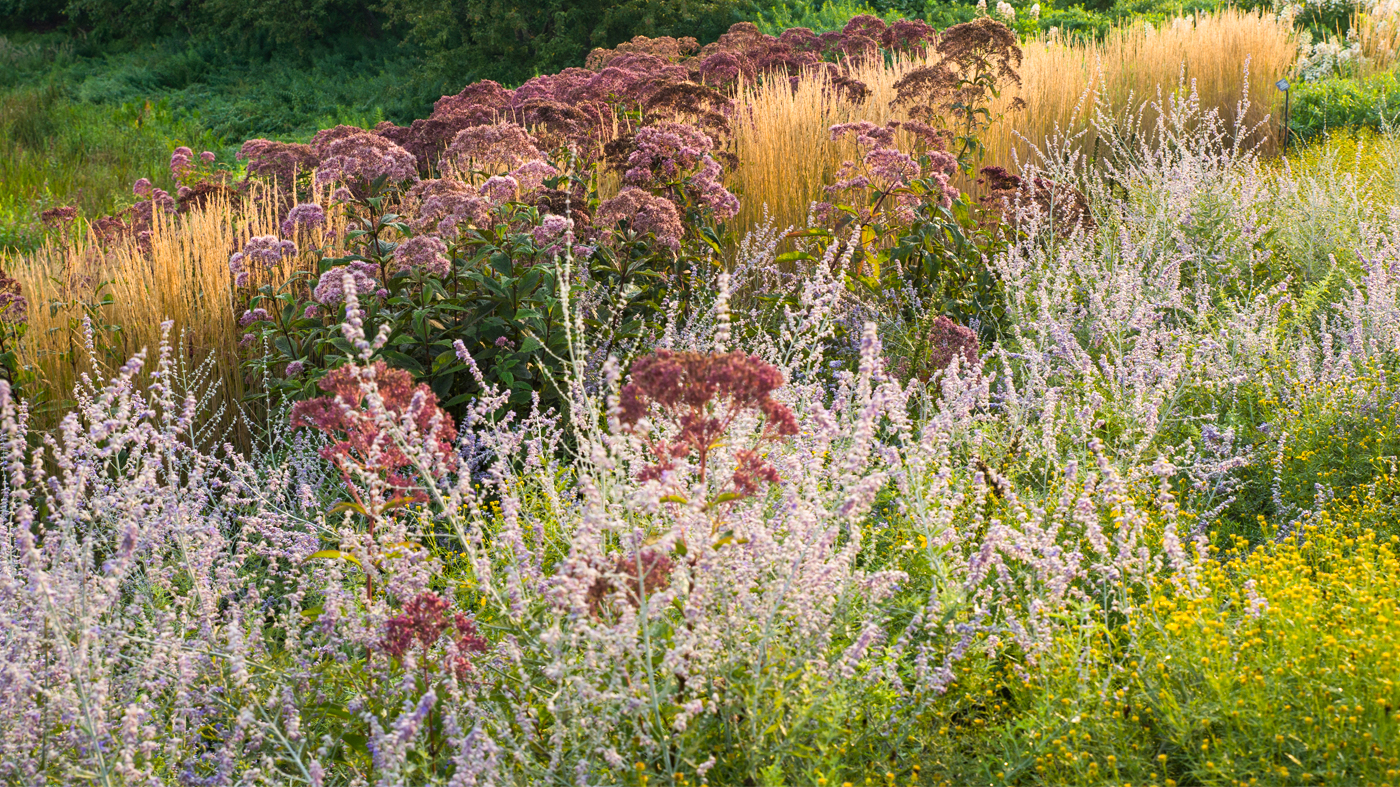
Evening Island
Full of color, texture, and four-season interest, meadow-style gardens filled with native and drought-tolerant plants are a vibrant, climate-smart alternative to thirsty lawns.
“One of the things I love most about tending a naturalistic garden is showing how beautiful it is to garden with nature, not against it,” said Horticulturist Helen Bartlett, who cares for Evening Island. “Leave plants standing through winter and you get to enjoy every stage: buds, blooms, seedpods, sculptural stalks. They also feed and shelter wildlife. Plus, gardening with nature usually means fewer tasks to check off your list.”
Craft your plant palette and let your garden bloom boldly. Embrace abundance—go wild.