How To - Dried Flowers

How-to

Garden Stories

Five ways to heal with plants in winter

When winter takes its toll—dry skin, coughs, holiday overload—you may find remedies in the natural world.


herbal remedies

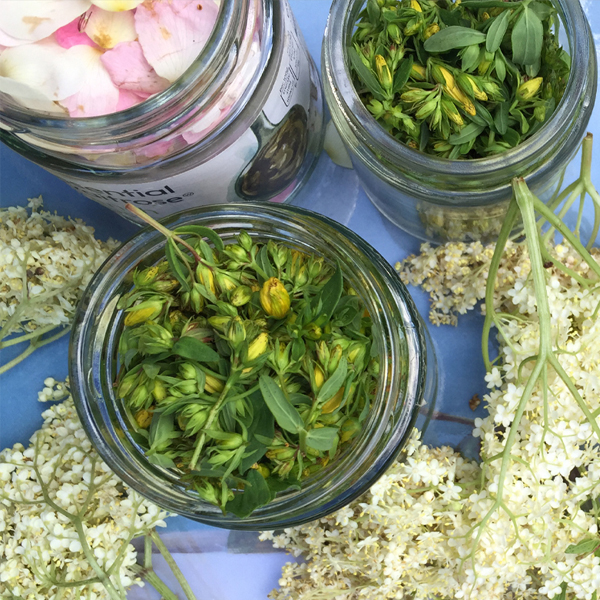
An increasing number of people are turning to plants to heal mind, body, and spirit. You can take a class at the Chicago Botanic Garden to learn more

Meanwhile, here are a few ways to get started:
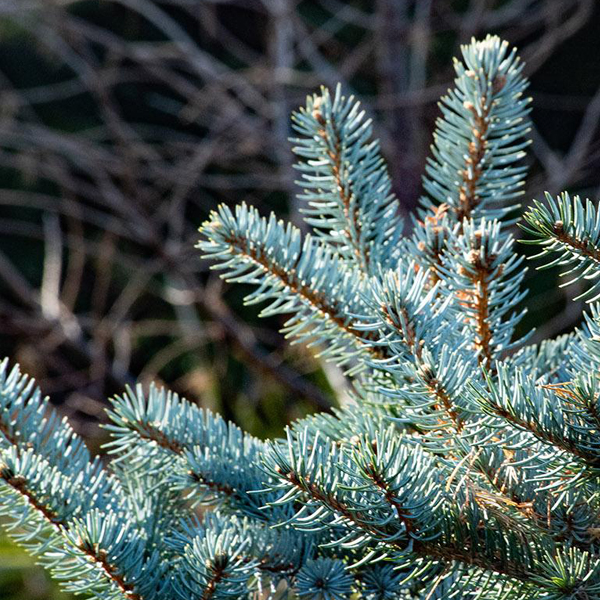
pine
White Pine-Infused Honey

For sore throats or pick-me-ups, clinical herbalist Dawn Petter makes a simple remedy of honey and pine needles (see recipe, right). “Rich in antioxidants and uplifting essential oils, pine is the perfect winter ally to awaken the senses and enhance winter wellness,” says Petter, owner of Petalune Herbals in New York.

Tip: It takes six weeks for this recipe to be ready, so think about preparing it ahead of time, before the cold-and-flu season. 
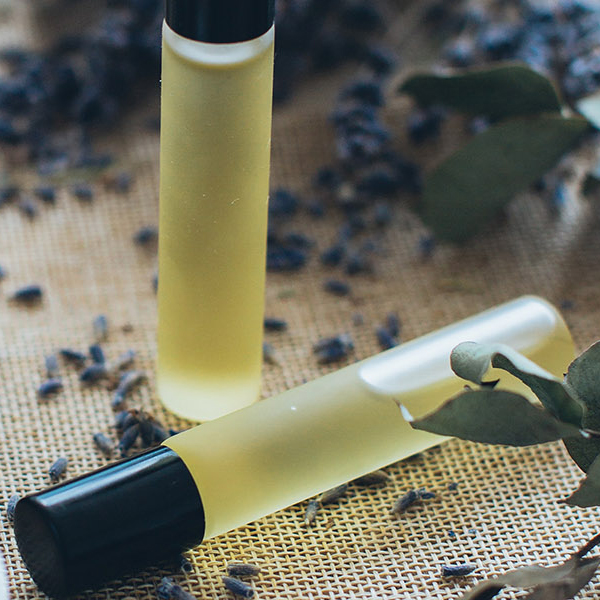
healing herbal oils
Marshmallow Root-Infused Jojoba Oil

Cold, dry air can wreak havoc on your skin. Petter likes to make an oil with marshmallow root to use for winter hydration (see recipe, right). “Marshmallow root is soothing, moisturizing, and anti-inflammatory,” she says.

Tip: You can buy small amounts of dried, cut-and-sifted marshmallow root at an herbal shop or online at a site such as Jean’s Greens.
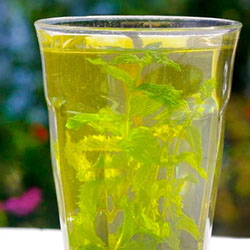
 

Herbal tea
Tea

While gathering with family and friends, you might pick up a cough or sniffles along the way. A cup of hot tea with herbs is soothing and healing, and can help you sleep. You can brew a cup of herbal tea with common ingredients, such as fresh ginger.  learn more
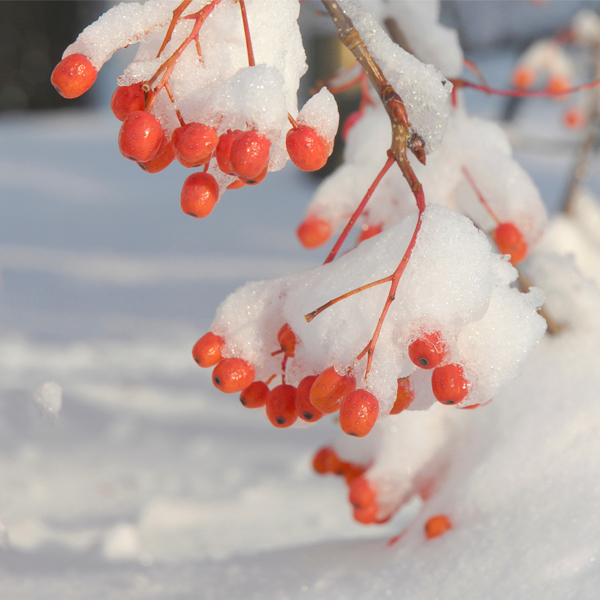
Winter scene
Awe Walk

A growing body of research shows that exposure to nature makes us happier and healthier. Some experts, in fact, encourage daily—yep, even in winter—walks outside to lower blood pressure and stress or just take a mental break. Researchers say that the natural world inspires awe, but you have to look for it. Learn More
Winter creativity
Get Creative

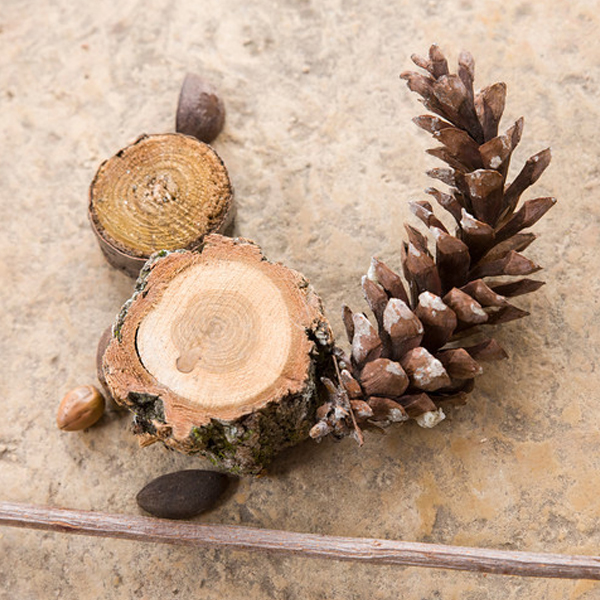
Head outside, with kids or without, and let nature inspire you. A good way to chase away the winter blues is to make something with natural materials. Learn More


These recipes are what herbalist Dawn Petter calls “folk remedies.” “There’s a lot of room for individual expression,”  says Petter, an adult education instructor at the Chicago Botanic Garden. “You can’t go wrong.”


White Pine-Infused Honey for Coughs and Other Ailments

A honey infusion with pine needles is a lovely way to capture the citrus notes of the pine, as well as the health benefits. Below, the recipe calls for white pine (Pinus strobus), but any nontoxic pine will work.

Tip: To help you identify white pines, look for needles in bundles of five.

What you’ll need
A glass jar
Handful of fresh white pine needles (gathered away from polluted areas)
Enough raw honey* to completely cover the chopped-up pine

Method
Snip the pine needles into ¼-inch pieces and loosely pack a jar about half full with the needles. Fully cover the needles with the honey and stir well to ensure there are no air pockets. Label and date the jar.

You can leave the jar on the kitchen counter, but keep it away from direct sunlight. The fresh needles will rise up to the top. Stir the jar in the morning and the evening to make sure the needles are fully amalgamated into the honey.

After a few days, the pine needles will start to sink down, and the honey will thin a little. Continue to stir the honey every few days for the next six weeks. Strain out the needles and your infused honey is ready to use.

Tip: Gently heat the jar in a bowl of warm water before straining to make the sticky process a little easier.

How to use
Eat off the spoon. Stir into a warm cup of herbal tea. Add to a cocktail or mocktail.

Shelf life
Honey is naturally preserved, so if you follow the recipe and don’t see any plant material above the top of the honey, it should last indefinitely.


*Raw honey has not been heated above 105° degrees Fahrenheit, so its nutrients are intact.

Marshmallow Root-Infused Jojoba Oil for Winter Skincare.

You can get the benefits of marshmallow root by infusing the cut-and-sifted roots into an oil. Infusing herbs into oil is an excellent way to receive their botanical benefits into the skin. This recipe uses jojoba oil, which is suitable for all skin types and easy to absorb.

Recipe
4-ounce jar
10 grams of dried, cut-and-sifted marshmallow root
3 ounces of organic jojoba oil

Method
Add the marshmallow root to the jar. 
Cover with the oil until the liquid is ½ inch below the rim of the jar. Stir. Cover with a lid and label and date the jar. You can leave the jar on the kitchen counter, but keep it away from direct sunlight. Shake the jar every few days to amalgamate the herbs into the oil. After six weeks. strain out the marshmallow root and pour the herbal oil into a glass bottle with a dropper.

How to use
Apply a few drops of the oil to dampened skin, once or twice a day for hydration.

Shelf life
The infused jojoba will last two years. The shelf life may be extended if you store it in the refrigerator.