Native Woodies for Sun and Shade
There are many good reasons to choose native shrubs for your garden. They’ve evolved and adapted over thousands of years to the ever-changing Illinois climate and the soils. They provide food and shelter for a variety of wildlife—birds, bees, butterflies, and many others.
Some of these shrubs can withstand drought or wet conditions, and there are shrubs for sun and shade. A bonus—they are ornamental and attractive, often providing multi-season interest in the landscape. Many can be used in a border, alongside a garage or foundation wall, along a fence, in a shade garden, or as a hedge. If you’re planning on planting this growing season, consider how a few native shrubs can work in your outdoor space. Here are just a few of the hundreds that can be seen growing at the Garden.
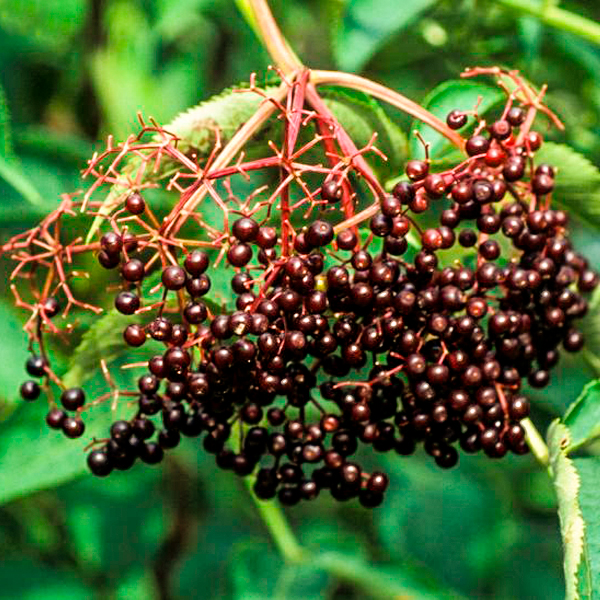
American Elderberry (Sambucus canadensis)
This fast-growing shrub offers large clusters of showy fragrant flowers in June followed by purple-black berries, which are relished by birds. Arching, suckering stems can reach 5 to 12 feet in height and width. Often seen in local forest preserves, woodlands or roadsides, elderberry is sometimes overlooked as a good shrub for the home garden. Give it a spot with full to part sun, moist conditions, and a fertile loamy soil. It’s a good choice for a rain garden, too.
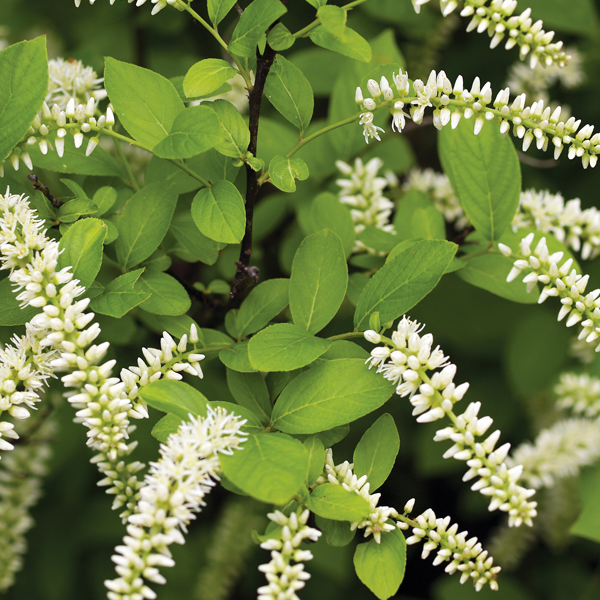
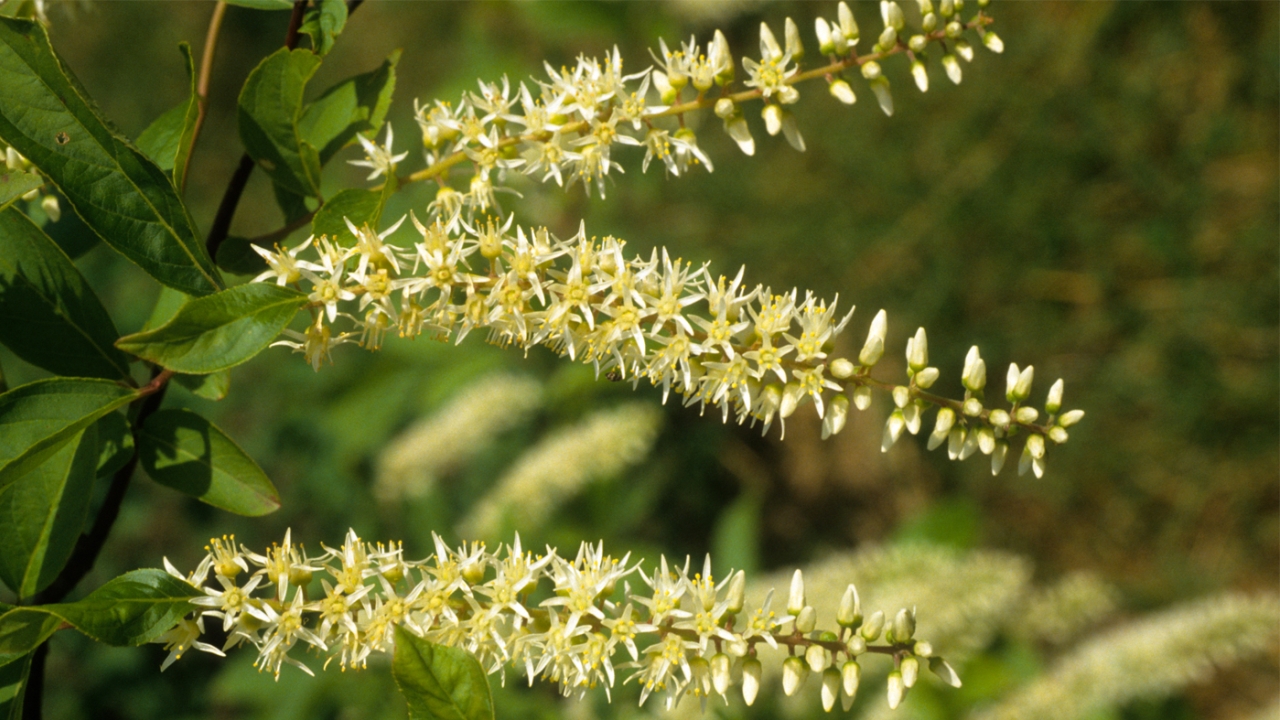
Virgina Sweetspire (Itea virginica)
This spreading shrub grows 3 to 6 feet tall and offers a long display of fragrant white flowers in mid-summer, attracting ruby-throated hummingbirds. Give it full sun to part shade. Sweetspire’s fall color can be red, orange, or gold. Native to stream banks, this shrub produces suckers, which can be useful when grown as a screen or hedge. Bonus: Deer tend to leave it alone. Breeders have selected cultivars for better fall color, better habit, and more prolific flowering.
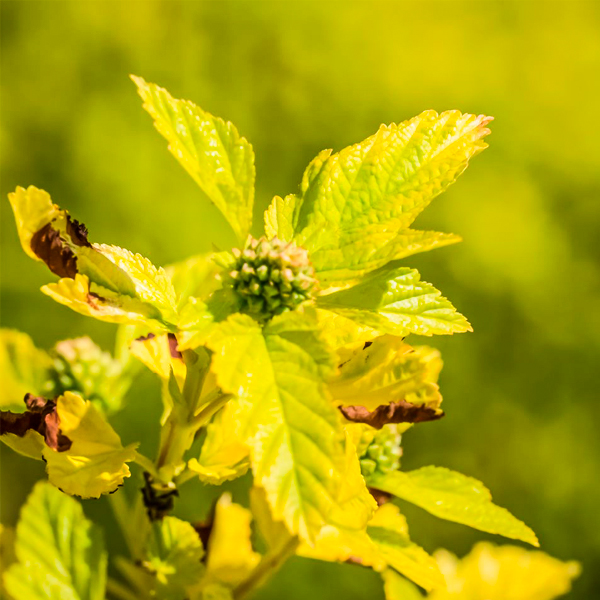
Common Ninebark (Physocarpus opulifolius)
Ninebark is occasionally found growing along streams and in dry woodlands in the northern half of Illinois. Adaptable and tough, it blooms for 2 to 3 weeks during late spring into early summer, attracting butterflies and other nectar-seeking insects. Easy to grow and tolerant of a range of soils and light conditions, ninebark produces many woody stems that can reach 8 feet tall and 5 to 6 feet wide. Plant breeders have created a number of cultivars, some shorter and more compact or with foliage that is chartreuse or deep burgundy.
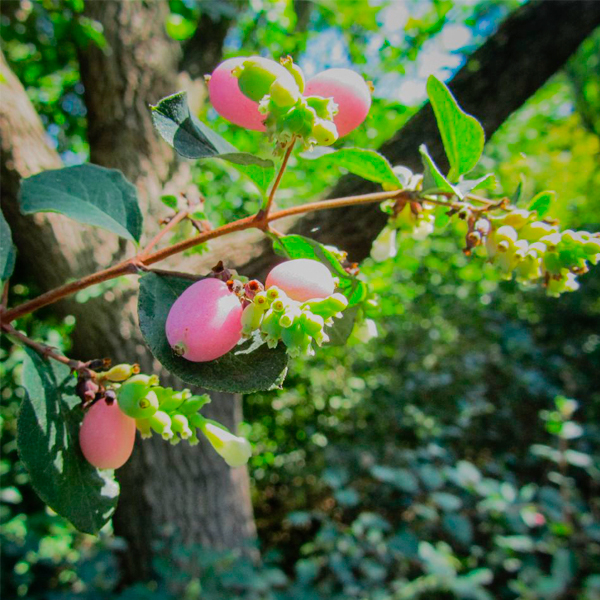
Coralberry (Symphoricarpos orbiculatus)
This underused, small native shrub produces very small greenish-yellow flowers followed by pinkish-purple berries that are sought by robins in fall and winter. Not fussy about conditions, coralberry grows about 2 to 4 feet tall in partial sun, moist to dry conditions, and loamy or rocky soil. The foliage provides food for the caterpillars of the Snowberry Clearwing and Hummingbird Clearwing moths.
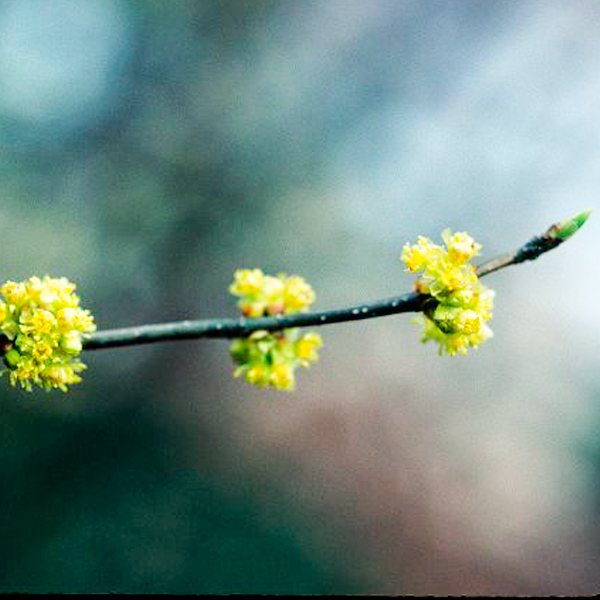
Spicebush (Lindera benzoin)
This plant is aptly named because its leaves, stems and tiny yellow flowers emit a spicy fragrance. Planted in dappled sunlight to medium shade with moist to well-drained fertile soil, this deer-resistant woody attracts spicebush swallowtail butterflies and promethea moths, which lay eggs on the leaves. It is one of the first to bloom in spring, and the bright red drupes are food for white-throated sparrows and other migrating birds in late summer and fall. With age, spicebush can become a multi-stemmed small tree up to 15 feet tall. Bonus—great golden fall color.
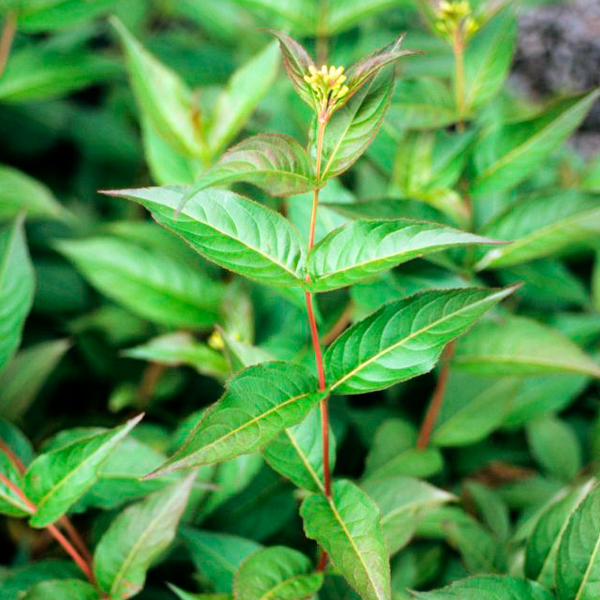
Dwarf Bush Honeysuckle (Diervilla lonicera)
This honeysuckle is one tough plant. It grows just about anywhere—in moist or dry soil as well as in full sun to full shade. New spring foliage is copper-toned with fall color that can be yellow, orange, red or purple. Delicate yellow tubular flowers appear in late spring to early summer on plants that are 2 to 4 feet tall and 4 to 5 feet wide. Don’t confuse this delightful native with invasive bush honeysuckles, Tartarian, Amur and Morrow, which hale from Europe and Asia.
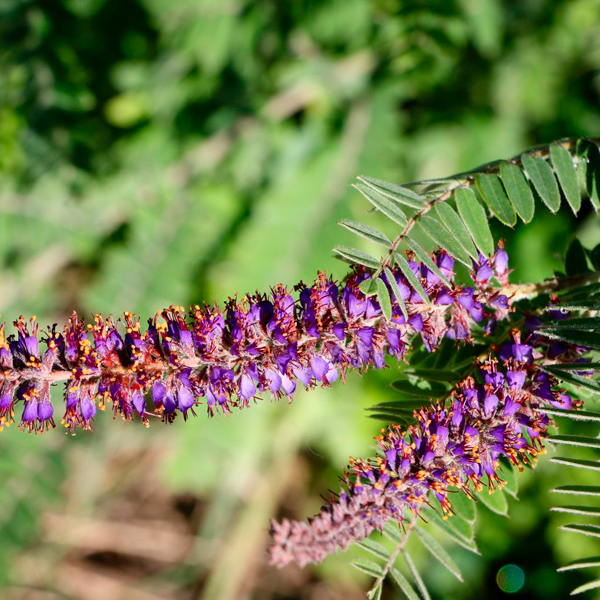
Lead Plant (Amorpha canescens)
This delightful semi-woody shrub grows 2-3 feet tall and produces long stems covered in purple-violet flowers from July through September. Plant it in full sun and well-drained soil, and once it’s established it can withstand drought conditions and works well in a hot, dry site. With age, lead plant becomes increasingly woody. (If deer are an issue, the plant will need protection.)
Discover More
Landscaping with Native Plants
Get the App
Enhance your next visit to the Garden with the GardenGuide app. Featuring an interactive map, tour guide, event calendar, What's in Bloom, Garden plant finder, and general plant guide, among other fun and useful things.
Nina Koziol is a garden writer and horticulturist who lives and gardens in Palos Park, Illinois