Garden trends for 2026
Crevice Gardens
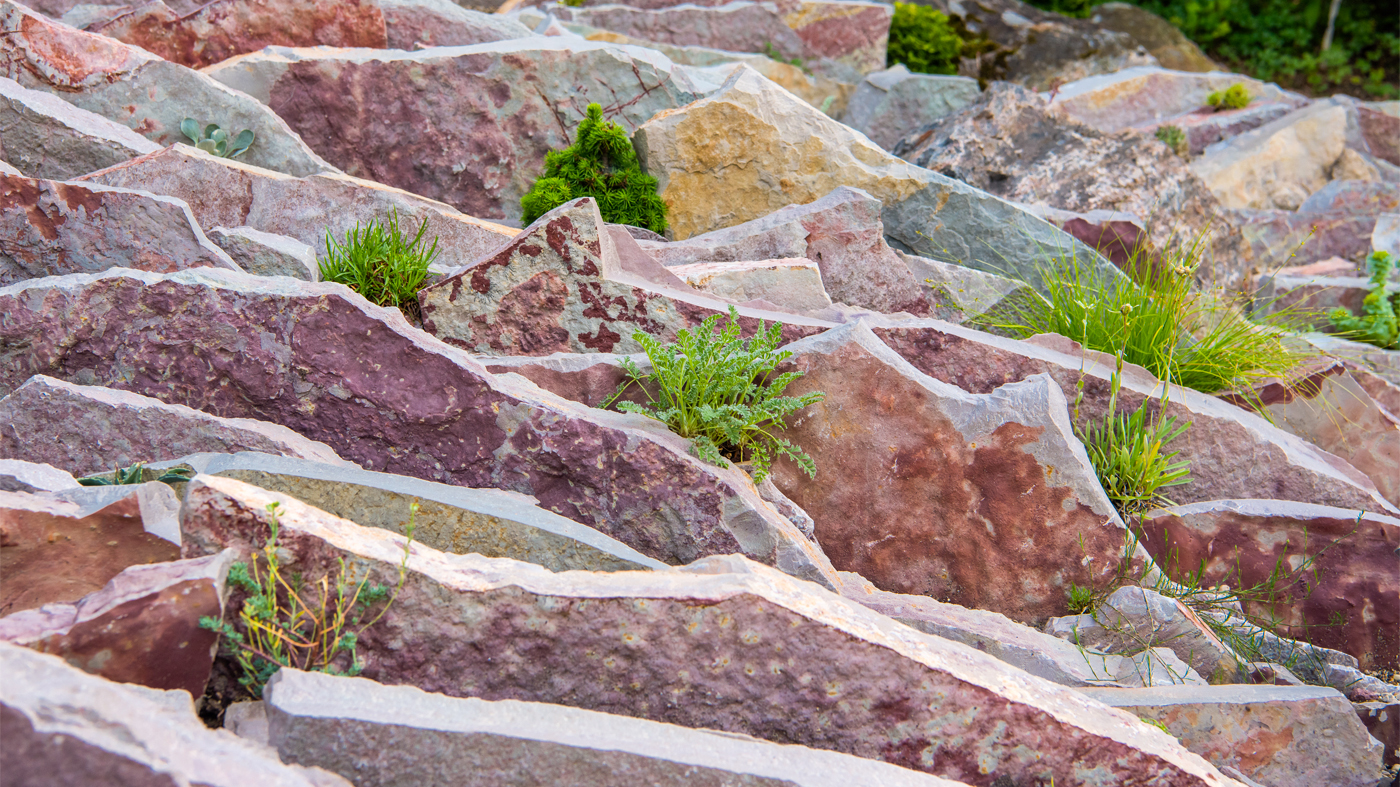
Crevice gardens take a cue from natural areas where rocks and stones slide off a bluff and land at the bottom. In those sites, plants sprout up over time in the meager soil and sand that falls or blows in. In a designed planting, a crevice garden features vertical stone slabs closely spaced, leaving deep, narrow channels filled with soil for planting. The Farwell Landscape Garden holds a great example filled with rock garden and alpine plants.
Pollinators
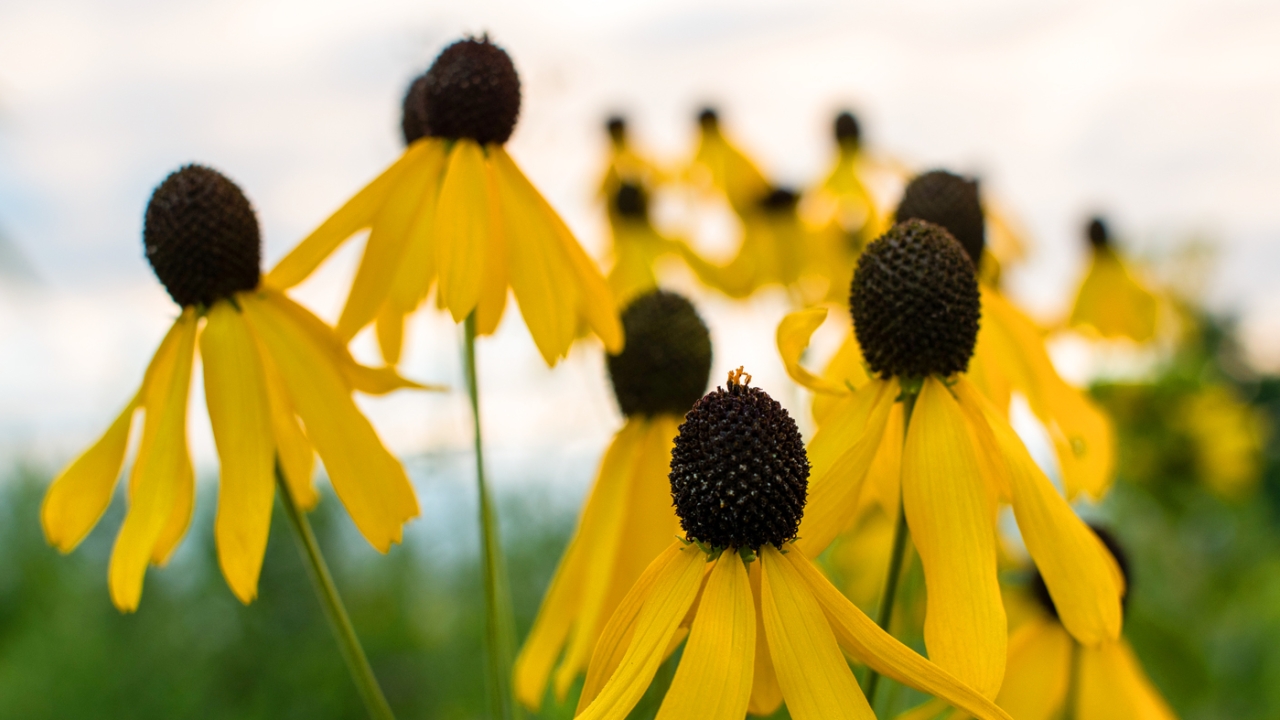
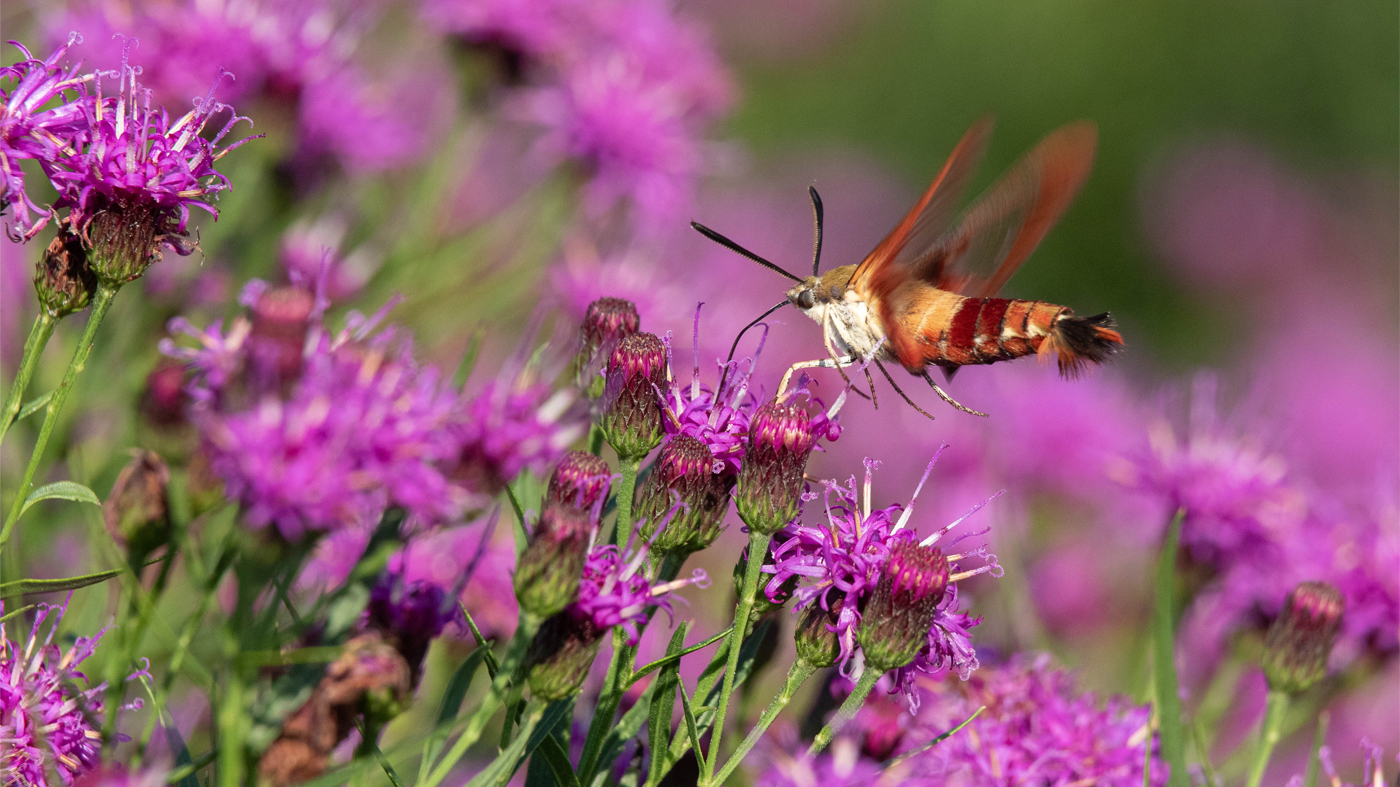
Interest continues to increase in the plight of pollinators. More people are expected to plant flowers for pollinator food, and host plants where they can lay their eggs. This spring, search local gardens centers for perennials, annuals, and native plants particularly that are not only beautiful, but will feed the bees and other important insects. A flower-filled border (or even a container or two) blooming from May through October can also attract other nectar-seeking creatures like hummingbirds, butterflies and moths.
Shrink the Lawn
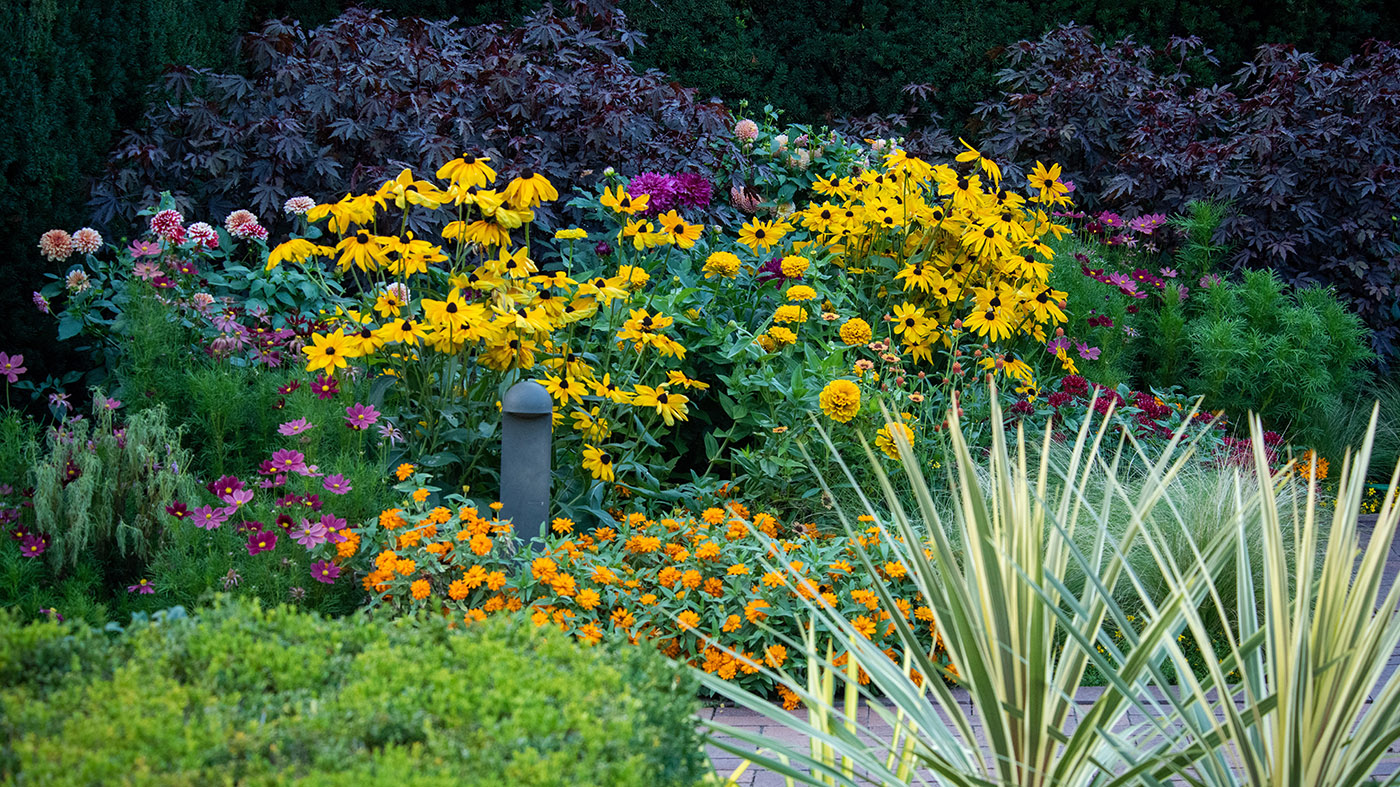
Many homeowners are expected to downsize part of their lawn this year and replace it with small plantings to attract birds and butterflies. Mowing, weeding, spraying, and watering a lawn requires plenty of time and resources each week—for some 20-plus weeks each growing season! They’ll reduce the time spent on lawn maintenance and the result will be a colorful bed or border that will provide much more enjoyment for them as well as benefits for wildlife.
Native Plants
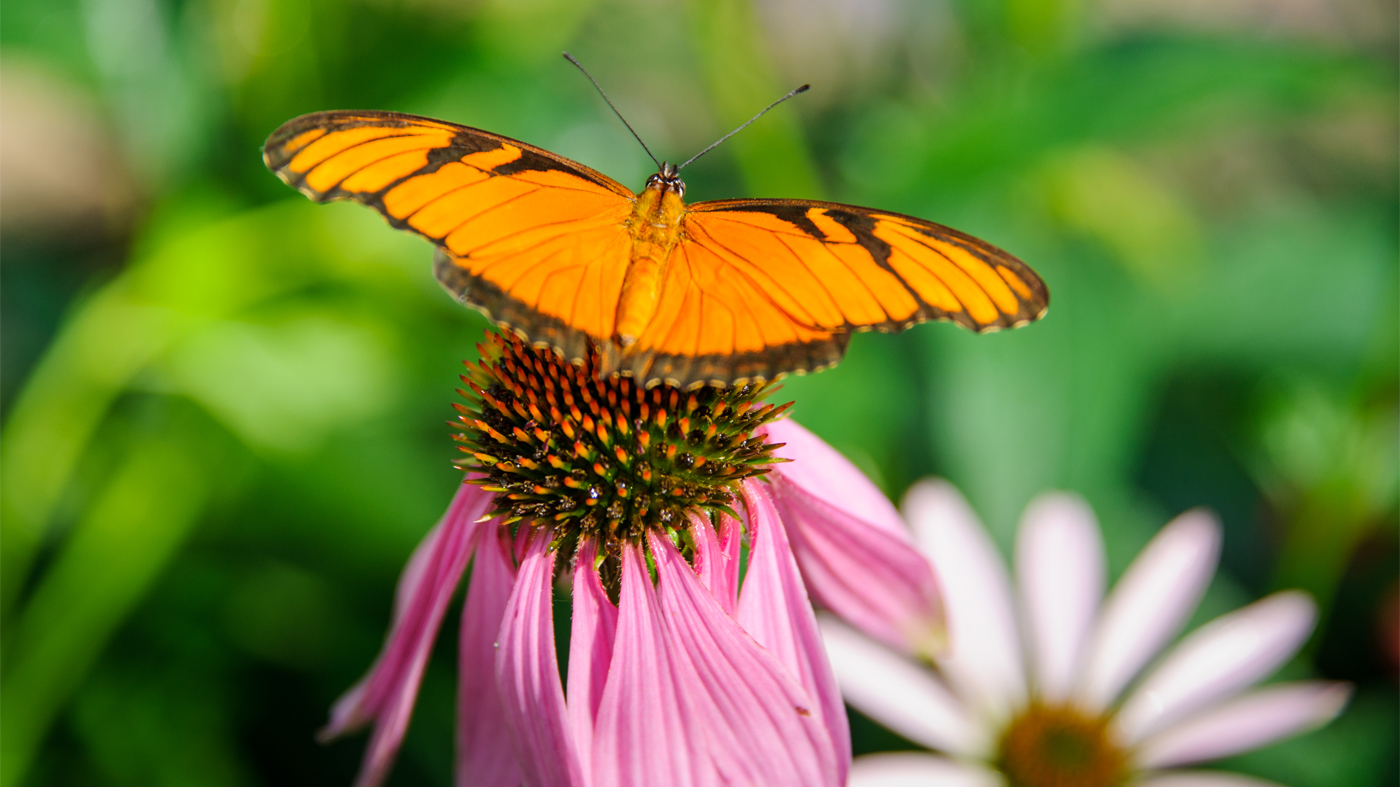
Biologists continue the drumbeat about the importance of biodiversity. Native plants and insects evolved together and need one another for food and pollination support. Watch for more native plant offerings at garden centers and through local plant sales.
Gravel Gardens
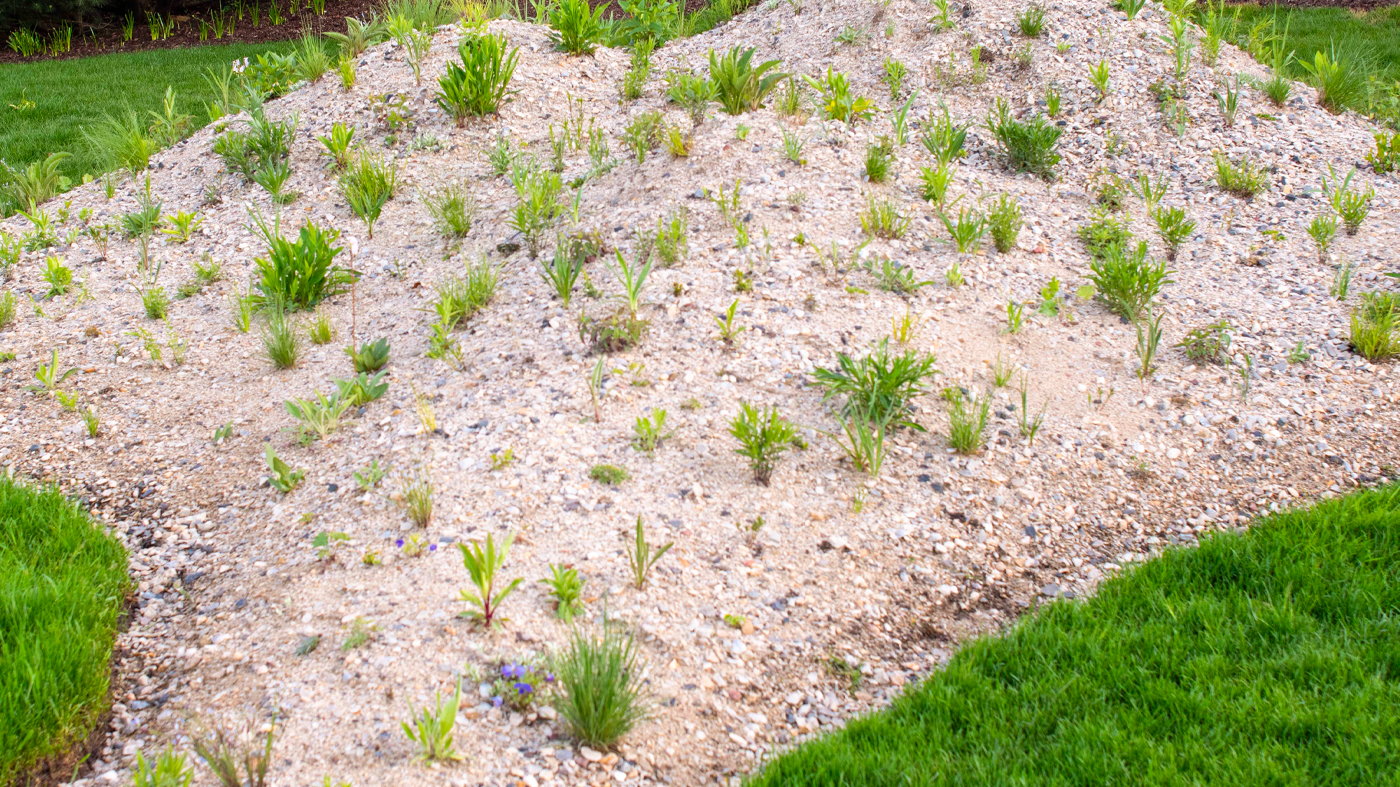
Remember the wildly popular use of red or black lava rock in foundation plantings back in the 1980s? That’s not what today’s gravel garden is about. Unlike the raked layer of gravel found in Japanese-style gardens, the “new” gravel gardens are essentially a five- to six-inch layer of angular-edged pea gravel that sits atop soil. This allows the roots of the plants—especially native prairie plants that have deep roots—to travel down to the soil while preventing weed seeds from germinating in the top layer of stones.
Natural Swimming Pools
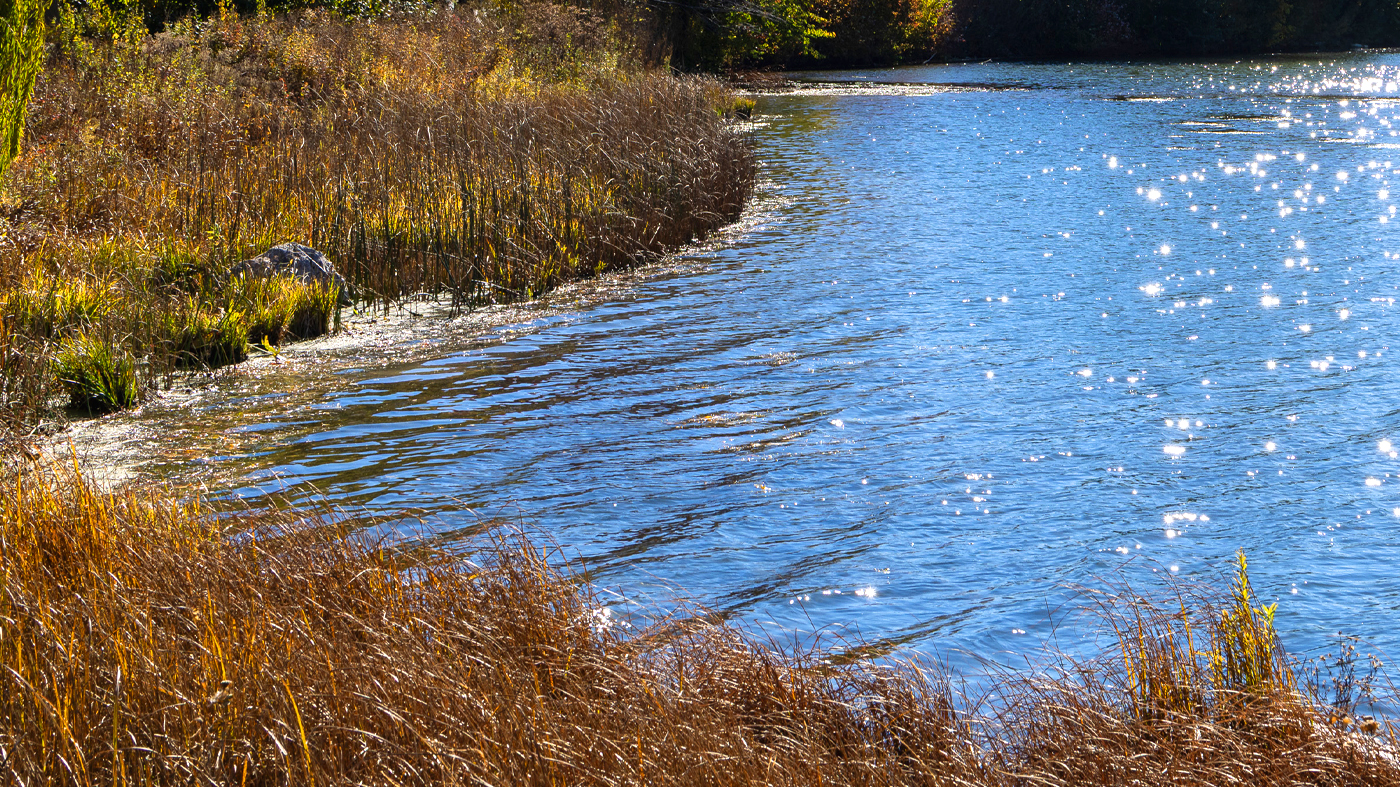
Natural swimming ponds are a throwback to the days when people swam in local ponds, lakes or streams. It’s essentially a backyard pool, but without the harmful effects of chlorine and other chemicals (or the clear water we’ve come to expect from treated pools). These recreational ponds offer lower maintenance costs than traditional and chemically treated pools. What’s old is new again.
Meadow Gardens
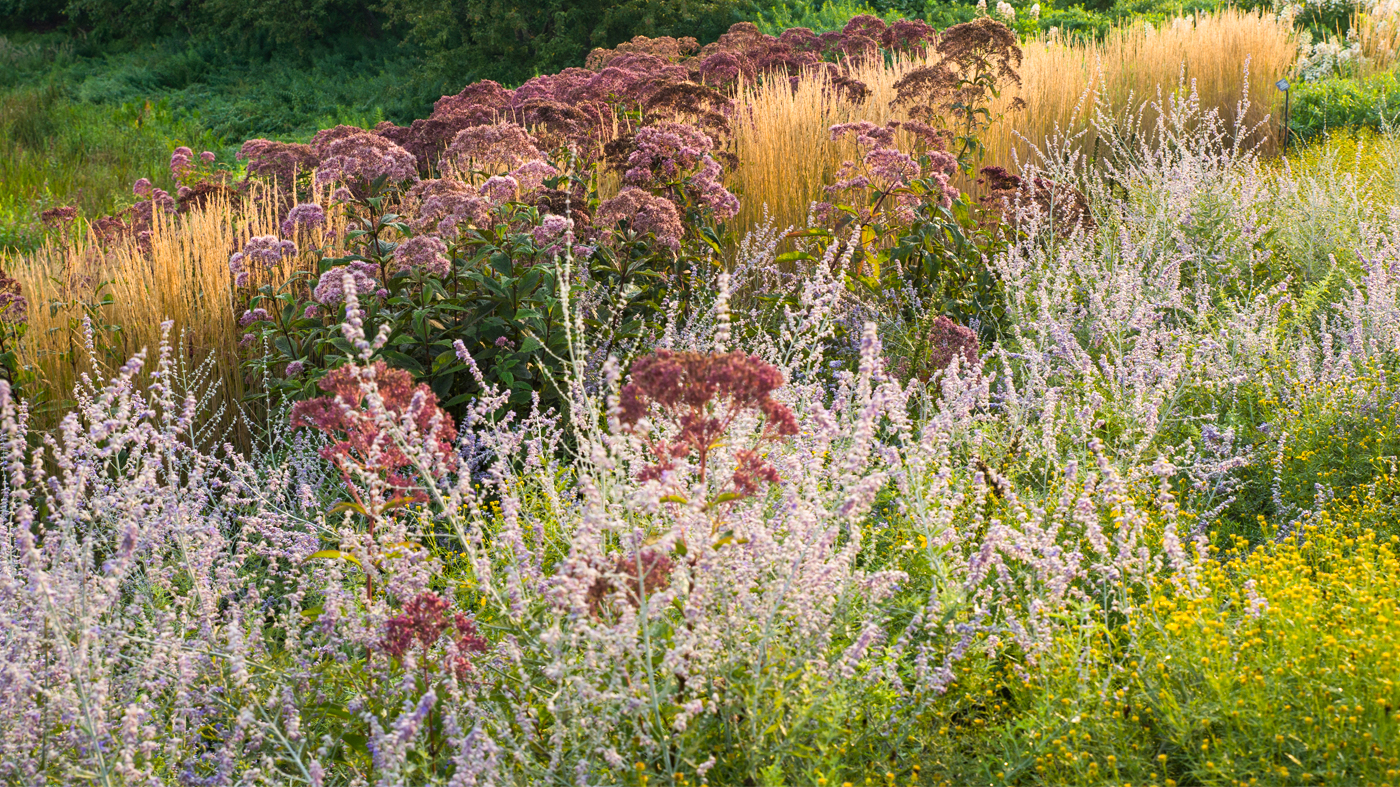
Meadow-making. It’s not a new thing—the Garden installed a Meadow Garden in 2000—but the “meadow look” is increasingly popular. It’s called by other names—The New Naturalism, The New Perennial Movement, The Sustainable Garden. All speak to mimicking the look and feel of prairies and meadows, using perennial plants that evolve with the seasons. They are part of the Shrink the Lawn movement.
Biophilic Design
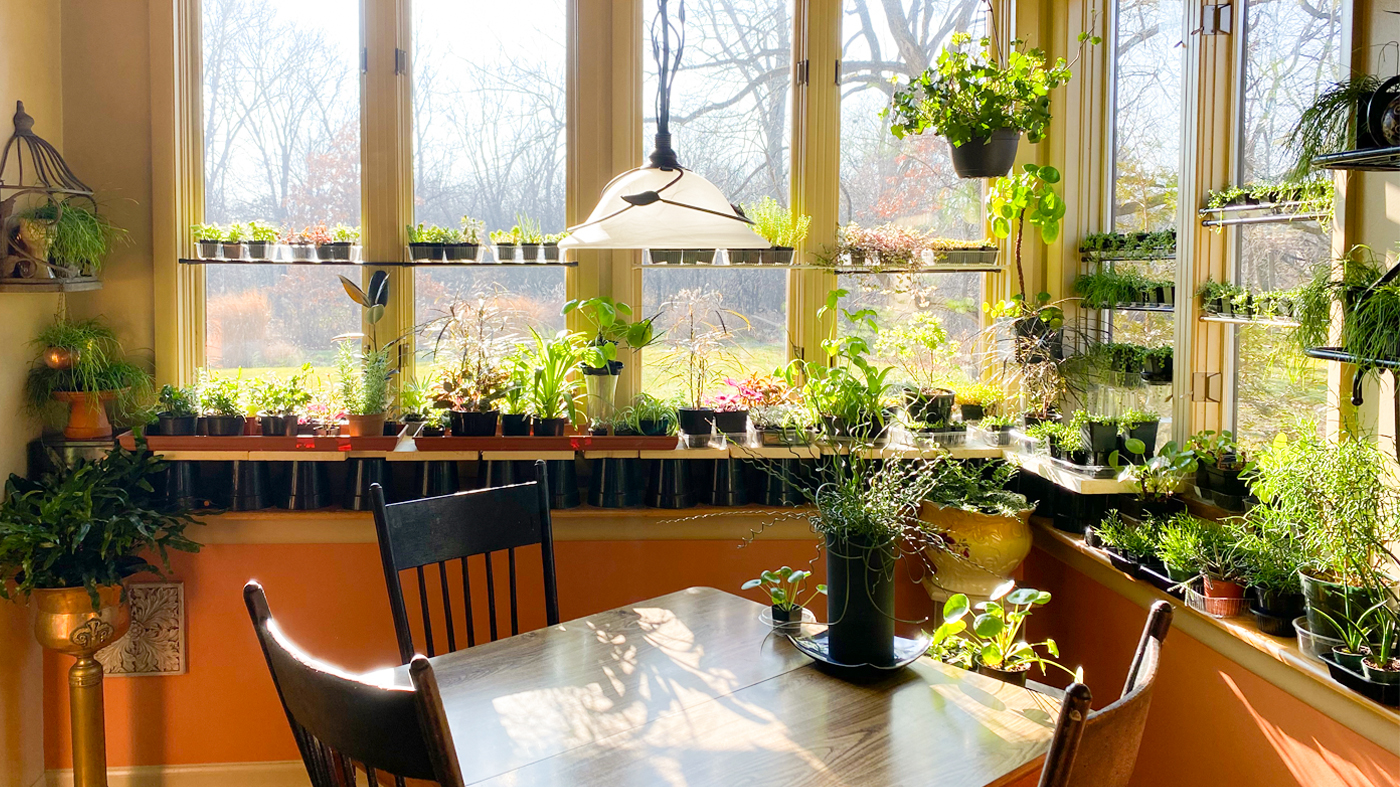
This design concept melds indoors and out for enhancing mental and physical well-being, and it’s gaining traction. For example, it’s a house (or an apartment, condo or cubicle) where occupants connect with plants—those that thrive inside—and where the windows provide a view onto nature—a park or trees—not a parking lot, street, brick wall, or other hard features. Indoors, it’s not just a few houseplants in pots. Designers are leaning into nature—showing large vertical indoor walls planted with tropicals and vines.
Nina Koziol is a garden writer and horticulturist who lives and gardens in Palos Park, Illinois