

Upcycle Your Houseplants: Thinking Outside the Pot
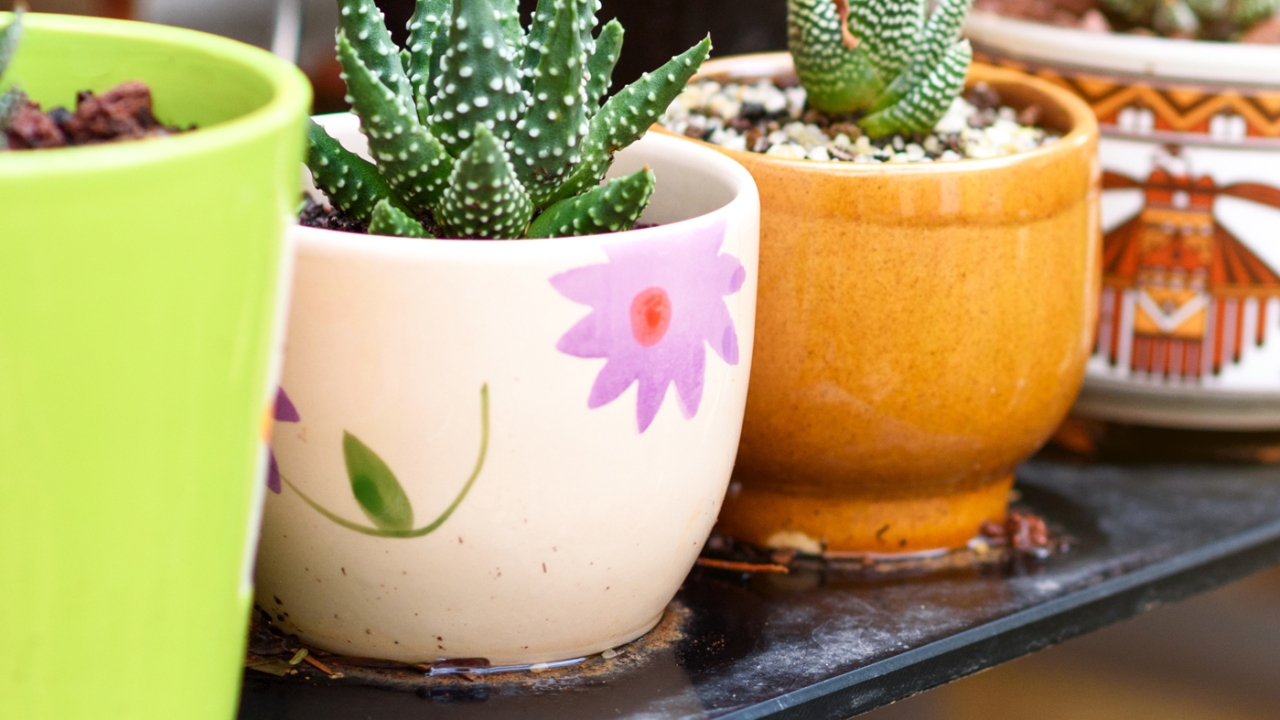
While the wind is howling and the temperatures plunge, I like to repot my succulents and other houseplants—a fun project, especially while I look out the window at the snow. But not just any pot will do. I’m a fan of resale stores and consignment shops where some of the most interesting (and inexpensive) items sit on shelves waiting to be transformed into vessels for my tiny spider plants, succulents, and other indoor plants.
There’s been a resurgence of interest in growing houseplants, especially as cuttings, rooted in water. (This is so 1970’s, but what’s old is new again.) A local garden center, this winter, is selling small rooted cuttings of pothos (Epipremnum) in a water-filled glass for $20. Thrift stores offer shelves of glassware that can make interesting containers for cuttings. Glass bowls, Ball jars, martini glasses, pitchers—they, too, present an opportunity for the creative indoor gardener—whether you’re growing cuttings, a cactus, or transforming these items into terrariums.
Thrill of the Hunt
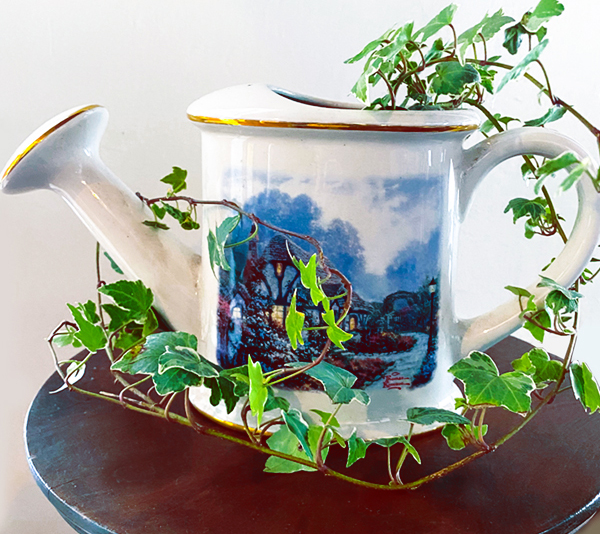
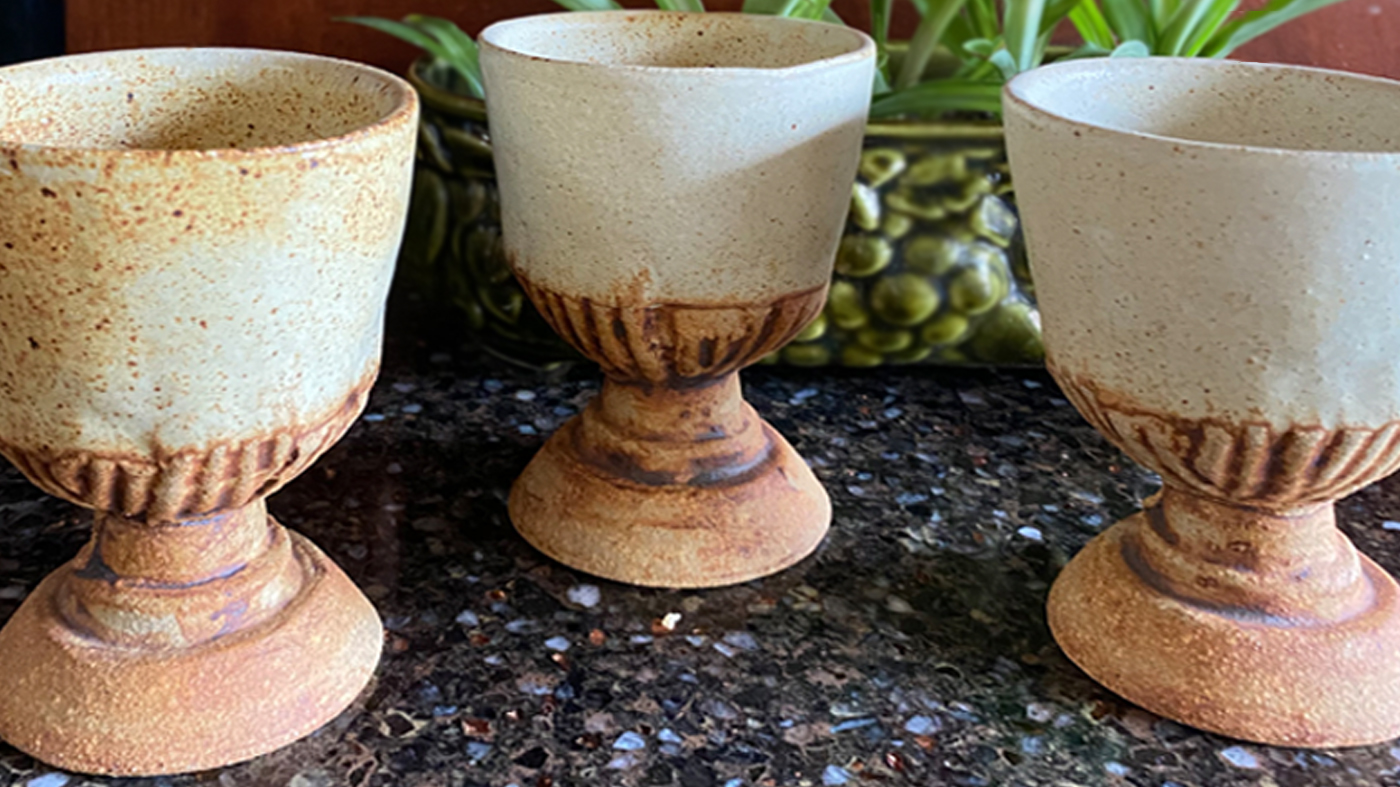
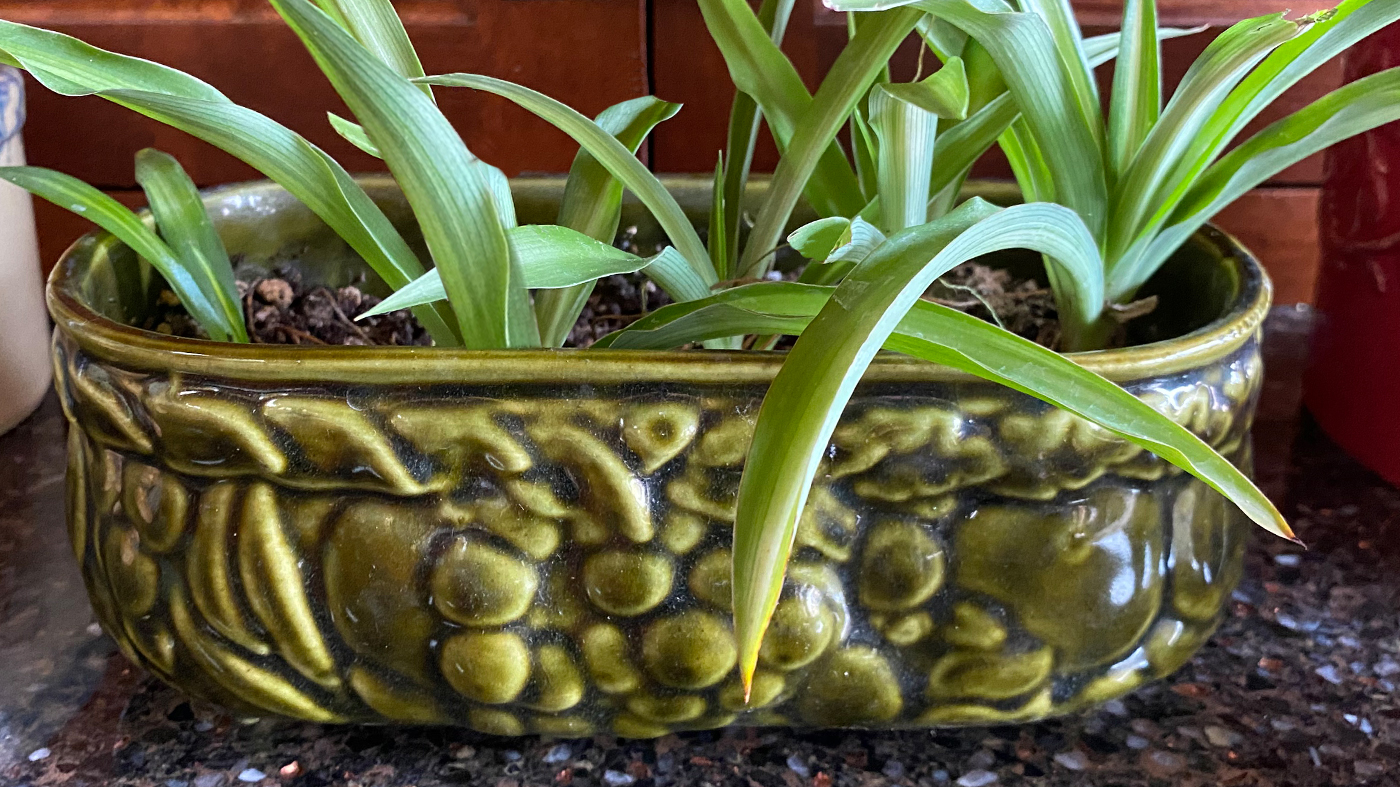
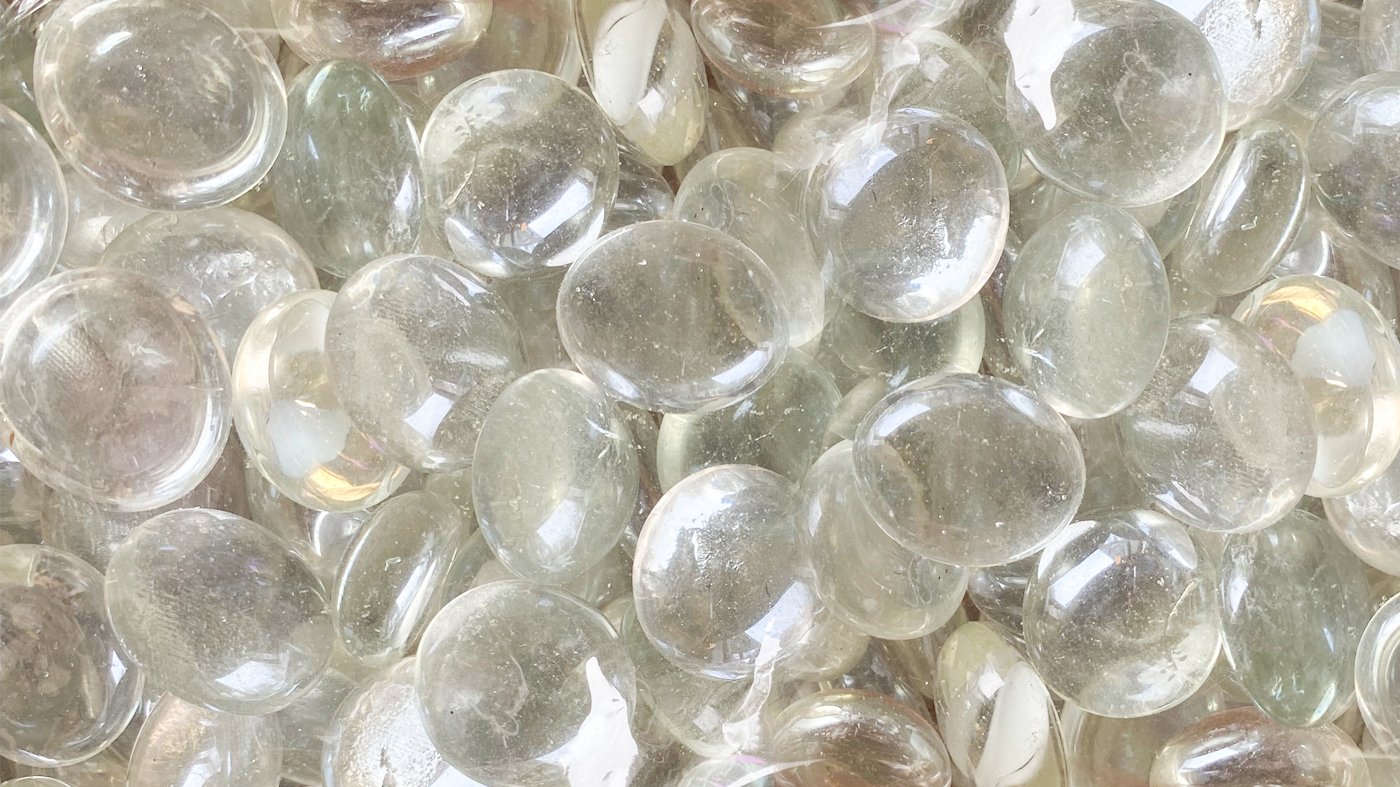
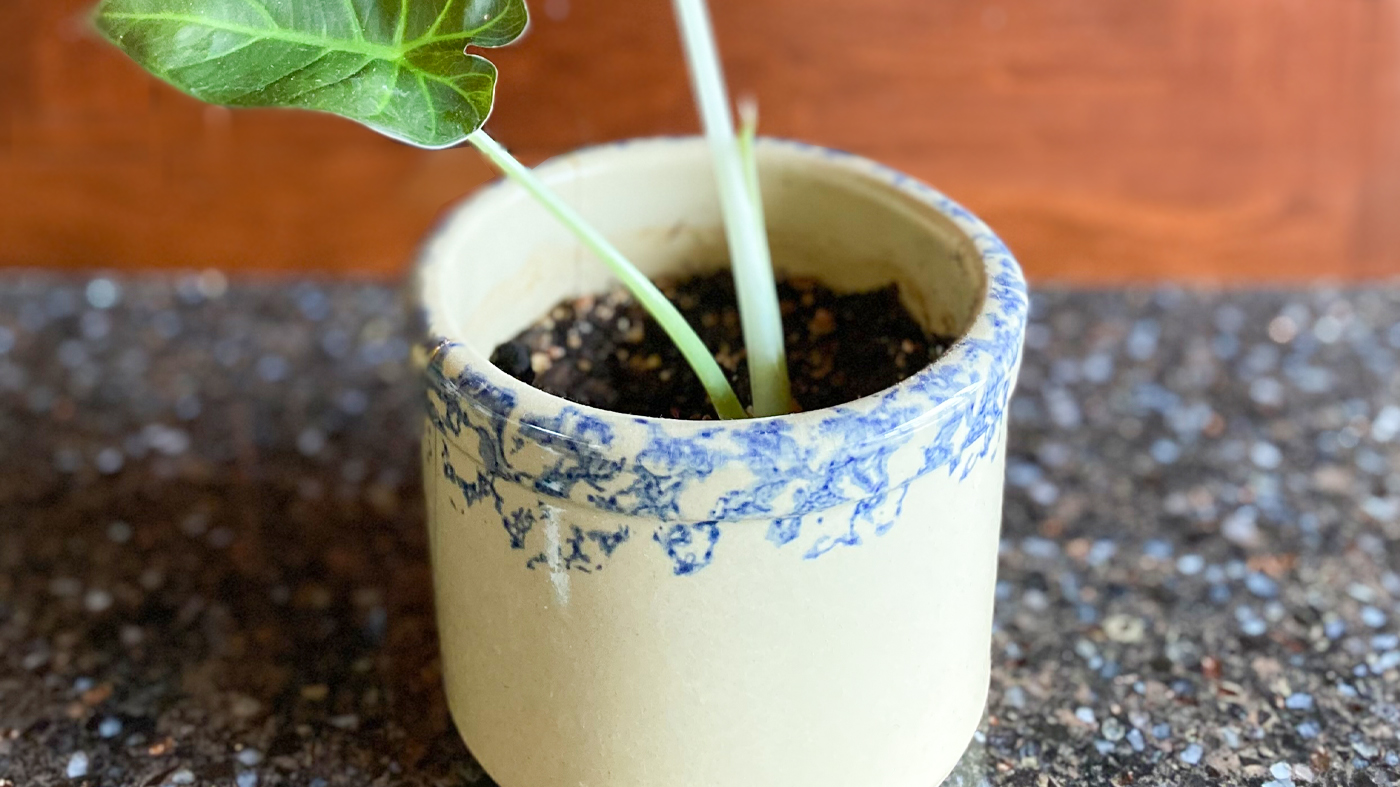
Just about anything can be repurposed as a planter. Ceramic goblets, vintage stoneware, vases, tea cups and tea pots, mugs, candle holders, pottery, and so many other things. Glass cylinders are especially fun for potting up succulents because you can layer the planting media for an artistic display—sand, stone pebbles, smooth glass pebbles, aquarium gravel, moss, and potting mix. Some of my favorite finds include Mid-Century Modern pottery and glass cake pedestals on which I can display a collection of small plants.
If you’ve bought houseplants and they’re still growing in their plastic pots, give them a makeover by setting them in a recycled basket with a saucer at the bottom to catch excess water. At this time of the year, garden centers and grocery stores typically offer cyclamen and primroses. Their plastic pots usually have a foil wrap that I remove. The pot is placed in a repurposed pitcher that sits on a table and brightens the occasional bleak winter day.
While you’re cruising the thrift store’s kitchenware aisle, look for small decorative plates to serve as saucers. There are always a few knickknacks featuring children, butterflies or animals that can be placed in a terrarium—a fun project for a child.
Potting Up
Most recycled items don’t have drainage holes and therein lies a challenge. It’s easy to overwater and wet soil can lead to root rot. A layer of horticultural charcoal (available at garden centers and online) helps absorb excess water. Placed in the bottom of the container, it can soak up water and slowly release it back into the potting mix. Thrift shops offer a variety of vases in various sizes and shapes to hold plants or cuttings. Think of them as terrarium opportunities.
At a recent succulent class at the Garden, we used glass containers. There’s no right or wrong way to layer potting materials in glass, but it’s fun to make the layers interesting. I often start with horticultural charcoal in the bottom topped with some sphagnum moss. Small pebbles can go on top of the moss. The potting mix goes in next with the plant. The soil can be topped off with a layer of stones, glass pebbles or sand. A glass cylinder allows you to see how much moisture is in the soil so you don’t accidentally overwater. You can use the same type of mixture in a ceramic vessel as well.
Go for It
Next time you pass a thrift shop or an antique store, pop in and cruise down the aisles filled with pottery, glassware and kitchen items. You’ll spot many fun items that, thankfully, didn’t wind up in a landfill. And they can now have a home on your windowsill, countertop, nightstand or desk.
Nina Koziol is a garden writer and horticulturist who lives and gardens in Palos Park, Illinois.