


April’s warmer days make this an opportune month to plant perennials, as well as cool-season vegetables and annuals that can handle occasional frosts. Spring cleaning tasks can be undertaken in the yard as well, particularly if March’s weather proved too cold and/or wet. April also is a good month to help emerging plants for the growing season ahead.
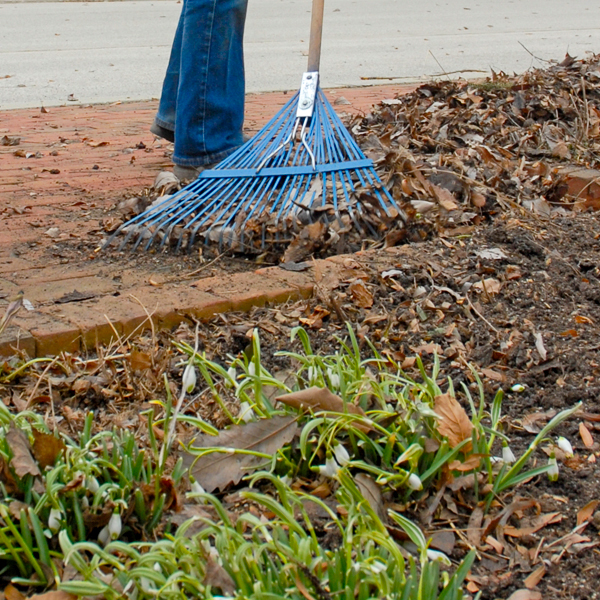
Continue to remove garden debris left over from last year
Shred and compost stems, buds and leaves, and discard any diseased material.
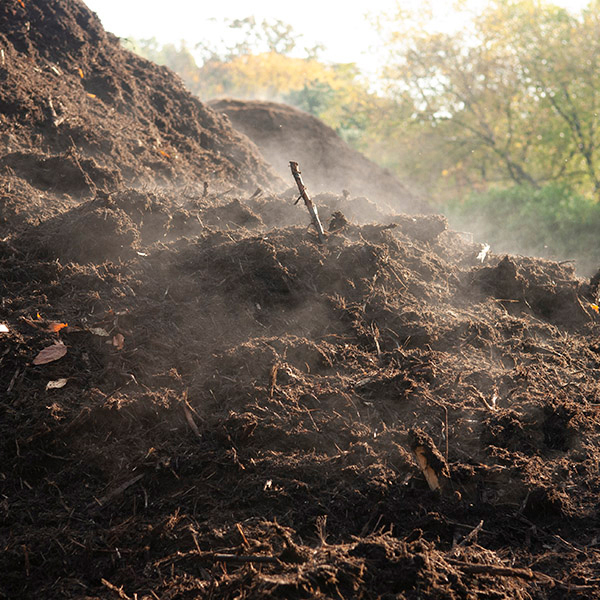
Amend soil with compost
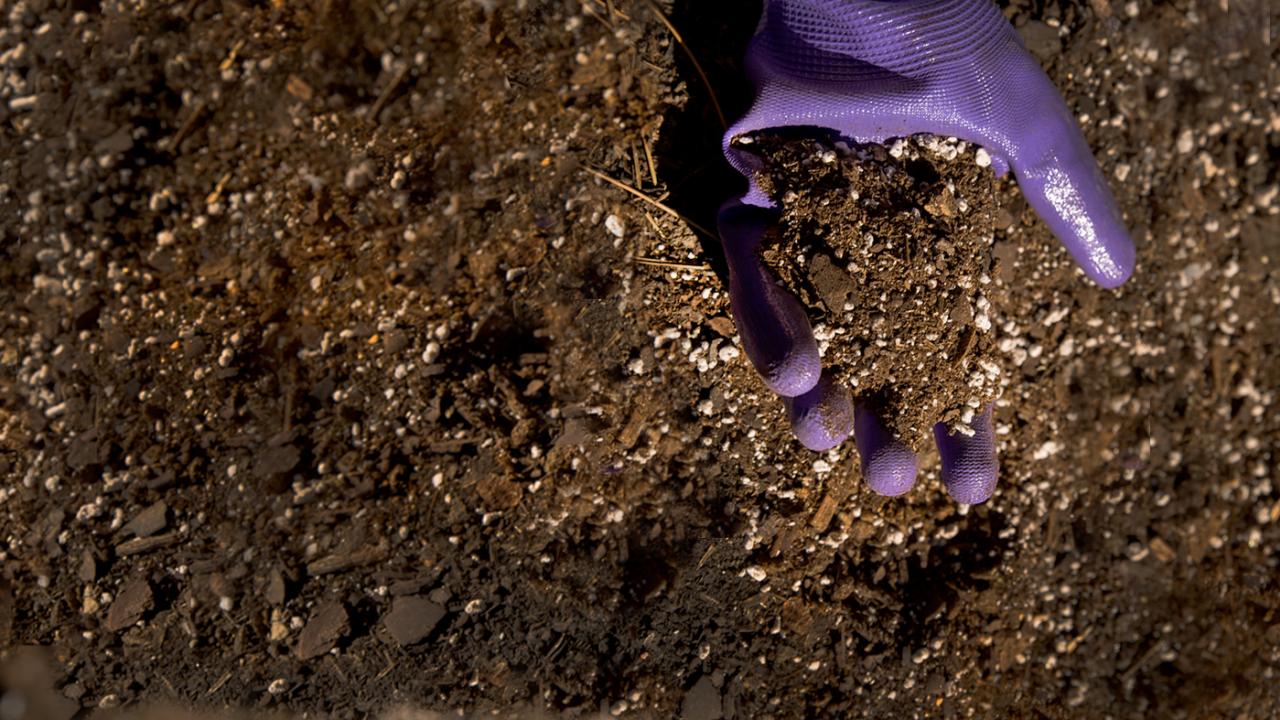
Compost is a superb soil amendment, top dressing, and mulch for gardens, borders, and lawns. In April, work compost several inches into the existing soil. In annual flower and vegetable beds, this can be done every year.
Some planting can begin
Trees, shrubs, and perennials can be planted in April, as well as some varieties of vegetables, herbs, and annuals that can tolerate occasional light frosts.
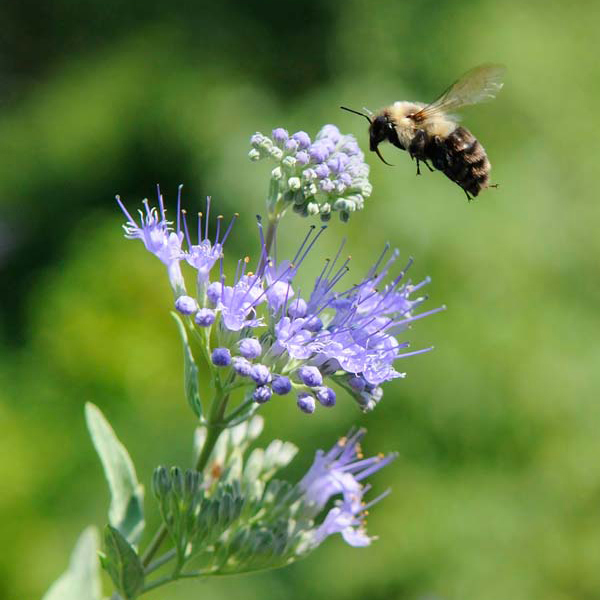
Consider whether your spring garden is supporting pollinators
Quickly review what’s blooming in your garden this month. Early spring can be a challenging time for bees, moths, and other newly emerging pollinators that play a crucial role in our ecosystem. You may want to consider where you can add earlier-blooming bulbs and native plants for next spring.
Annual and Perennial Care
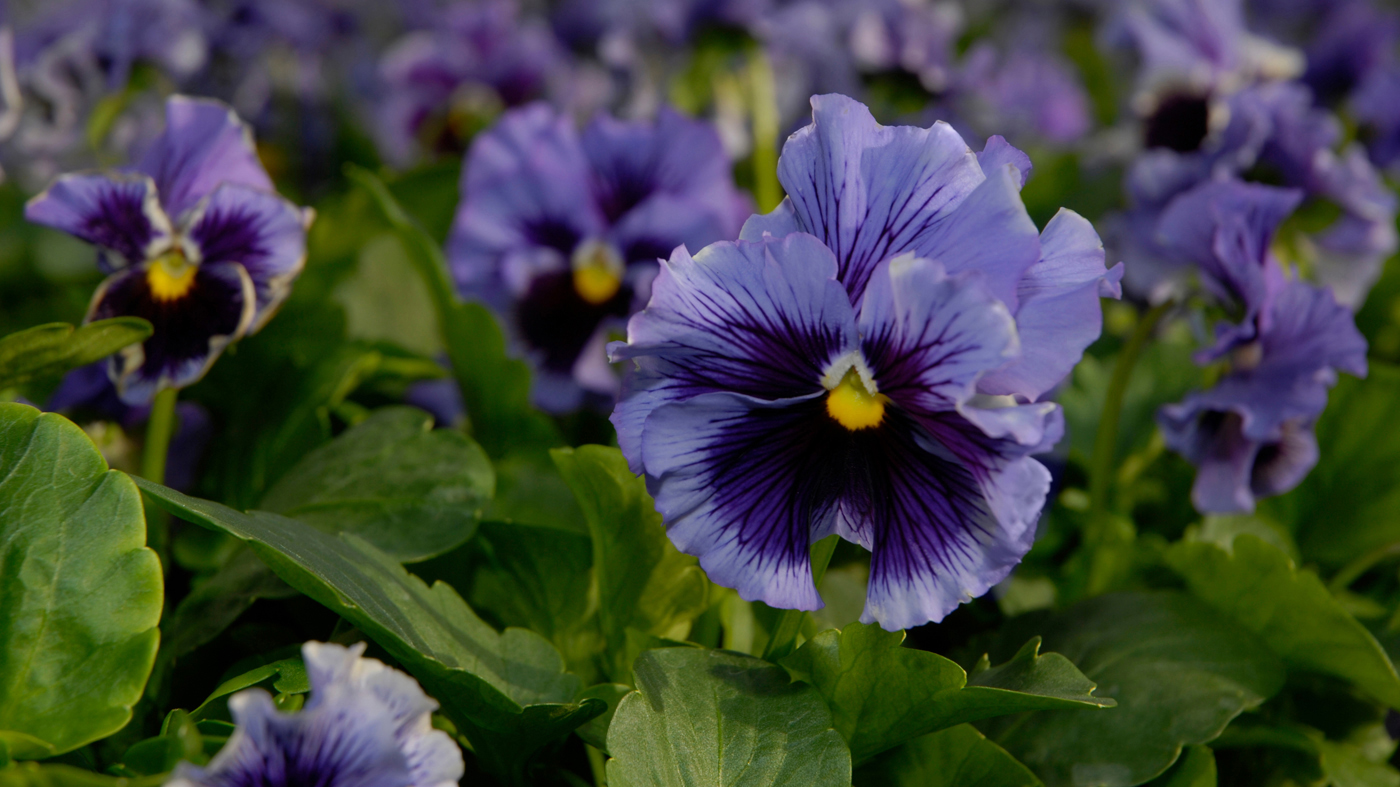
Plant cool-season annuals
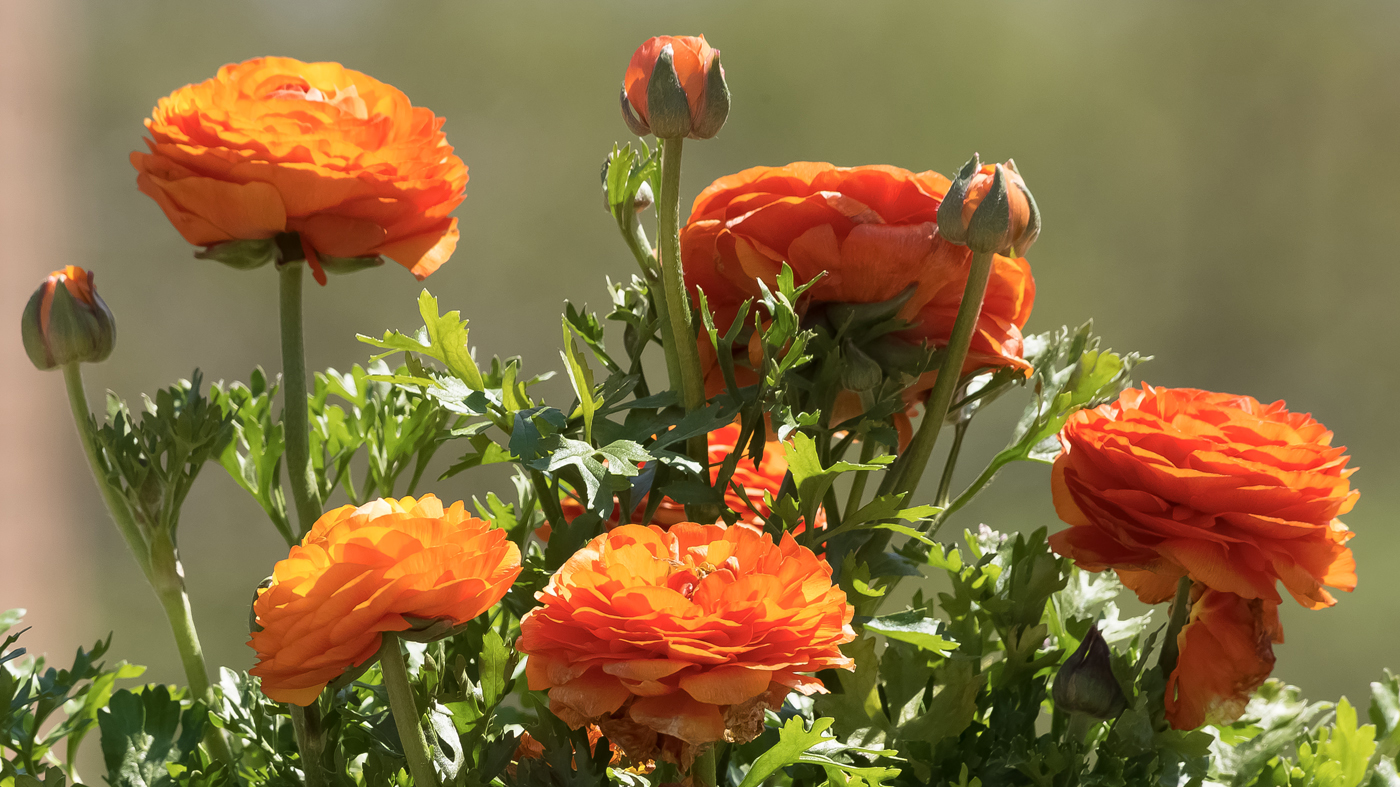
Many types of cool-season annuals can be planted in garden beds and containers in April. Hardier varieties can be planted earlier in the month.
Some tips if spraying is needed:
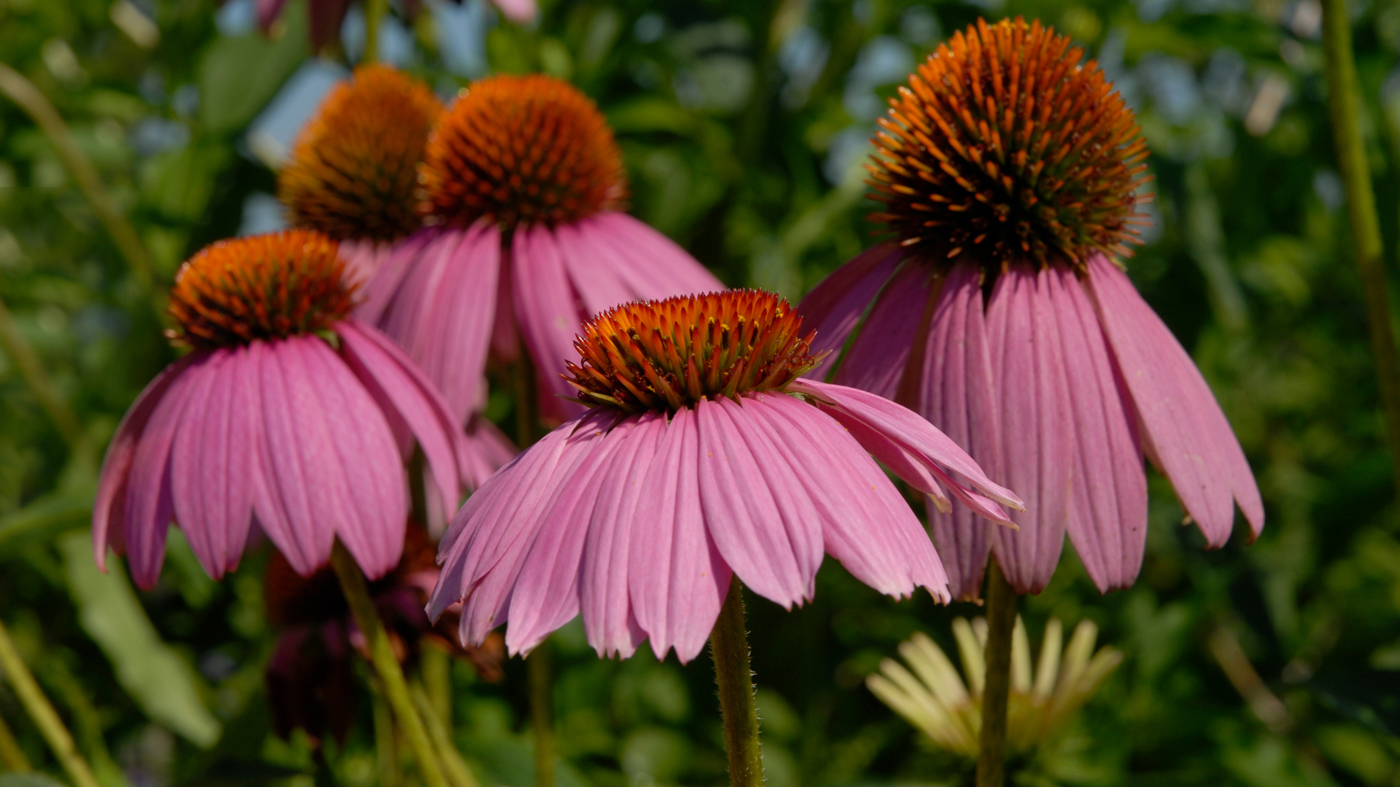
Plant perennials, hardy ornamental grasses, and roses.
Be aware of site conditions when planting in April, especially for plants that require six hours of direct sunlight each day. Many tall trees have yet to leaf out, and they may create shadier conditions in subsequent months. When planting bare-root roses, soak the roots in a bucket of water for several hours before planting.
Divide perennials
Divide mature summer- and fall-blooming perennials as they emerge, ideally when they are 4 to 6 inches tall. Dividing established plants can increase plant stock for your yard, give overcrowded plants some room, and also help prevent more assertive plants from taking over. Doing this task in April gives plant roots time to establish themselves throughout the growing season.
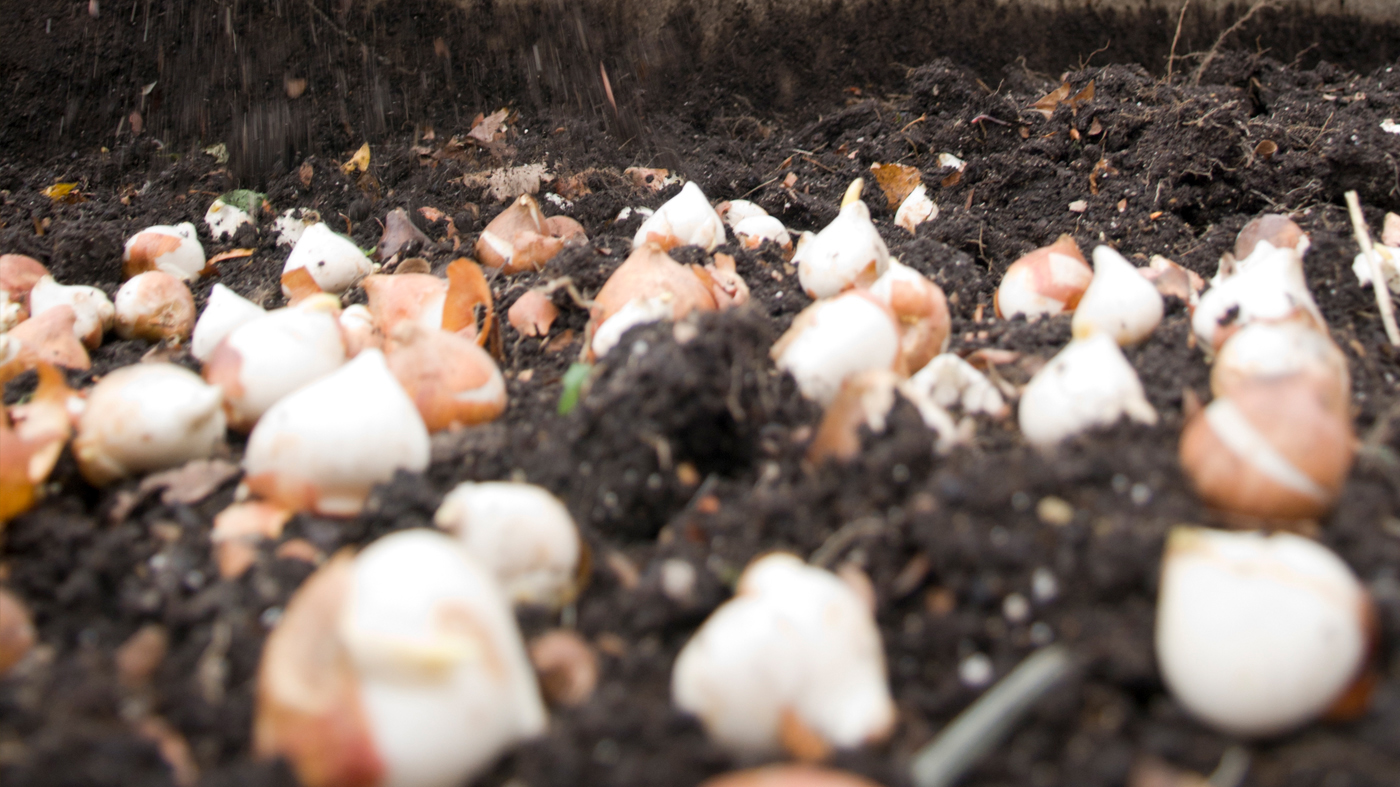
Tend to spring-flowering bulbs
Fertilize spring-blooming bulbs with a granular 5-10-5 or 10-10-10 mix as new green growth emerges or when they finish flowering.
Remove spent flowers but leave foliage to wither completely before removing it. The foliage is needed to photosynthesize (i.e., manufacture food), which feeds the bulbs to support the next year’s blooms.
Divide clumps of older bulbs in need of rejuvenation. Replant bulbs in a sunny spot and water in well. Remember that bulbs prefer locations that are not heavily watered during their summer dormancy, so avoid overplanting perennial bulbs such as daffodils and tulips in areas where you’ll be planting thirsty summer annuals.
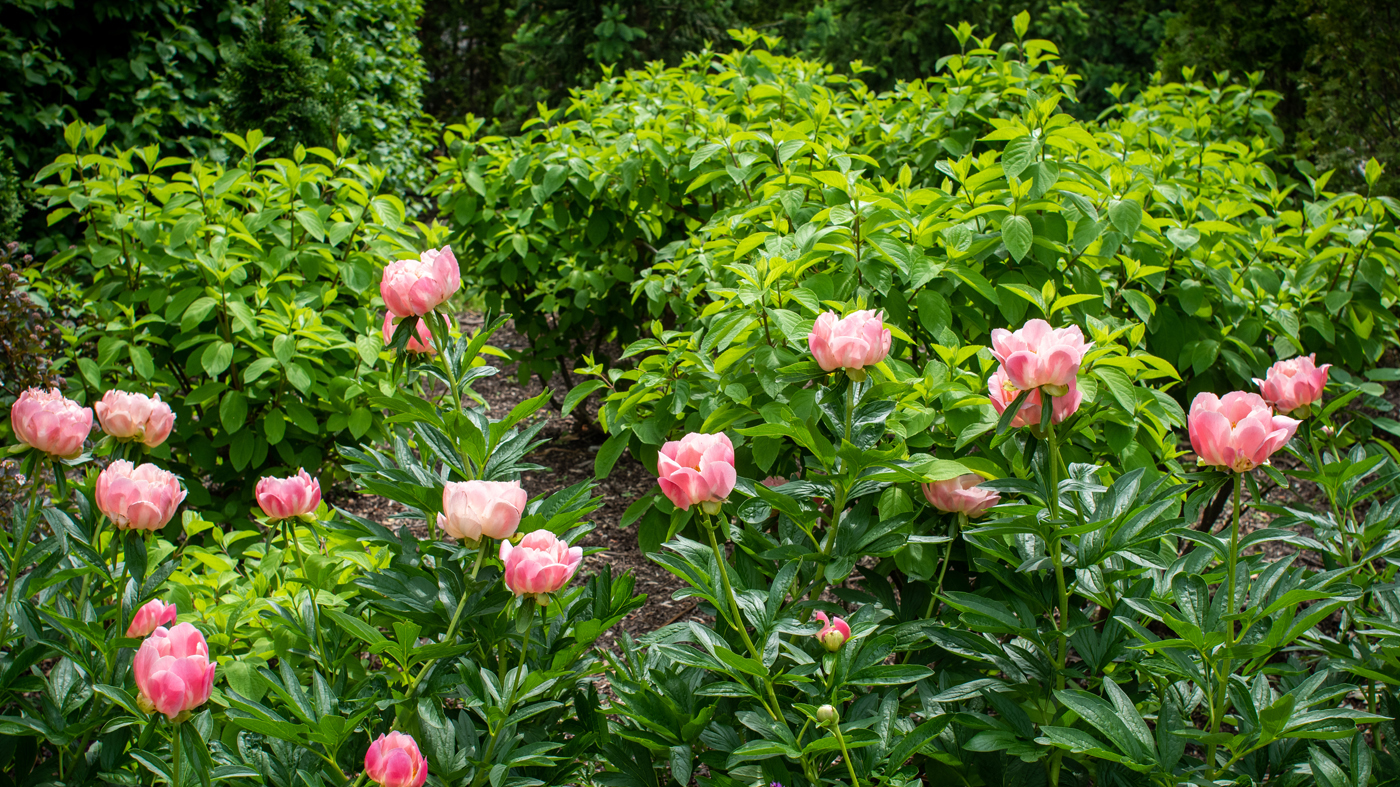
Support peonies
If peony plants experienced fungal problems in previous years, spray newly emerging plants with an approved fungicide when the plants are 2 to 4 inches tall. When peonies reach 10 inches, use stakes or hoops to support their blossoms.
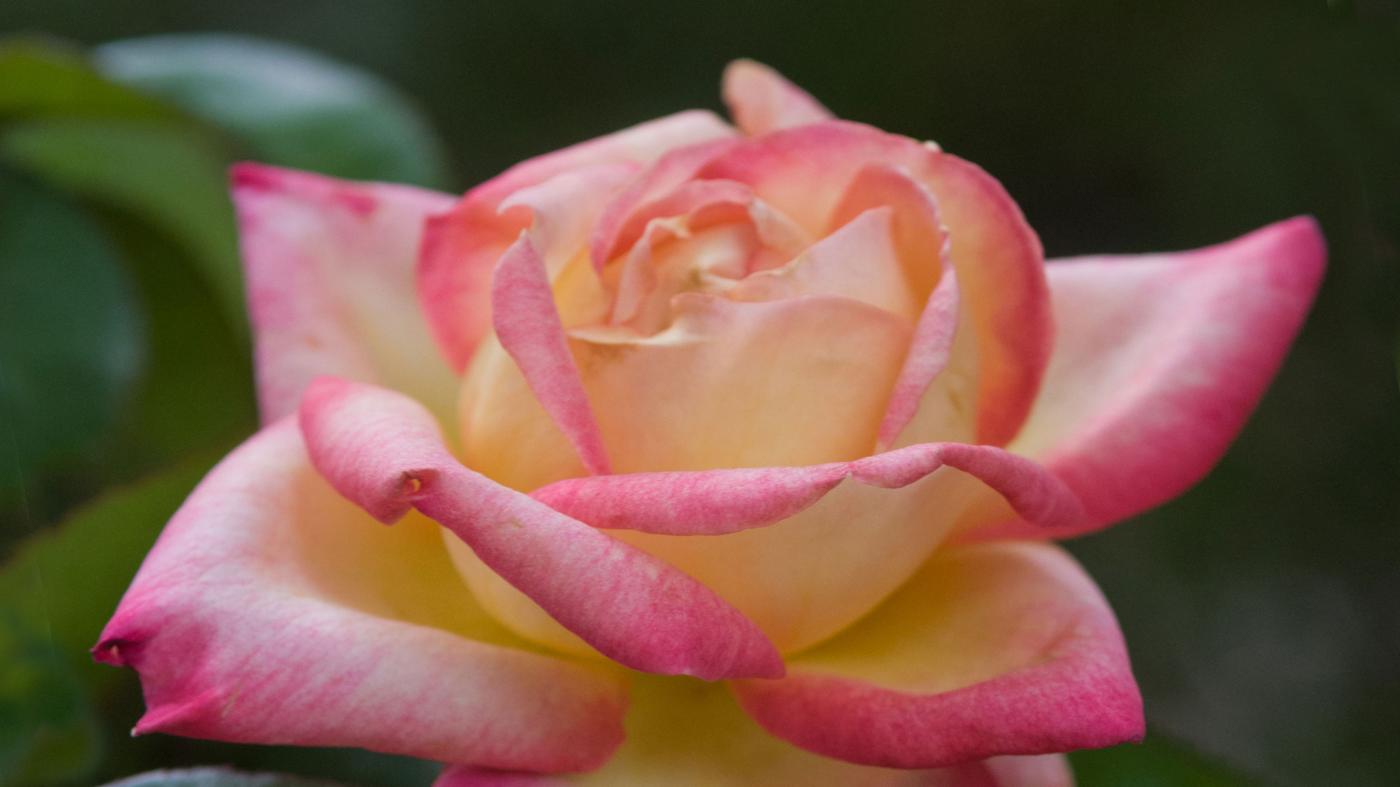
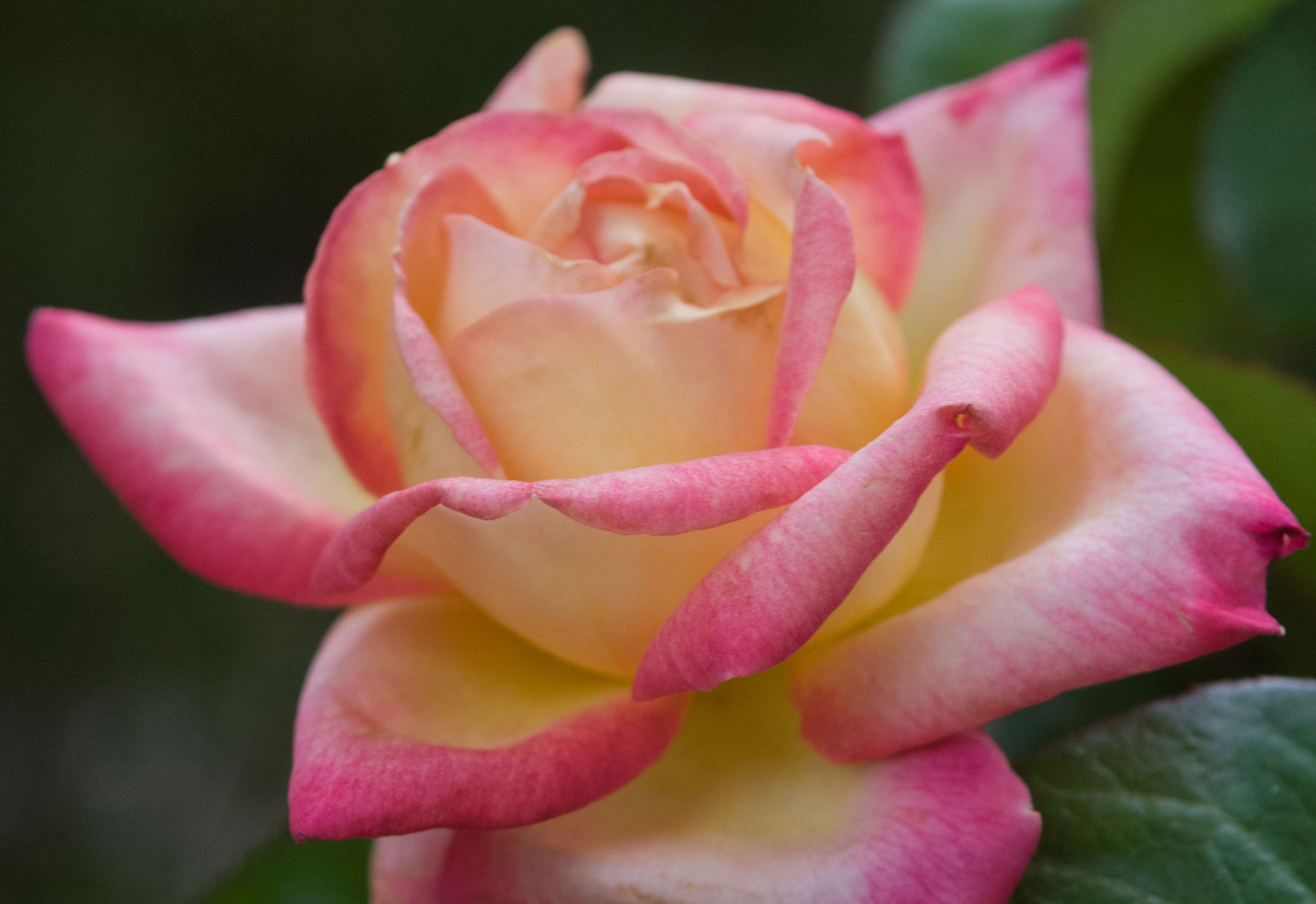
Tend to roses
Remove mulch and carefully hose away mounded soil that may have been added in the fall. Avoid using sharp tools around the base of rosebushes.
Here are some additional tips:
Tree and Shrub Care
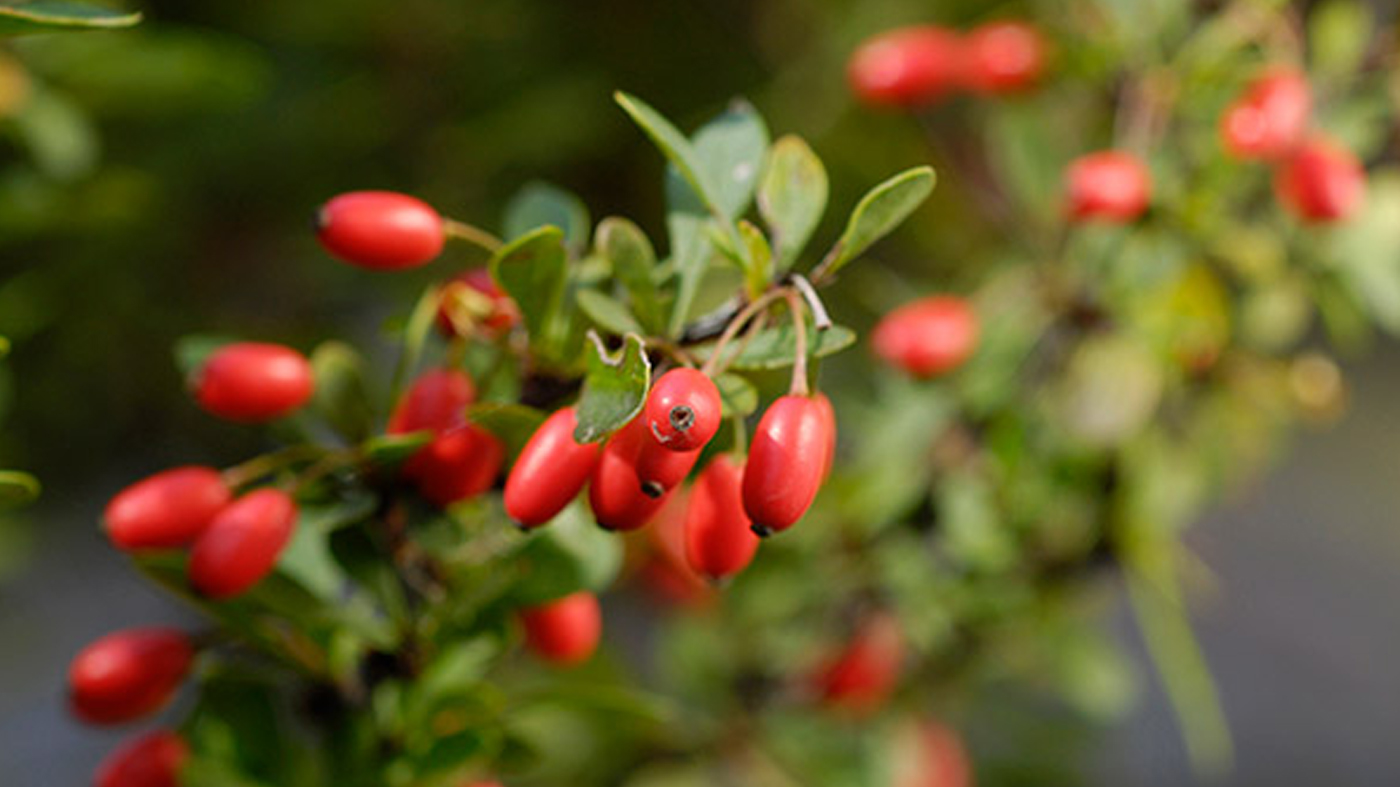
Plant trees and shrubs
Plant trees and shrubs before they break bud and when soil conditions permit.
Here are some additional tips:
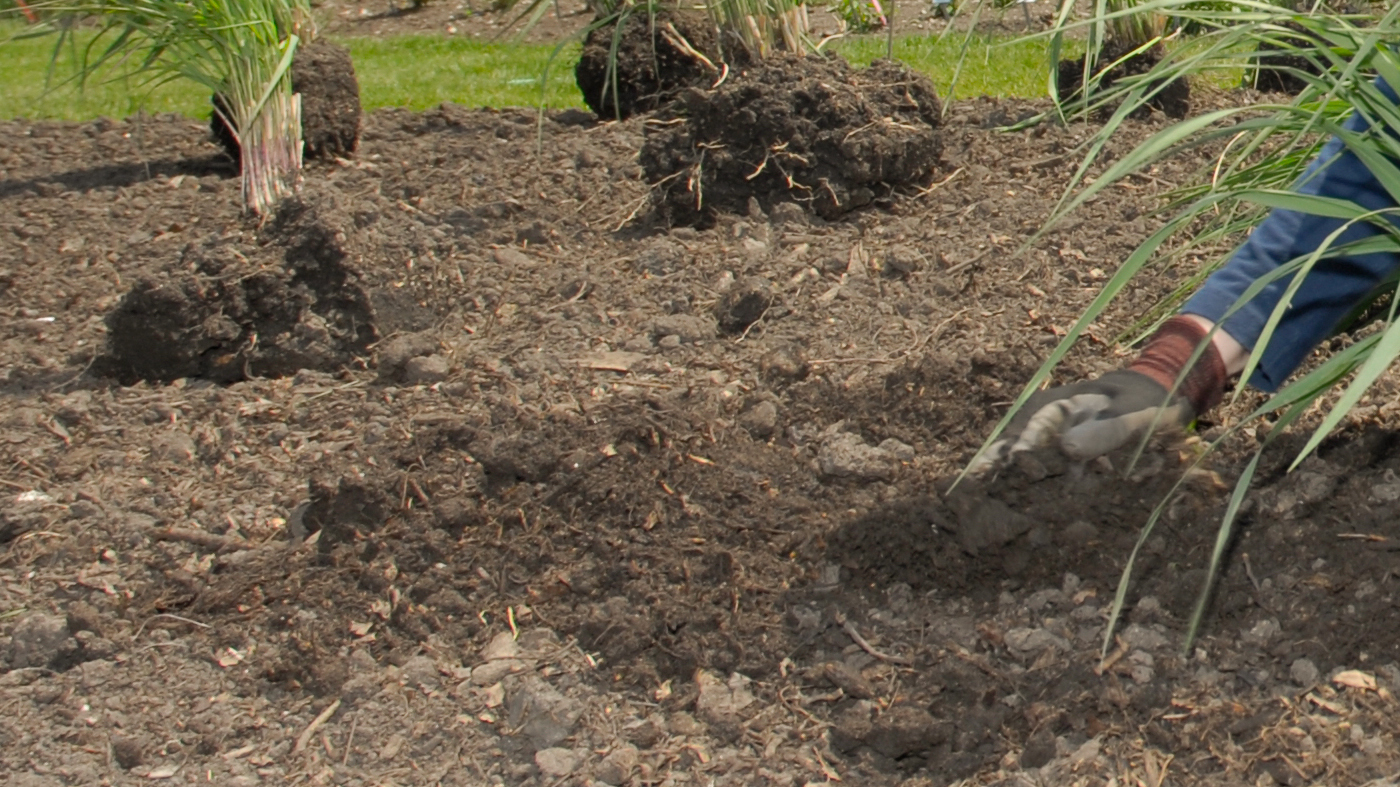
Fertilize fruit trees and brambles
As a general rule, it is not necessary to use synthetic fertilizers for trees and shrubs unless the plants exhibit a nutrient deficiency. Good soil nutrition and a 2- to 3-inch layer of compost placed around your trees and shrubs on a yearly basis should be sufficient for good plant health.
Spray fruit trees as needed
If necessary, spray fruit trees with dormant oil for insect control. If fungal problems or insects were a problem last year, start spraying with an approved fungicide as soon as the leaf buds begin to swell and open. Contact the Garden’s Plant Information Service for exact timing and recommended fungicides.
Fruit, Vegetable, and Herb Care
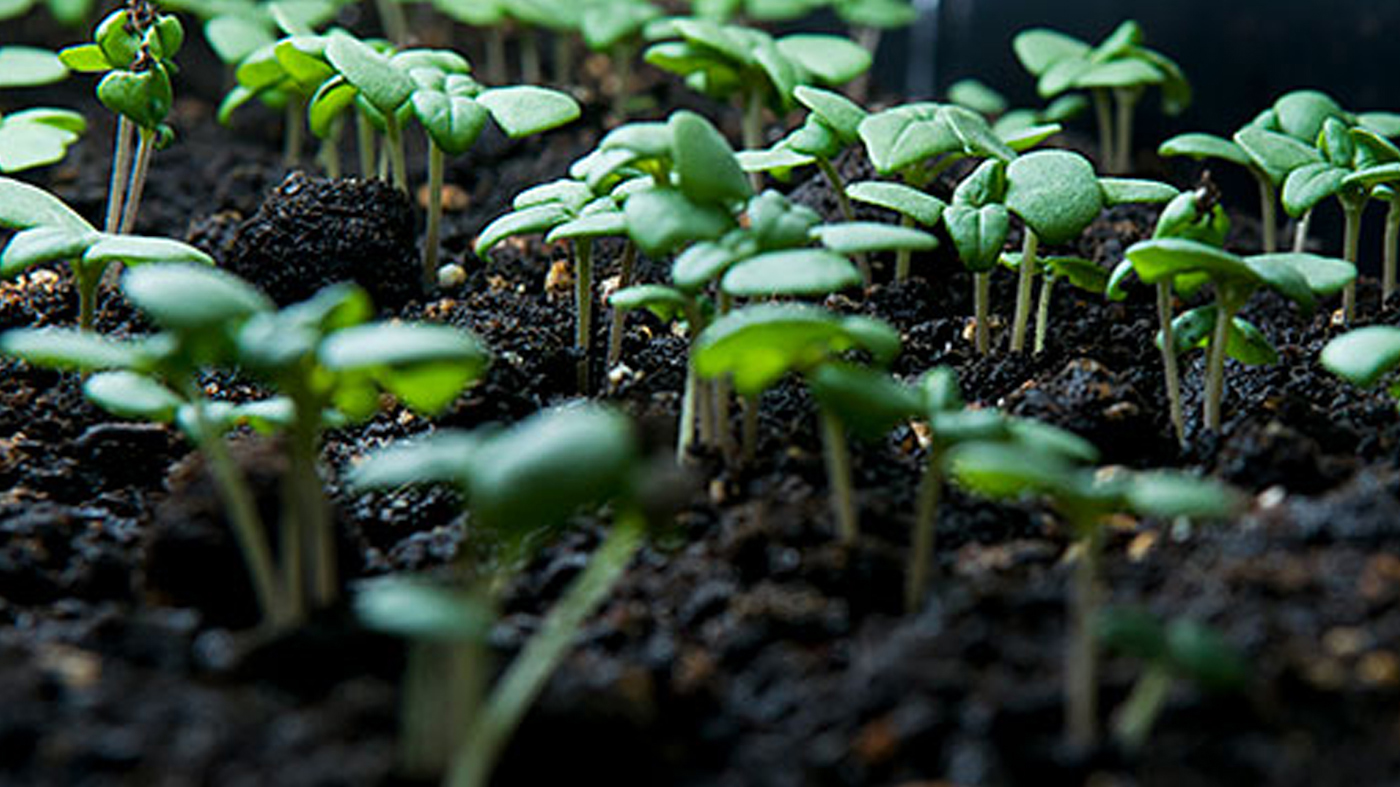
Sow seeds outdoors
When soil temperatures are consistently in the 50s Fahrenheit, seeds of cool-season vegetables can be sown directly into the garden.
Cool-season vegetables that can be direct-seeded include root crops (such as kohlrabi, onion, turnip, and pea) and leaf crops (such as kale, leaf lettuce, and spinach).
If seeds were started indoors, small transplants such as asparagus, broccoli, brussels sprouts, cabbage, and parsley can be planted outside after properly hardening them off by slowly acclimating them to the outdoors, typically seven to 10 days.
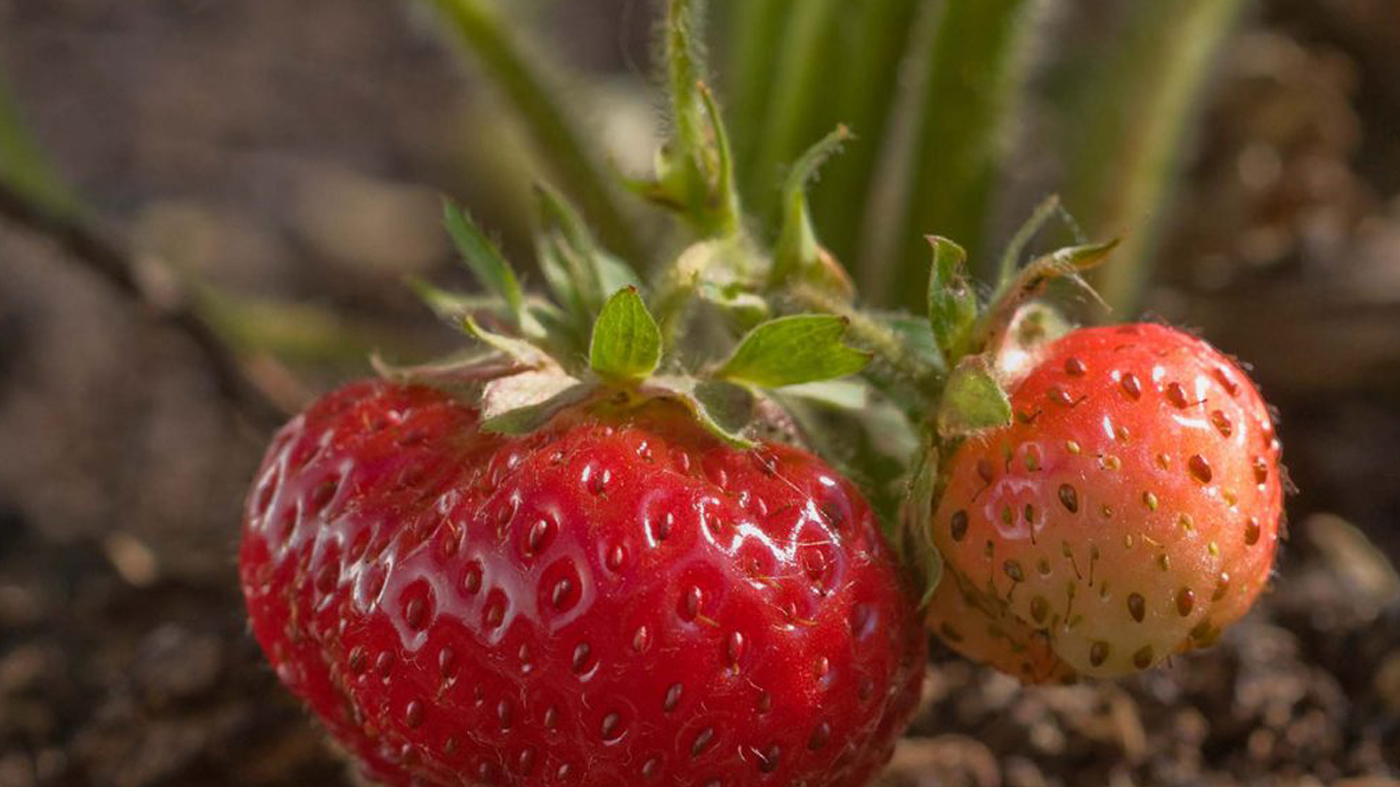
Plant cool-season crops
Potato tubers, rhubarb roots, onion sets, and strawberry plants can be planted directly outdoors as weather permits. The flowers of strawberries should be pinched off in their first year to help develop strong root systems.
Prune grapevines
Pruning techniques vary for grapevines. For additional information, contact the Plant Information Service to order Plant Information Fact Sheet #36, “Pruning Grapevines.”
Lawn Care
Indoor Plant Care
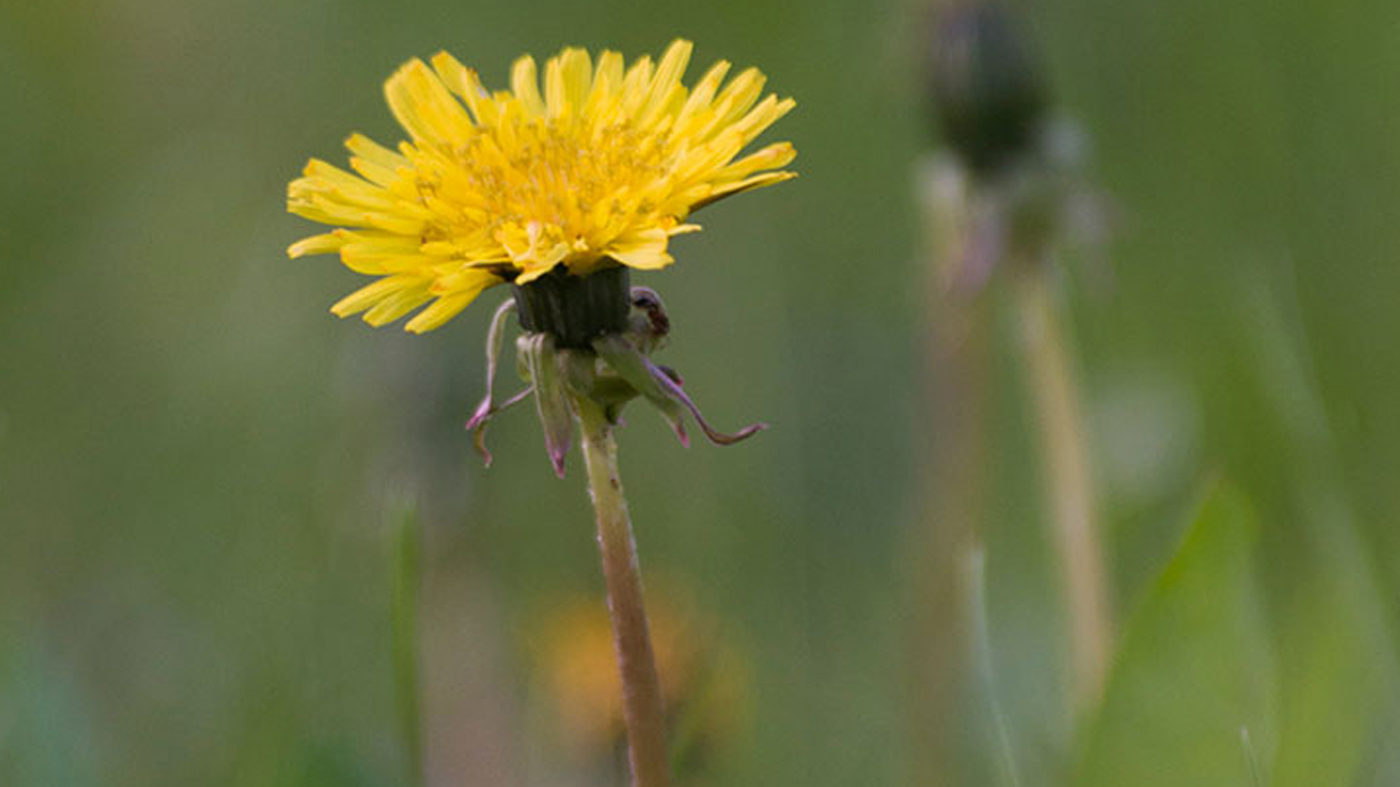
Prep your lawn
If weeds were a problem last year, spread a pre-emergent weed control over your lawn as weather and temperature permit. Follow label directions. Alternatively, consider hand-pulling weeds, or spot-treating weeds after they emerge with a post-emergent weed control. Serious infestations often require several treatments to control the problem.
Learn how to manually remove ten of the most persistent weeds commonly found in Midwestern lawn and gardens.
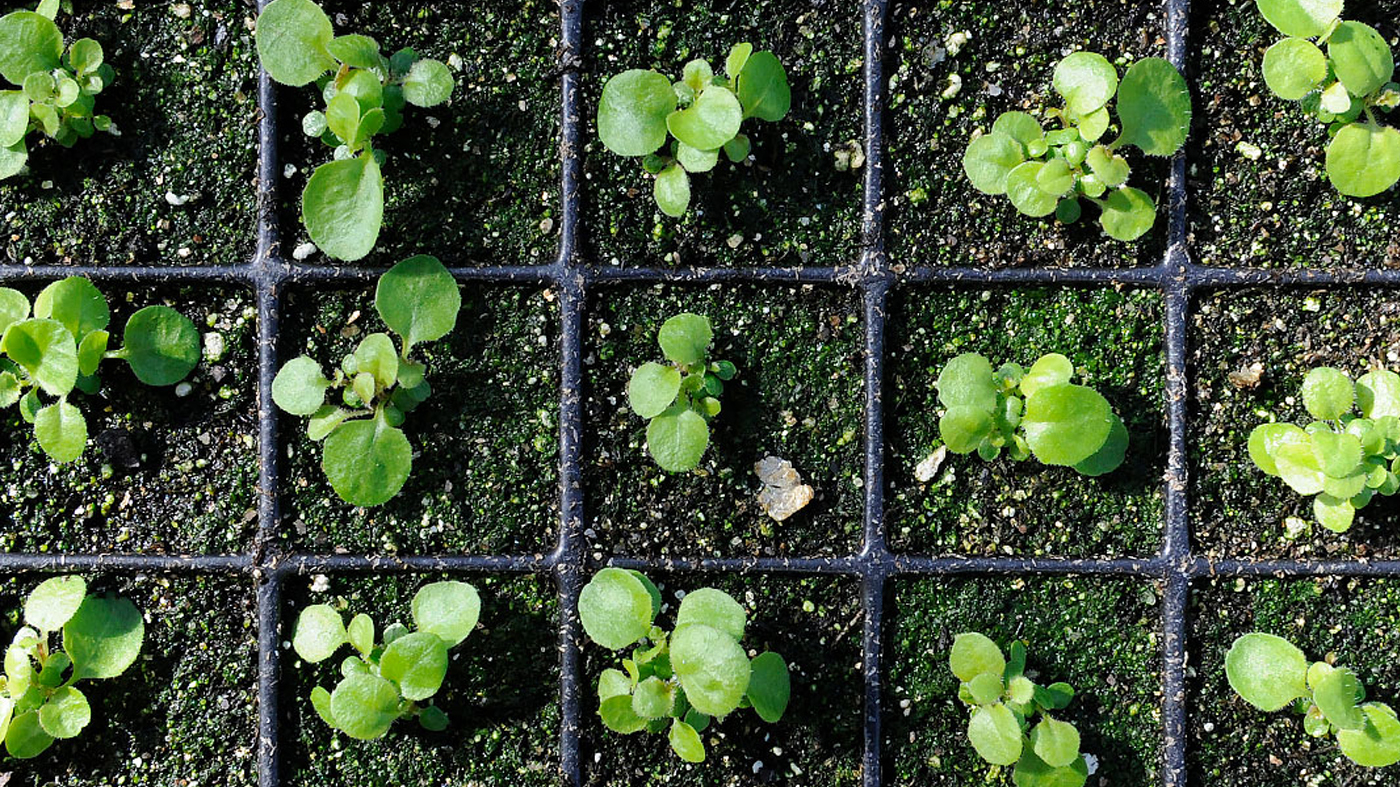
Keep sowing seeds indoors
If you plan to start warm-season vegetables indoors, such as tomatoes, peppers, and cucumbers, time them accordingly to plant outside in May. Seed packets will provide timing for each plant. Also, note that although the last hard frost in northern Illinois is technically May 15, volatile spring weather compels many gardeners to play it safe by waiting until Memorial Day weekend to plant their transplants outdoors.
April is a great month to …
Start a compost pile
Do-it-yourself composting is an eco-friendly, cost-efficient way to bolster the health of the soil in your vegetable and flower gardens. The rich, organic substance known as compost repurposes the bounty of nutrient-rich green and brown plant materials already available to you (think vegetable scraps, dried leaves, spent flowers, pine needles, etc.). A tremendous variety of compost bins and approaches exist for DIY-ers. Find one that’s right for you here.