


November is a great month to tuck your lawn and garden to bed for the season. Nighttime temperatures are dipping below freezing, frosts are more frequent, and the yard may soon be covered under a blanket of snow. This month, take advantage of any seasonally warm days to complete maintenance and cleanup tasks. Houseplants will also need some extra TLC; winter can create challenging indoor conditions that you may need to address in the coming months.
Mulch garden beds
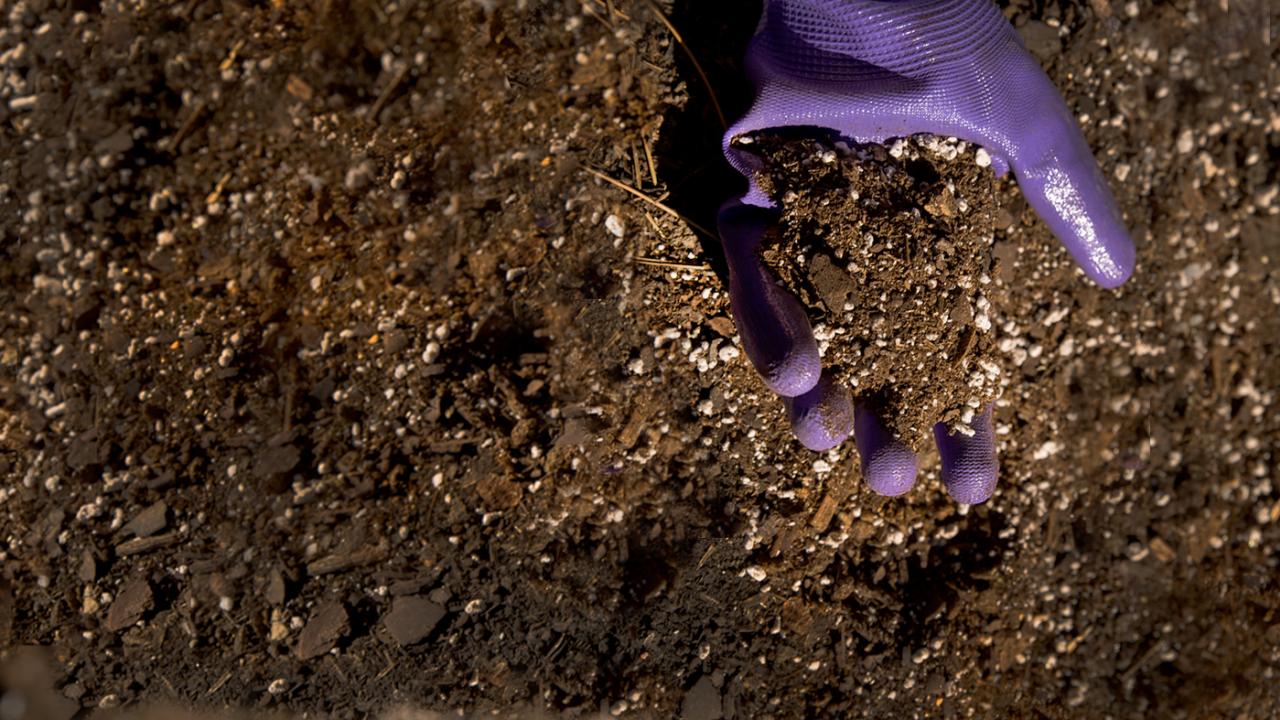
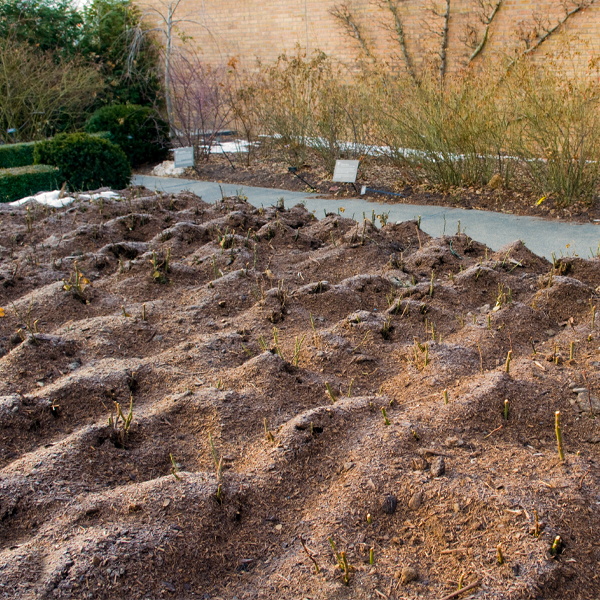
After the ground has completely frozen, add 2 to 3 inches of shredded leaves, composted manure, and/or garden compost to perennial borders and garden beds.
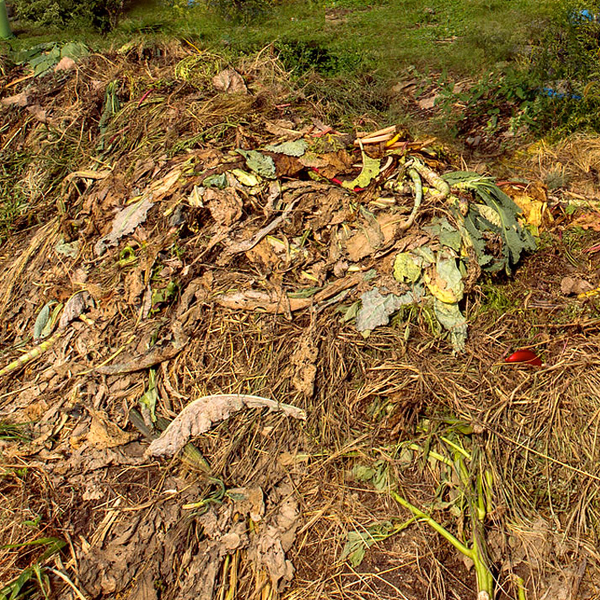
Keep feeding the compost heap
Continue to feed the compost pile with grass clippings and dried plant material removed from garden beds. Avoid adding diseased plants to the pile. Turn the pile regularly to speed decomposition.
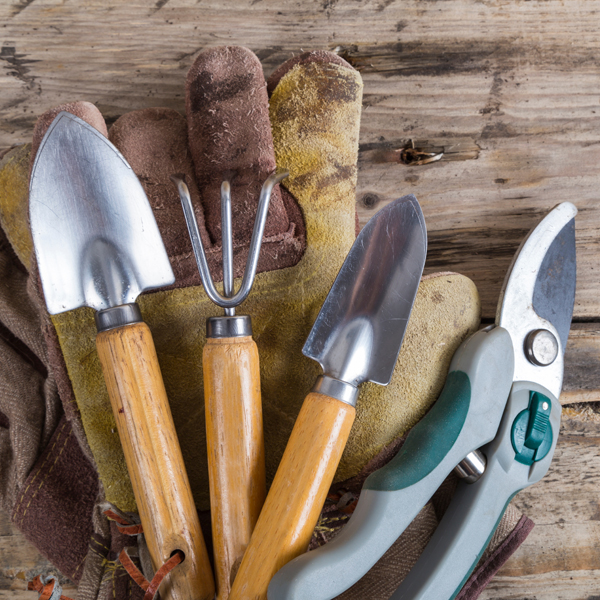
Tend to garden tools and supplies
With the outdoor growing season coming to an end this month, it’s a great time to inspect your tools and supplies, and protect them from the harsh winter weather.
Protect garden beds from de-icing products
In the event of snowfall, avoid using salt-based de-icing products in or around garden areas. Shovel snow before it freezes on sidewalks and sprinkle sand on walkways close to plantings.
Annual and Perennial Care
Tree and Shrub Care
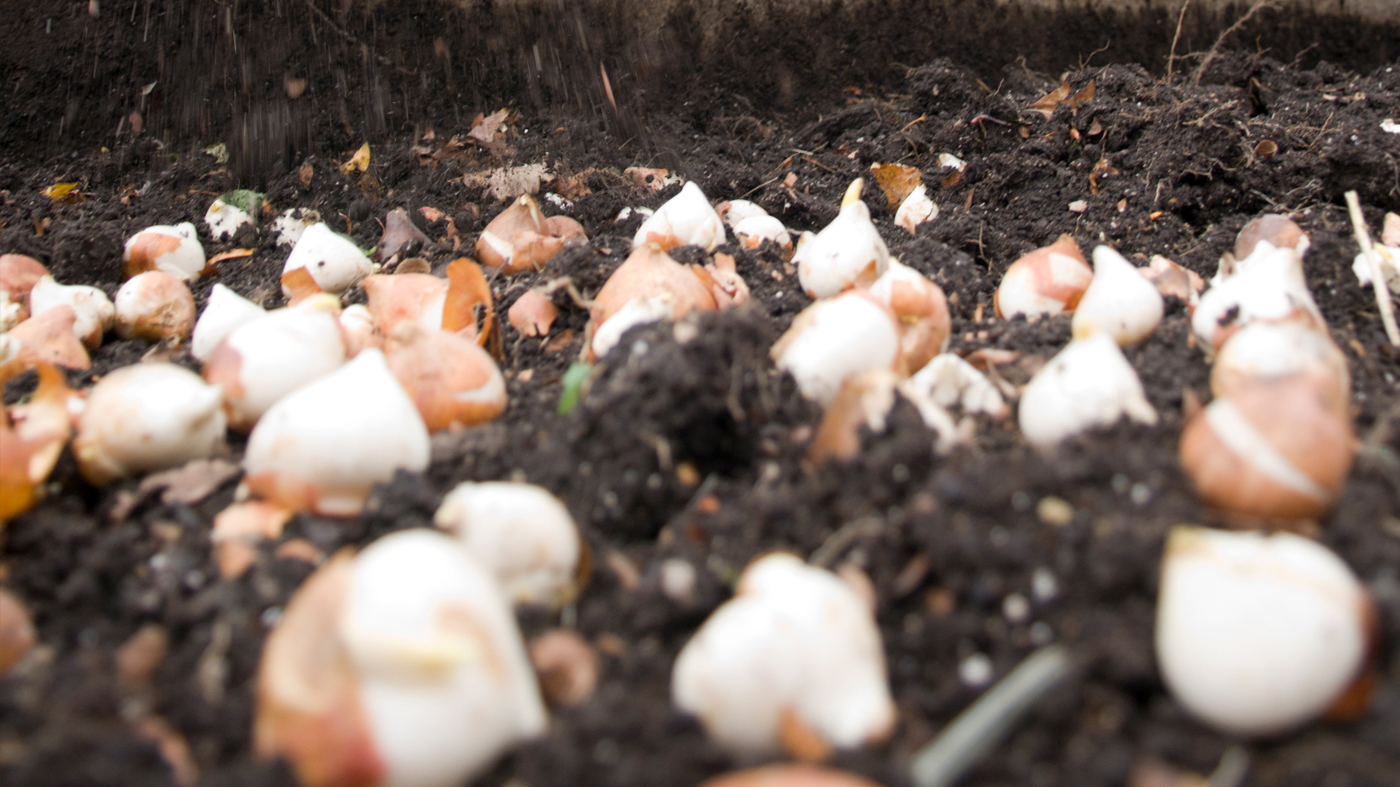
Keep planting spring bulbs if conditions allow
Continue to plant spring-flowering bulbs early this month if the soil hasn’t completely frozen and weather conditions permit. Choose a sunny, well-drained area and plant your bulbs two to three times as deep as the height of the bulb.
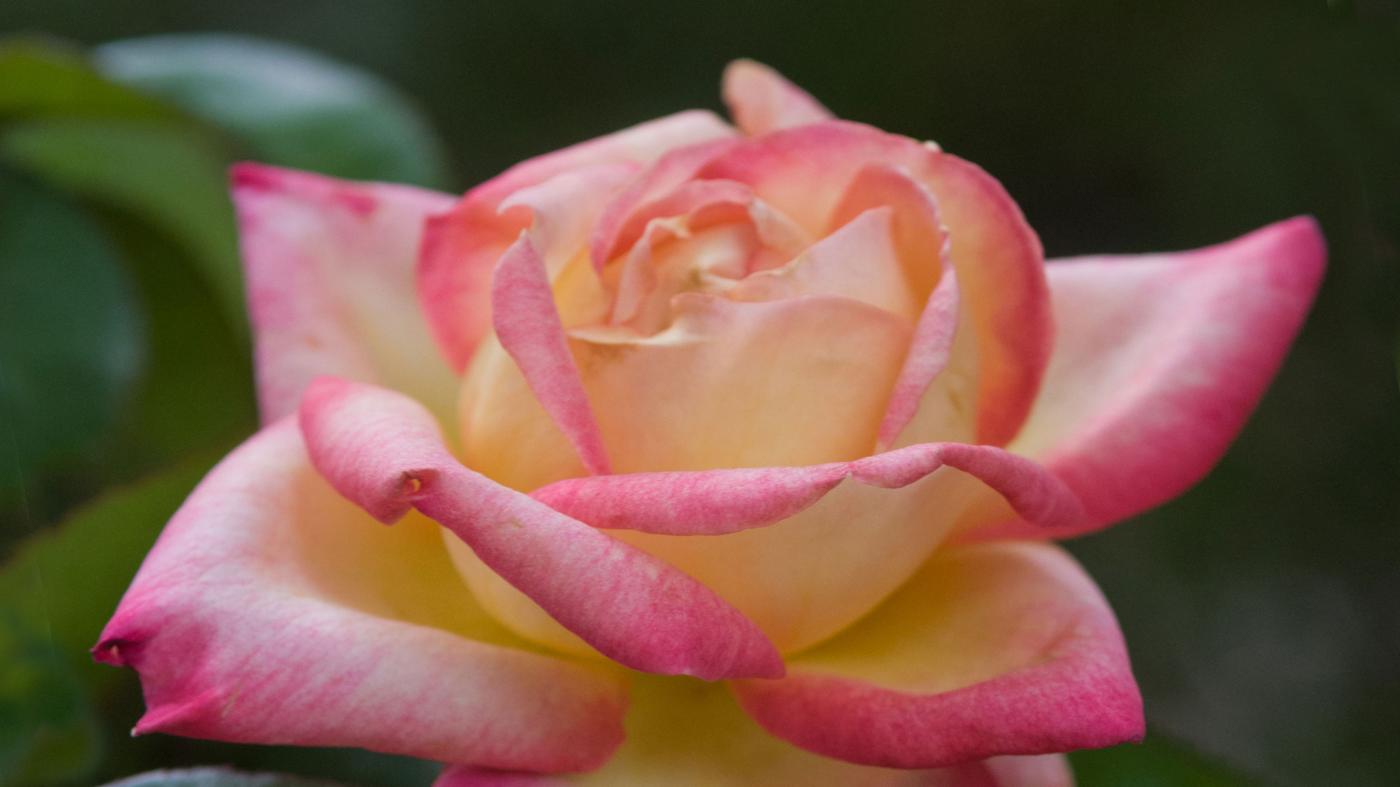
Winter protection for roses
Protect roses, especially newly planted shrubs, late this month or after several days of temperatures consistently falling below 20 degrees Fahrenheit.
Keep perennials standing
If you can, don’t cut down perennials until spring. In addition to providing winter interest to the landscape, this approach also supports many desirable overwintering insects, including native butterflies, moths, and bees. However, do cut down and discard any diseased plants, which should not be added to a compost pile.
Keep watering, if necessary
If conditions are dry, continue to water trees and shrubs, especially evergreens, until the ground has frozen completely.
Protect trees and shrubs from winter pests
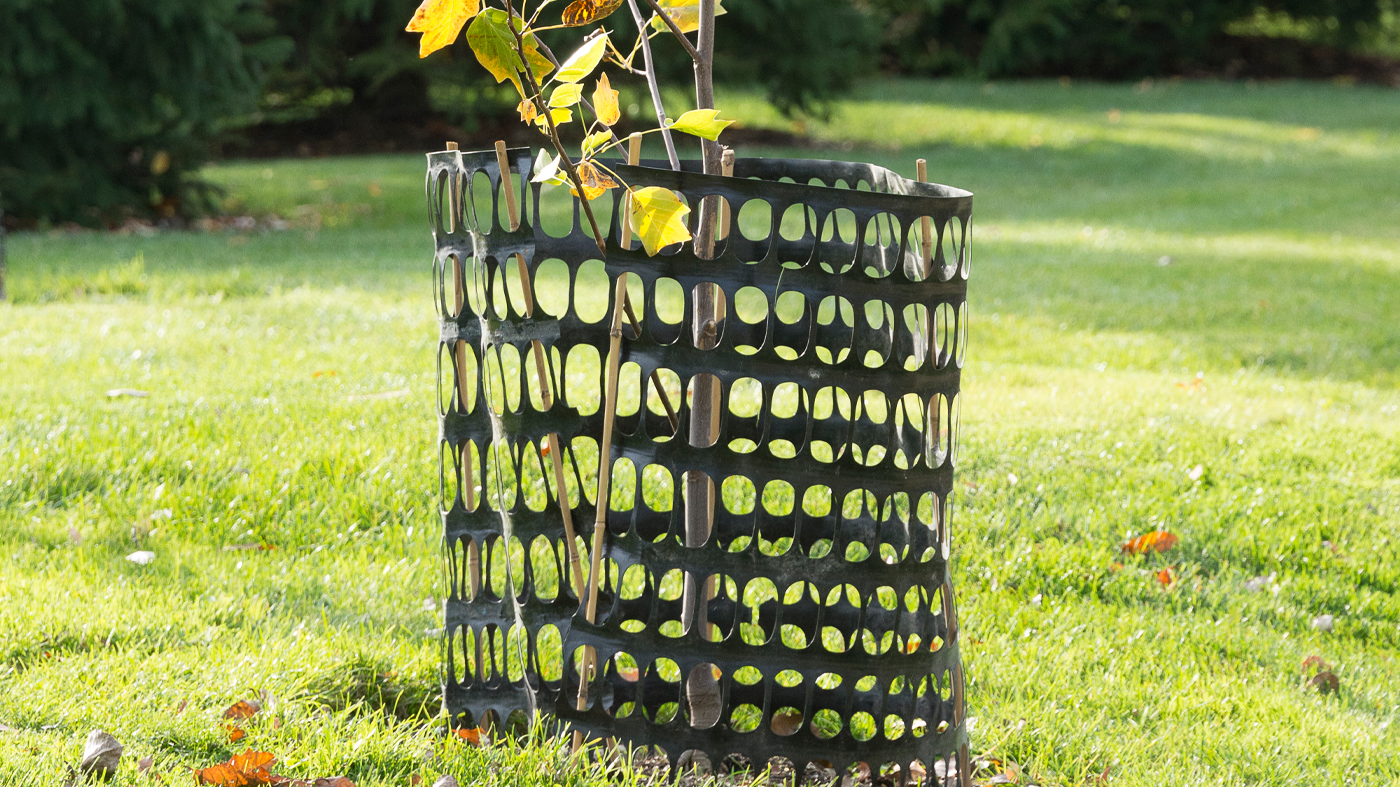
If rabbits, rodents, or deer have been a problem in past winters, take precautions with valuable woody plants now.
Protect vulnerable trees from temperature swings
Extreme temperature fluctuations in winter may inflict frost cracks or sun-scald injury on newly planted softwood trees, such as conifers. Consider wrapping vulnerable tree trunks with protective wrap and remove the wrap in spring.
Protect plants from road-salt spray
If necessary, construct burlap screening supported by wooden stakes to protect evergreens in the path of salt spray.
Install wind breaks
Bitter northwest winds can be harmful to some woody plants. If necessary, construct burlap windbreaks at least 12 inches from any newly planted, sensitive shrubs to help buffer the winds’ damaging effects.
Avoid using anti-desiccant sprays
Some gardeners have used anti-desiccant sprays to protect certain plants from the drying effects of winter winds. However, research indicates that the waxy coating these products create can interfere with normal transpiration in the plants’ foliage; these sprays are not recommended for routine use on broadleaf evergreens, such as azalea and rhododendron (Rhododendron spp.), boxwood (Buxus spp.), and holly (Ilex spp.). Also, consider transplanting plants that have exhibited winter burn to a more suitable location in the spring, ideally one that offers better protection from strong winter sun and wind.
Indoor Plant Care
Lawn Care
Winter tips for houseplants
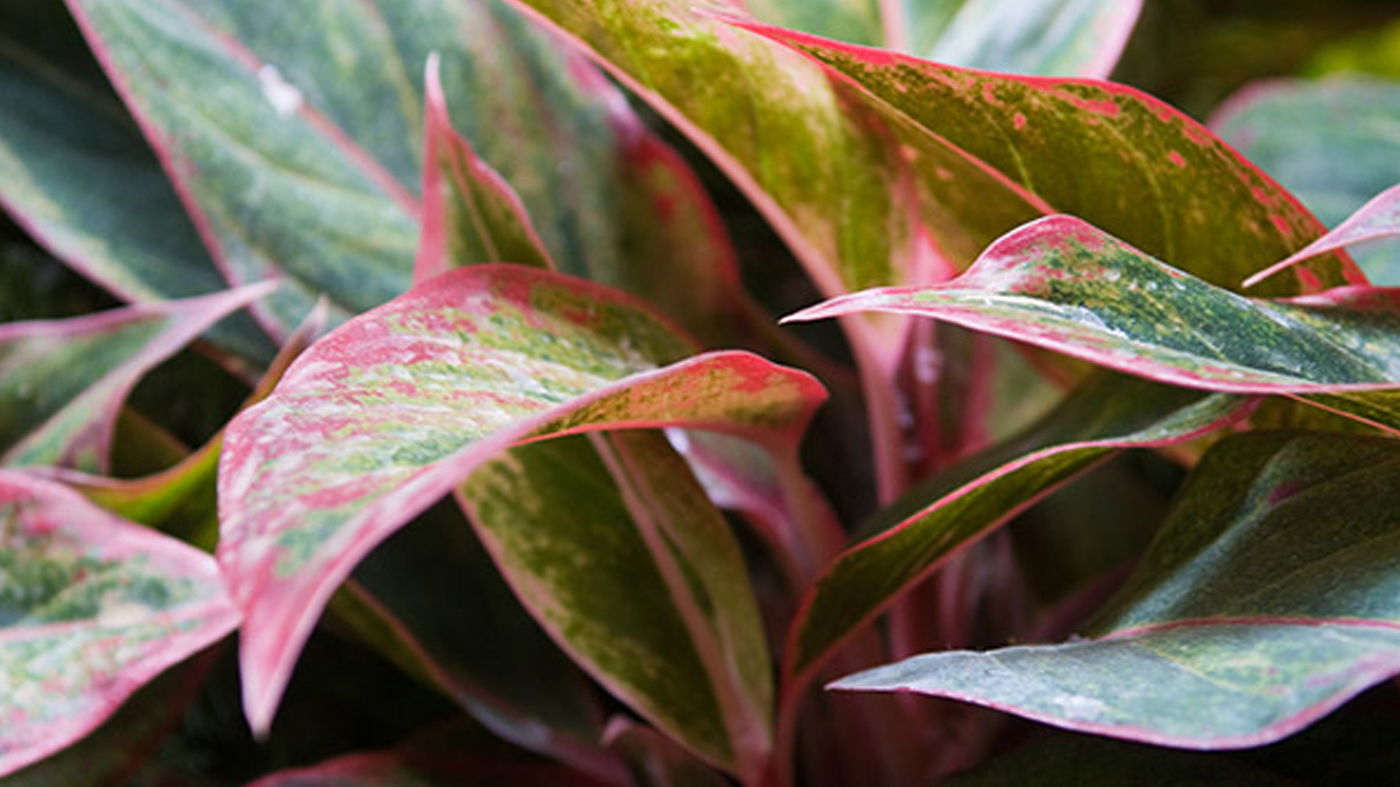
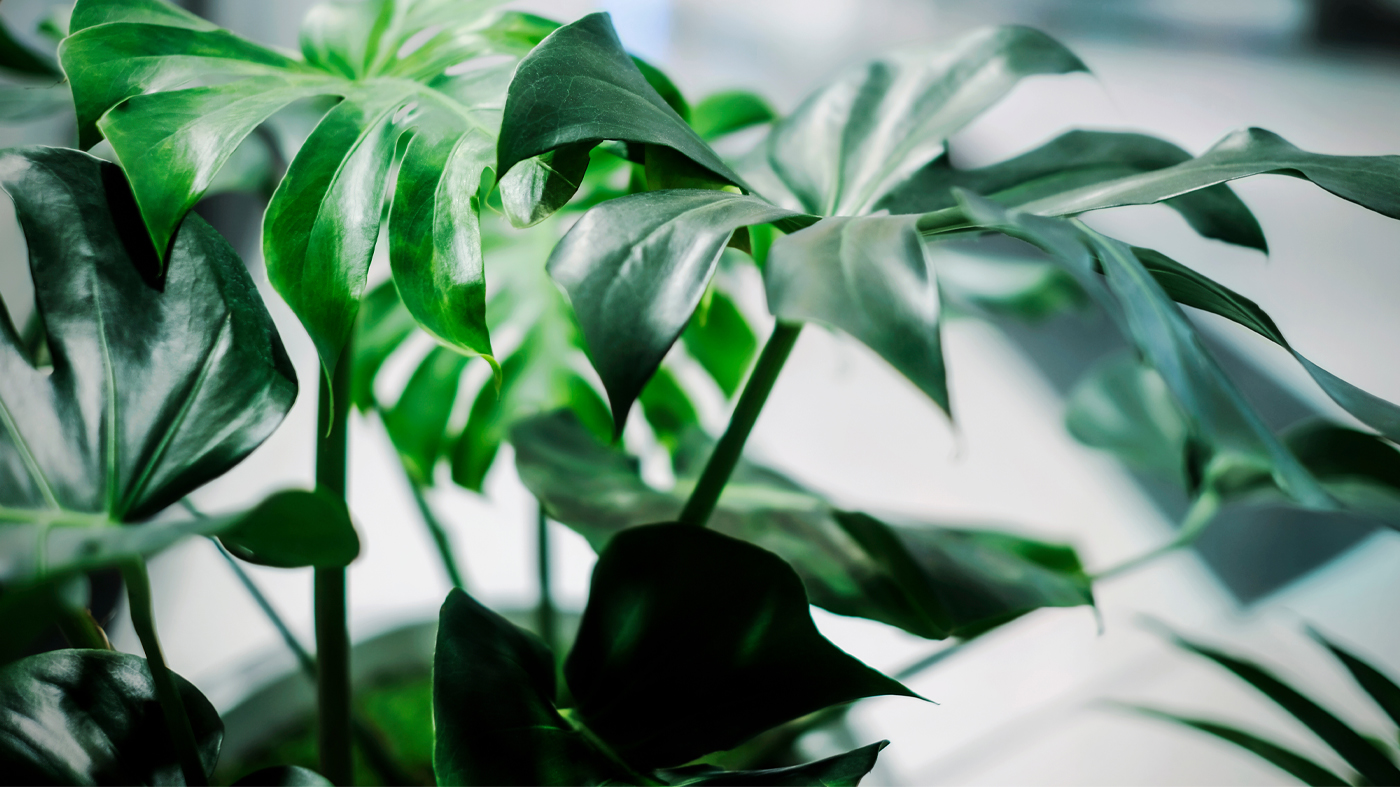
Winter’s often-cloudy days, combined with drier conditions indoors, can be challenging for houseplants. Most houseplants appreciate a 10- to 15-degree difference in day and night temperature. Monitor plants for early signs of problems.
Keep tabs on transplants
Plants brought indoors in the fall may exhibit temporary “transplant shock” in their new environment due to changes in light and temperature. It is common for houseplants to lose most, if not all, of their leaves when they’re brought inside.
Fertilize for the final time this year
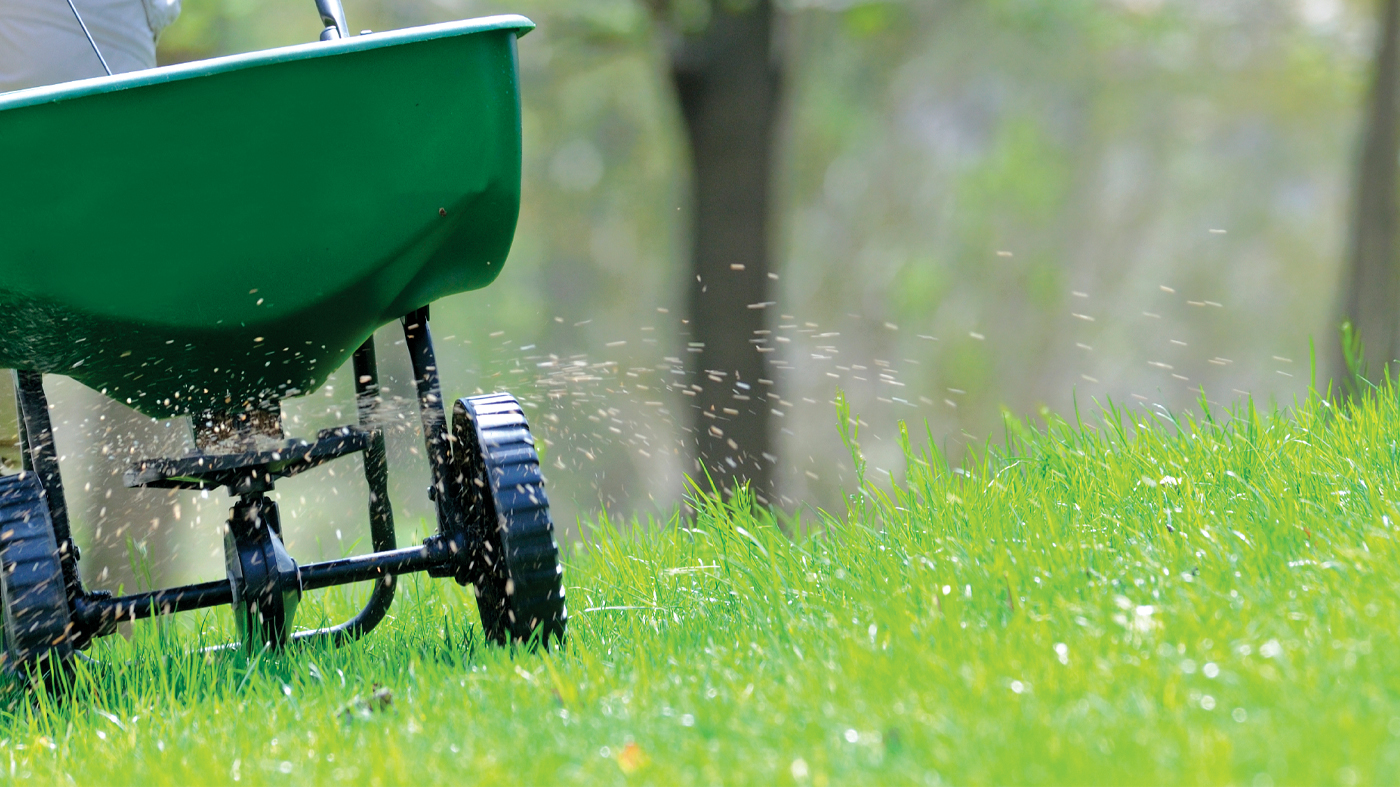
After the lawn is cut for the final time this year, apply a winterizing fertilizer with a slow-release organic product that is high in nitrogen. Chicago-area soils are naturally high in potassium and phosphorus, and most lawns don’t require more. This nitrogen application will help lawns green up faster in early spring.
November is a great month to …
force spring bulbs indoors
With the outdoor growing season now just a fond memory, forcing bulbs indoors can deliver beauty, fragrance (hyacinths, we’re talking to you), as well as seasonal cheer. Daffodils (Narcissus spp.), hyacinths (Hyacinthus spp.), dwarf iris (Iris pumila), and tulips (Tulipa spp.) are great candidates. It’s a great way to use any extra bulbs from fall planting, and take advantage of late-season bulb sales at garden centers. Mostly, though, it’s a wonderful way to brighten the coming winter weeks.