

Vegetables
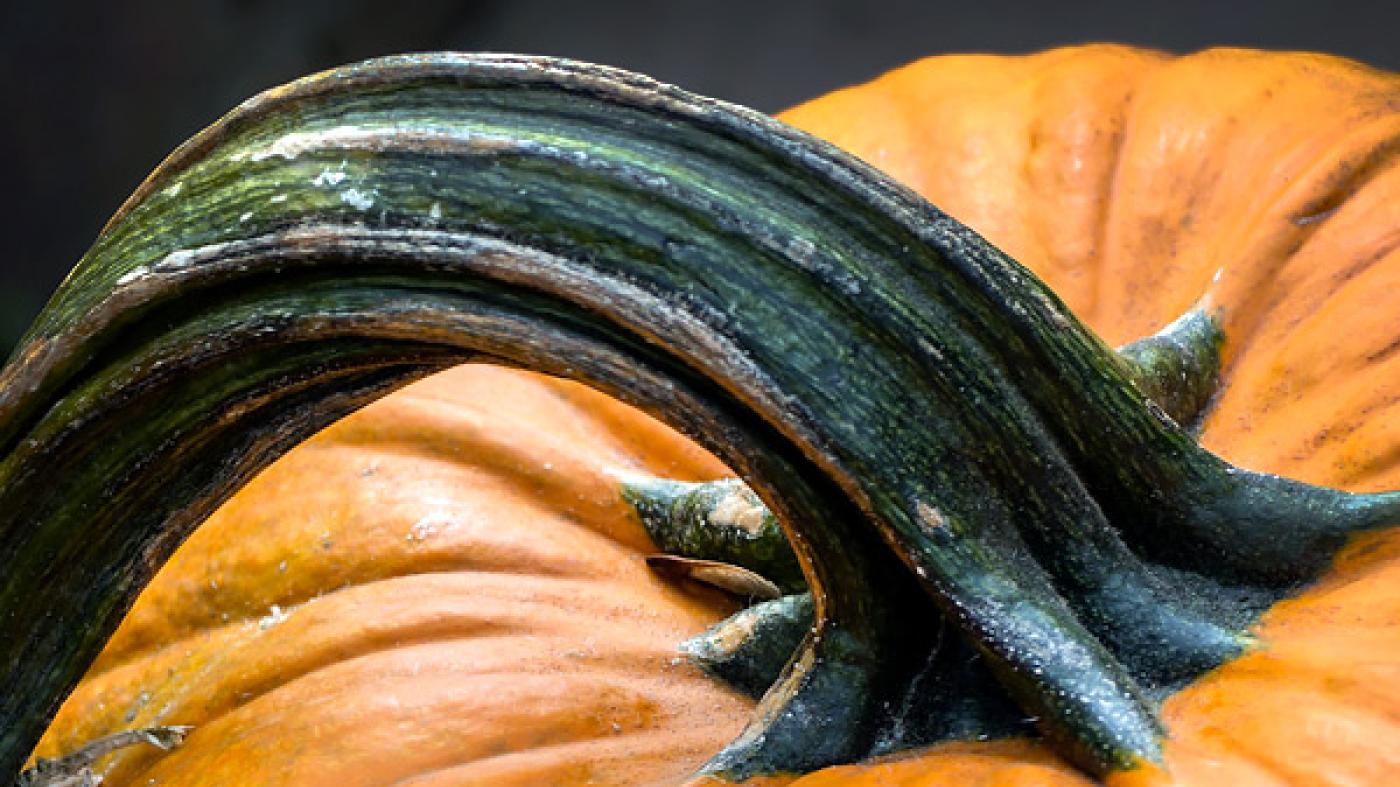
Pumpkin Selection
Q. How should we select pumpkins for cooking and decorating?
A. From supermarkets to farm stands and backyard gardens, fall brings vast displays of colorful pumpkins. Pumpkins, as well as squash and cucumbers, are members of the plant family Cucurbita, and originated in the Americas. In recent years, many unique cultivars have been introduced, along with distinctive heirloom varieties.
Tomato Ripeness
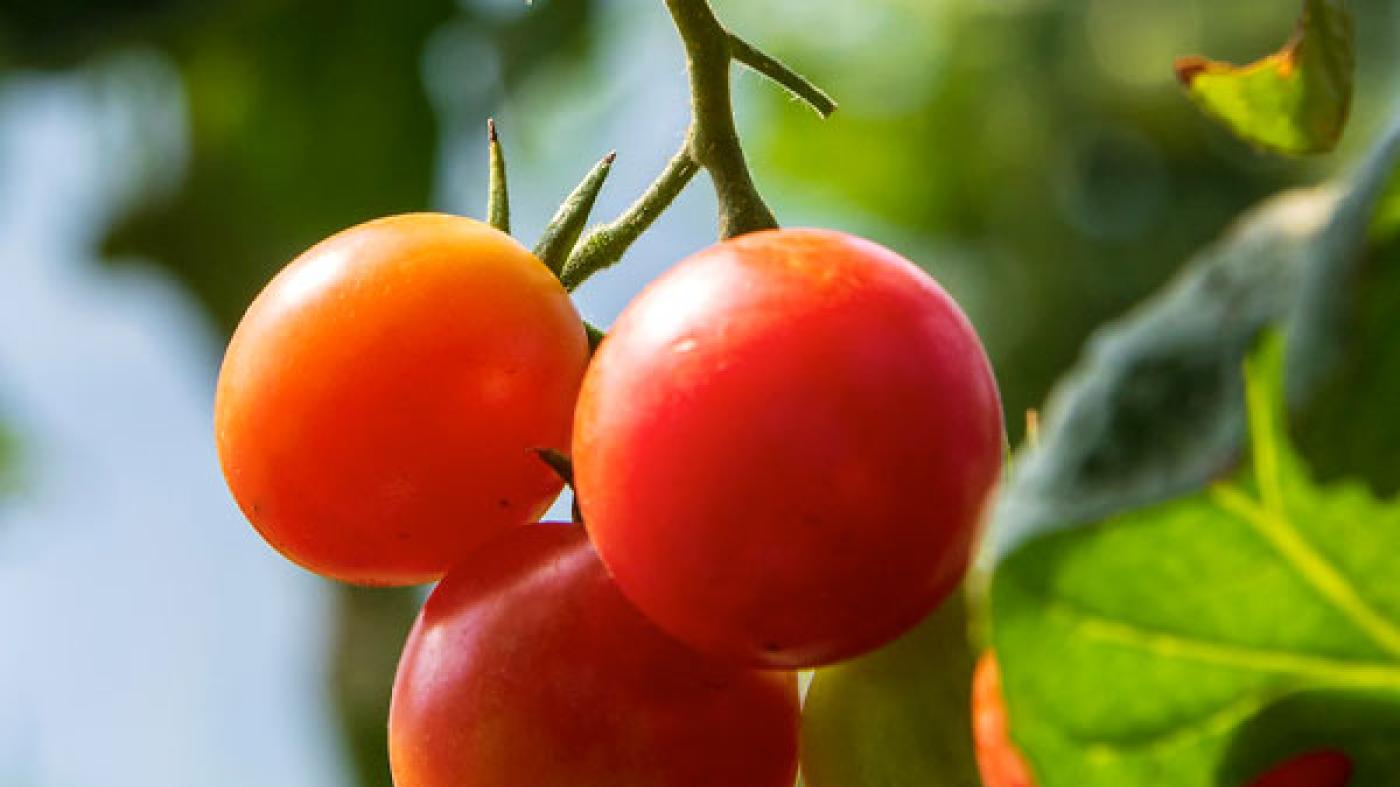
Q. How can I tell when the tomatoes in my garden are ripe?
A. Determining when tomatoes are ripe can be tricky, especially when we are anxiously waiting to sample the first tomatoes of the season. As a practical matter, the best guides to tomato ripeness, particularly for the heirloom varieties and those hybrids bred for the home gardener, are color and touch.
Tomato Plant Health
Q. For the last few years my tomato leaves have been turning brown and falling off early. Is there anything I can do to prevent this from happening again?
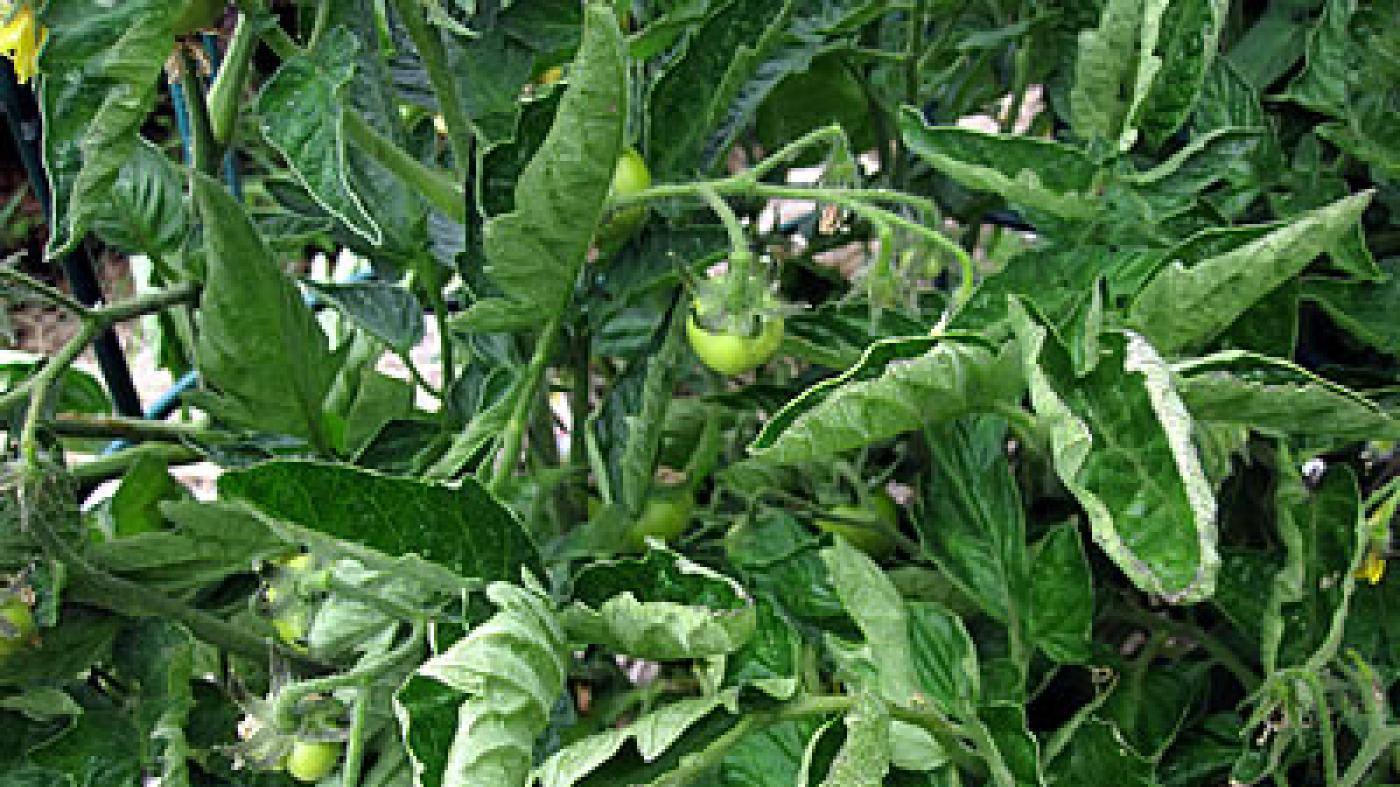
Tomato plants don’t produce as much fruit
Q. Last year, my tomato plants didn’t produce as much fruit as in past years. Why is this and is there anything that I can do about it?
A. There can be several reasons to explain low fruit production:
• Sometimes flowers drop off the plant during periods of fluctuating temperatures. Temperatures above 90 degrees Fahrenheit during the day can cause the blossoms to drop without setting fruit. If evening temperatures fall below 55 degrees, remain above 75 degrees, or if the humidity is too high, blossoms can also drop prematurely.
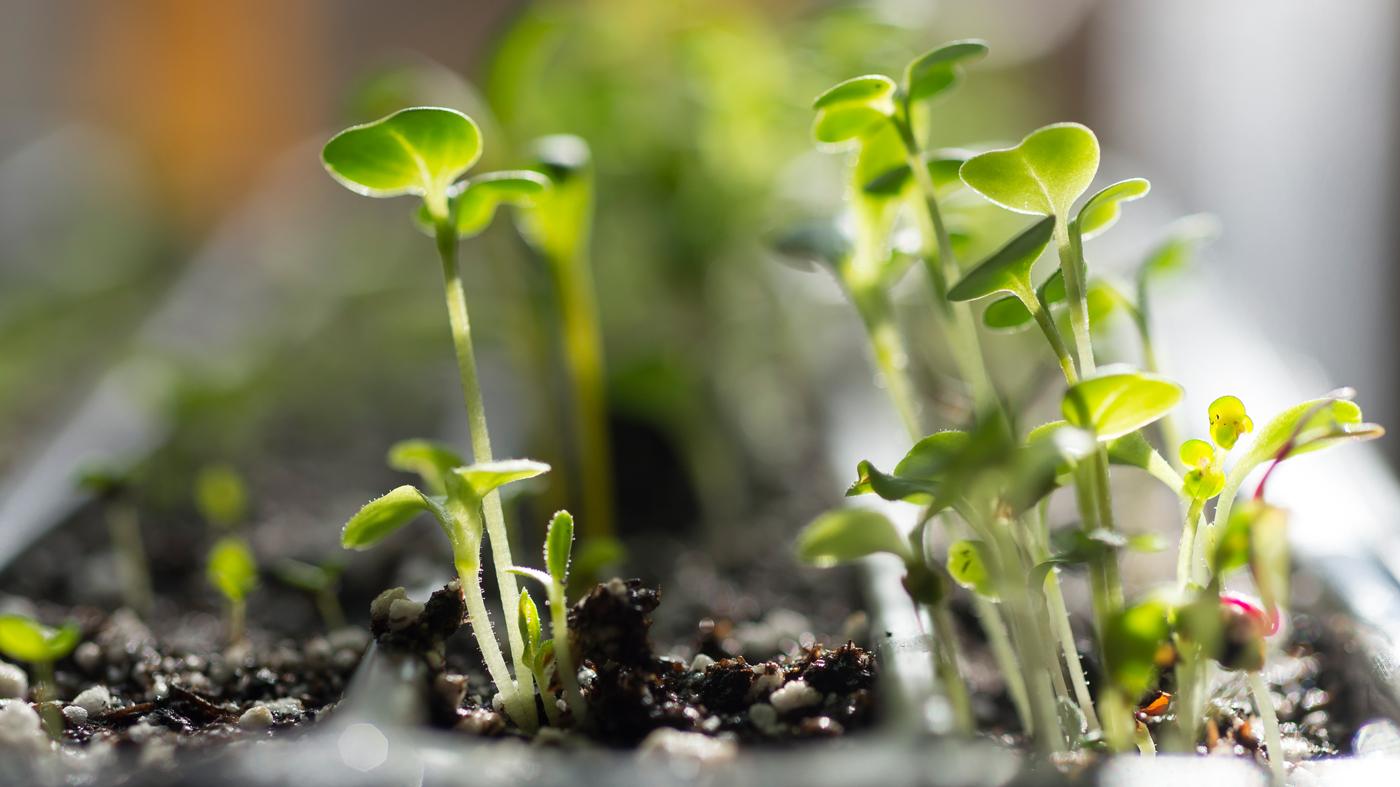
Starting Vegetables
Given Chicago's fickle springtime weather, it may seem as if the window of time when early annuals and veggies can be safely planted is very tiny indeed. But there are ways to ensure that our wild weather won't preclude an abundant garden whenever summer finally arrives.
Planting garlic
Q: When is the best time of year to plant garlic? Can I plant whole heads purchased at the grocery store?
A: Garlic should be planted in early to late September in the Chicago region. Purchasing bulbs from the grocer that are not sold specifically for planting is not recommended as those varieties are not reliably winter hardy in our region. Garlic heads should be divided into the individual cloves for planting. Use the larger, outer cloves for best results.
Composting rhubarb leaves
Q: Is it safe to compost rhubarb leaves?
A: Yes. Although the leaves of rhubarb plants contain a high level of oxalic acid and should not be eaten, they are safe to add to the compost pile. The oxalic acid degrades rapidly in the pile and has no impact on compost quality.
Skin cracking in tomatoes
Q: How do I prevent my tomatoes from cracking?
A: The main cause of skin cracking is fluctuation of soil moisture, especially as tomatoes ripen. If soil becomes dry, and plants then receive heavy rainfall or amounts of irrigation, the plants will take up water quickly and put on a growth spurt. This type of fast growth causes the skin to crack. Tomato cracks can be avoided by applying a few inches of organic mulch around the plants to prevent the soil from becoming overly dry. The best time to water tomatoes is in the early morning.
Disease and insect resistance in tomatoes
Q: What do the letters VFNT mean on the tomato plant labels?
A: Tomatoes are prone to a number of diseases and pests. Tomatoes have been hybridized to be resistant to common problems. The following letters represent disease/insect resistance and may appear alone or in a combination:
V = verticillium wilt resistance (fungal disease)
F = fusarium wilt resistance (fungal disease)
N = nematode resistance (insect)
T = tobacco mosaic virus resistance (viral disease)
Starting tomatoes indoors
Q: How do I start tomato seedlings indoors?
A: To grow your own tomatoes for transplanting outdoors, sow the seeds indoors four to six weeks before the usual last frost (around May 15 in the Chicago area).
Use a sterile seed starting mix and any containers that will hold soil, provide drainage, and accommodate growing roots. Moisten the soil, place two seeds in the pot, and cover lightly with more soil mix. Cover the pots with clear plastic to keep the soil evenly moist and place the plants in a warm location until germination occurs.
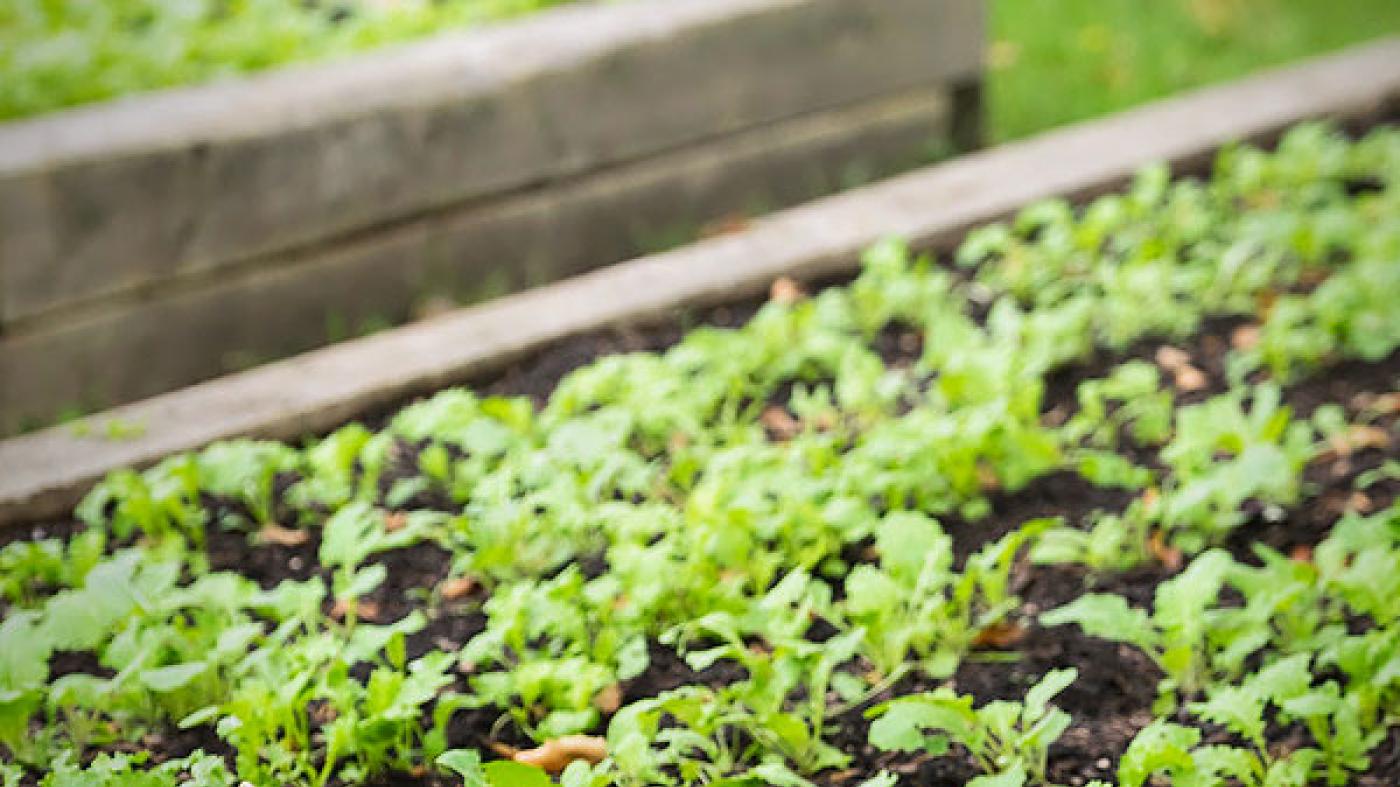
Rotating Crops in Vegetable Gardens
Q. I understand that rotating crops in a vegetable garden can help cut down on insect and disease problems. Should I apply this method to my small backyard vegetable plot?
A. Many insects and diseases attack plants within the same family. If you have had problems with a particular pest or disease, try planting vegetables from another family in that section of your garden. Veteran vegetable gardeners often rotate their crop plantings every two years to safeguard against pest problems.
Fall Vegetable Gardens
Q. Are there any vegetables I can plant in September that can be harvested in fall?
A. If you would like to plant vegetable seeds in September, you can safely try lettuces, radishes or spinach. If you choose to plant vegetable transplants, you might try cauliflower, kale, kohlrabi or peas.
Fall Care for Vegetable Gardens
Q. When I clean up my vegetable garden this fall, should I add any amendments to the soil?
Determinate and Indeterminate Tomatoes
Q. Please explain the difference between a "determinate" and an "indeterminate" variety of tomato.
Temperature Needs of Tomato Transplants
Q: My tomato plants did not perform well last year. I’m planting recommended varieties, but I was disappointed in the number of tomatoes. What can I do?
Harvesting Squash
Q. I am growing acorn and butternut squash for the first time this year. When do I harvest them, and how do I store them after harvest?
A. All winter squashes (acorn, hubbard, butternut and spaghetti) should be allowed to ripen on the vine. Harvest them before a hard frost, but be sure the skin is hard and not able to be pierced with your fingernail. You can store them for five or six months in a dry environment (50 to 60 degrees Fahrenheit, with 60 to 70 percent humidity).
Heirloom Seeds
Q. I am interested in starting a vegetable garden this year and wonder about the advantages of planting heirloom seeds.
Harvesting Gourds
Q. I am growing ornamental gourds for the first time and would like to know when to harvest them.
Growing beets from seeds
Q. Last year, I planted beets from seeds and was very disappointed in the weak, spindly seedlings that emerged. Some of the beets never produced roots at all. I would like to try again. Any ideas?
A. Beet seeds are actually clusters of seeds contained in very small dried fruits or berries. Because several seedlings can grow from each fruit, it is essential to thin the seedlings to 2 or 3 inches apart when they are just a few inches tall. Don't discard these extras; they can be used in cooking or added to salads.