

Question of the Month
Question of the Month
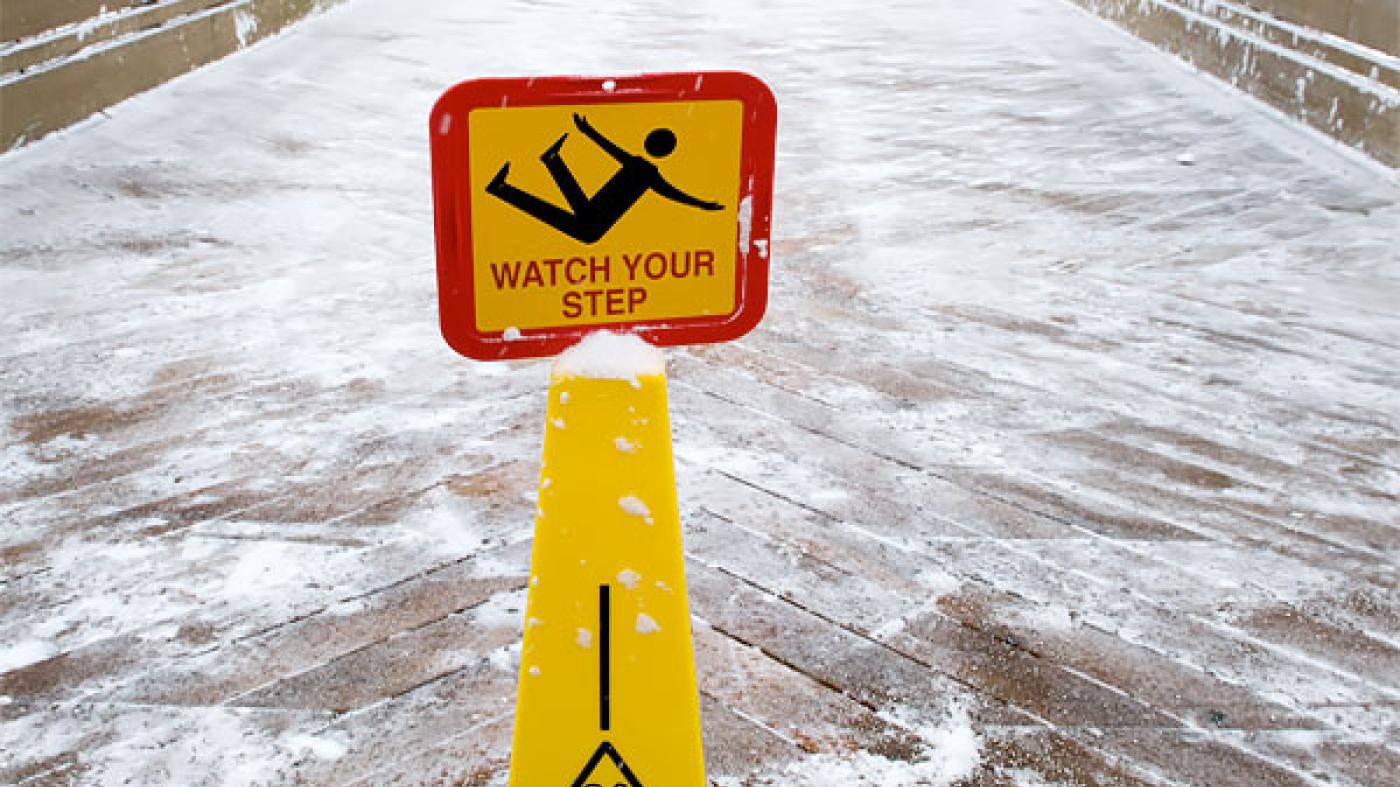
Deicing Damage
Q: During the cold seasons we deal with icy walks and driveways and worry about the potential damage to our lawn and landscape plantings from deicing agents. What can we use that is safe and effective?
A: The safety of both residents and visitors requires that we deal with icy surfaces around our homes, but chemical deicing agents can damage plants as well as concrete and other masonry. A strategic approach to ice prevention and removal must balance safety with plant protection and cost.
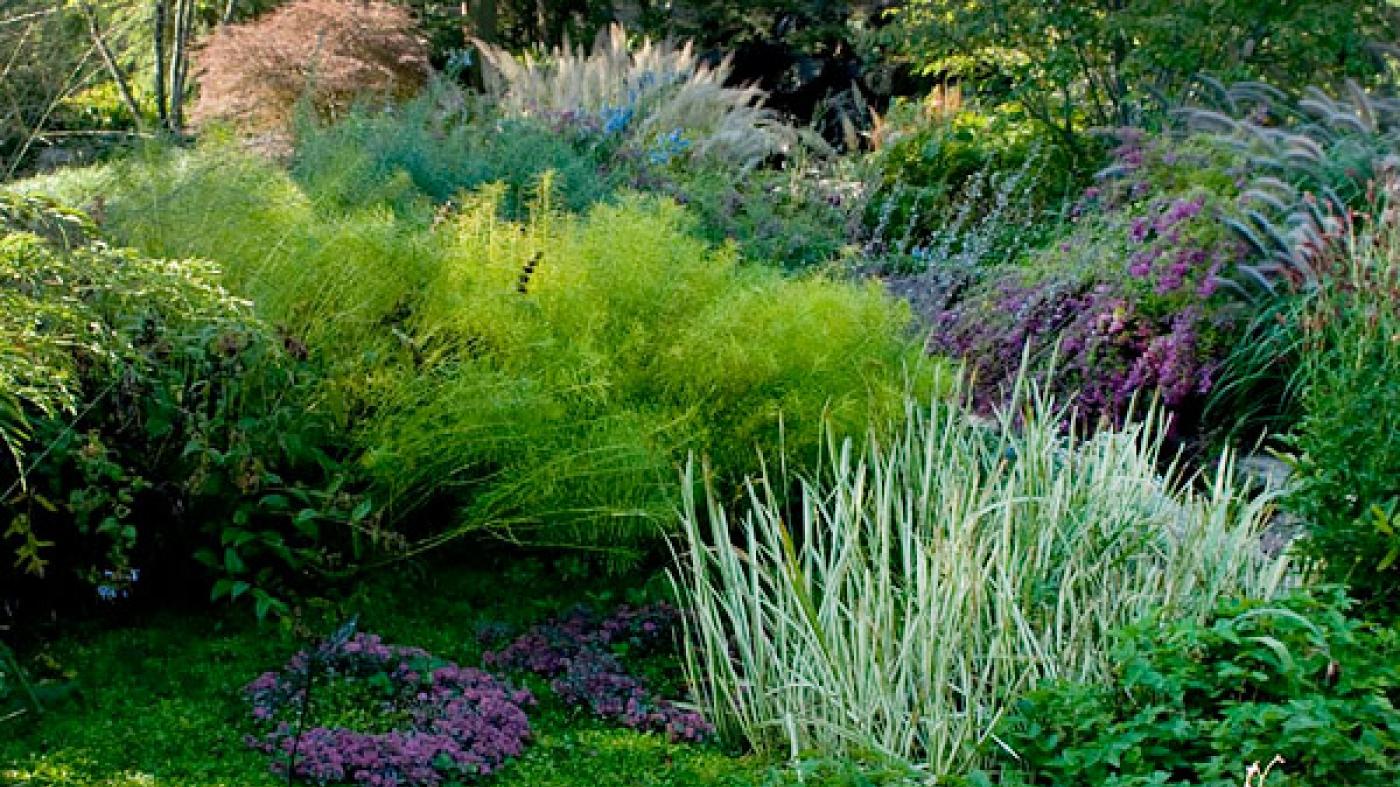
Shrub Considerations for Home Landscape
Q: What should we consider when choosing shrubs for our home landscape
A: The saying “right plant…right place” is essential to keep in mind when selecting shrubs. Many shrub problems can be traced back to choices made years before. Moreover, early planning is especially desirable now, due to high demand and supply disruptions arising from the COVID-19 pandemic.
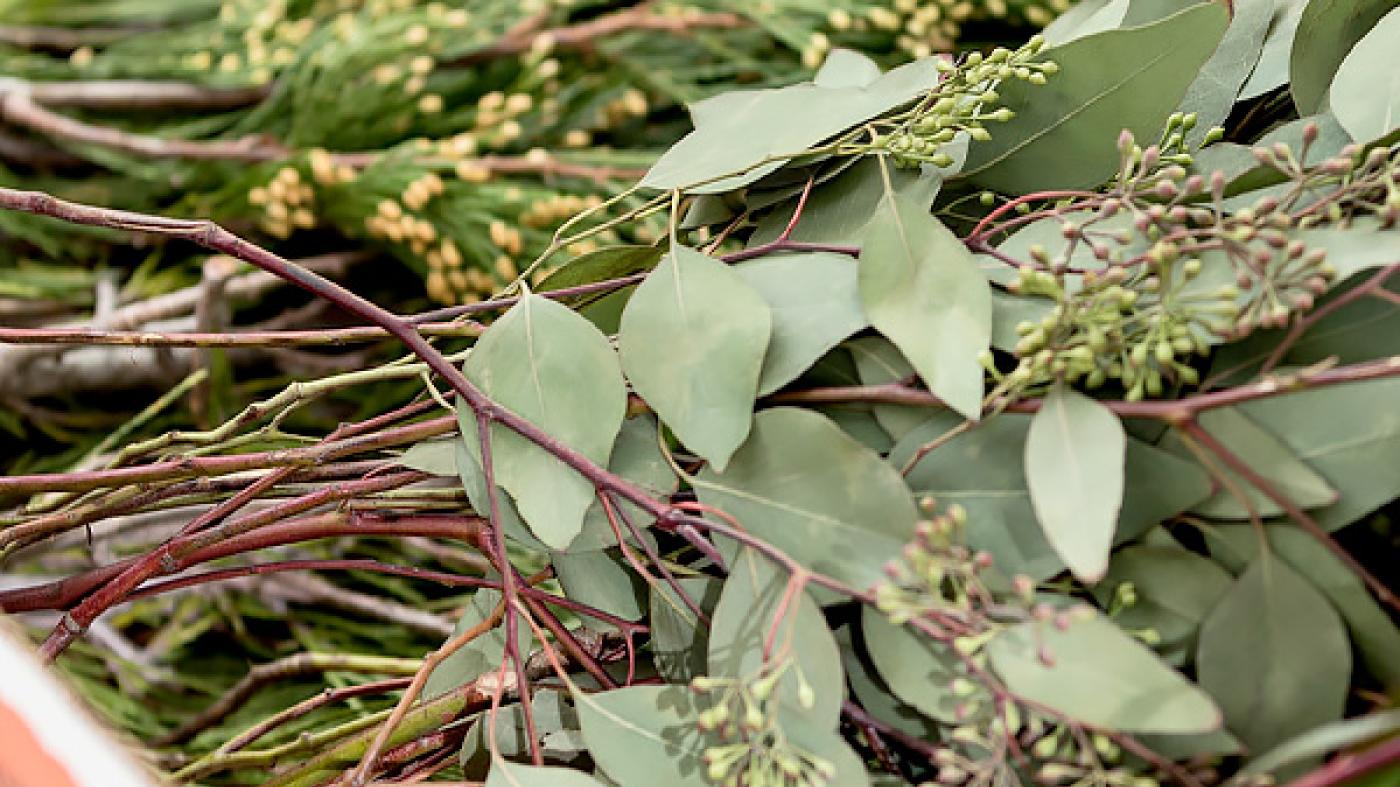
Plant Materials for Holiday Decor
Q: Are there homegrown plant materials besides conifers that I can use for holiday decorations?
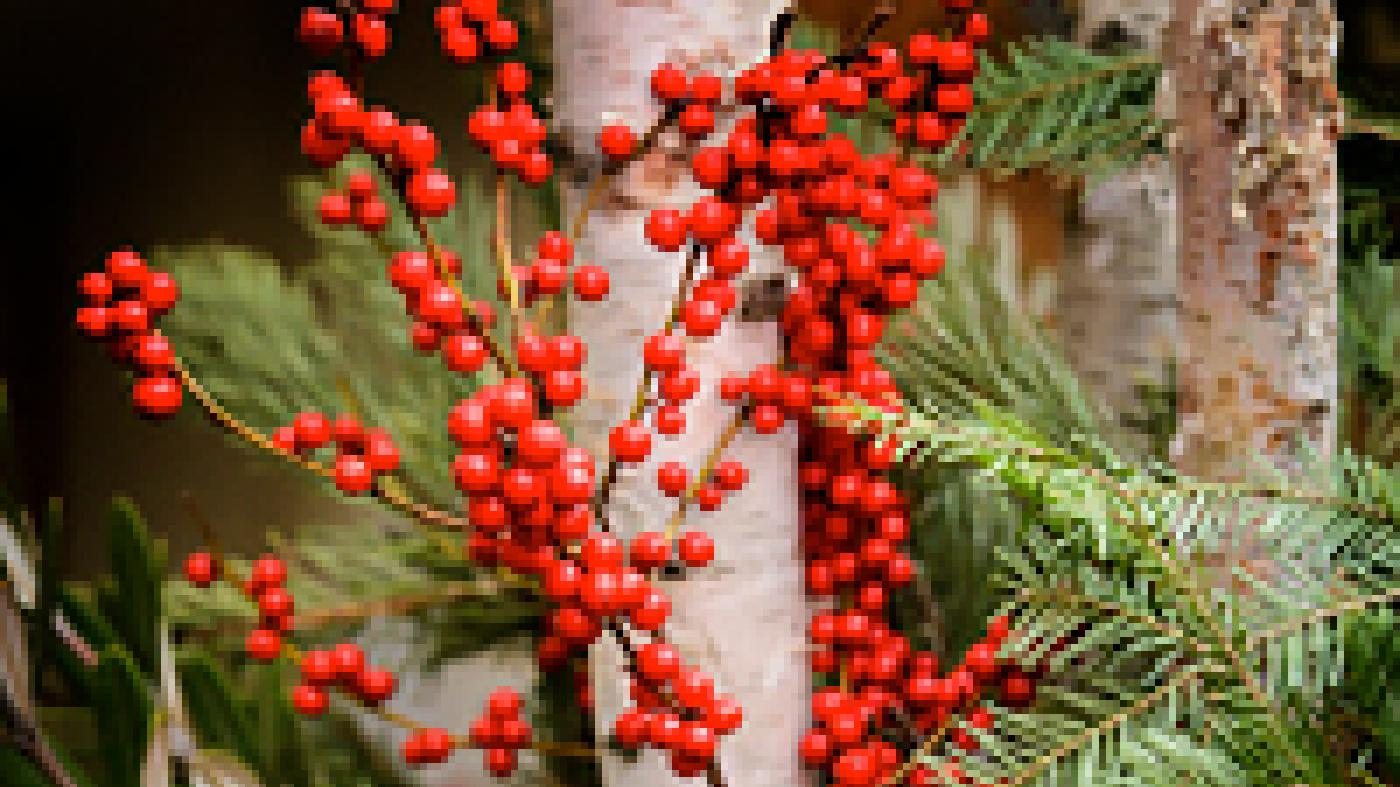
A: Traditions and beliefs that came to North America with immigrants from Europe led to the extensive use of branches and cones of pines, firs, and other evergreen trees and shrubs for holiday decorations. However, not every home landscape contains conifers that can be pruned for this purpose. Fortunately, a range of home landscape plants provide material that can be used to make attractive decorations and much of it is renewable.
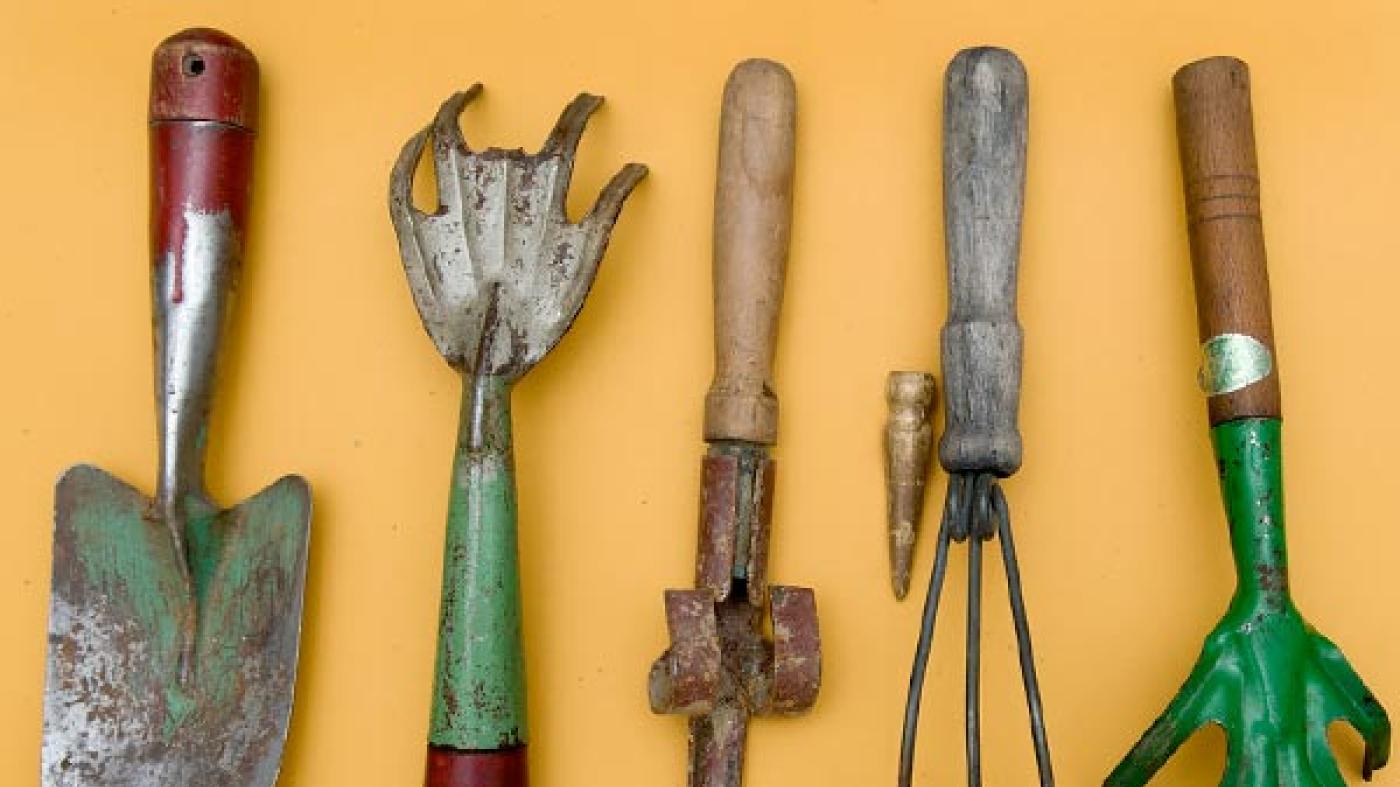
Preparing Tools for Winter
Q. What should I do to prepare my gardening tools for winter storage?
A. After raking the last leaf and tossing the final faded flower into the compost, one task remains before the home gardener can move inside to await the arrival of the first seed catalogs. Clean, maintain, and store the garden tools. Though little more glamorous than weeding, appropriate care ensures that your tools will be safe and ready to use come spring, and extends the useful life of what is often a significant monetary investment.
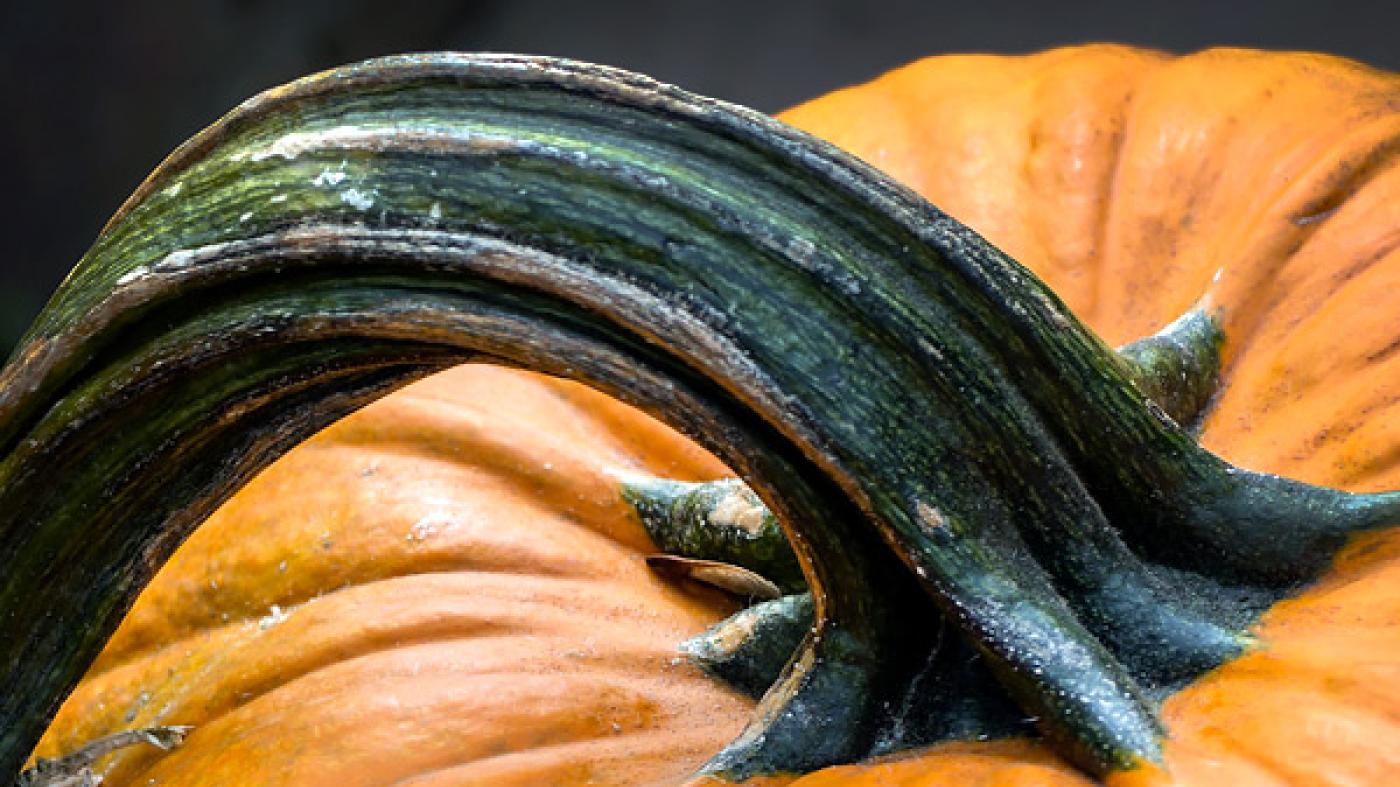
Pumpkin Selection
Q. How should we select pumpkins for cooking and decorating?
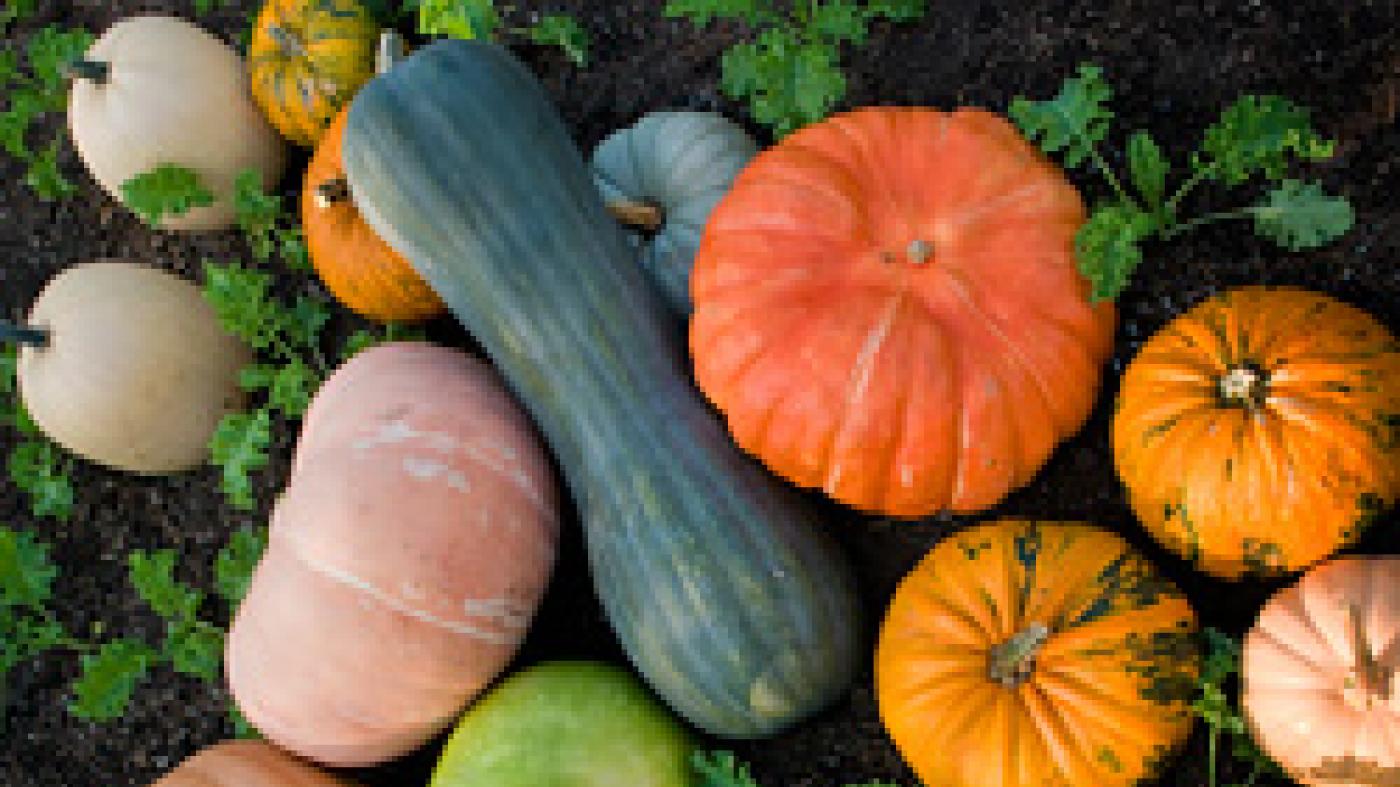
A. From supermarkets to farm stands and backyard gardens, fall brings vast displays of colorful pumpkins. Pumpkins, as well as squash and cucumbers, are members of the plant family Cucurbita, and originated in the Americas. In recent years, many unique cultivars have been introduced, along with distinctive heirloom varieties.
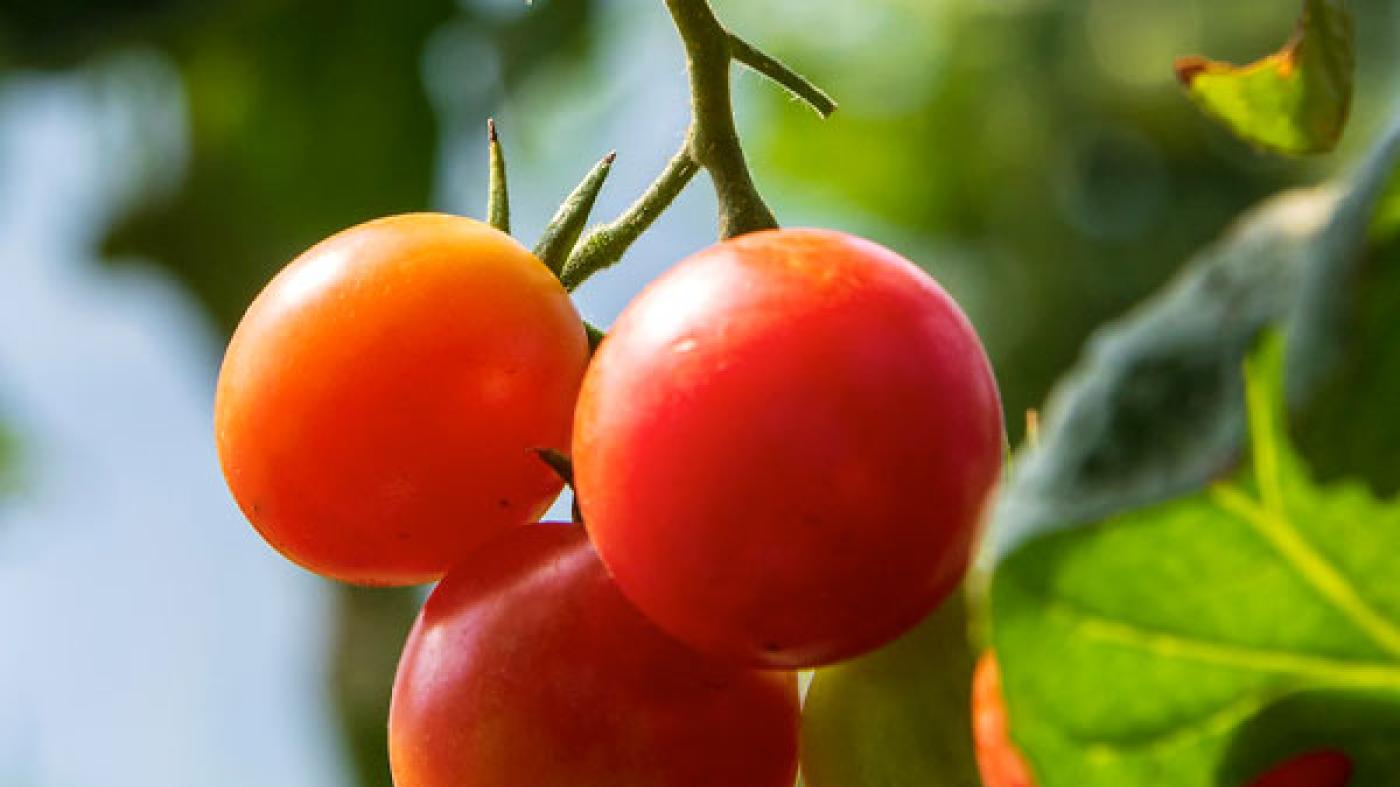
Tomato Ripeness
Q. How can I tell when the tomatoes in my garden are ripe?
A. Determining when tomatoes are ripe can be tricky, especially when we are anxiously waiting to sample the first tomatoes of the season. As a practical matter, the best guides to tomato ripeness, particularly for the heirloom varieties and those hybrids bred for the home gardener, are color and touch.
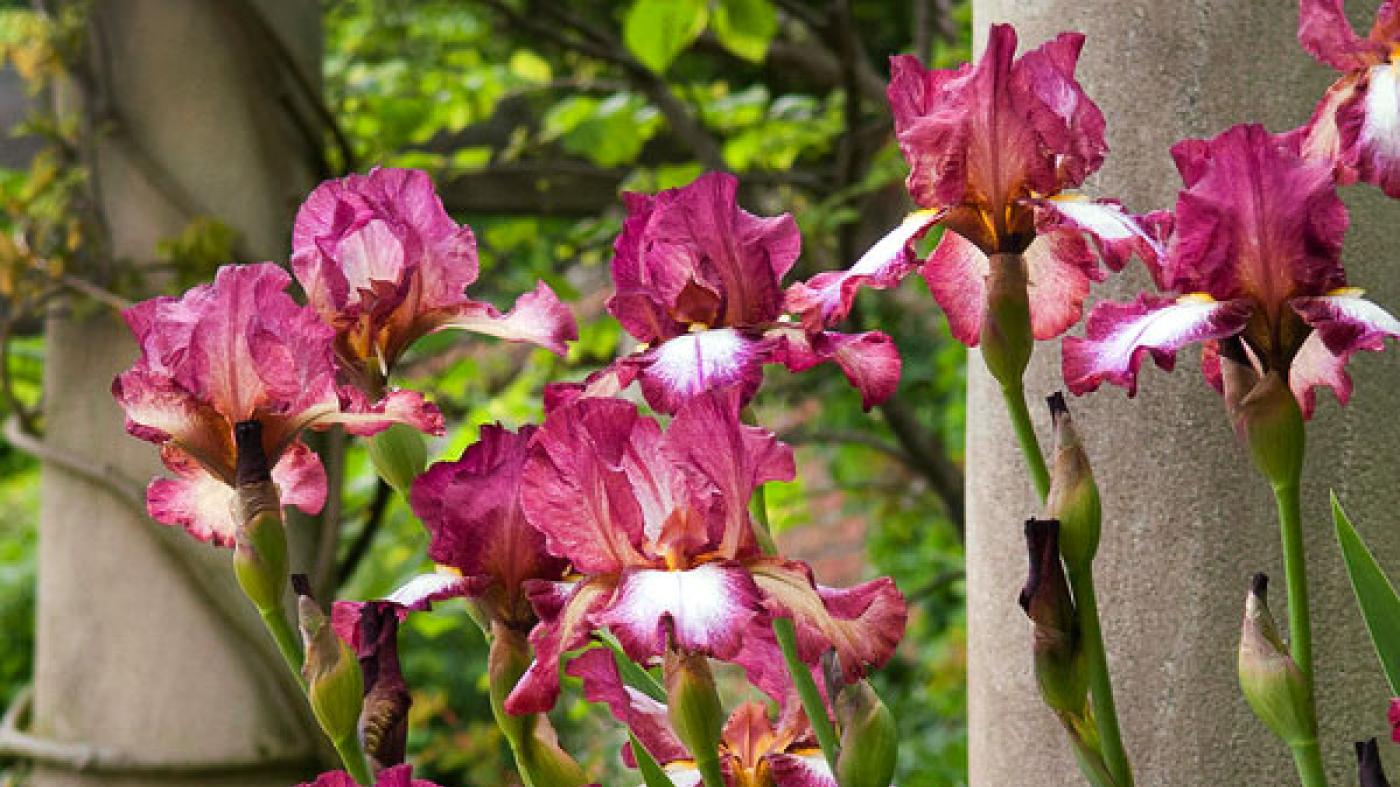
Deadheading Perennials
Q. Will cutting spent flowers off of my perennials encourage more blooms?
A. Removing old or spent flowers is known as deadheading. Most ornamental plants benefit from deadheading; however, newly planted young plants are less likely to require frequent deadheading in their first year of growth.
There are several reasons for deadheading. Most gardeners do it because it aesthetically looks better when dead plant material is removed, such as peonies and annual pinks (Dianthus chinensis).
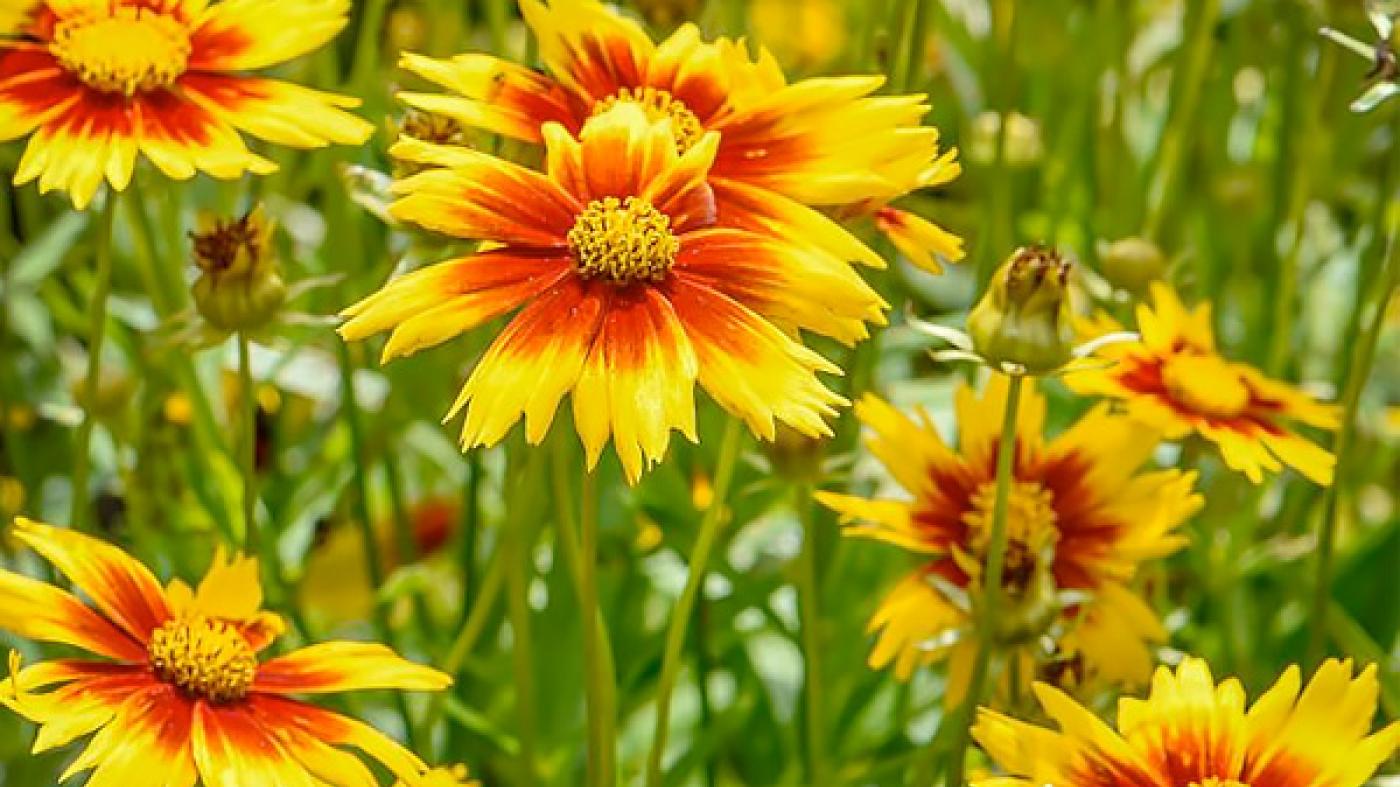
Spring Perennial Dividing
Q: As temperatures rise and my perennials are emerging, it appears that some of them are very crowded. Should I divide them now?
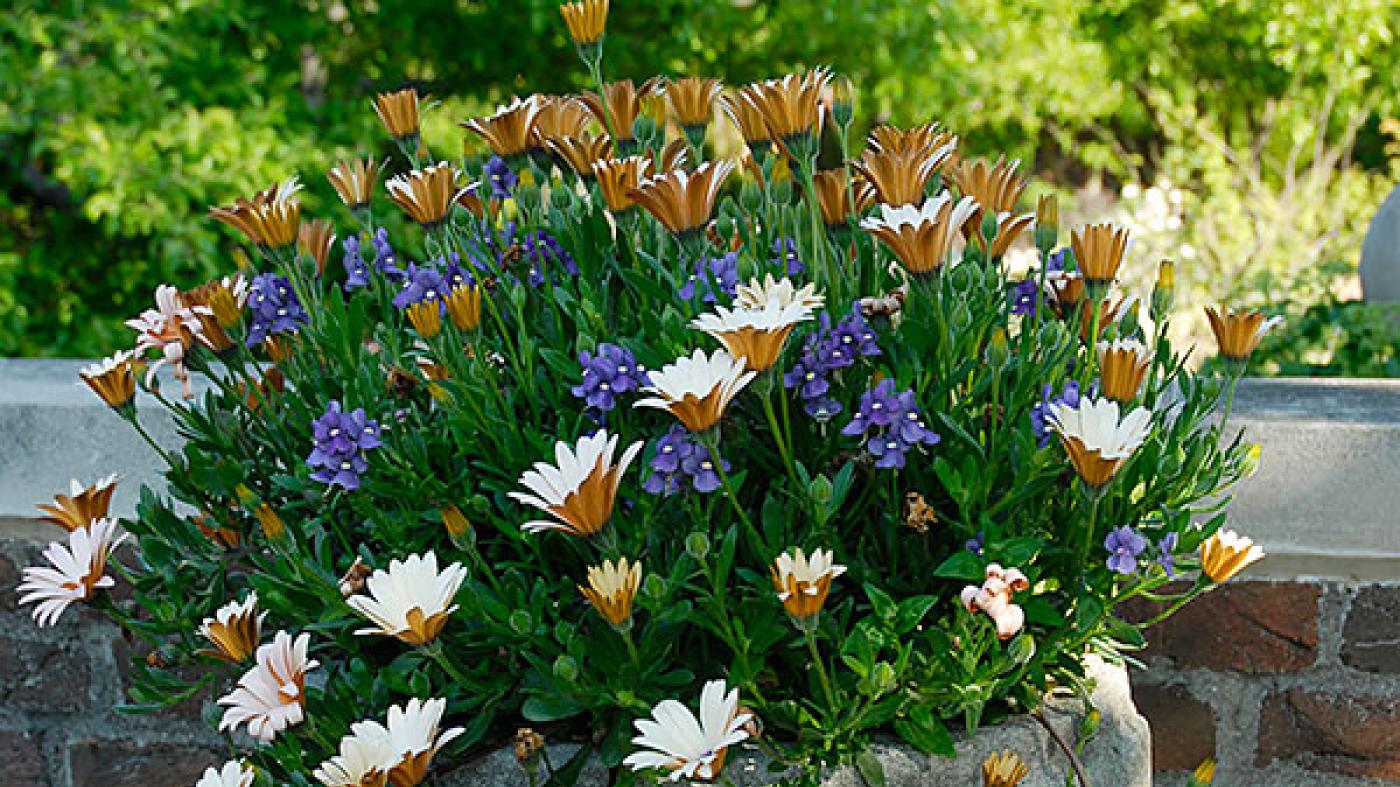
Growing Plants in Containers
Q: The plants in my containers don’t always grow well. What am I doing wrong? Can you give me some growing tips?
A: There are several important factors to keep in mind when gardening in containers.
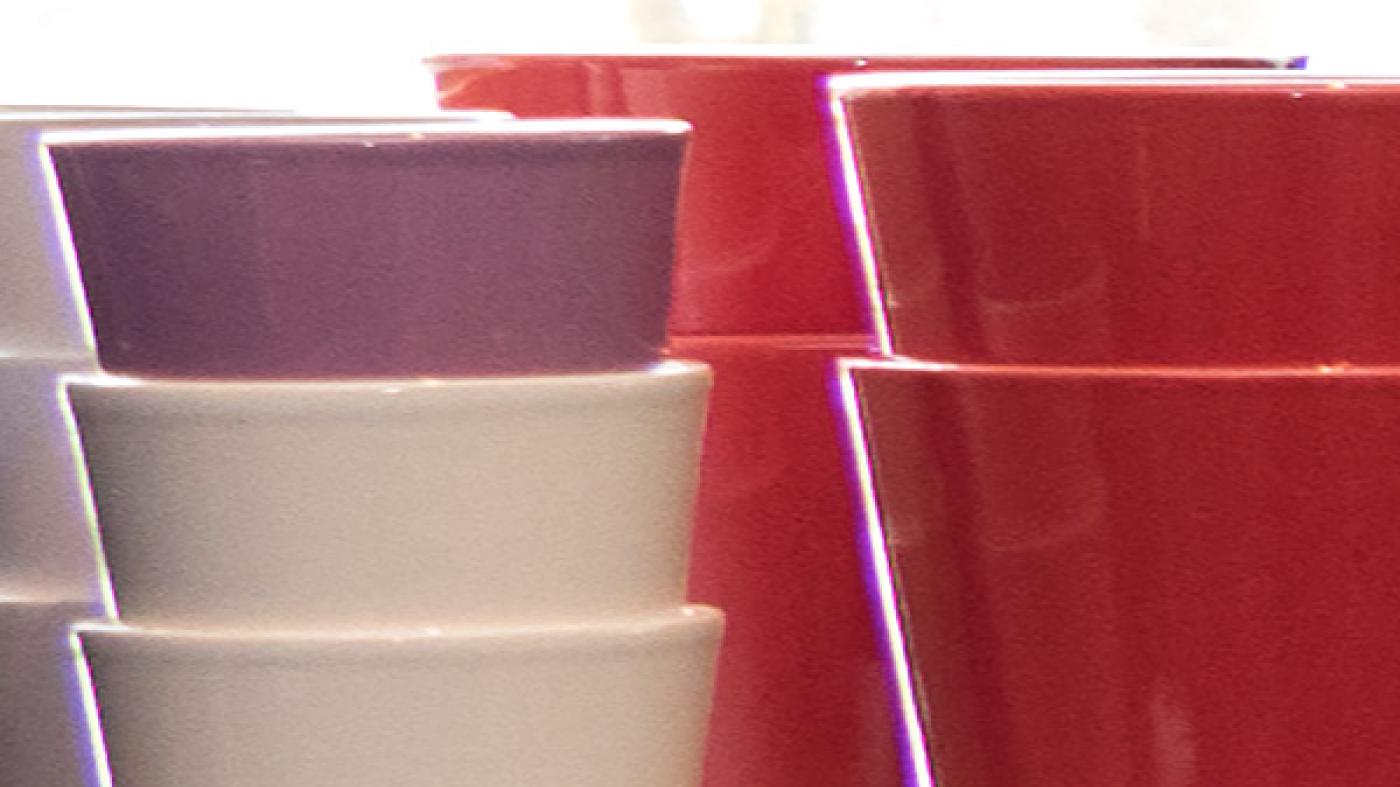
Drill a Drainage Hole
Q: I understand the importance of planting in pots with adequate drainage, but many of my pots don’t have holes. Every time I try to drill into the bottom of the pot, it cracks. How do I drill a drainage hole into a ceramic plant pot without cracking it?
A: The following process can be successful, but it is not guaranteed, and it is intended for adults with cordless drill competence.
Materials/Tools:
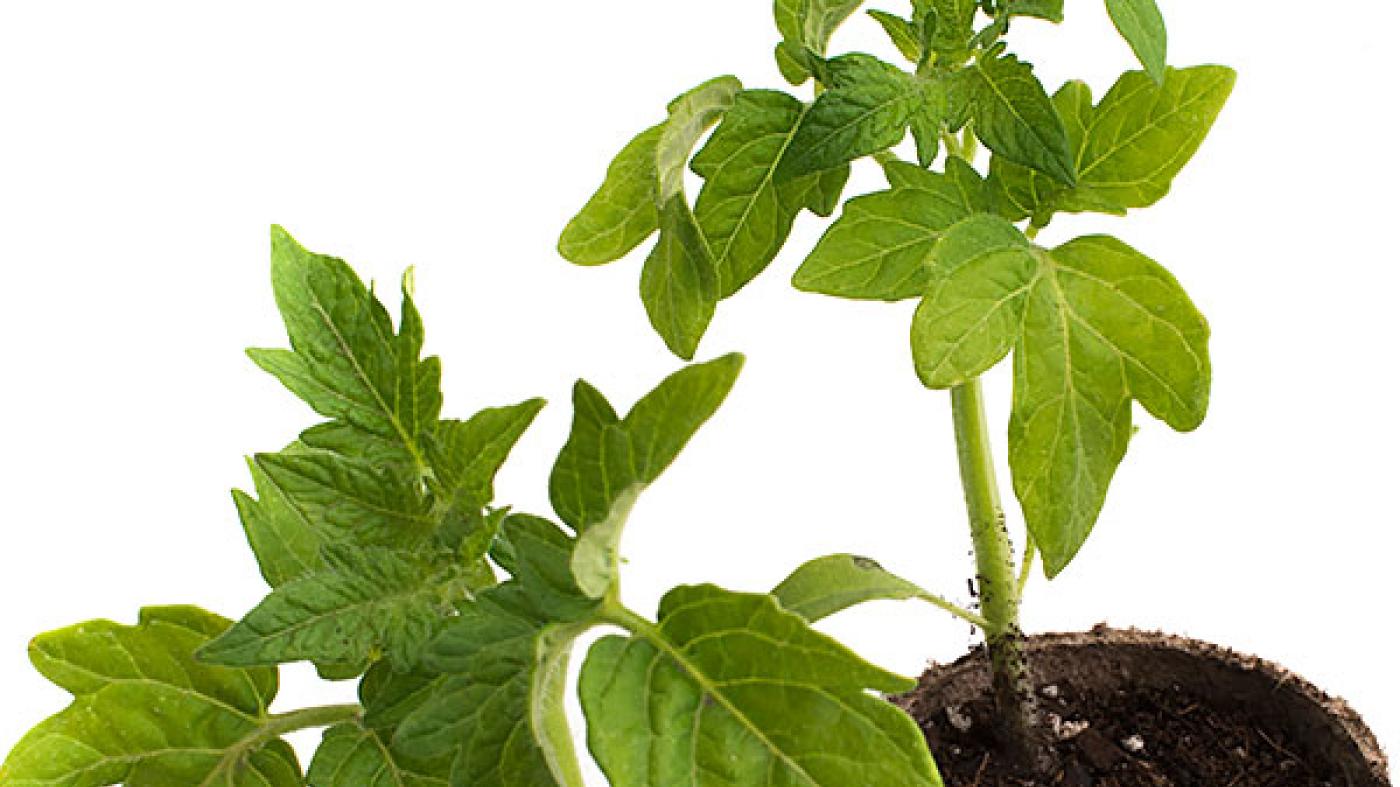
Planning on tomato plants
Q: I really want to start my own tomato plants this year. Am I too late?
A: No, you are not too late. In the Chicago area, we do not recommend that tomatoes be transplanted into your garden until June 1. Since tomatoes require approximately eight weeks from seeding to transplanting, you do not need to start seeds until early April. However, starting tomatoes from seed, while a straightforward process, requires planning and preparation well before April.
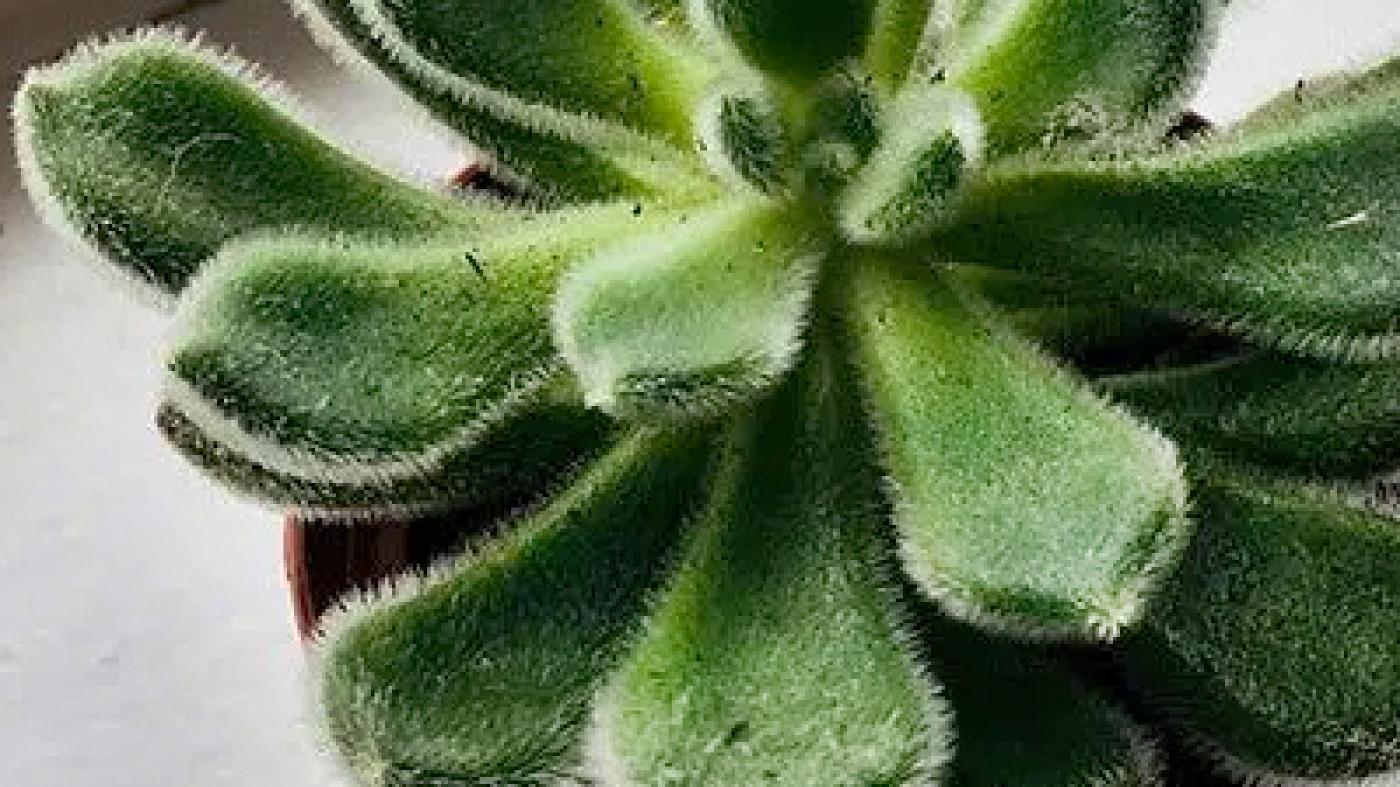
Protecting Houseplants from Insects
Q: I have had problems with insects on my houseplants during past winters. Is there anything I can do to prevent or control them?
A: The first step is to keep insects out of the house by carefully inspecting any plants before bringing them into your home. This is especially important for plants that have spent the summer outdoors. If insects are found, isolate the affected plants immediately.
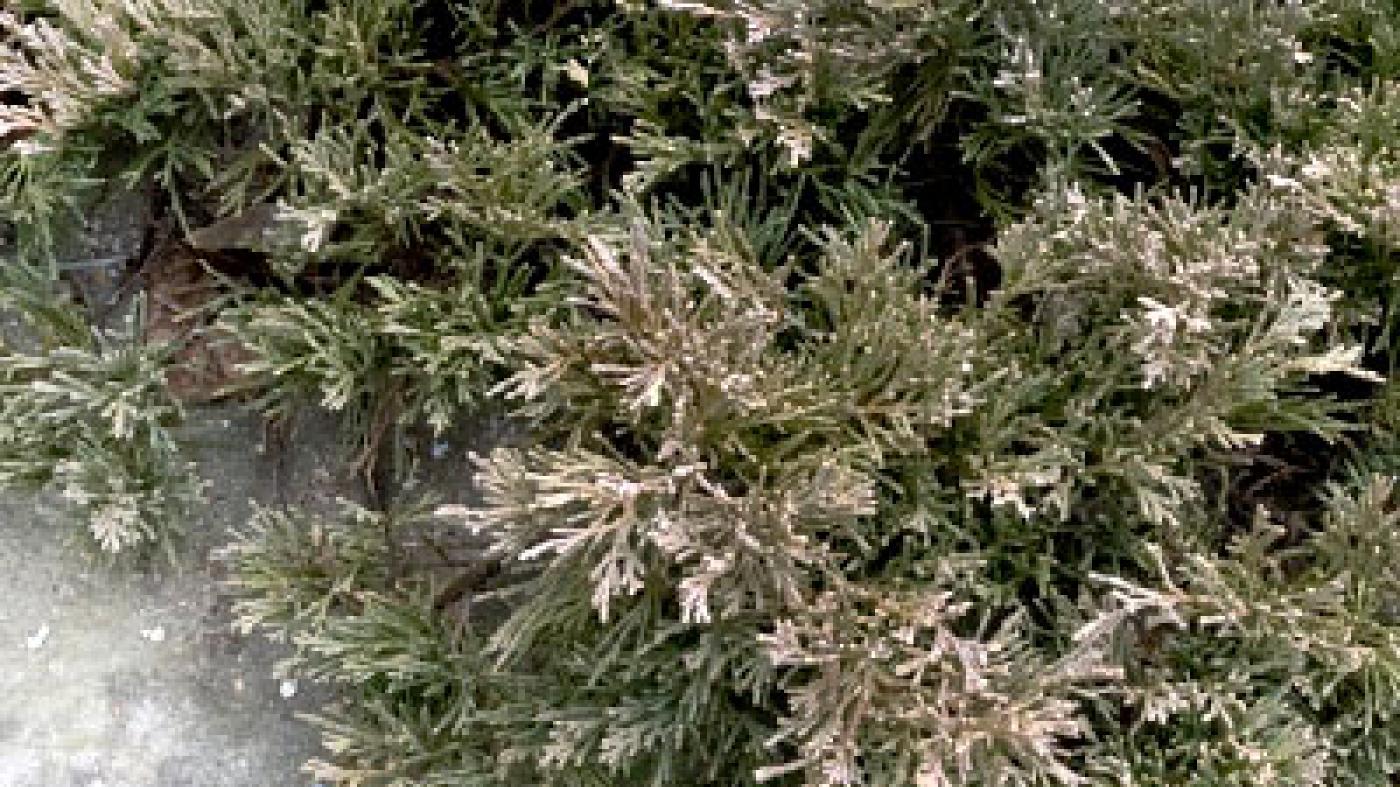
Winter Evergreen Discoloration
Q: I recently noticed that some of my evergreens have become discolored. Should I be concerned?
A: It is normal for the foliage of some evergreens, such as arborvitae (Thuja) and boxwood (Buxus), to change color in cold weather. The different color of the foliage in such species is not indicative of a pathogen or cultural disorder; it is a normal response to winter temperatures.
Species that are known to change color in cold weather include:
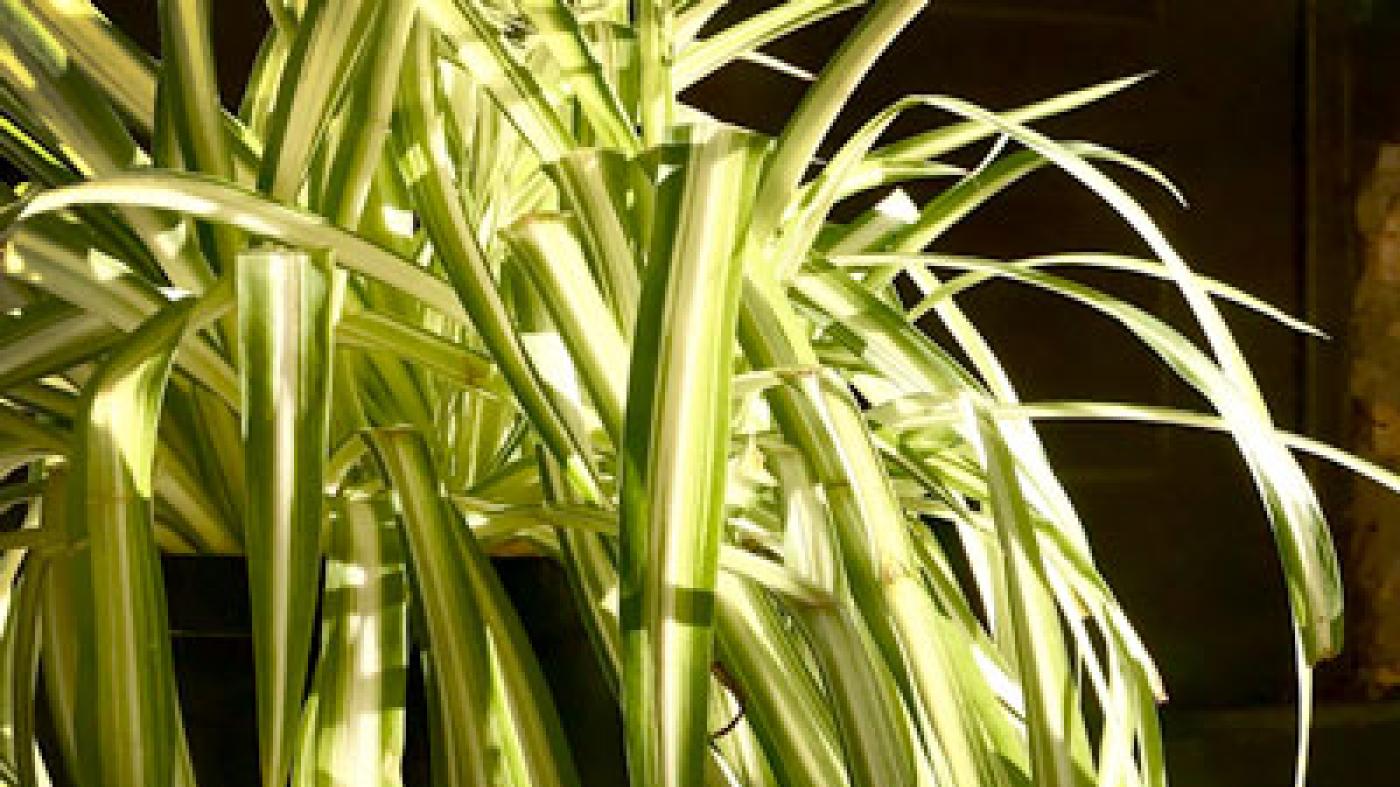
Winter Houseplant Care
Q: I recently inherited some houseplants and need some advice on successfully keeping them during the winter.
A: Here are six tips for healthy houseplants:
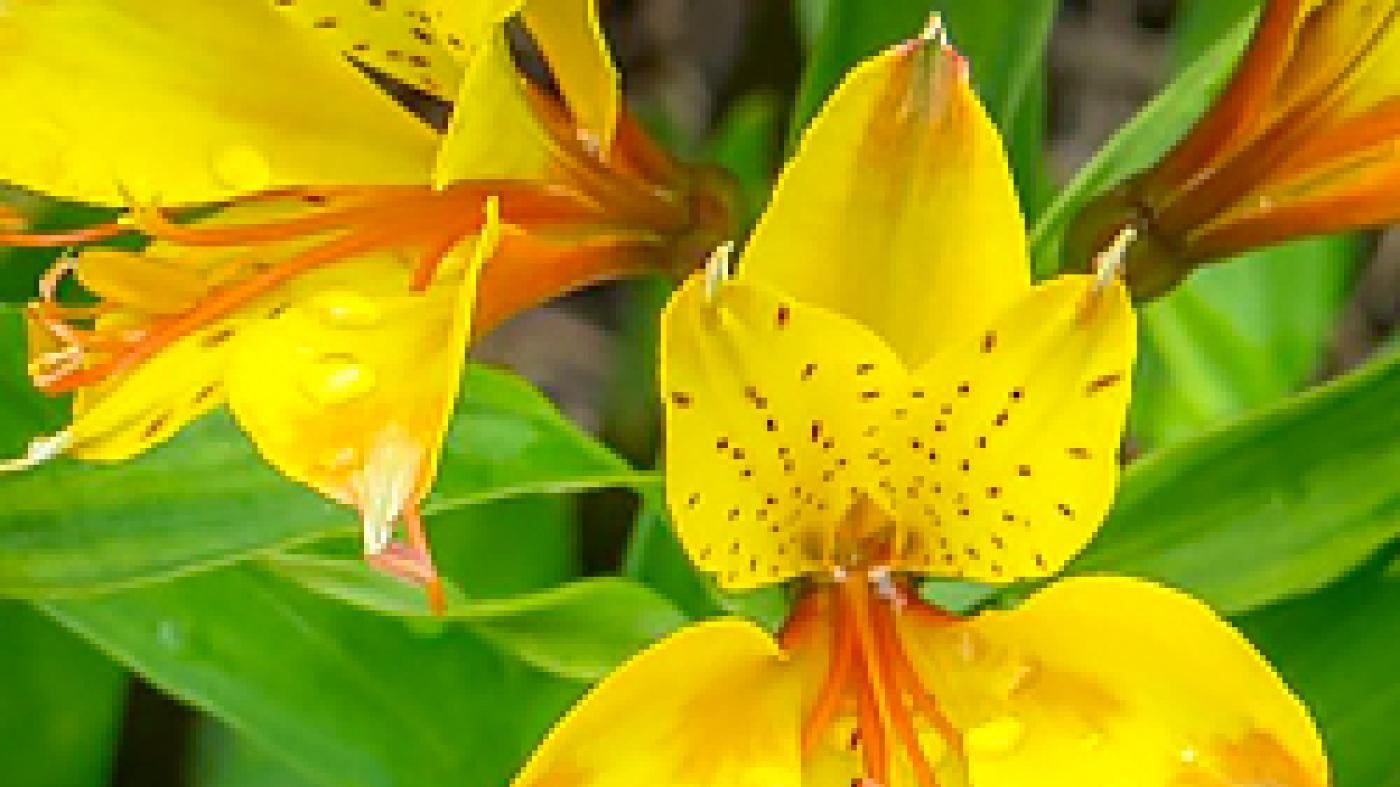
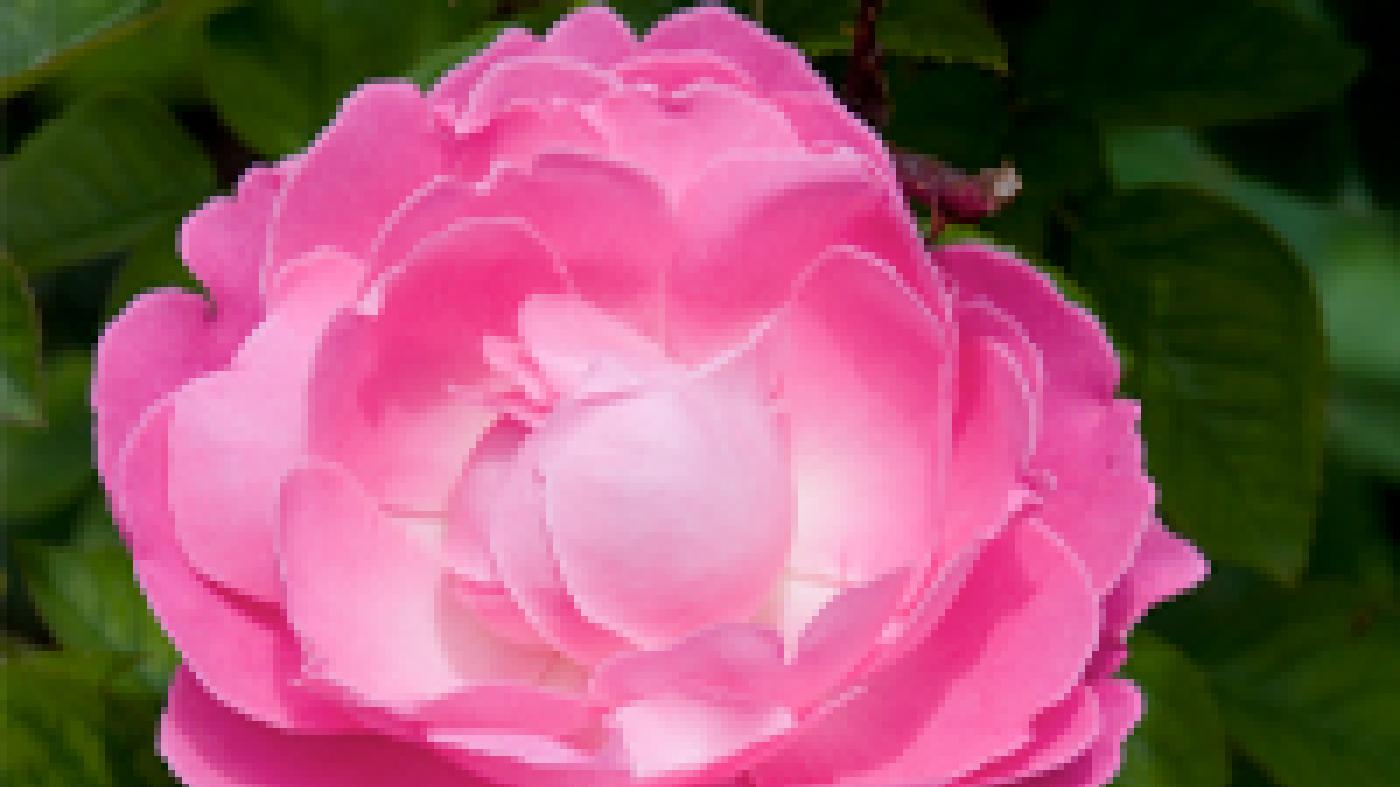
Deadheading and Pruning Roses
Q: When and how should I deadhead and prune my roses?
A: Deadheading—the removal of spent flowers—is a form of pruning. Before making pruning decisions about your roses, it is best to determine the type of rose, and how and when it blooms. Roses are divided into different types based on common characteristics.
Pruning cuts should be made on a 45-degree angle, ¼ inch above an outward-facing bud or five-leaf axil. Dead, diseased, spindly, or crossing branches can be removed at any time.
Tomato Plant Health
Q. For the last few years my tomato leaves have been turning brown and falling off early. Is there anything I can do to prevent this from happening again?
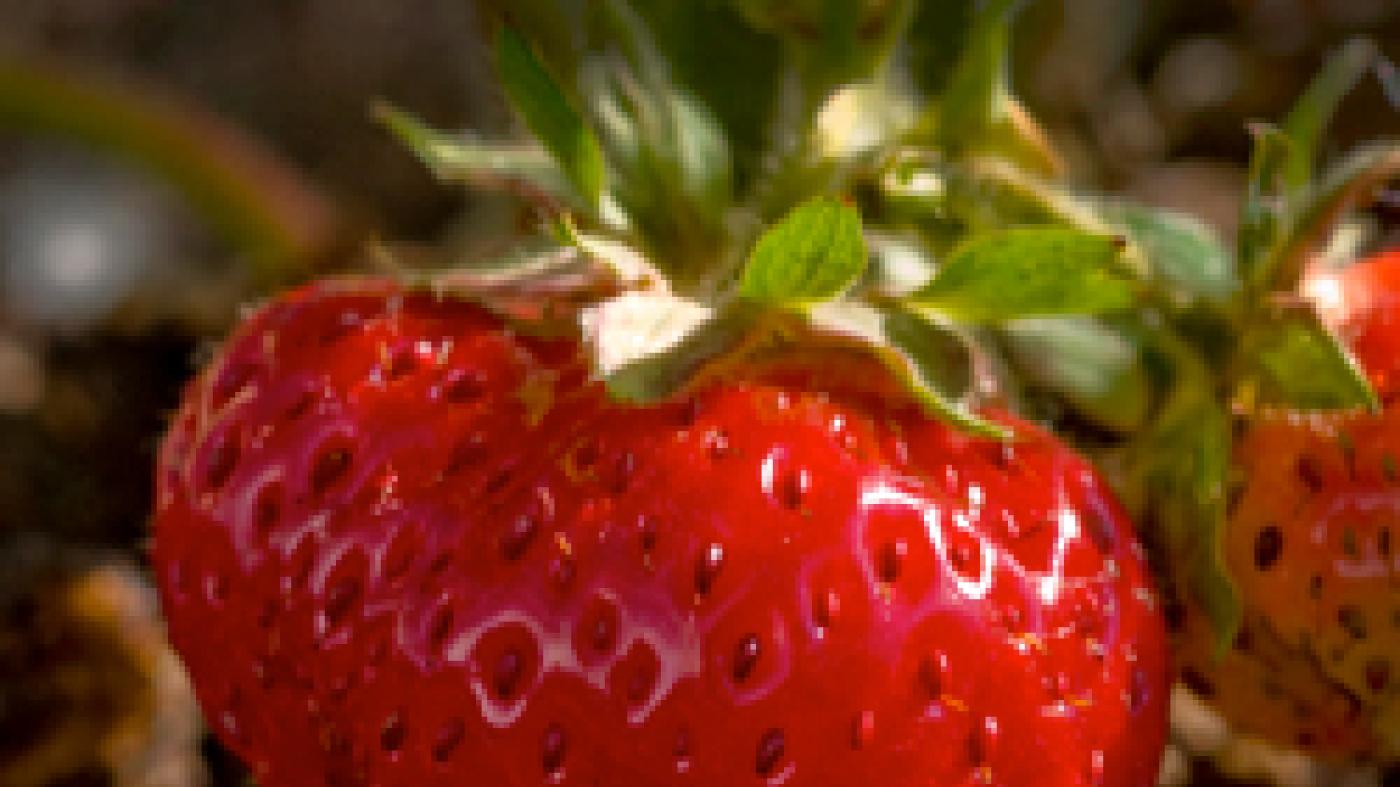
Types of Strawberries
Q. What is the difference between June-bearing and ever-bearing strawberries?
A. Types of strawberries are named according to their harvest time. June-bearing strawberries are the most familiar type and produce the largest fruits as well as large yields. Ever-bearing plants produce two smaller crops, one in June and another in early fall. June-bearing varieties also produce larger numbers of runners than ever-bearing varieties.
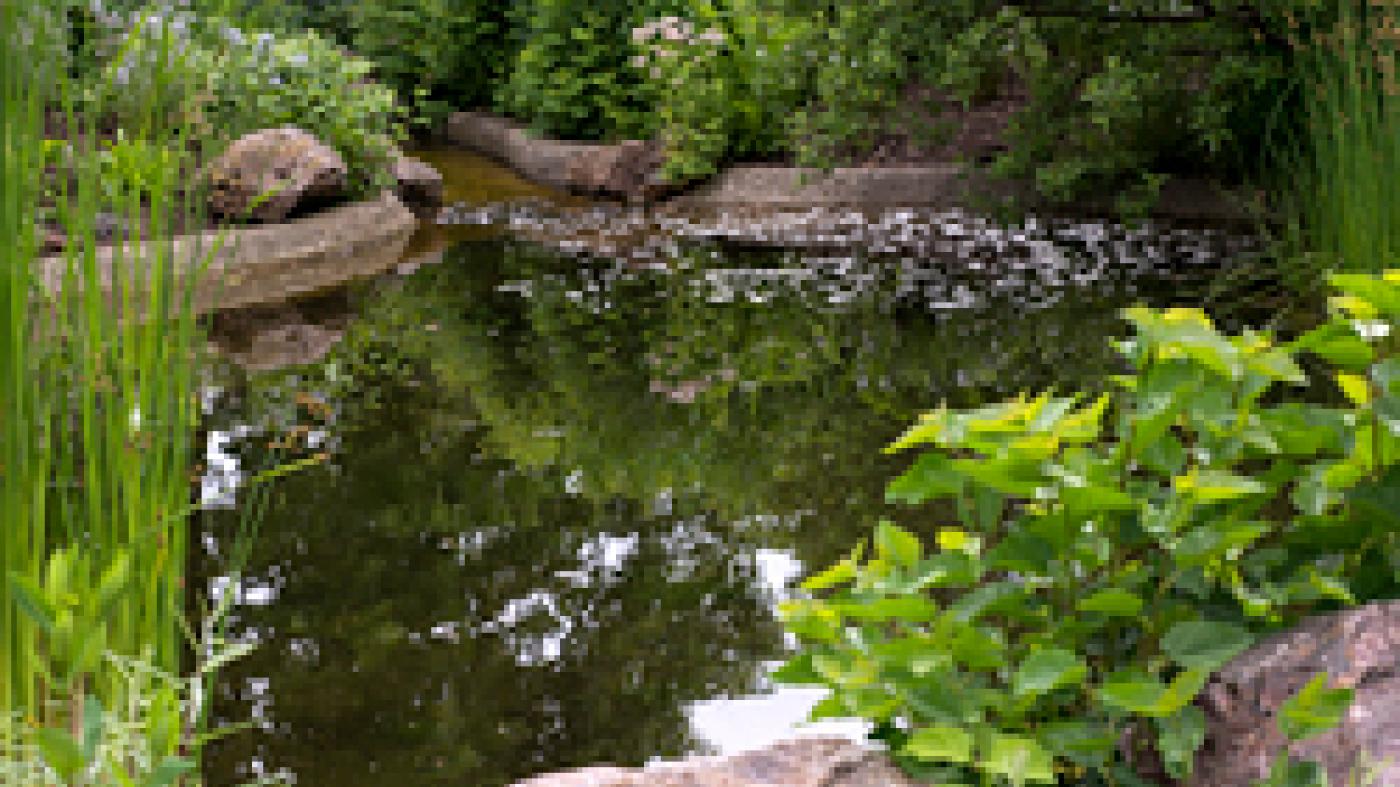
Aquatic Garden Preparation
Q. I have a small aquatic garden in my yard. How do I get it up and operating for summer?
A. Performing basic maintenance on your water feature as part of spring startup will enable it to be a source of enjoyment throughout the warm weather. Here are the basic steps.
• Once the marginal plants begin to grow, remove the pond cover and trim back any dead foliage.
• Verify that pumps and other electrical equipment are operating properly and repair as necessary.
• Service any filters according to their manufacturer’s instructions.
Bent Evergreen Branches
Q. My arborvitae and smaller evergreens have bent under the weight of this winter’s ice and snow. Is there anything I should do to straighten them?
Planting Vegetables in March
Q. The recent cold and snow have me dreaming of fresh produce from my veggie garden. What can I plant in March?
Prematurely Sprouting Bulbs
Q. After a few warm days, some of my bulbs are sprouting prematurely. Will this hurt the bulbs or future blooms?
Salt Damage Protection
Q. I have evergreens planted near a street. How can I protect them from salt damage?
Lawn Aeration
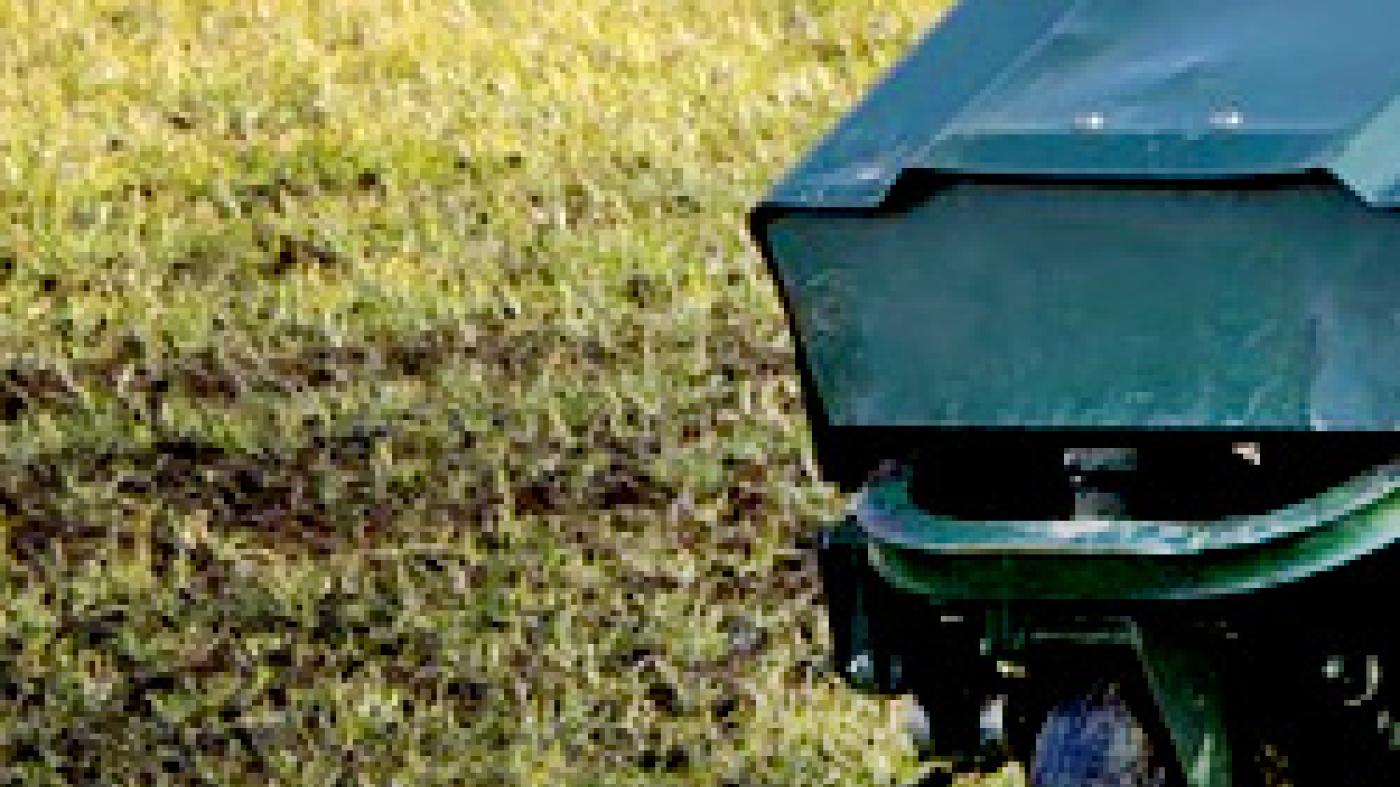
Q. I read that good lawn maintenance involves aeration. Exactly what is this and when should it be done?
Armyworms in my Lawn
Q. We suddenly have a large number of dark caterpillars on our lawn. What are they and how do we control them?
Yellow Nutsedge
Q. I think I have yellow nutsedge (Cyperus esculentus) in my lawn. How do I get rid of it?
Corn Gluten Meal
Q. I have seen corn gluten meal sold as a pre-emergent herbicide. What can you tell me about it?
Frost Crack
Q. I have noticed frost cracking on my sycamore. What, if anything, should I do about it?
Houseplants Outdoors in the Fall
Q. Are there any houseplants that should stay outdoors in the fall to promote bud formation?
Can I transplant a potted miniature rose?
Q. I received a potted miniature rose for Mother’s Day. Can I transplant it into my garden?
Using seeds from years' past
Q. I found some stored seeds from previous years. Can I use them this growing season?
Preparing Lawn for the Winter
Q. Is there anything I can do now to prepare my turf for the winter?
A.Fall is a good time to improve the health of your lawn and prepare it for winter. There are a number of cultural practices that will help at this time of year.
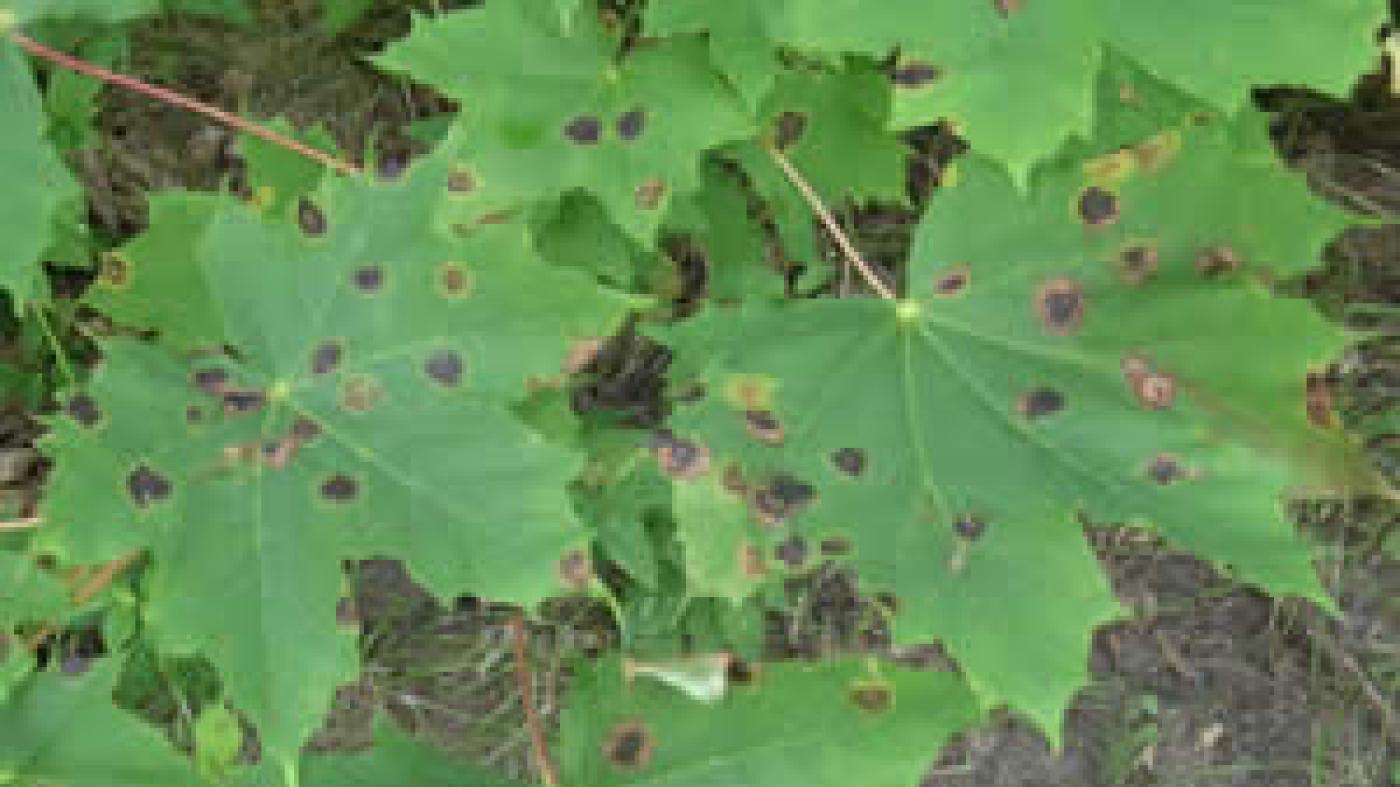
Maple leaves have black spots
Q. I noticed that the maples in my neighborhood have black spots on them. Are the trees sick?
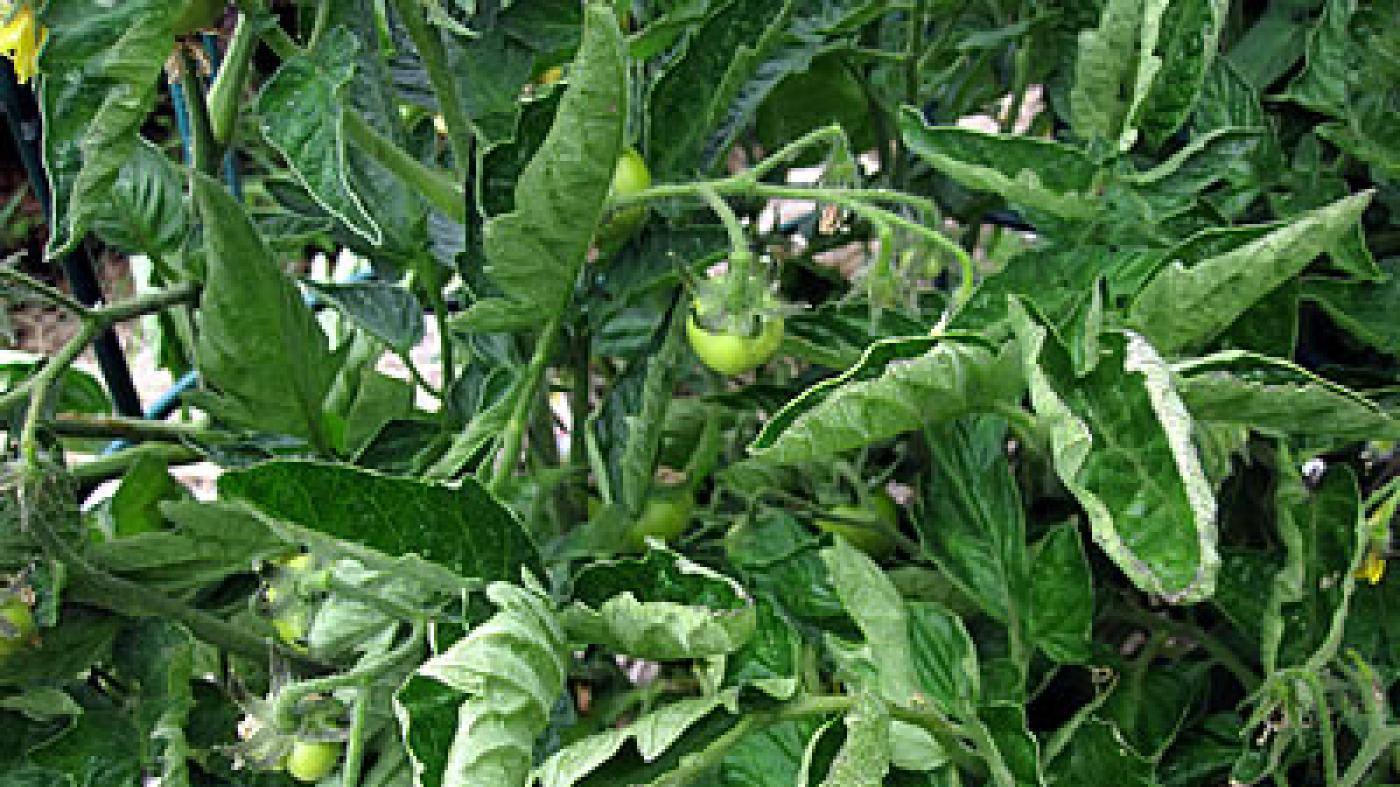
Tomato plants don’t produce as much fruit
Q. Last year, my tomato plants didn’t produce as much fruit as in past years. Why is this and is there anything that I can do about it?
A. There can be several reasons to explain low fruit production:
• Sometimes flowers drop off the plant during periods of fluctuating temperatures. Temperatures above 90 degrees Fahrenheit during the day can cause the blossoms to drop without setting fruit. If evening temperatures fall below 55 degrees, remain above 75 degrees, or if the humidity is too high, blossoms can also drop prematurely.
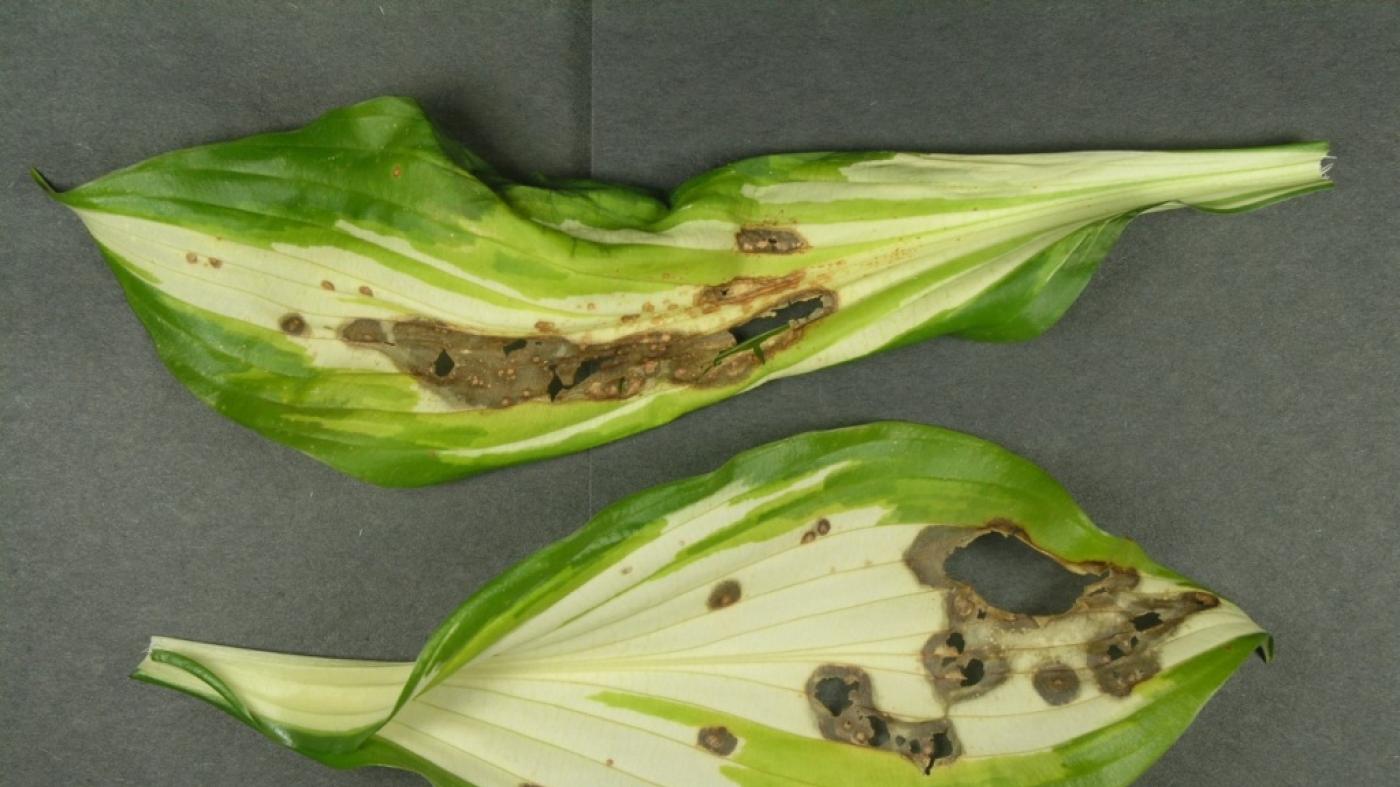
Why is my hosta foliage turning brown?
A. The cool, damp, cloudy spring we had this year is conducive to many fungal infections. Some of the more common fungal problems affecting hostas are anthracnose and botrytis. This season, Plant Information has seen many cases of hostas infected with botrytis, which can be prevalent in cool, wet weather. Botrytis on hosta first appears on foliage as water-soaked spots that begin small and increase in size. As the spots enlarge, cinnamon to dark tan rings can sometimes be seen within the lesions. Lesions can also travel down to the petiole of the plant.
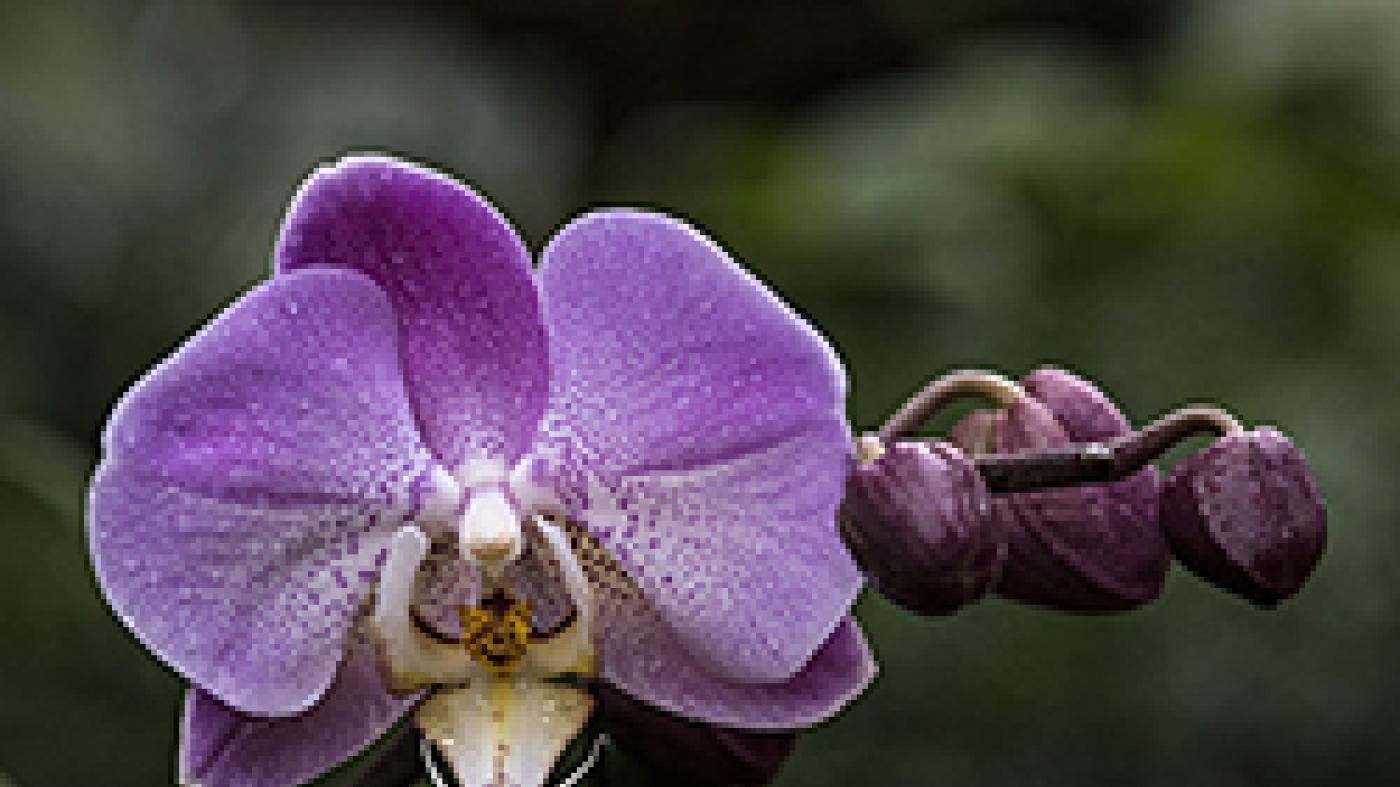
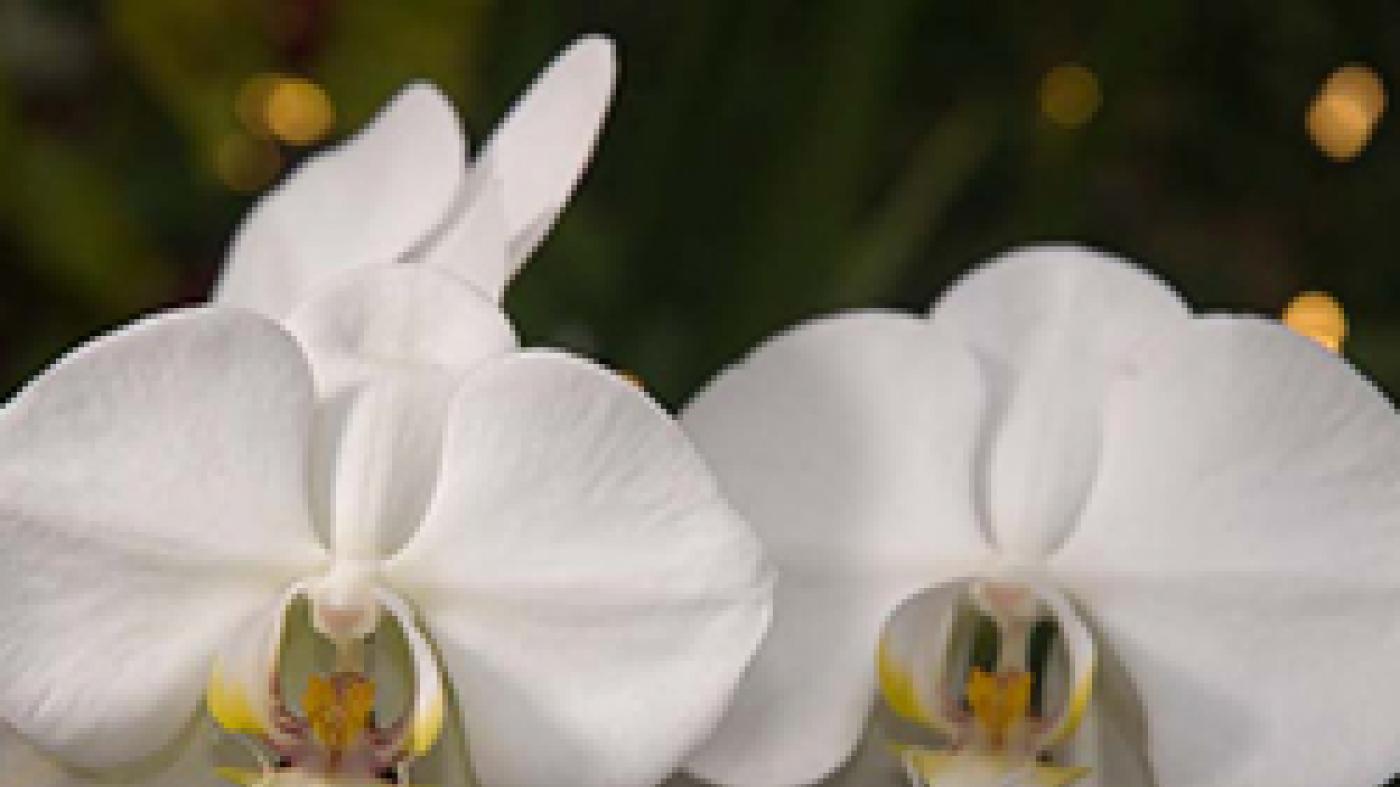
Phalaenopsis Care After Bloom
Q. My Phalaenopsis orchid just finished blooming and I’m not sure what to do with the flower stem. Do I cut it? If so, where?


Q: I’d like to give a creative and unusual gift. Do you have any suggestions?
A. Tillandsia plants, commonly called air plants, can be used quite creatively, and many different species are available. They will last longer than many plants sold this time of year, and they are relatively inexpensive. Tillandsia make great holiday, teacher appreciation, or hostess gifts.

Q. Do you have any tips on making a fall centerpiece?
A. Build your own cornucopia with our Cornucopia 101 by Nancy Clifton!
Prepare for Spring in the Fall
Q. Is there is anything I can do now in the garden to make next spring’s work easier?
A. Here are some general recommendations for tasks to do now to prepare for next spring:
Leave No Trace
Q: On a recent camping trip, I saw signs saying, “Take only memories and leave only footprints.” What exactly does that mean and why is it important?
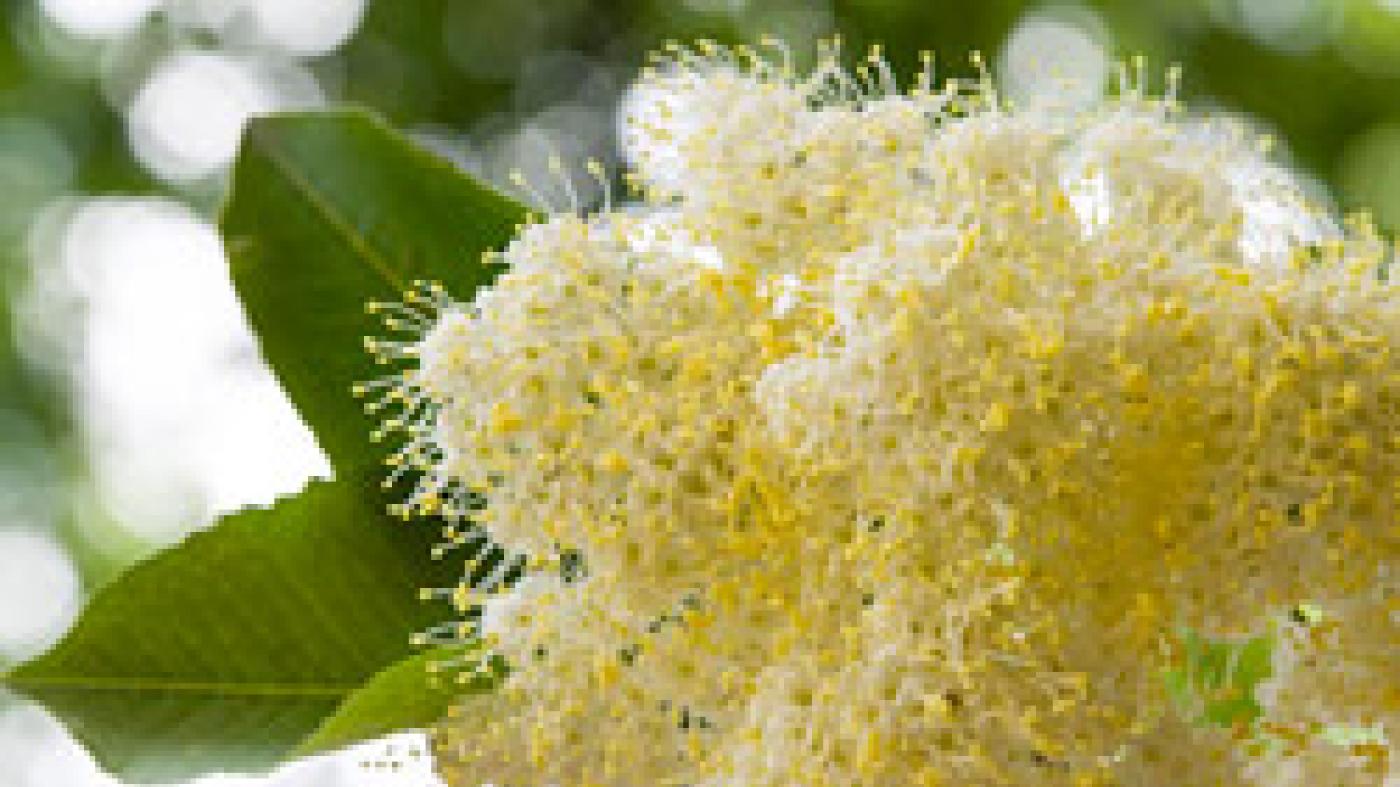
Viburnum Leaf Beetle
Q. Is it true that some viburnums will not be affected by the viburnum leaf beetle?

Gardening Gift Ideas for Mother's Day
Q: Do you have any gardening gift ideas for Mother's Day?
A: Moms who are avid gardeners always appreciate gifts that make their lives easier or add beauty to outdoor spaces. Cut flowers are gorgeous but short-lived, so how about giving live plants? A rosebush or a potted miniature rose can be enjoyed indoors and later planted in the garden.

Why is phosphorus, a component of lawn fertilizer, bad for the environment?
Phosphorus is a component of most fertilizers that helps plants to grow. When too much is applied or is applied at the wrong time—such as right before it rains—most of it is washed away and ends up in the local waterways. This type of pollution is called nonpoint source pollution. It causes eutrophication (a reduction of dissolved oxygen in water bodies caused by an increase of minerals and organic nutrients) of rivers and lakes. This reduced level of oxygen in water ends up suffocating fish.
Frost Heave
Q. I noticed roots showing around some of my perennials. Is this normal? Is there anything that I should do about it?
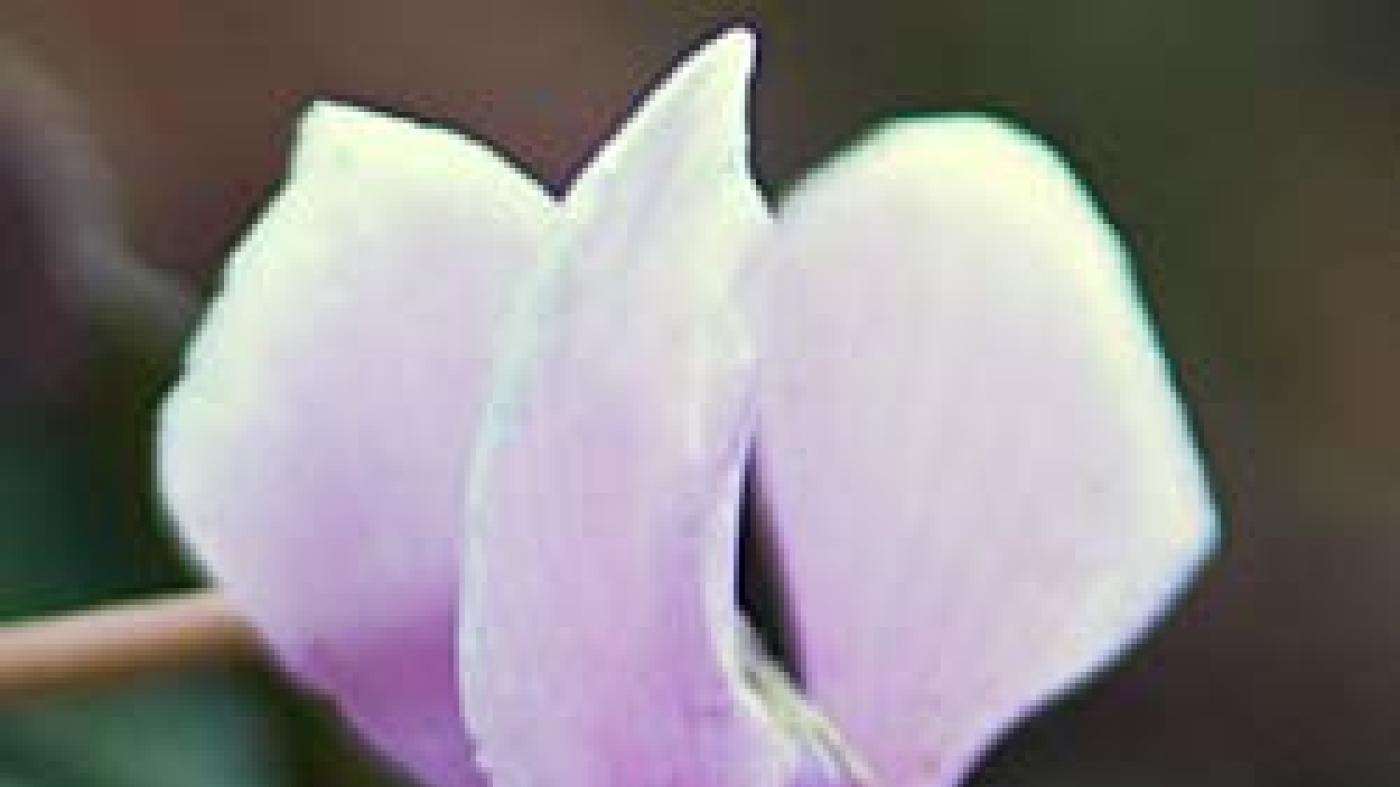
Cyclamen Plant Care
Q. I received a cyclamen plant as a Valentine’s Day gift. How do I take care of it?
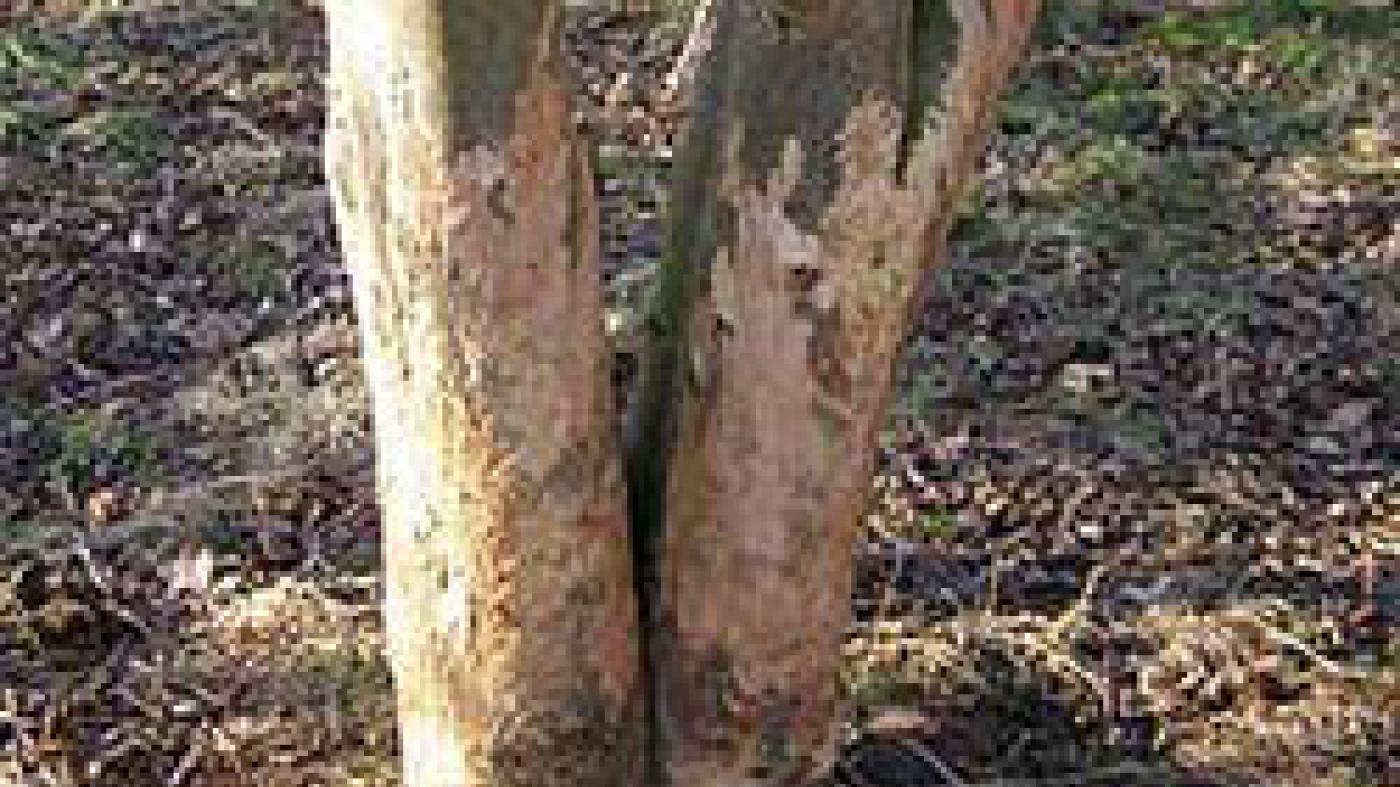
Protect from animal damage
Q. How can I protect my trees and shrubs from animal damage in the winter?
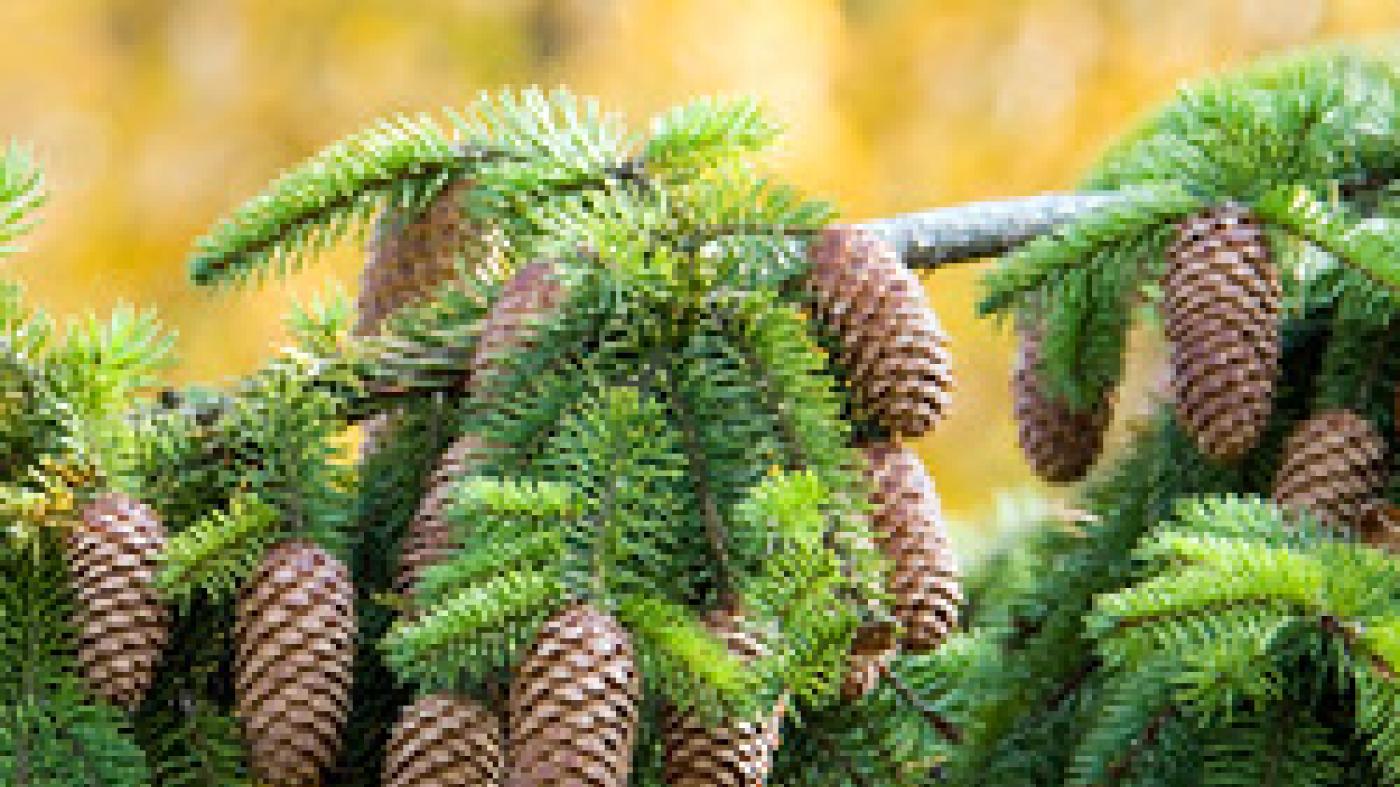
Planting evergreens in the fall
Q. I recently noticed many discounted evergreens at local garden centers. Is this a good time of the year to plant them?
Winter perennial preparation
Q: Should I cut back my perennials to prepare them for winter? If so, when?
Autumn Lawn Care
Q: I have a lot of Creeping Charlie weeds in my lawn. When is the best time to apply a weed killer?
Winter Rose Preparation
Q: Is there anything I should do now to prepare my roses for winter?
A: Discontinue the fertilization of roses by the first week of August, approximately. Without supplemental fertilization, the plants will begin to shut down for the summer and will begin the process of storing nutrients to best survive the harshness of winter.
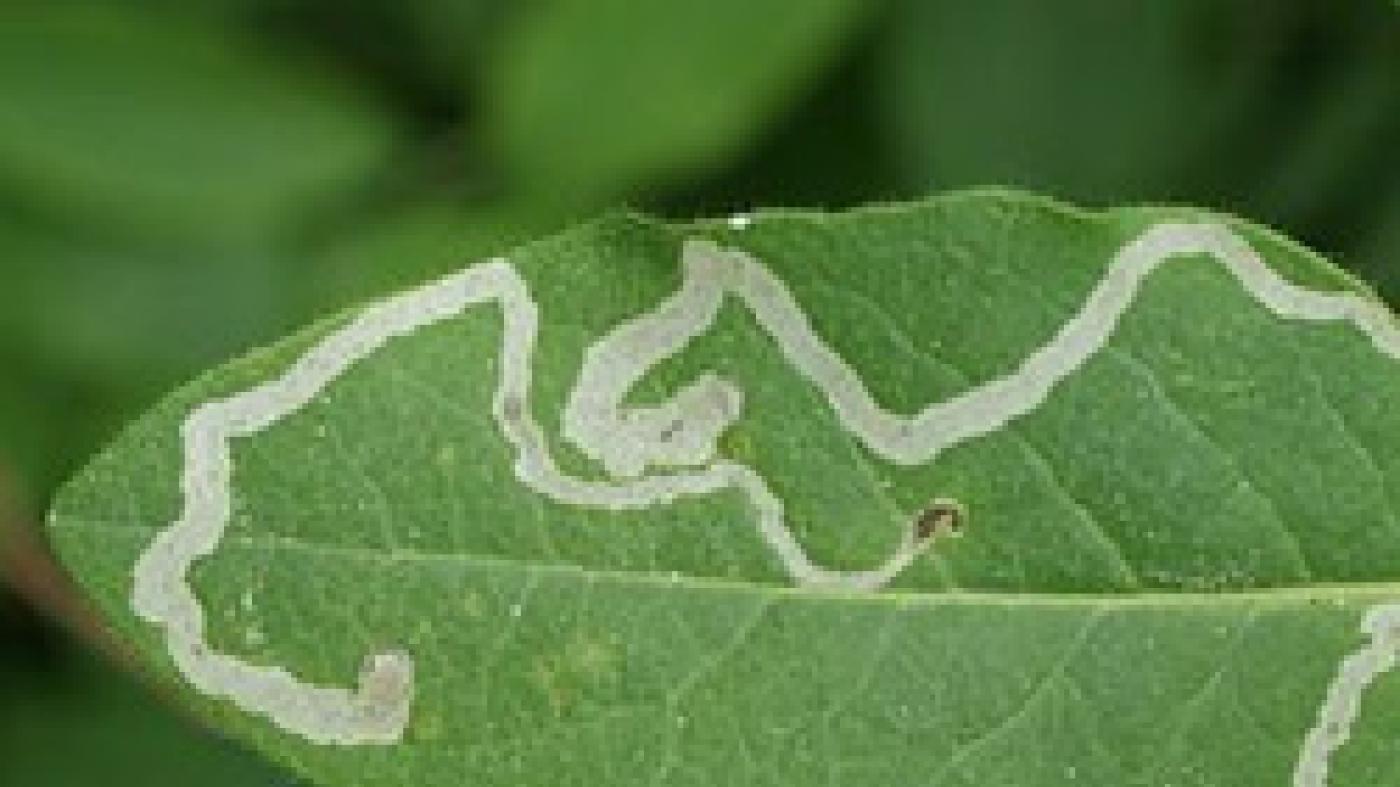
Leaf Damage
Q. I've noticed that leaves of my plants look chewed. What is causing this and is there anything I can spray to help my plants?
Winter Burn
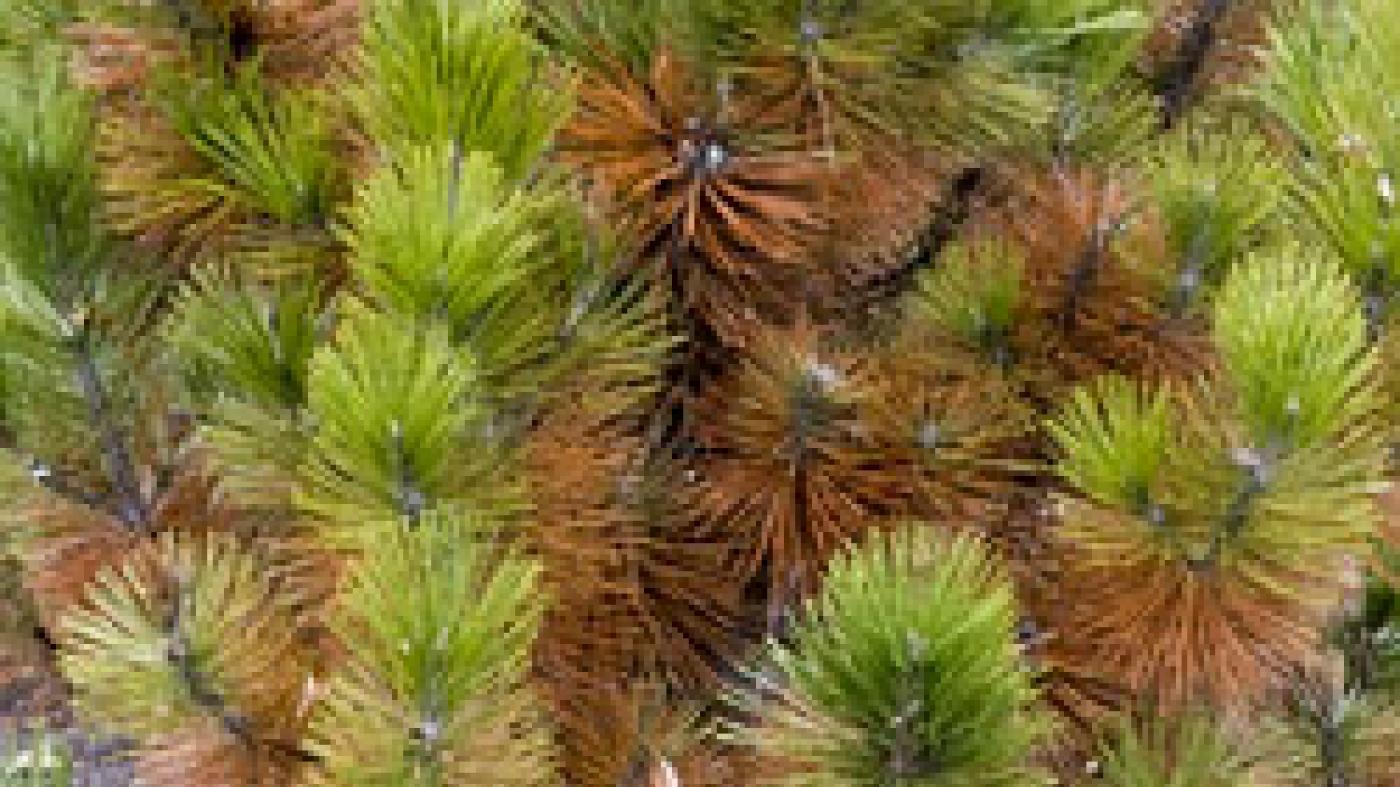
Q. As plants in my garden begin to green and produce new growth, I've noticed that some of my evergreens are very brown. Is this a disease? What should I do?
Spring Rose Care
Q. Do I need to prune my roses in spring?
A. Early April, or when the forsythia begins to bloom, is a good time to assess how your roses came through the winter, and to determine what their pruning needs might be. Many roses require minimal pruning at this time, primarily to remove dead or winter-damaged wood, whether that is the tip of a cane, or in some cases, the entire cane.
Evergreen damage
Q. As the snow in my garden melts, there appears to be something wrong with my evergreen shrubs. They look broken and trampled. Is this snow damage and what can I do about it?
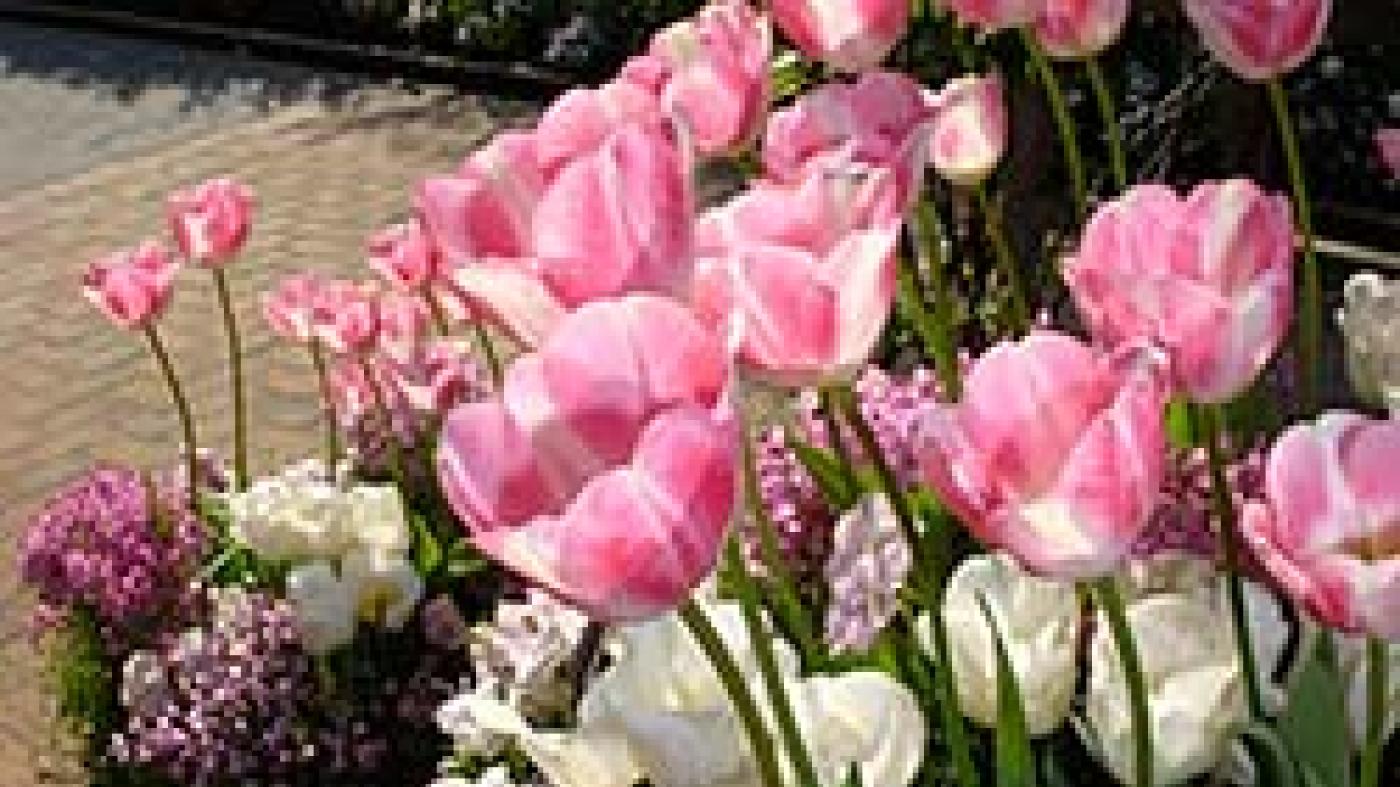
Spring-blooming bulbs
Q. I didn’t get around to planting my spring-blooming bulbs last fall. What should I do with them?
Gift Plant Recommendations
Q: I'd like to give plants as gifts for the holidays. Many gift plants are treated as short-lived houseplants because they are difficult to get to rebloom or keep alive and are discarded. Can you recommend plants that are easy to grow and that will last more than one season?
Overwinter Mums
Q: There are so many beautiful varieties of mums at this time of year. They are supposed to be perennial, but I lose them over the winter. Is there a trick to get mum plants to overwinter?
Vegetables that can be planted late summer
Q: Are there any vegetables that I can grow this late in the season?
A: There are many different vegetables that can be planted in late summer and early fall providing unusually high temperatures don't persist. Warm weather can cause certain vegetable crops, such as head lettuce and spinach, to flower and set seed prematurely, which is called bolting.
How do I get perennials to bloom all summer?
Q: Some of my perennials that bloomed in late spring and early summer were beautiful! Will they bloom again?
A: Many perennials can be encouraged to rebloom by selectively pruning after a plant's initial flush of blooms. Perennials such as Tickseed (Coreopsis) will bloom all summer with continual deadheading of the spent flower and stem.
How to prevent mums from getting spindly
Q: Last year my mums grew tall and spindly. Is there something I can do to prevent this from happening again this year?
A: Hardy chrysanthemum plants can grow 1 to 3 feet tall, depending on the cultivar, with a spread sometimes equal to the height. To keep them growing optimally, they should be planted in a full-sun location that receives at least six hours of direct sun per day. Plants requiring full sun that are planted in shady areas will often stretch for more sunlight and grow straggly. The soil should be well-drained and kept slightly moist.

How to remember where bulbs are planted
Q: In the fall, I always have trouble remembering where I need to plant bulbs in my garden, and often find myself planting too close to existing ones. Any suggestions?
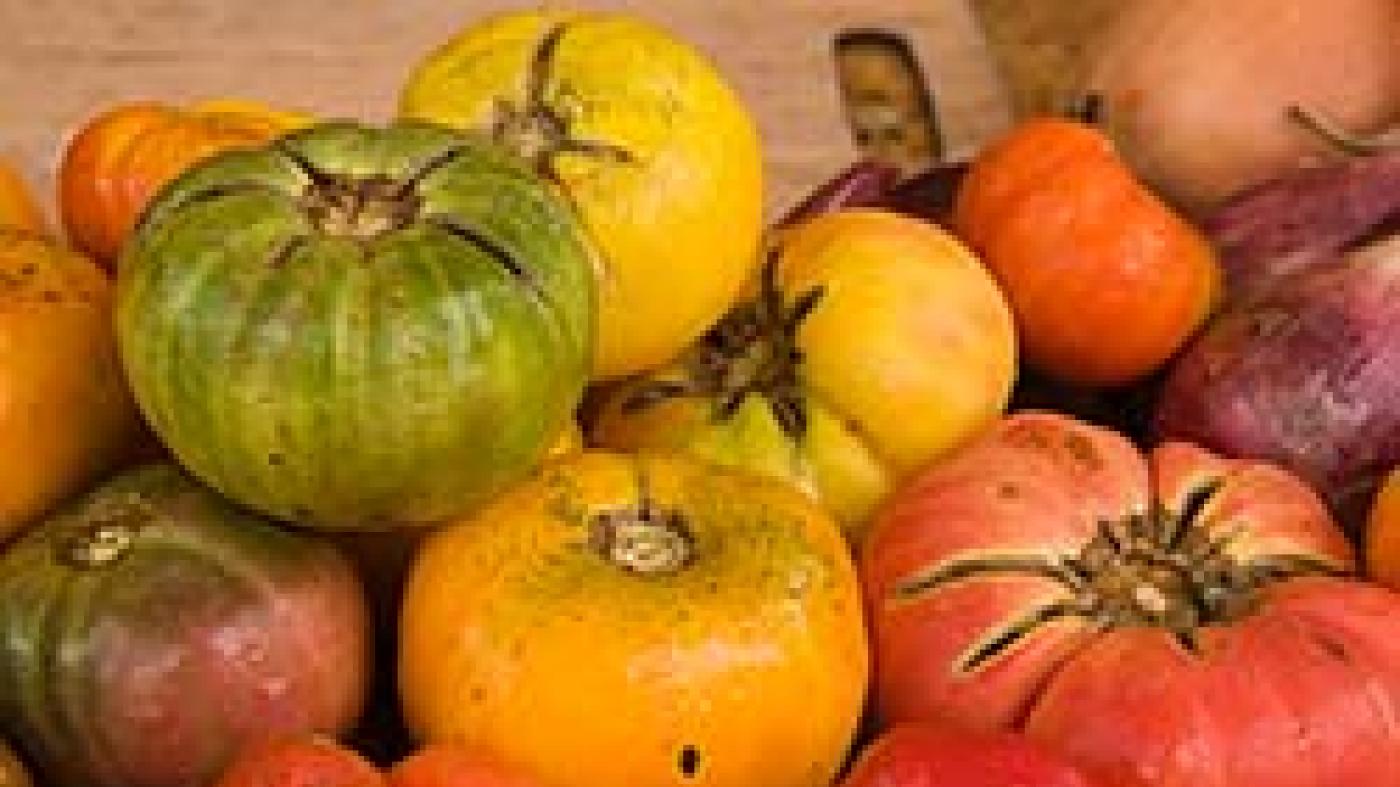
Heirloom Plants
Q: I’ve read a lot recently about heirloom vegetables and would like to try growing some this year. Can you explain a little about heirlooms?
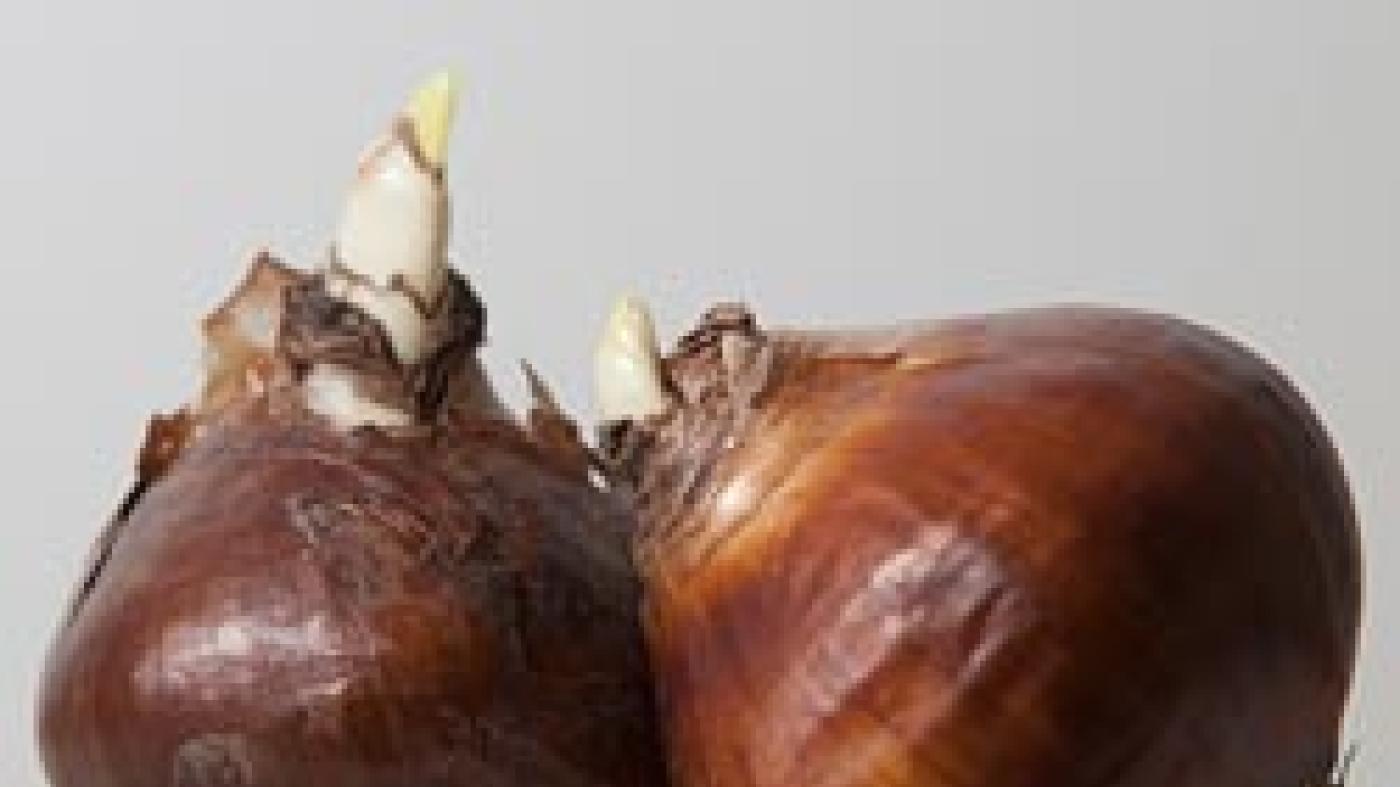
Storing Summer Bulbs
Q: I am storing summer bulbs for the first time — is there anything I need to do for them during the winter?
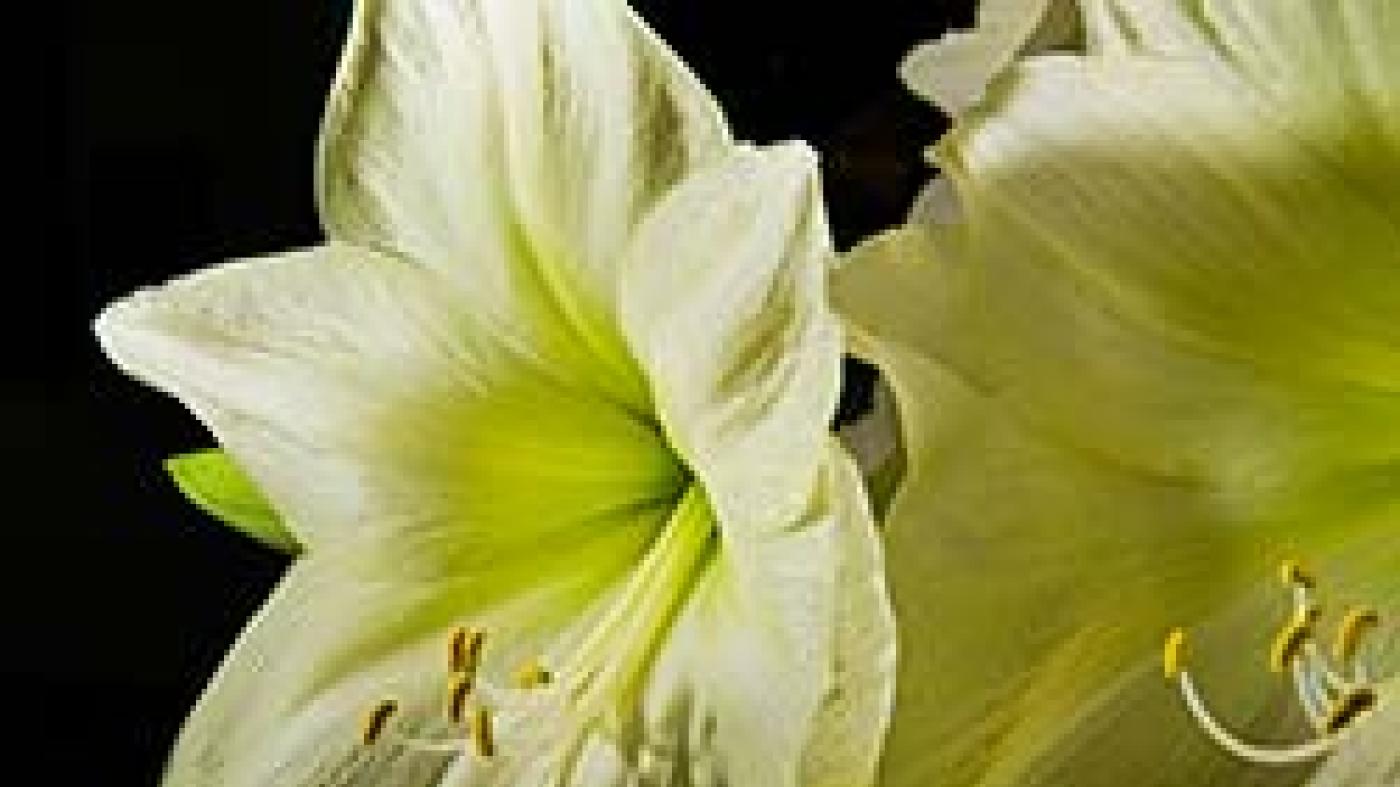
Tips for Giving Plants as Holiday Gifts
Q: We would like to give plants as gifts during the holidays but aren’t sure how to transport them. Do you have some tips for purchasing and transporting holiday plants?
How to prevent snow damage to shrubs
Q: Every winter the snow damages some of my shrubs. Is there anything I can do to prevent this?
Storing Iris Plants for Winter
Q: I'd like to divide and store my Iris plants for the winter. What is the best way to do this?

Trees and Shrubs Recovering from Drought
Q: My trees and shrubs struggled this year because of the drought. Will my plants recover?
Sprinklers and irrigation systems
Q: What types of sprinklers should I be using in my garden?
A: There are many types of irrigation devices with distribution patterns to fit different watering needs.
Hand-held devices or watering cans are the easiest to use for containers or specimen plants that may require higher amounts of irrigation. Screw nozzles and pressure grips with triggers are available to distribute water in a variety of ways that range from full stream to fine mist sprays.
Revitalizing perennial salvia
Q. My perennial salvia plants have already bloomed and are now leggy, open, and straggly. Why are they doing this and can I do anything about it?
Plants for fall containers
Q. Do you have any suggestions for plants that can be used in a fall container?
Preparing trees and shrubs for winter
Q. Is there anything that I can do to prepare my trees and shrubs for winter?
Using fallen leaves in the garden
Q. How can I use fallen tree leaves in my garden?
A. Shredded leaves can be used to insulate various plants in the garden during the cold winter months. When leaves are used whole they can prevent water from penetrating the root zones of plants; therefore, it is important to shred them first. If only a small amount is needed, whole leaves can easily be shredded in a garbage can using a weed whacker. It is always a good idea to wear safety goggles when using a weed whacker. If a larger amount is needed, a lawn mower can be used.
Live holiday trees
Q. We are thinking about getting a live, not cut, holiday tree this year.
What do you recommend?
Watering tips
Q. How much water do plants need to keep them healthy?
A. The amount of water plants need depends on several different factors, like type of plant, how long it’s been planted, type of soil, and location.
Lack of flowers on lilacs
Q. Why doesn’t my lilac bloom in the spring?
A. There are several possible reasons why your lilac fails to bloom. The most common cause is lack of adequate sunlight. Lilacs (Syringa) need to be planted in a location that receives at least six hours of strong, direct sun per day. They are very tolerant of different moisture conditions as long as they are planted in well-drained soil.
Caring for houseplants in late winter
Q. Is there anything that I should be doing in March to my houseplants?
Fairy rings in grass
Q. We’ve noticed several wide, very green circles in the grass in our front lawn. Mushrooms are growing out of part of the circles. What are the rings and how do we get rid of the mushrooms?
Insect leaf damage
Q. I’ve noticed many leaves of my plants look chewed. What is causing this and is there anything I can spray to help my plants?
A. At this time of year, many different types of insects and their larvae frequently feed on the leaves of plants. Without seeing the culprit, it is not possible to determine which insect is causing the damage to your plants. Inspect your plants thoroughly in order to positively identify the insect causing the damage.
Caring for cut flowers
Q. How can I extend the life of cut flowers that I receive for Valentine’s Day?
Poinsettia caution
Q. Are poinsettia plants poisonous?
A.The term "poisonous plants" is often associated with plants that may cause great harm or be fatal if ingested. Potential poisoning depends on the level of toxins contained in the plant and the amount consumed.
Attracting birds to the winter garden
Q. I would like to attract birds to my garden this winter – any suggestions?
Large wasp-like insects (cicada killers)
Q. We’re seeing very large black and yellow flying insects that look like wasps flying around our yard. They seem to be entering areas with piles of dirt along our walkway. What are they and how do we get rid of them?