


Tree and Shrub Care
Unusually mild weather might cause some buds on flowering shrubs to bloom prematurely. These flower buds will not rebloom in spring, but there will be enough of the unopened buds to flower at their appropriate time. Forsythia, viburnum, flowering quince, weigela, and magnolia will often bloom sporadically during warm periods in late fall or early winter.

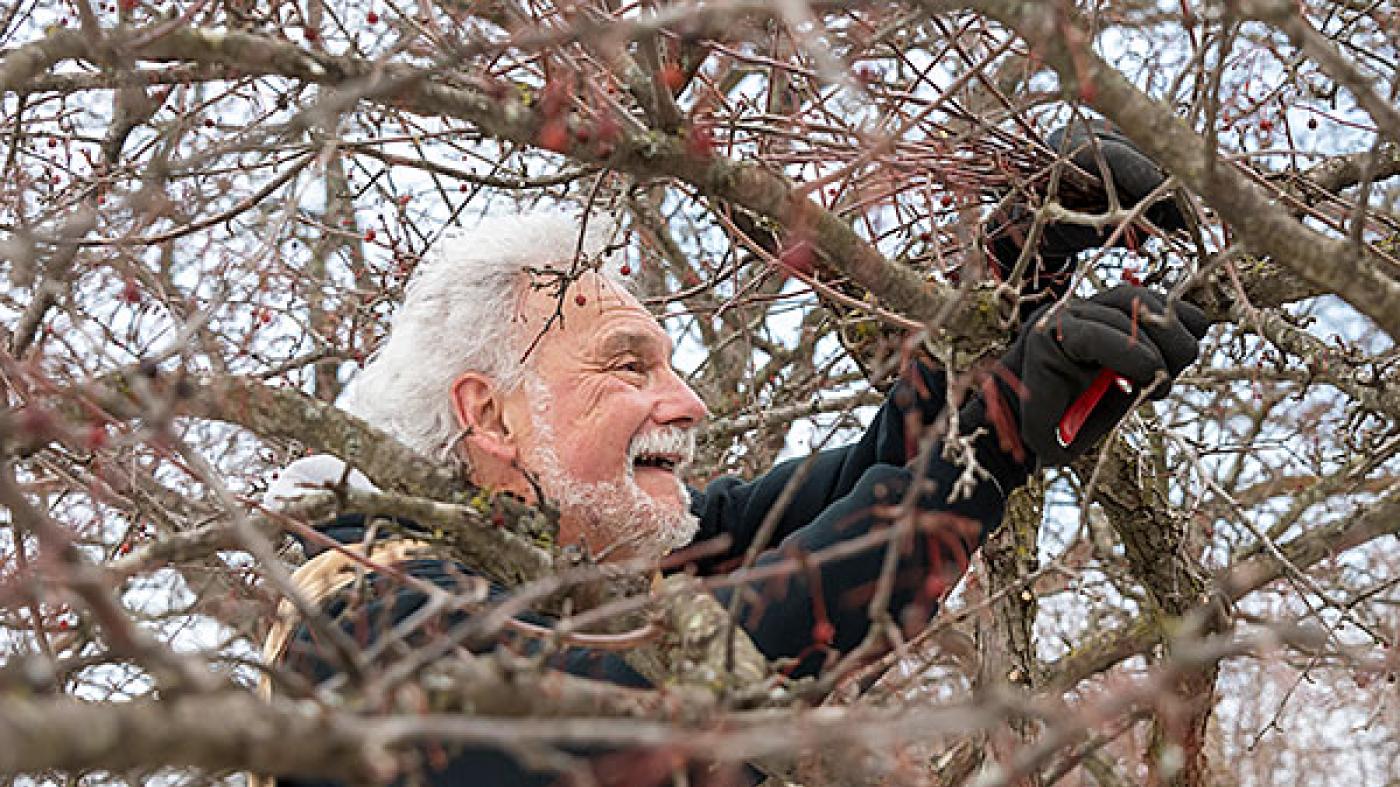
Light pruning of deciduous trees and shrubs can be done this month. Heavy pruning is best done in late winter or very early spring before buds break. Immediately prune back any branches damaged by snow and ice.
During periods of thaw, continue to water trees and shrubs, especially newly planted trees and all evergreens. Take advantage of thaw to water plants or garden areas that receive salt spray. The water will dilute the salt concentration absorbed by plant roots.
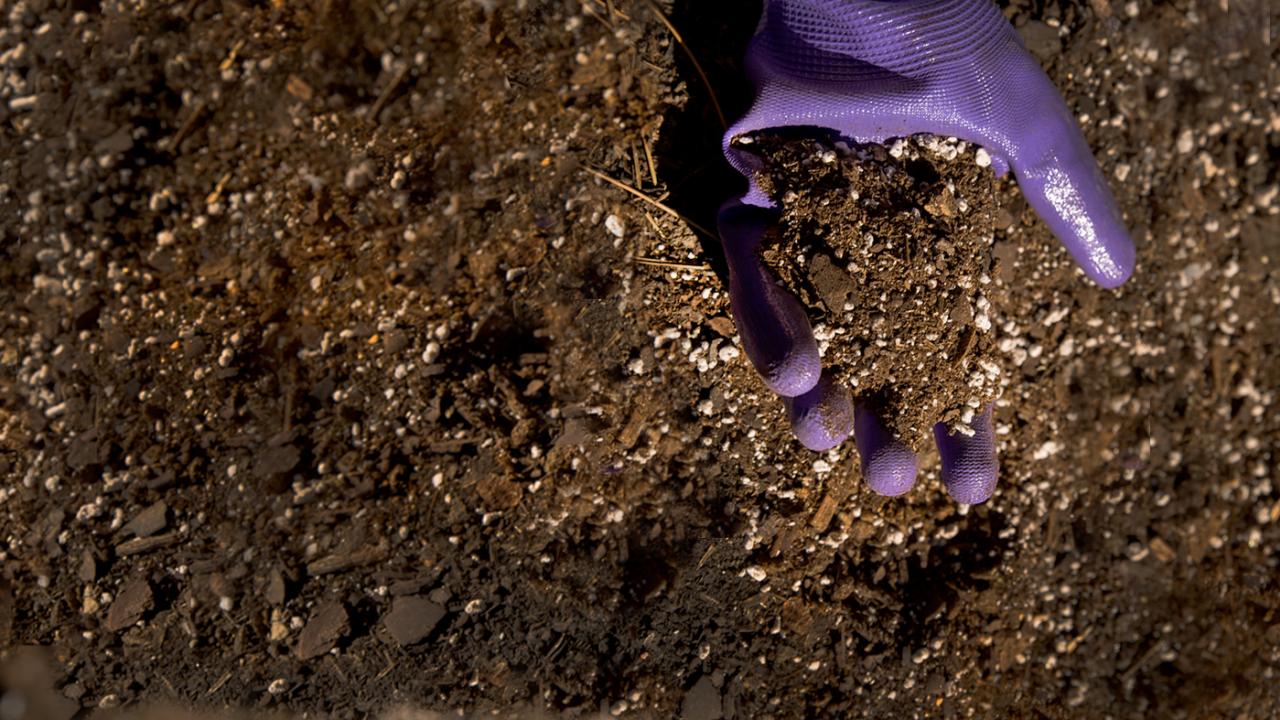
Continue to plant deciduous trees and shrubs as weather permits. The alternate time for planting is next March, before plants leaf out. Apply 2 to 4 inches of wood chips, shredded bark, leaves, or compost to root zones of newly planted trees and shrubs. Be sure to pull mulch 4 inches away from tree trunks.
Continue to water trees and shrubs, especially evergreens, until the ground has frozen completely.
Consider applying fertilizer this month to trees or shrubs that have not received any fertilizer this year and/or have demonstrated need — for example, stunted growth, failure to fully flower or leaf out, undersized fruit, off-color foliage, recovery from disease, or insect attack.
Wait until trees and shrubs drop their leaves or undergo color change before planting them or digging and moving them to new sites. At that time they are entering dormancy and will not suffer as much transplant shock when moved.
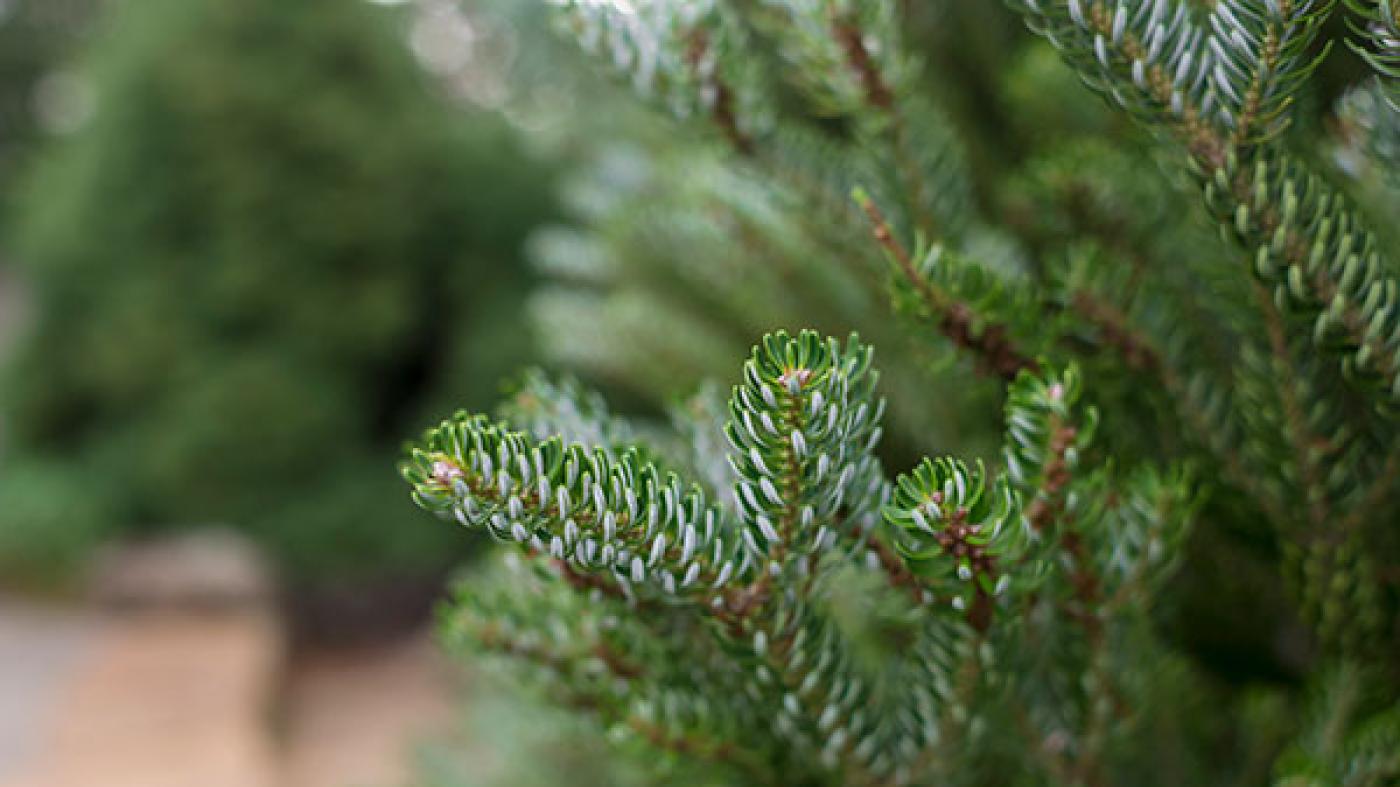
Broadleaved and needled evergreens, both dwarf and standard, are best planted or moved by October 1. Water deeply and thoroughly at planting time and each week up until the ground freezes.
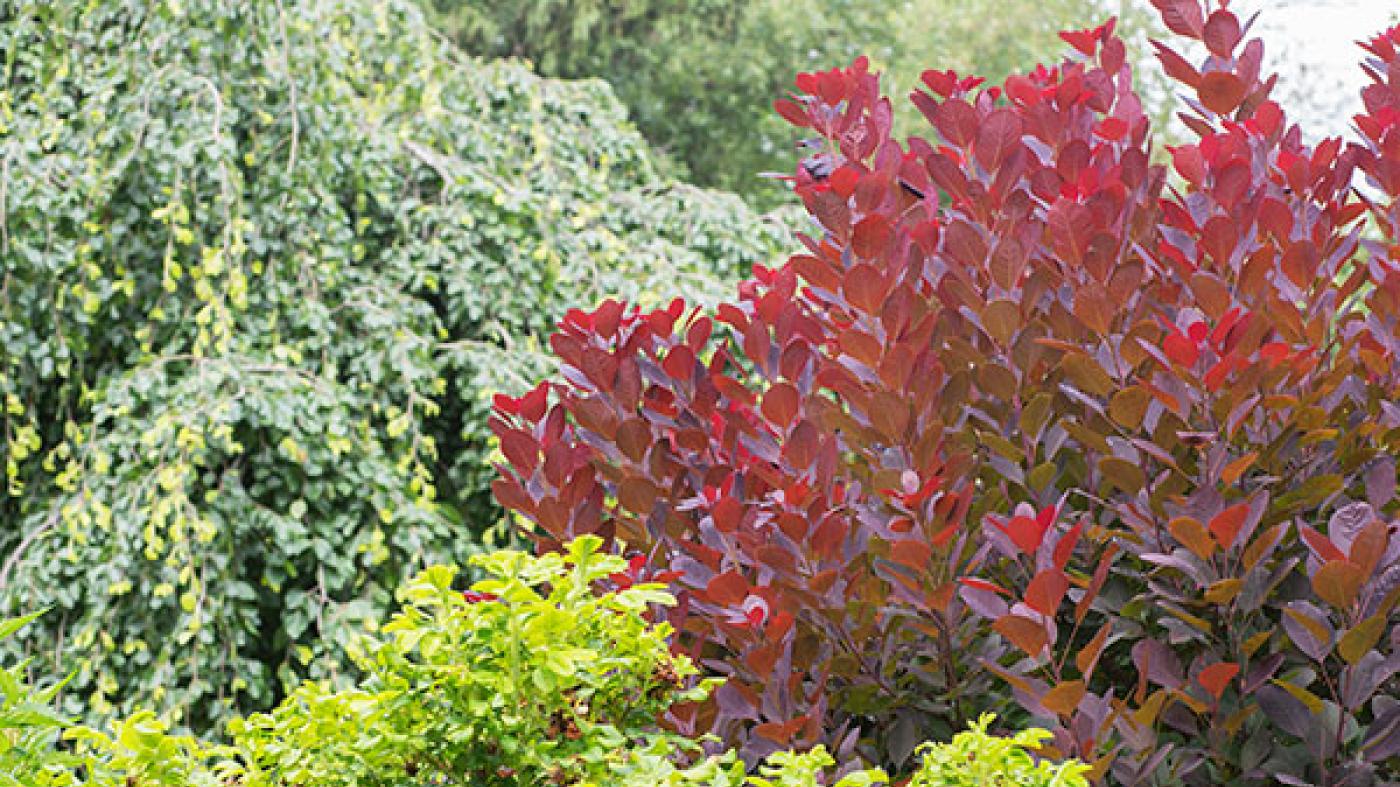
Monitor newly planted trees and shrubs for insects or disease. Succulent new growth is often the first area to be attacked by insects. Aphids can be hosed off foliage. Many sucking, piercing, and chewing insects will finish feeding this month, leaving cosmetic damage but nothing serious enough to warrant chemical control.
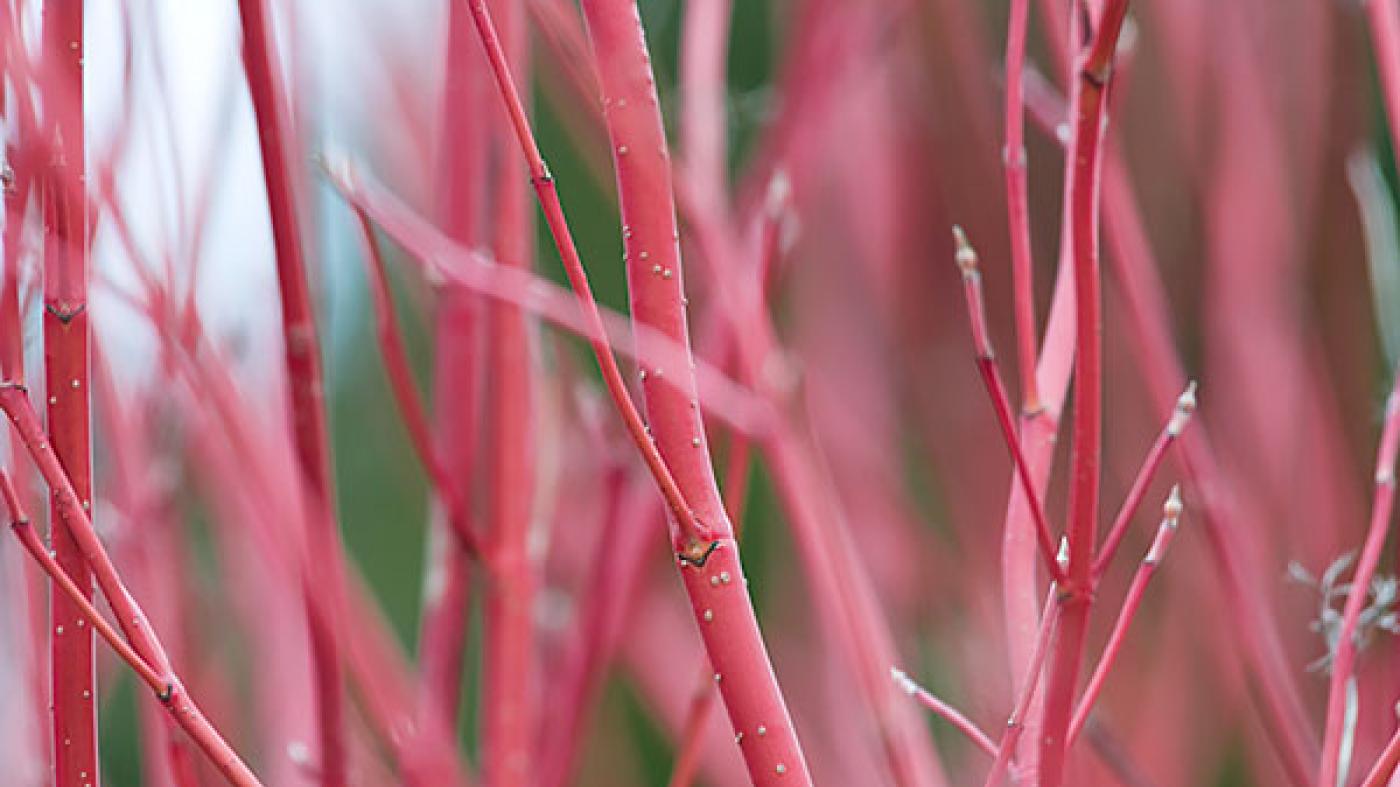
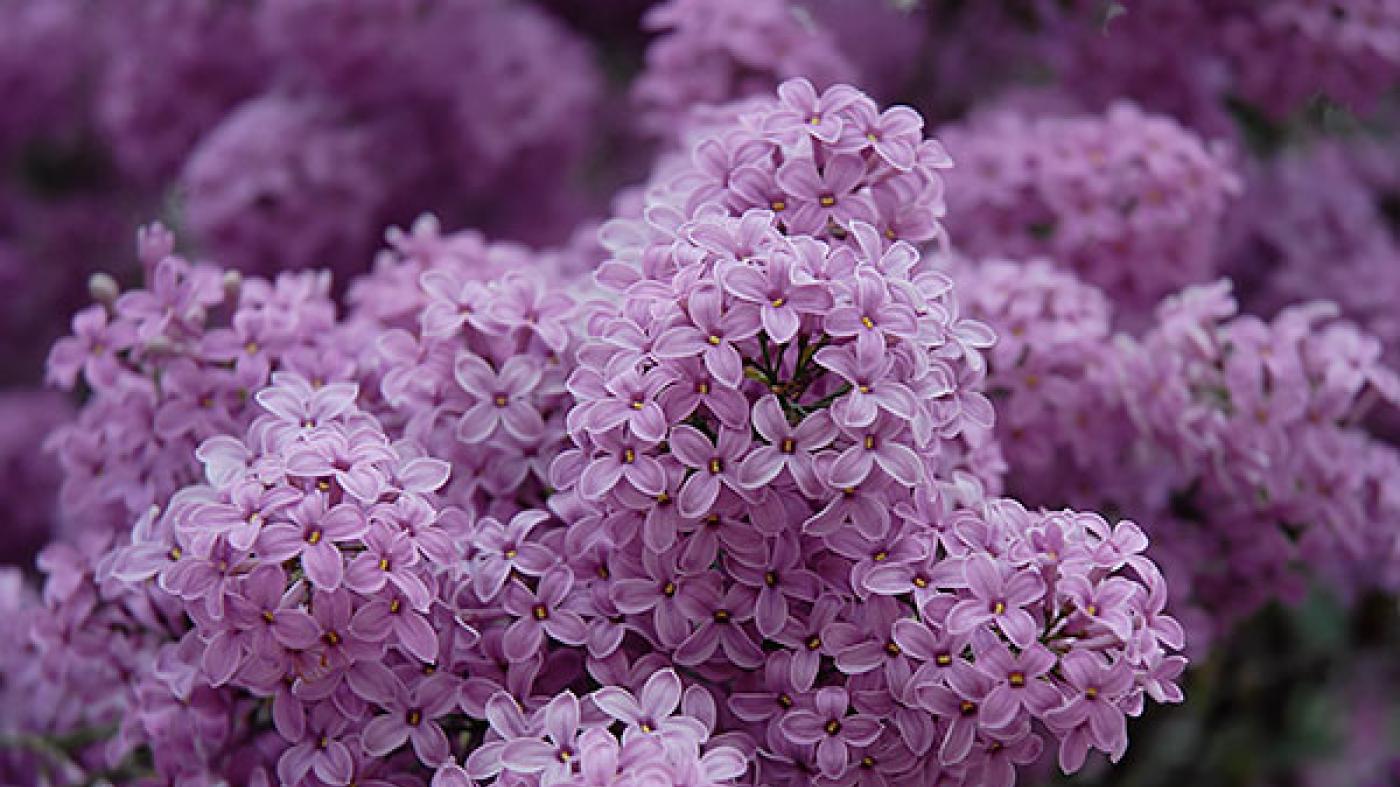
If not done yet, renovate overgrown shrubs including redtwig dogwood, lilac, and forsythia by removing one-third of the oldest canes.
Prune out all ground-level sucker growth from crabapple, apple, plum, peach or apricot trees by cutting out growth below soil level.
Prune out weak, green but very fast-growing water sprouts that grow vertically from branches of fruit trees, redbuds, or other ornamental flowering trees.
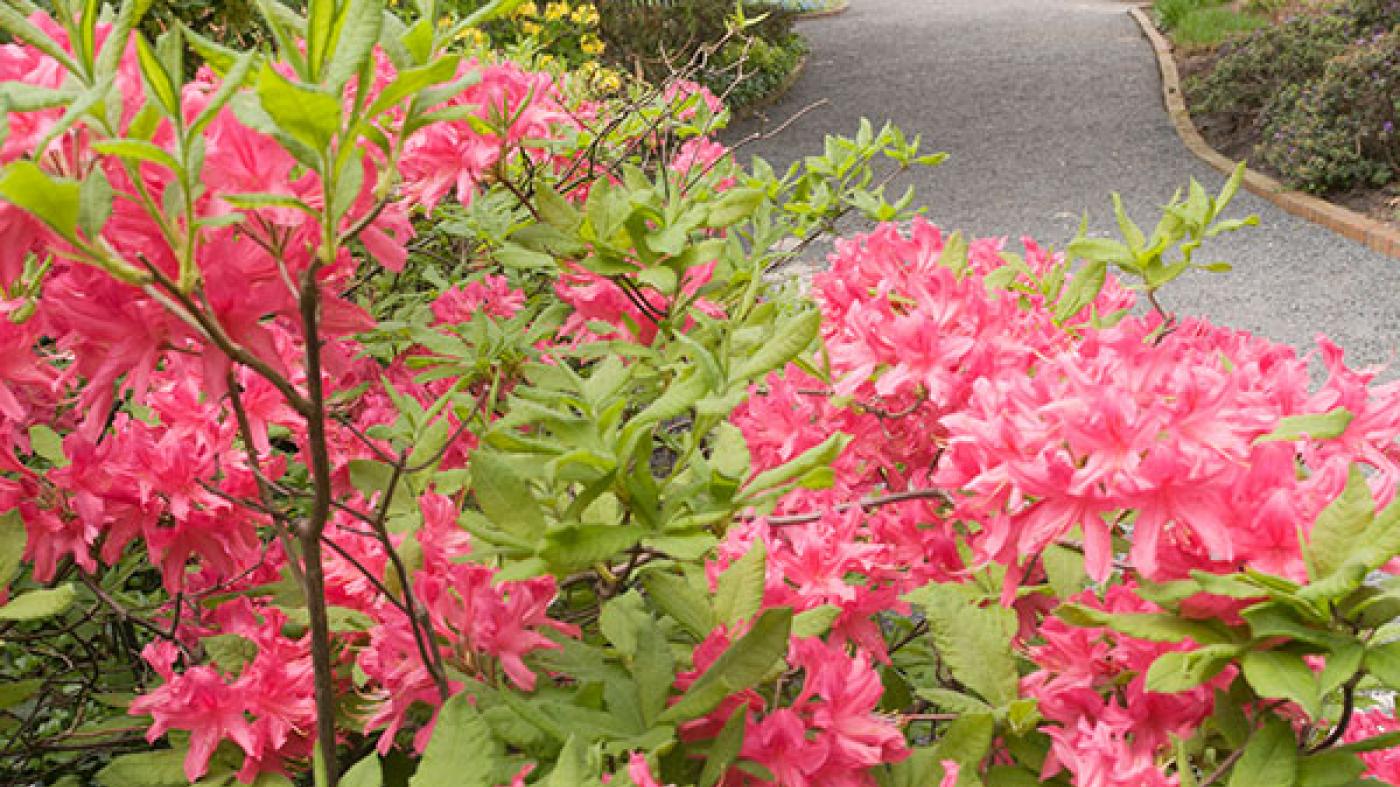
Pinch off terminal growth buds on rhododendrons to increase next year's buds.
Prune all spring-flowering shrubs, if necessary, immediately after they flower.
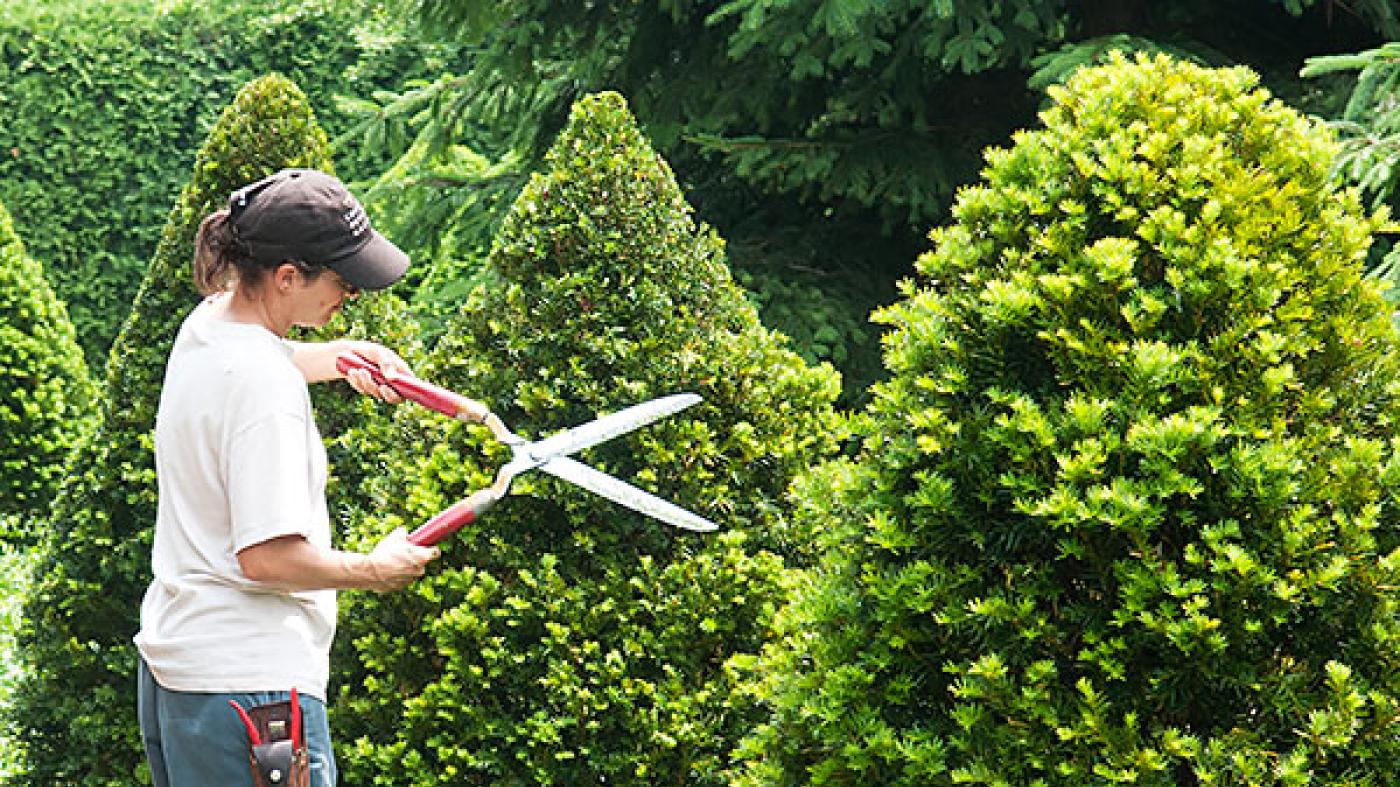
Evergreens, such as boxwood or yew, can be lightly pruned after the new growth fills in to maintain a formal shape.
Trees and shrubs, including balled and burlapped evergreens, can still be planted this month. Plant on a cloudy day, early in the morning, to prevent heat and transplant shock. Water thoroughly and gently at planting time and continue for the first year with 1 inch of water a week, spread throughout the root zone. Mulch root zones to conserve moisture.